
Triangle

Former street punk Momose (Sousuke Takaoka) lives with his girlfriend Kayo (Tomoko Tabata). Their summer routine is disrupted when Kayo’s younger sister Momo (Erena Ono) moves in. As Momo’s free‑spirited nature shines, Momose becomes increasingly drawn to her, creating a tangled love triangle, sly. Directed by Keisuke Yoshida, who made “Cafe Isobe.”
Where to Watch Triangle?
Find where to stream, rent, or buy Triangle (2010) in the US with current JustWatch availability, up-to-date pricing, and platform listings for subscription, rental, and digital purchase options.



















Streaming availability powered by 
Warning: spoilers below!
Haven’t seen Triangle yet? This summary contains major spoilers. Bookmark the page, watch the movie, and come back for the full breakdown. If you're ready, scroll on and relive the story!
Timeline & Setting – Triangle (2010)
Explore the full timeline and setting of Triangle (2010). Follow every major event in chronological order and see how the environment shapes the story, characters, and dramatic tension.
Last updated: October 04, 2025 at 08:16
Main Characters – Triangle (2010)
Meet the key characters of Triangle (2010), with detailed profiles, motivations, and roles in the plot. Understand their emotional journeys and what they reveal about the film’s deeper themes.
Last updated: October 04, 2025 at 08:16
Major Themes – Triangle (2010)
Explore the central themes of Triangle (2010), from psychological, social, and emotional dimensions to philosophical messages. Understand what the film is really saying beneath the surface.
Last updated: October 04, 2025 at 08:16
Triangle (2010) Character & Theme Questions Answered – Info FAQ
Browse frequently asked questions about Triangle (2010) focused on characters, relationships, themes, symbols, setting, and story context. This movie info FAQ gives spoiler-aware explanations for character arcs, world details, and thematic interpretation so readers can better understand what the film is really about.
Where is the movie set?
The film takes place primarily on a yacht called the Aeolus sailing from a Florida harbor into the Atlantic Ocean. The story begins at a busy sunlit Florida port before moving aboard the boat and eventually onto a remote crab-strewn beach, using the ocean setting to create a sense of isolation and claustrophobic pressure.
The Florida harbor setting establishes the normal world before the horror unfolds at sea.
What time period is the film set in?
Triangle is set in the present day, using modern boats, radios, and distress signals. The contemporary setting anchors the surreal time-loop premise in realism, making Jess's moral choices feel urgent and relatable despite the fantastical elements.
What is the time loop theme about in Triangle?
The time loop traps Jess and the others in a repeated cycle aboard the ship, where memory and violence persist across iterations. Each cycle forces Jess to confront the consequences of her choices, and her attempts to rewrite the pattern through various actions illustrate the impossibility of escaping fate.
The loop's rules are established early as Jess experiences the first cycle.
How does maternal responsibility drive the story?
Jess's role as a mother to her autistic son Tommy drives her decisions throughout the voyage. Her protection of Tommy collides with the ship's dangers, pushing her toward extreme measures. The story explores the limits of maternal instinct under pressure, revealing guilt, fatigue, and love as motivators trapped in a deadly cycle.
Jess's concern for Tommy is established from the start of the trip.
What does the identity and reality theme mean in the film?
The appearance of multiple copies of the same group creates uncertainty about what is real. The clones challenge characters' sense of self, forcing a confrontation with memory, intention, and free will. The film uses the mirror-like loop to question whether anyone can truly change a predetermined pattern.
The presence of other versions of the group hint at the reality-bending nature of the cycle.
Who is the main character Jess?
Jess is a determined mother fighting to protect her autistic son Tommy amid a mysterious looping voyage. She evolves from an anxious protector into a strategist willing to break rules and make sacrifices to stop the cycle, even at personal cost.
Who is Tommy and why is he important?
Tommy is Jess's autistic son who becomes increasingly unsettled during the boat trip. His condition directly affects how Jess approaches danger and care, highlighting the fragility of family bonds within the otherworldly trap of the time loop.
Who is Greg in Triangle?
Greg is Jess's friend who organizes the boat trip aboard the Aeolus. He becomes a casualty of the ship's deadly cycle, with his actions reflecting the tension between camaraderie and survival under extraordinary circumstances.
What is the tone and atmosphere of the film?
Triangle has an overwhelmingly dark tone rooted in psychological horror and the protagonist's futile struggle against predetermined fate. The film creates constant high tension through its rapid narrative structure with little downtime, resulting in a bleak and disturbing viewing experience.
What does the ending signify about the cycle?
The bleak ending confirms the absence of hope, as the cycle resets and leaves Jess perpetually trapped. The story suggests that despite her efforts to change outcomes, the pattern cannot be broken, exploring themes of inescapable fate and eternal recurrence.
Why is the ocean setting important to the story?
The maritime backdrop emphasizes immediacy and realism despite the surreal looping premise. The ocean creates a closed, isolated environment where escape is impossible, amplifying the claustrophobic pressure and reinforcing the film's themes of being trapped in an endless cycle.

Explore Movie Threads
Discover curated groups of movies connected by mood, themes, and story style. Browse collections built around emotion, atmosphere, and narrative focus to easily find films that match what you feel like watching right now.
Movies with fatalistic time loops like Triangle
Characters trapped in merciless cycles, forced to relive their greatest failures. If you liked the recursive horror of Triangle, explore more movies like it. This thread gathers stories where characters are caught in inescapable loops, facing psychological torment and confronting their past in a cycle of despair and inevitability.
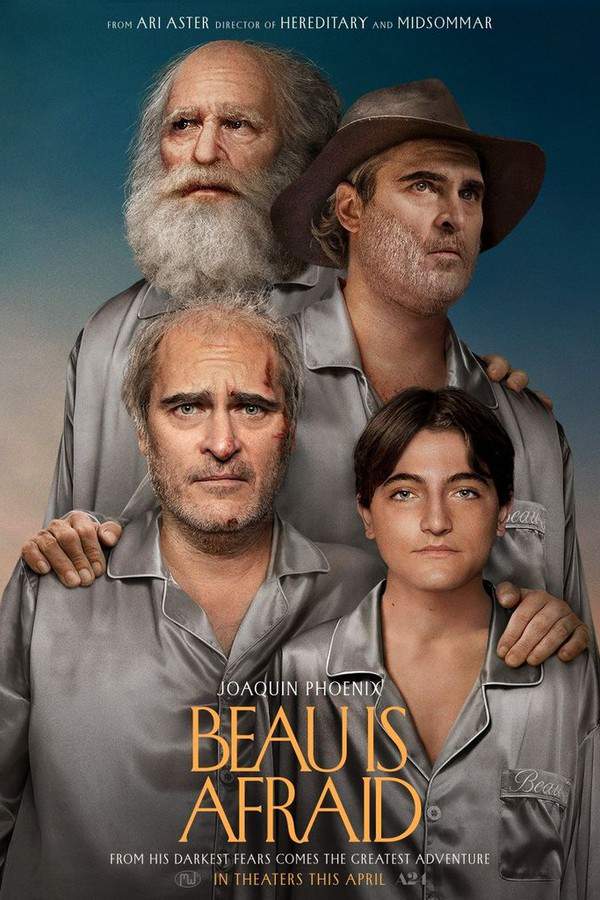
Beau Is Afraid
2023
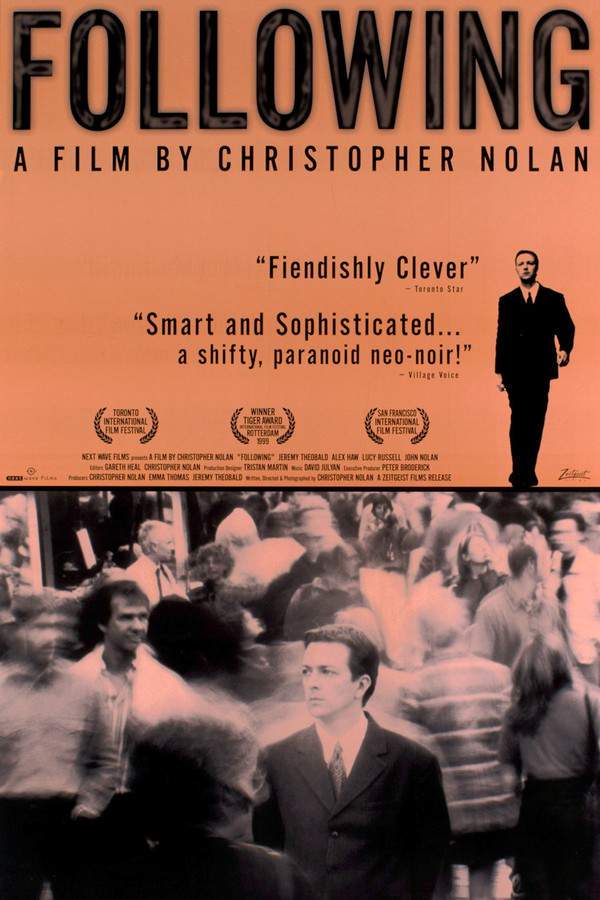
Following
1999
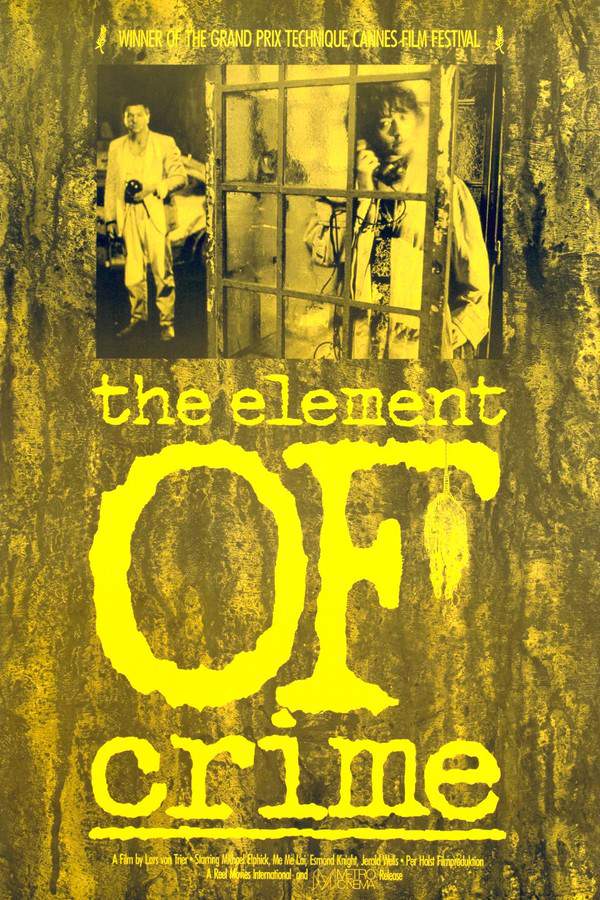
The Element of Crime
1984
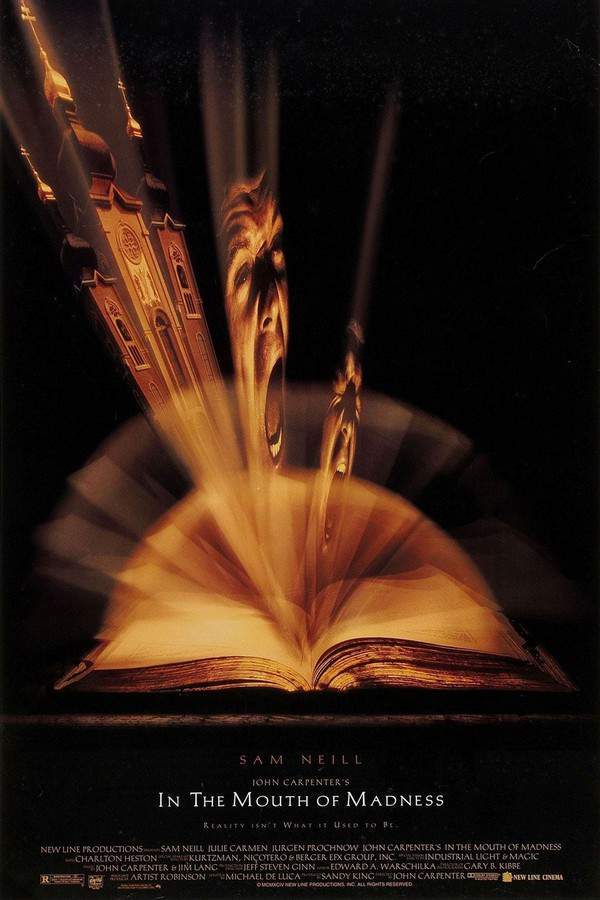
In the Mouth of Madness
1995
Triangle
2010

The Image Threads
2010

The Incident
2014

The Incident
2015

Forgotten
2017

Cowards Bend the Knee
2003

Strange Circus
2005
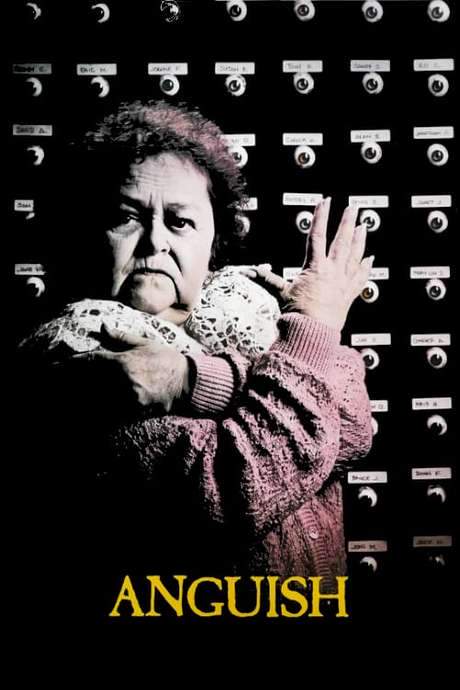
Anguish
1987

The Forest of Love: Deep Cut
1000

The Locket
1946

Level Cross
2024
Narrative Summary
The narrative pattern involves a protagonist stuck in a recursive sequence of events, often triggered by a traumatic incident. As the loop repeats, they are forced to confront their actions, guilt, or a fate they cannot change, leading to a deepening sense of despair and futility.
Why These Movies?
Movies are grouped here by their shared core premise of a punishing time loop and the resulting psychological unraveling. They create a specific, claustrophobic feeling of being trapped not just physically, but metaphysically, with a heavy focus on themes of fate and self-confrontation.
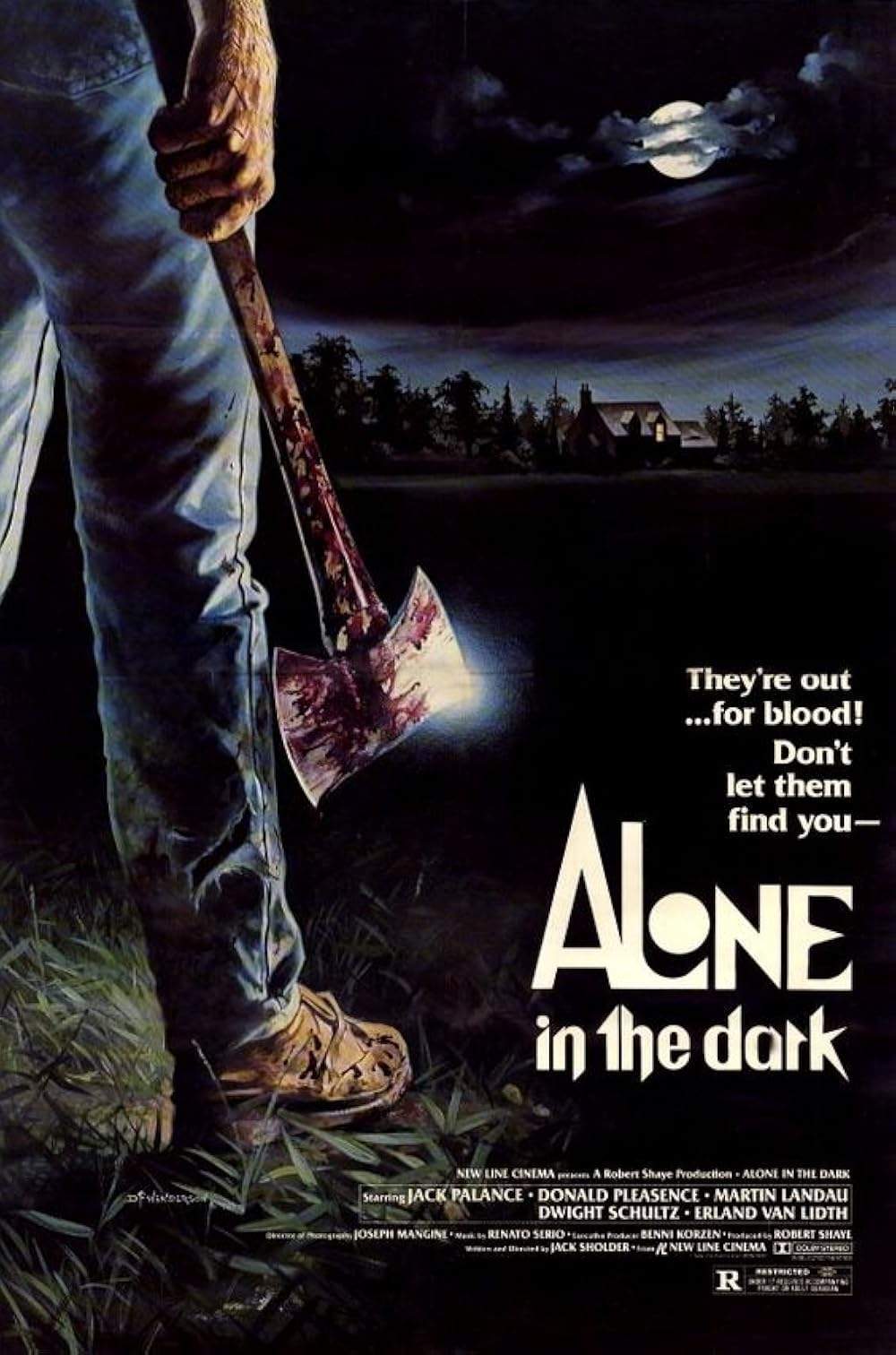
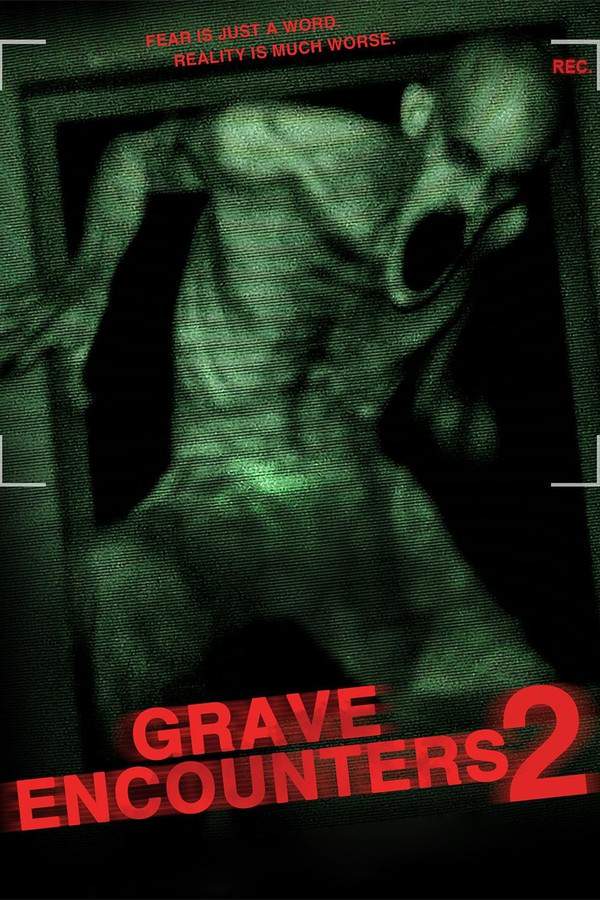
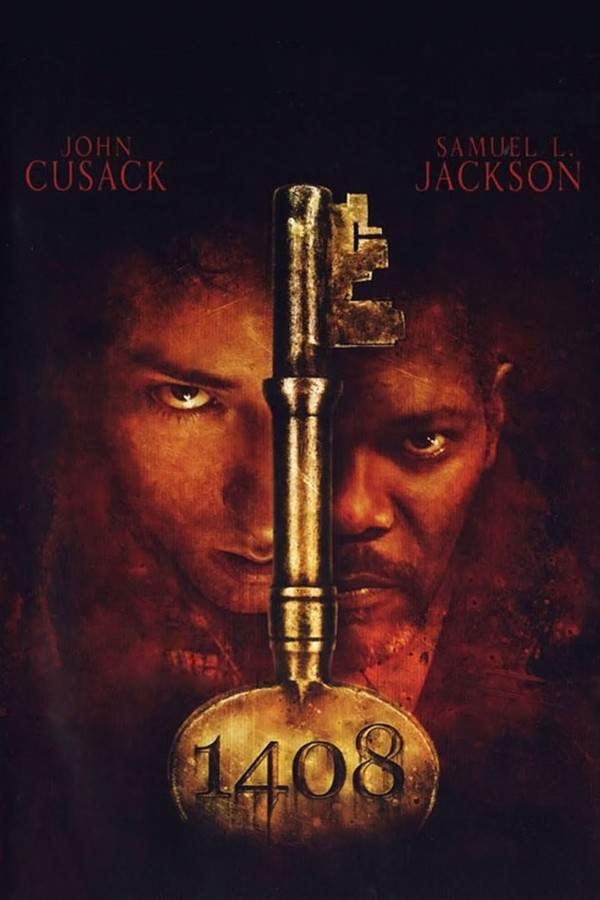
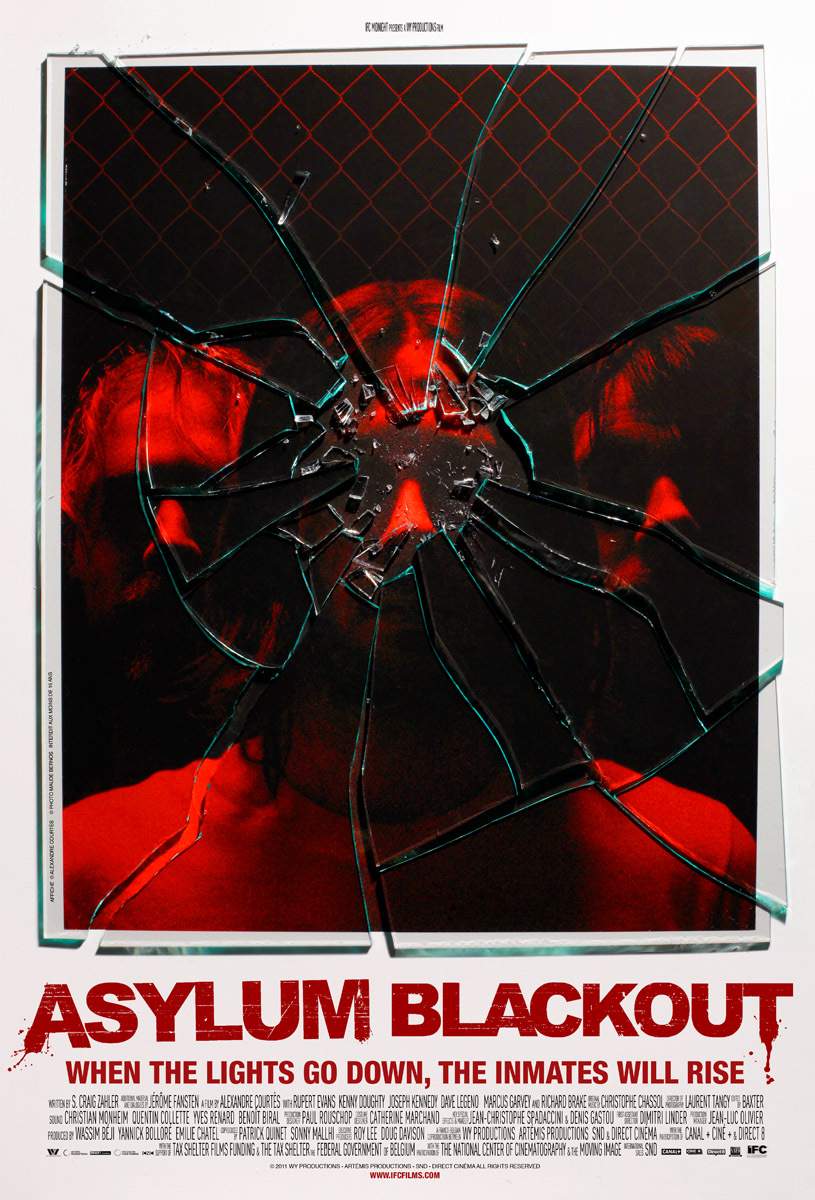
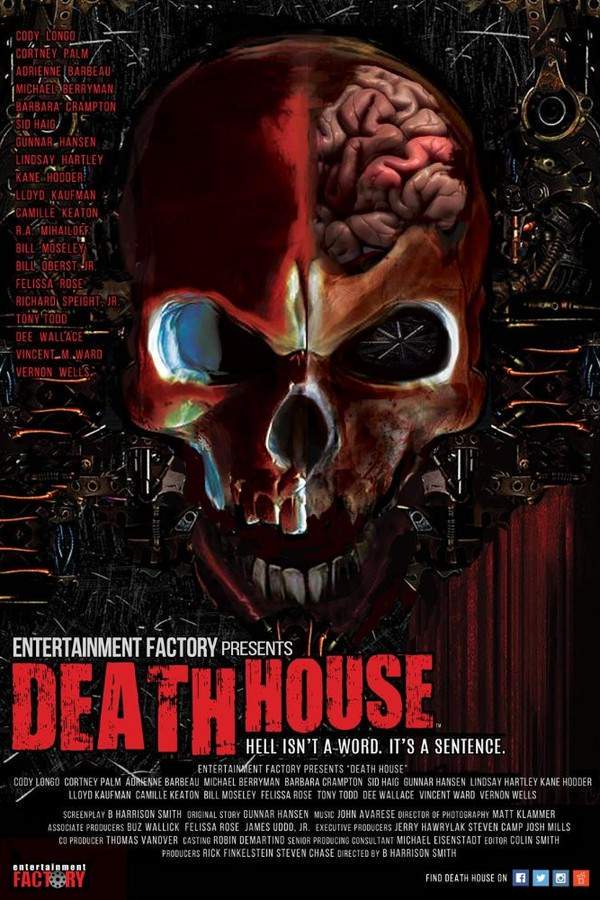
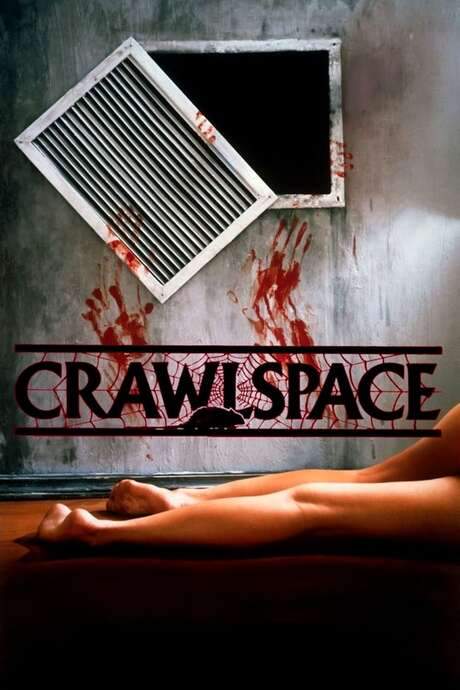
Claustrophobic psychological horror movies like Triangle
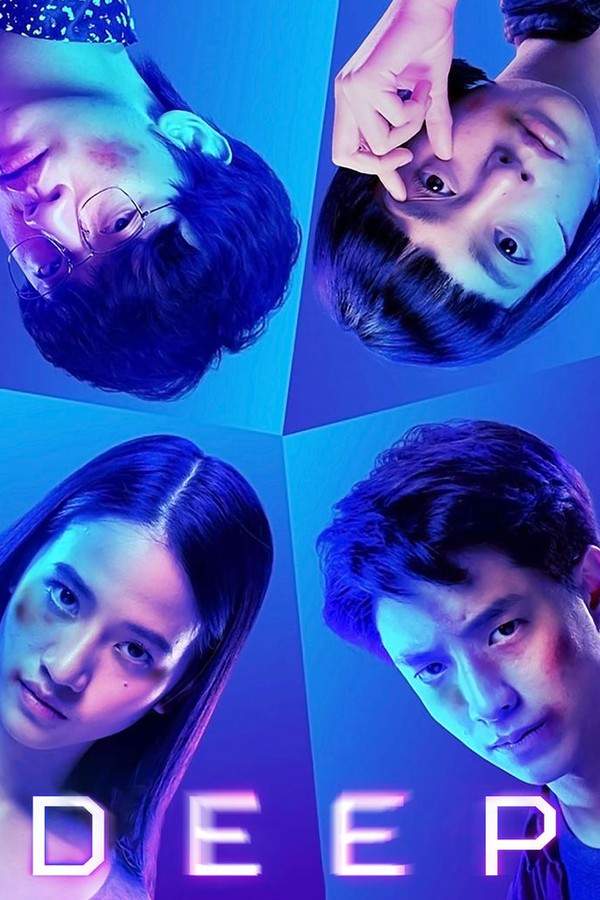
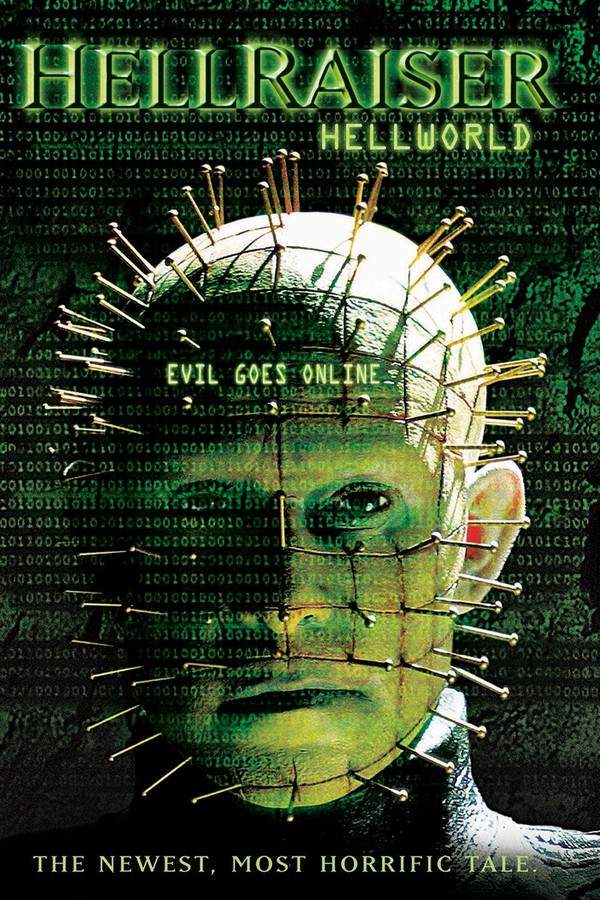
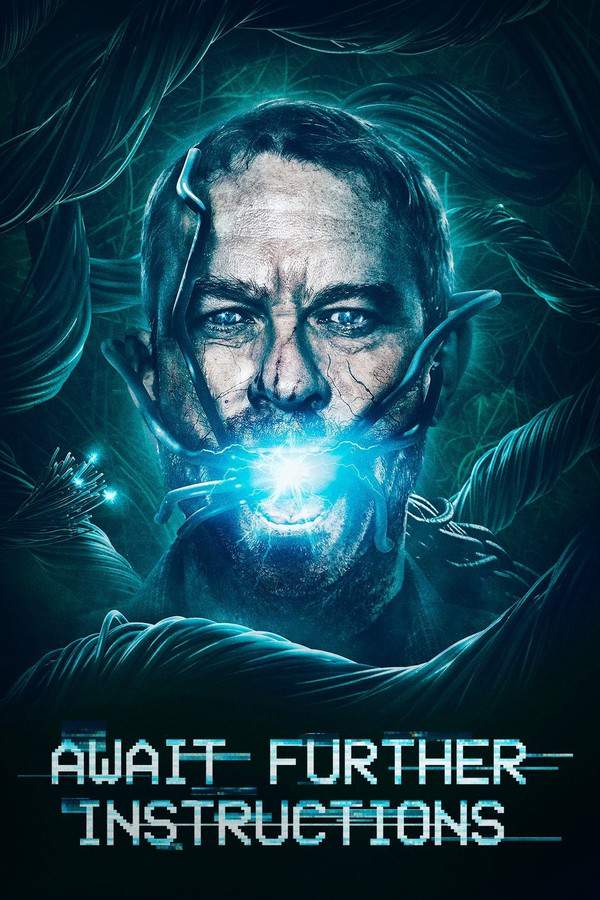
Stories where reality unravels and characters spiral into paranoia. For viewers who appreciated the mind-bending tension of Triangle, this section features similar movies. Discover psychological horror films with a fast pace, high intensity, and a focus on a character's desperate and paranoid unraveling in a confined setting.




Narrative Summary
The narrative follows a character who is psychologically isolated, often in a confined space or situation. As external pressures mount and reality distorts, their mental state rapidly deteriorates. The story unfolds at a breakneck pace, leaving little room for respite as the character confronts their own crumbling sanity.
Why These Movies?
These films are connected by their overwhelming focus on a single character's psychological breakdown. They share a fast, frantic pacing, a dark and tense tone, and a high-intensity atmosphere that feels claustrophobic and desperate, prioritizing psychological horror over traditional scares.
Unlock the Full Story of Triangle
Don't stop at just watching - explore Triangle in full detail. From the complete plot summary and scene-by-scene timeline to character breakdowns, thematic analysis, and a deep dive into the ending - every page helps you truly understand what Triangle is all about. Plus, discover what's next after the movie.
Triangle Summary
Read a complete plot summary of Triangle, including all key story points, character arcs, and turning points. This in-depth recap is ideal for understanding the narrative structure or reviewing what happened in the movie.

Triangle Timeline
Track the full timeline of Triangle with every major event arranged chronologically. Perfect for decoding non-linear storytelling, flashbacks, or parallel narratives with a clear scene-by-scene breakdown.


