
Triangle

Former street punk Momose (Sousuke Takaoka) lives with his girlfriend Kayo (Tomoko Tabata). Their summer routine is disrupted when Kayo’s younger sister Momo (Erena Ono) moves in. As Momo’s free‑spirited nature shines, Momose becomes increasingly drawn to her, creating a tangled love triangle, sly. Directed by Keisuke Yoshida, who made “Cafe Isobe.”
Where to Watch Triangle?
Find where to stream, rent, or buy Triangle (2010) in the US with current JustWatch availability, up-to-date pricing, and platform listings for subscription, rental, and digital purchase options.



















Streaming availability powered by 
Warning: spoilers below!
Haven’t seen Triangle yet? This summary contains major spoilers. Bookmark the page, watch the movie, and come back for the full breakdown. If you're ready, scroll on and relive the story!
Timeline – Triangle (2010)
Trace every key event in Triangle (2010) with our detailed, chronological timeline. Perfect for unpacking nonlinear stories, spotting hidden connections, and understanding how each scene builds toward the film’s climax. Whether you're revisiting or decoding for the first time, this timeline gives you the full picture.
Last updated: October 09, 2025 at 15:34
Triangle (2010) Timeline Questions Answered – Chronology FAQ
Find frequently asked questions about the Triangle (2010) timeline, including chronological order, nonlinear jumps, cause-and-effect links, and scene sequence clarifications. This timeline FAQ helps explain when key events happen, how moments connect, and why the story unfolds in that specific order.
Why does Jess have to kill everyone in the loop?
Jess discovers that the loop only resets when every copy of the group is killed. The masked killer tells her that killing everyone is 'the only way to get home.' Each time she kills all the duplicates, the loop restarts from the beginning, the boat trip, the storm, and the survivors boarding the Aeolus. This creates a desperate cycle where Jess believes murder is necessary to reset the timeline and possibly find a way out.
Earlier, Jess finds her own handwriting on notes inside dozens of lockets, each saying to kill them all, foreshadowing her acceptance of this brutal necessity.
How does the time loop reset in Triangle?
The loop resets whenever all copies of the characters on the Aeolus are killed. When the final person dies, the entire sequence restarts, the survivors board the sailboat, the storm hits, and they encounter the same events. Jess realizes the pattern after witnessing multiple groups arrive and die, leading her to attempt writing blood messages to her future selves to break the cycle.
The overturned sailboat reappears with a new set of duplicates after the old group is killed, signaling the loop is restarting.
Why does Jess attack her son Tommy?
Jess attacks Tommy because she is trapped in a violent psychological loop. When she returns home after the Aeolus events, she sees her earlier self (from the start of the day) treating Tommy harshly. Overwhelmed by guilt and the trauma of the循环, she snaps and strikes him. This moment reveals the toll the endless cycle has taken on her mental state, she has become the abusive figure she desperately wanted to protect Tommy from.
At the beginning of the film, Jess tells Tommy he just had a bad dream after he expresses distress about the day's events, hinting at a recurring pattern of violence.
What is the significance of the crabs and seagulls in the movie?
The crabs and seagulls are visual symbols of the loop's persistence. Jess dreams of crabs on a beach before the storm, and when she awakens after being knocked overboard, she washes ashore near crabs, indicating she has returned to an earlier point in the cycle. Similarly, a seagull dies on her windshield while driving, and a pile of dead seagulls appears, symbolizing that countless previous loops have occurred. These images reinforce that time is not moving forward but cycling endlessly.
The opening dream of crabs directly mirrors Jess's later醒来 on the beach after the loop resets.
How many times has Jess been through the loop?
The film suggests Jess has been through the loop dozens or hundreds of times. Evidence includes the dozens of lockets with her handwriting found on the Aeolus, the piles of dead seagulls along the road, and the accumulation of corpses she encounters. Each iteration leaves traces of previous cycles, and the multiple Jess versions on the ship at once indicate she has been repeating this exact sequence for a very long time.
The dining room contains Jess's keys and fresh food from a previous cycle, showing the process has repeated many times.
What do the lockets symbolize in Triangle?
The lockets represent the accumulated evidence of Jess's previous cycles. She finds dozens of lockets, each containing a note in her own handwriting urging her to kill everyone. This proves she has already lived through this scenario many times and each time she has followed through with the killings, suggesting the loop is self-perpetuating, Jess creates the conditions for the next cycle through her own actions.
The notes inside the lockets match Jess's handwriting, confirming these are messages from her past selves.
Who is the woman in the distress signal?
The woman in the distress signal is another version of Sally. When Jess chases the new Sally on the deck, that Sally activates the same distress signal that Greg heard earlier, calling for help while claiming someone is killing everyone. This creates the paradox: the distress signal that drew the first group to the Aeolus was sent by a Sally from a future cycle, making the events self-caused and reinforcing the closed time loop.
The distress signal is heard before they board the Aeolus, but its source is only revealed later in the film.
Why is the Aeolus ship deserted?
The Aeolus appears deserted because it exists outside normal time. The ship is essentially a waypoint in the loop, the survivors board it, go through the cycle of violence, and when the loop resets, the ship returns to its 'empty' state. The keys, fresh food, and blood messages left behind are remnants from previous cycles that appear mysteriously, but the ship itself has no crew because it serves only as the setting for the repeated killings.
The group spots a shadowy figure early on, suggesting they are not as alone as they believe.
Why does Jess become the killer in the cycle?
Jess becomes the killer because she believes it is the only way to reset the loop and find an exit. After discovering the notes in the lockets and experiencing the cycle multiple times, she adopts the role of the burlap-masked shooter, telling each new Jess that they must kill everyone. However, she never succeeds in breaking the cycle, the loop continues regardless of how many times she kills. Her transformation into the killer represents her psychological deterioration and desperate attempt to gain control over an uncontrollable situation.
Jess finds her own instructions to kill in the lockets, showing she has already taken on this role in previous cycles.
How does Jess try to break the cycle?
Jess attempts to break the cycle by writing messages in blood on the ship's mirror, instructing future versions to go to the theater. She also tries to change the pattern by confronting new copies with a shotgun, hoping to alter the outcome. However, every attempt fails, the loop continues because the reset condition (all copies killed) remains unchanged. Her final act of killing her earlier self and driving with Tommy also ends in tragedy, proving she cannot escape the cycle through violence or manipulation.
The blood message 'go to theater' appears earlier, showing Jess has already tried leaving instructions for herself.
What happens at the end of Triangle?
At the end, Jess returns home after the car crash that killed Tommy, is picked up by a taxi driver who takes her to the harbor, and rejoins Greg's boat, restarting the entire cycle. She arrives back at the beginning: reassuring Tommy, heading to the harbor, boarding the sailboat with the same group. The final image of dead seagulls and her exhausted expression confirms the loop has no exit. She is trapped forever, repeating the same tragic sequence.
The seagull deaths mirror the crab imagery from her dream, signaling the cycle has reset to its starting point.
Why does Jess kill her double at home?
Jess kills her double at home because she sees her earlier self yelling at Tommy and cannot control her emotional response. The violence of the loop has corrupted her, when she returns to the morning after the car crash, she witnesses her past self treating Tommy harshly and reacts by killing that version. She then assumes her place, telling Tommy it was all a bad dream and taking him with her in the car, which ultimately leads to the accident that kills him.
The cycle begins with Jess telling Tommy he had a bad dream, which she repeats after killing her double.
What is the purpose of the burlap mask?
The burlap mask is worn by Jess when she takes on the killer role to execute the cycle's reset. By donning the mask, she transforms into the 'shooter' that the other survivors encounter, a version of herself tasked with killing everyone. The mask obscures her identity, allowing her to commit the violence without immediately revealing she is the same person. This ritualistic element emphasizes how Jess has internalized the loop's requirements and become both perpetrator and victim.
The masked shooter tells Jess 'you have to kill them', revealing the killer is actually Jess herself.

Explore Movie Threads
Discover curated groups of movies connected by mood, themes, and story style. Browse collections built around emotion, atmosphere, and narrative focus to easily find films that match what you feel like watching right now.
Movies with fatalistic time loops like Triangle
Characters trapped in merciless cycles, forced to relive their greatest failures. If you liked the recursive horror of Triangle, explore more movies like it. This thread gathers stories where characters are caught in inescapable loops, facing psychological torment and confronting their past in a cycle of despair and inevitability.

The Incident
2015
Triangle
2010

The Incident
2014
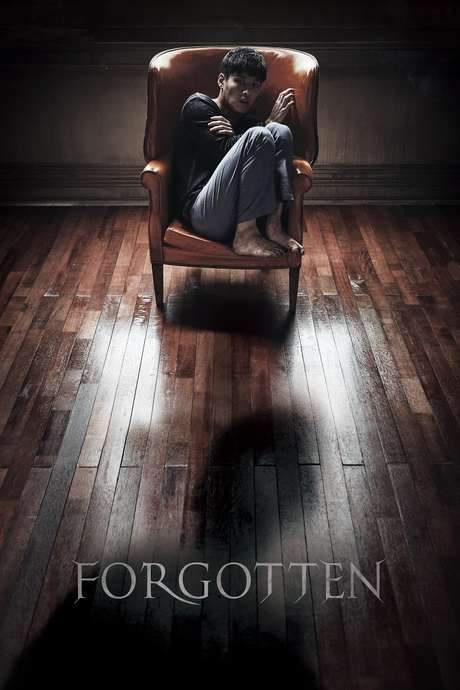
Forgotten
2017

The Locket
1946
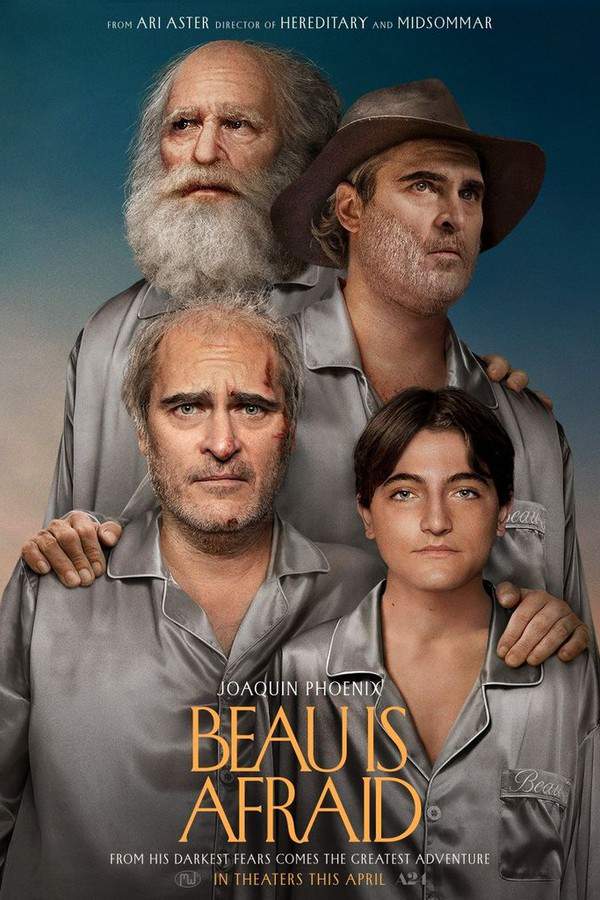
Beau Is Afraid
2023
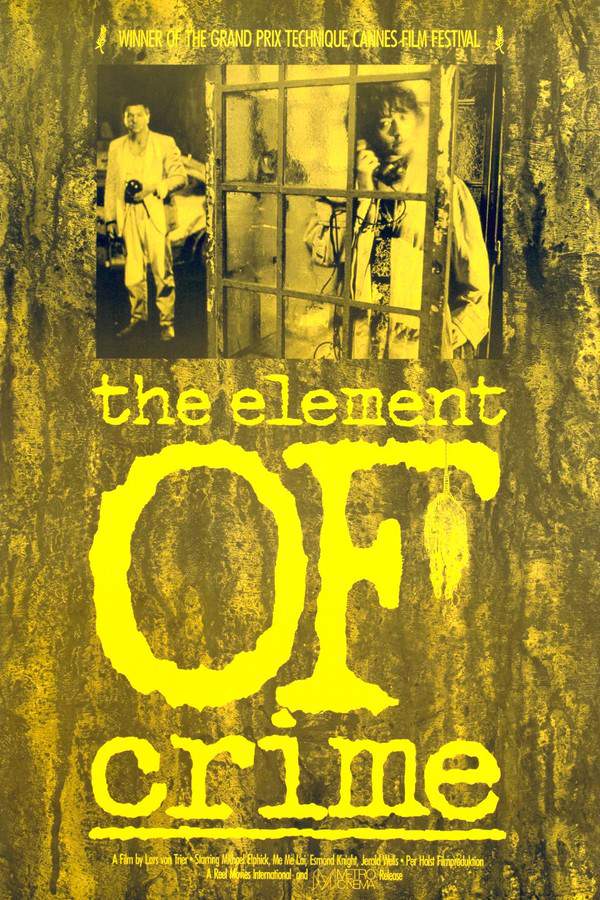
The Element of Crime
1984
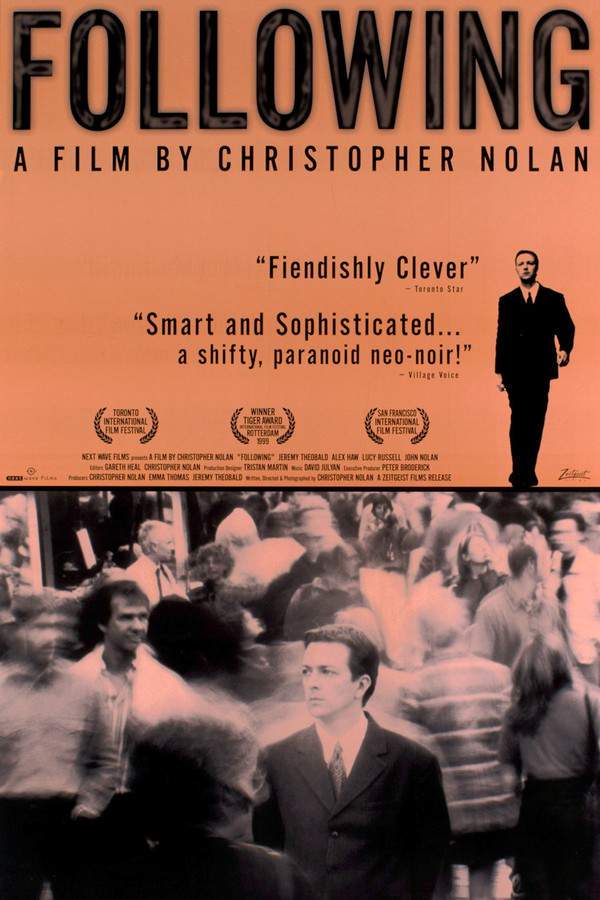
Following
1999

Level Cross
2024

The Forest of Love: Deep Cut
1000
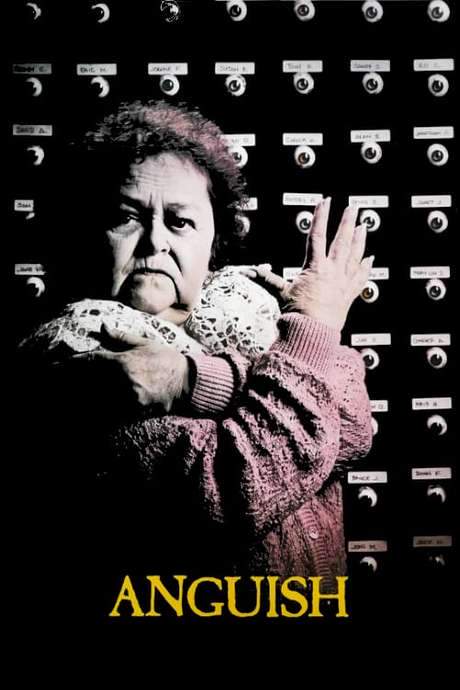
Anguish
1987
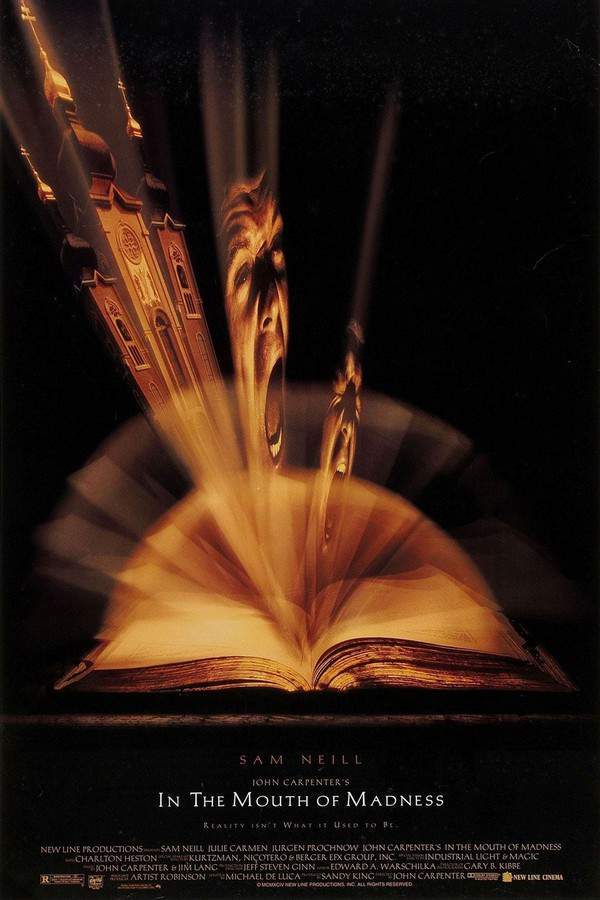
In the Mouth of Madness
1995

Cowards Bend the Knee
2003

Strange Circus
2005

The Image Threads
2010
Narrative Summary
The narrative pattern involves a protagonist stuck in a recursive sequence of events, often triggered by a traumatic incident. As the loop repeats, they are forced to confront their actions, guilt, or a fate they cannot change, leading to a deepening sense of despair and futility.
Why These Movies?
Movies are grouped here by their shared core premise of a punishing time loop and the resulting psychological unraveling. They create a specific, claustrophobic feeling of being trapped not just physically, but metaphysically, with a heavy focus on themes of fate and self-confrontation.
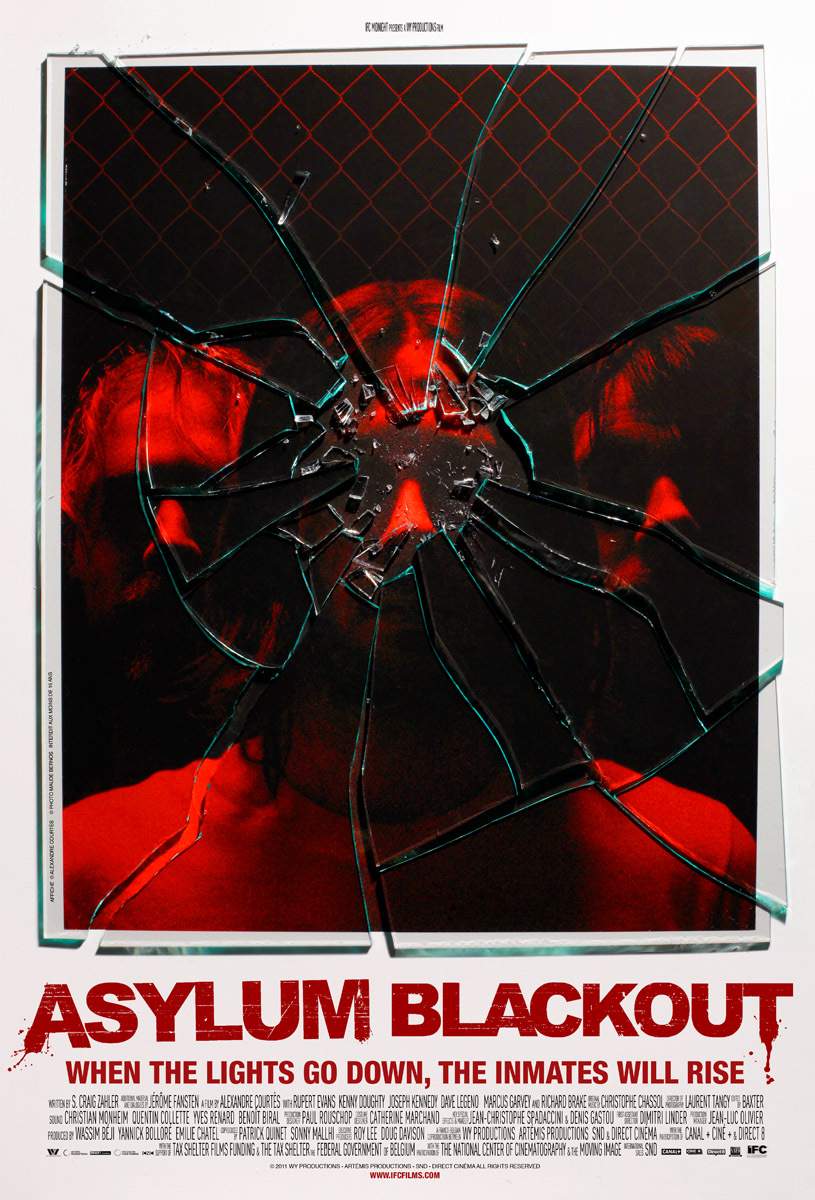
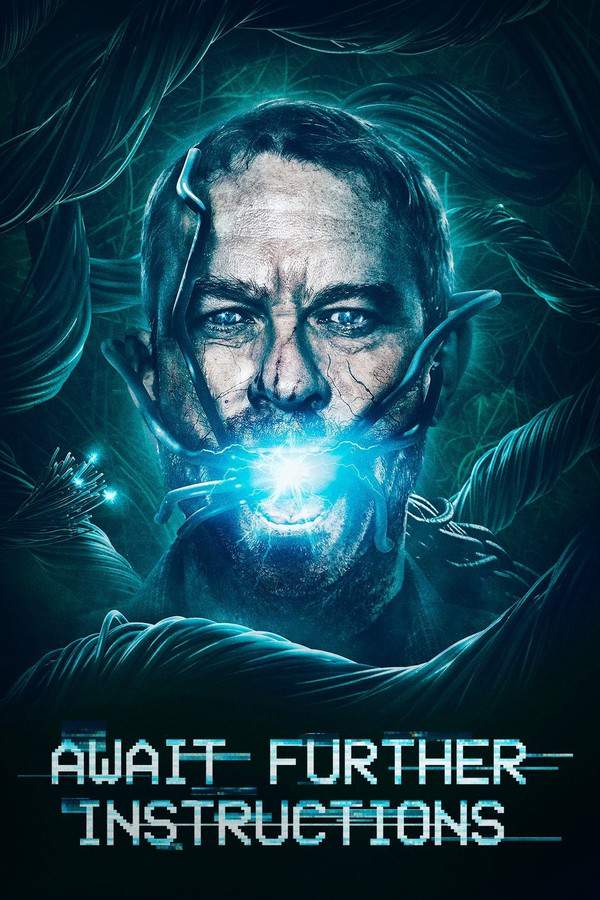
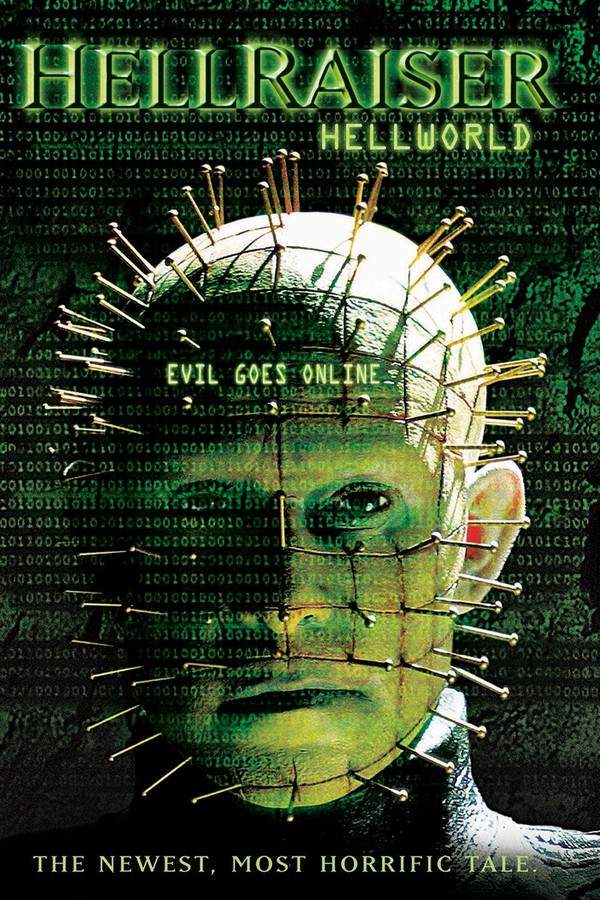
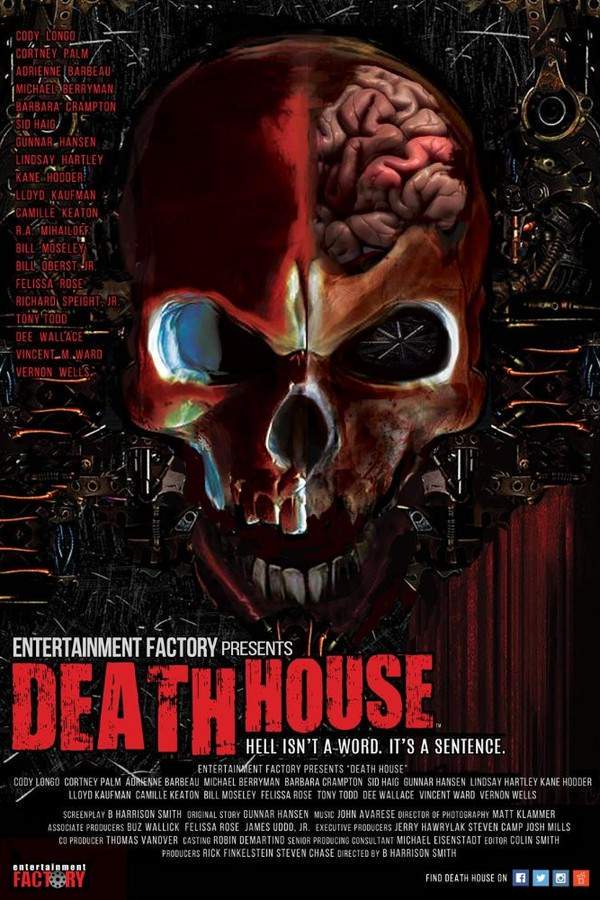
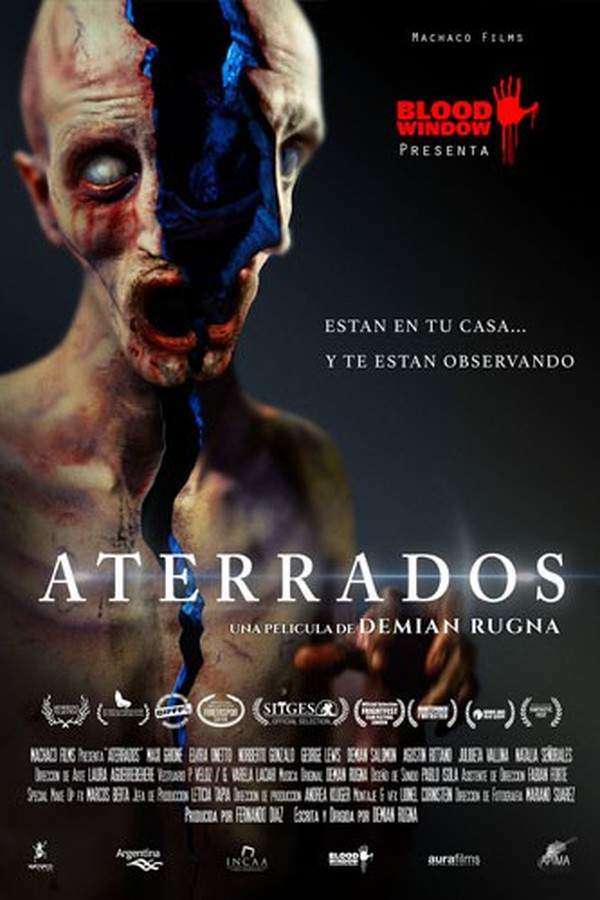
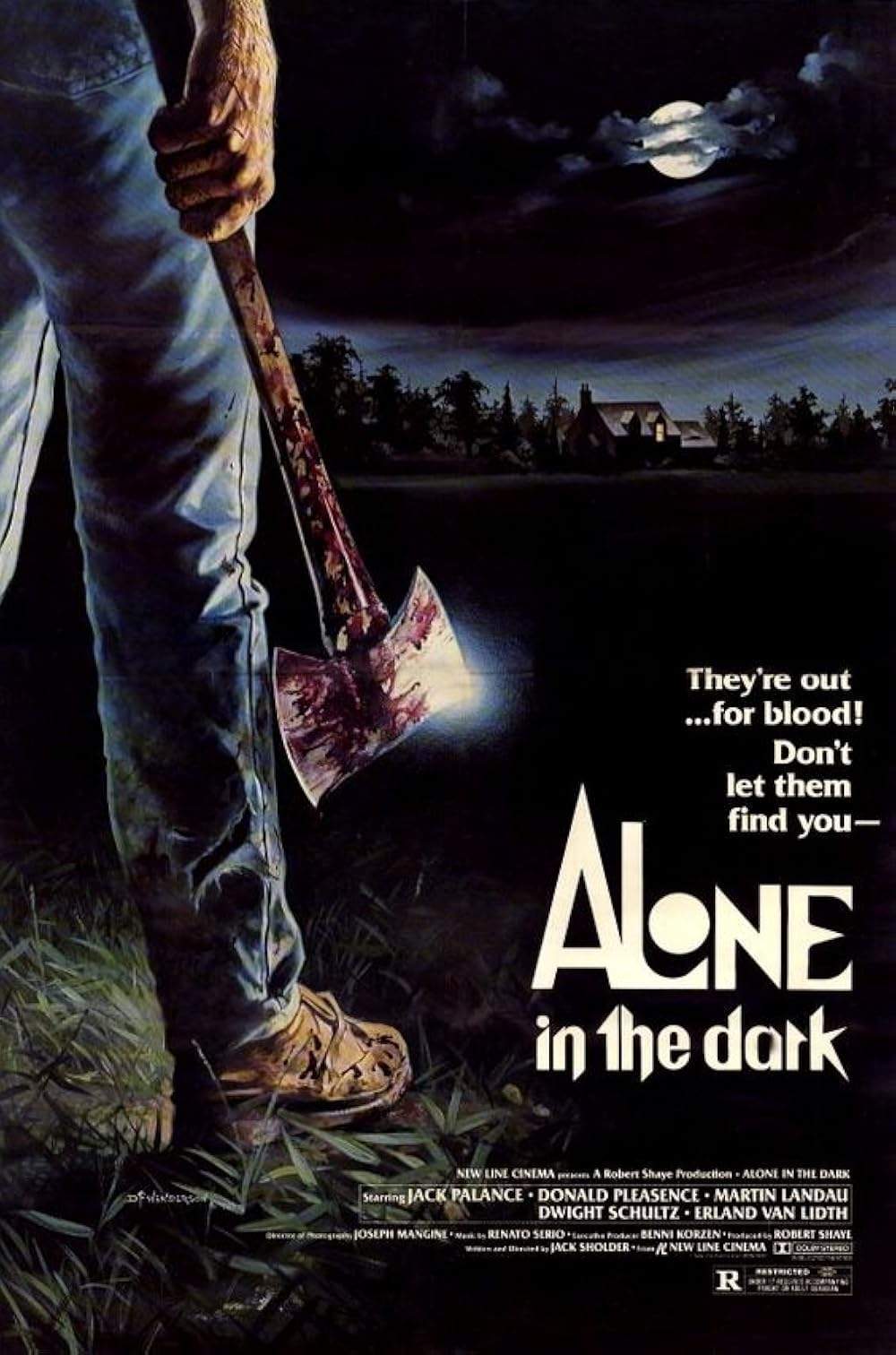
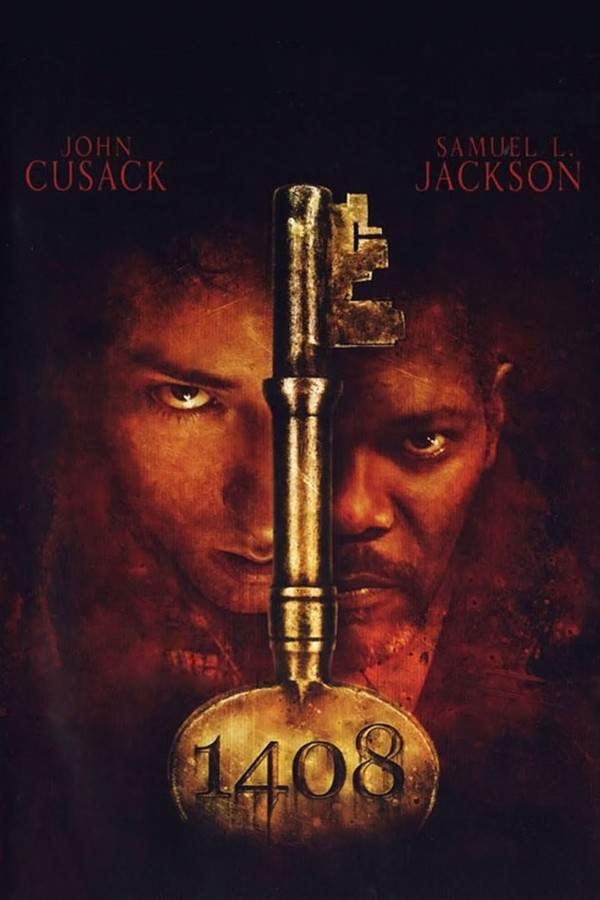
Claustrophobic psychological horror movies like Triangle
Stories where reality unravels and characters spiral into paranoia. For viewers who appreciated the mind-bending tension of Triangle, this section features similar movies. Discover psychological horror films with a fast pace, high intensity, and a focus on a character's desperate and paranoid unraveling in a confined setting.


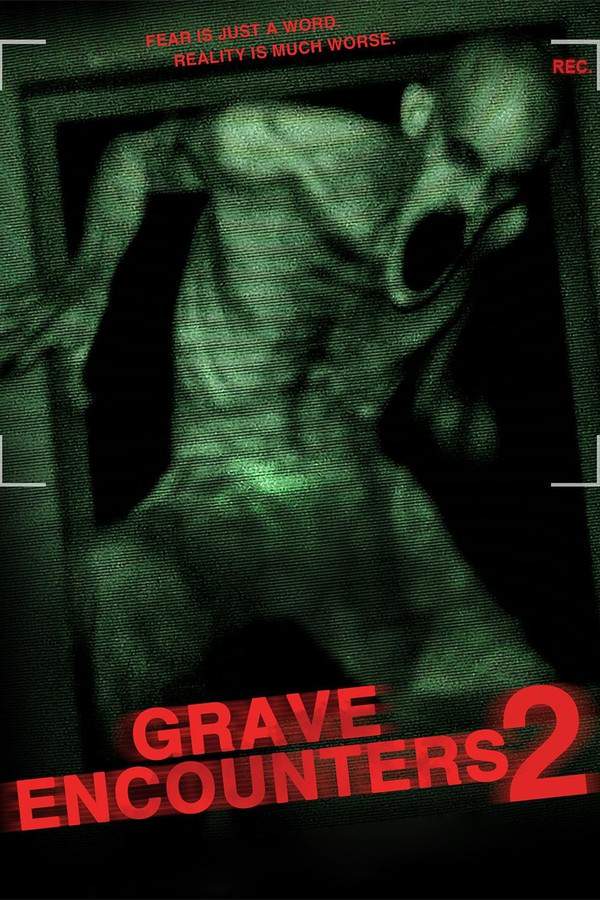
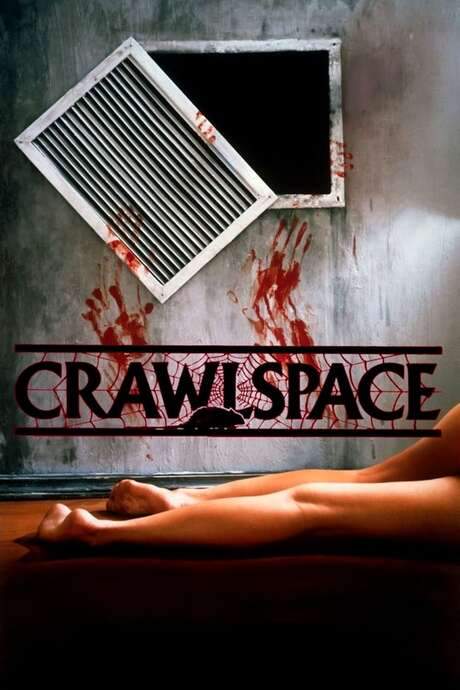




Narrative Summary
The narrative follows a character who is psychologically isolated, often in a confined space or situation. As external pressures mount and reality distorts, their mental state rapidly deteriorates. The story unfolds at a breakneck pace, leaving little room for respite as the character confronts their own crumbling sanity.
Why These Movies?
These films are connected by their overwhelming focus on a single character's psychological breakdown. They share a fast, frantic pacing, a dark and tense tone, and a high-intensity atmosphere that feels claustrophobic and desperate, prioritizing psychological horror over traditional scares.
Unlock the Full Story of Triangle
Don't stop at just watching - explore Triangle in full detail. From the complete plot summary and scene-by-scene timeline to character breakdowns, thematic analysis, and a deep dive into the ending - every page helps you truly understand what Triangle is all about. Plus, discover what's next after the movie.
Triangle Summary
Read a complete plot summary of Triangle, including all key story points, character arcs, and turning points. This in-depth recap is ideal for understanding the narrative structure or reviewing what happened in the movie.

Characters, Settings & Themes in Triangle
Discover the characters, locations, and core themes that shape Triangle. Get insights into symbolic elements, setting significance, and deeper narrative meaning - ideal for thematic analysis and movie breakdowns.


