Plot Explained Spoilers guaranteed!
Plot Explained

Browse by genre

Too Big to Fail (2011) movie poster

Characters & Themes

Too Big to Fail (2011) Characters, Setting & Themes Explained

Release, runtime and language
2011 · 97 mins · English
JustWatch #15,988 14
Directed by
Curtis Hanson
Starring
Paul Giamatti, Topher Grace, William Hurt, Billy Crudup, Tony Shalhoub, John Heard

Through interviews and archival footage, the documentary follows how Main Street suffered while Wall Street profited, offering an intimate examination of the 2008 financial crisis. It concentrates on the powerful men and women whose swift decisions over a few weeks shaped the global economy and affected the lives of ordinary people.

On this page (7)
  1. 1 Where to watch
  2. 2 Characters explained (10)
  3. 3 Where & when it takes place
  4. 4 Themes & meaning (3)
  5. 5 Character & meaning questions
  6. 6 Movie threads
  7. 7 Every angle

Where to watch

Where to Watch Too Big to Fail (2011)

Where can you watch Too Big to Fail? Stream, rent or buy it in the US, including on HBO Max, Amazon Video and Apple TV Store: current JustWatch availability with up-to-date prices.

Streaming availability powered by JustWatch

10 main characters · contains spoilers

Too Big to Fail Characters Explained: Who Is Who

The main characters of Too Big to Fail (2011), heroes and villains: what drives them, how they change over the course of the story and what each of them reveals about the film's bigger ideas.

  • Ben Bernanke (Paul Giamatti)

    Chairman of the Federal Reserve, he advocates for liquidity and steady policy while weighing political and market pressures. His approach is cautious but decisive, focusing on preventing a deflationary spiral and stabilizing credit. He works to build congressional support for emergency measures.

    • 💼 Federal Reserve
    • 🧠 Policy
    • 🗣️ Leadership
  • Henry Paulson (William Hurt)

    U.S. Treasury Secretary who drives the weekend banking talks and political negotiations. He balances urgency with political scrutiny, pushing for decisive actions to stabilize the financial system. His stance shapes the tempo and direction of the government’s response.

    • 💼 Treasury
    • 🧭 Crisis leadership
    • 🏛️ Government
  • Timothy Geithner (Billy Crudup)

    President of the Federal Reserve Bank of New York who coordinates with bank leaders and relays critical information to Washington. He acts as a bridge between the private sector and policymakers, navigating complex risk assessments. His role emphasizes pragmatism in crisis management.

    • 🏦 Central bank
    • 🧭 Coordination
    • 👥 Leadership
  • Dick Fuld (James Woods)

    Lehman Brothers’ CEO whose insistence on asset considerations contributes to the firm’s downfall. He embodies the high-risk culture and aggressive expansion that characterize the crisis. His decisions highlight the fragility of even the largest financial institutions.

    • 💼 Banker
    • 🧠 Strategy
    • ⚖️ Risk
  • Jamie Dimon (Bill Pullman)

    CEO of JPMorgan Chase who is part of the leadership deliberations and cautions against reckless exposure. He brings a pragmatic viewpoint to the rescue talks and reflects the competing interests among major banks. His stance helps shape the coalition of private sector support.

    • 💼 Banking
    • 🧭 Strategy
    • 🤝 Collaboration
  • Christine Lagarde (Laila Robins)

    French Finance Minister who warns that the crisis extends beyond the U.S. and has European repercussions. She underscores international concern and the need for coordinated action to prevent global fallout. Her presence highlights the global dimension of financial instability.

    • 🌍 International
    • 🧭 Policy
    • 🛡️ Europe
  • Lloyd Blankfein (Evan Handler)

    CEO of Goldman Sachs who participates in the crisis leadership circle, representing major market players. He embodies the pressures facing investment banks during the rescue discussions. His perspective emphasizes systemic implications for the market’s confidence.

    • 💼 Investment Banking
    • 🧭 Leadership
    • 🧩 Systemic
  • Vikram Pandit (Ajay Mehta)

    CEO of Citigroup who is present at the discussions about bank support and capital needs. He represents the urgency of stabilizing one of the largest credit institutions. His involvement reflects the broader scramble to shore up the financial system.

    • 💼 Banking
    • 🧭 Crisis response
    • 🏛️ Regulation
  • John Thain (Matthew Modine)

    CEO of Merrill Lynch who features in the landscape of mergers and acquisitions during the crisis. His presence illustrates the consolidation moves and the shifting alliances among major firms. His actions contribute to the evolving rescue dynamics.

    • 💼 Finance
    • 🧭 Mergers
    • 🔄 Consolidation
  • Ruth Porat (Jennifer Van Dyck)

    CFO involved in high-level discussions about bank balance sheets and risk management. She represents the governance side of crisis response and the emphasis on financial health and transparency. Her role signals the importance of financial stewardship during turbulent times.

    • 📊 Finance
    • 🧭 Governance
    • 🔬 Risk

Last updated: October 04, 2025 at 08:16

Was this helpful?

Setting

Where and When Does Too Big to Fail Take Place?

The setting of Too Big to Fail (2011): the year and time period, the places and locations, and how they shape the characters, the mood and the tension of the story.

Time period

2008–2009

Set during the height of the Great Recession, the film traces the 2008 mortgage meltdown and the ensuing push to stabilize credit. It covers Bear Stearns’ collapse, Lehman Brothers’ bankruptcy, and the early implementation of TARP. The period is defined by frantic negotiations, emergency measures, and the fear of a broader economic collapse.

Location

New York City, Washington, D.C.

The story unfolds across the United States’ financial heartlands, centered on Wall Street in New York and the policy corridors in Washington. It portrays the interplay between private banks, regulators, and the political climate during a systemic crisis. The locations symbolize the convergence of markets, policy, and public accountability.

  • 🏙️ Financial hubs
  • 🏛️ Government centers
  • 💼 Banking

Last updated: October 04, 2025 at 08:16

Was this helpful?

3 major themes

Too Big to Fail Meaning: Themes & Message Explained

What is Too Big to Fail (2011) really about? The emotional, social and philosophical themes the film keeps returning to, its symbolism and the message beneath the surface.

  • Crisis Management

    The film centers on rapid decision making under pressure, where Paulson and Bernanke coordinate actions with the nation’s biggest banks. It highlights the delicate balance between preventing a financial meltdown and avoiding political or market backlash. Leadership is tested as executives and policymakers navigate incomplete information and high stakes.

  • Bailouts & Moral Hazard

    TARP and capital injections are depicted as tools to restore liquidity, even as they raise questions about moral hazard and long-term consequences. The narrative weighs the immediate need to stabilize credit against the risk that future incentives encourage risky behavior. Public accountability and political calculations complicate the rescue efforts.

  • Systemic Risk

    Lehman’s collapse exposes how interconnected financial institutions are and how the failure of one firm can ripple through the entire system. Government actions aim to curb panic and restore confidence, but the crisis reveals gaps in oversight and coordination. The tension between market forces and regulatory intervention is a constant undercurrent.

Last updated: October 04, 2025 at 08:16

Was this helpful?

Character & theme questions

Too Big to Fail Characters & Meaning: Your Questions Answered

The questions people ask about Too Big to Fail (2011): who the characters really are, their relationships, what the symbols mean, where it takes place and what the movie is really about. Each answer contains spoilers.

Q1

Where is the movie set?

The movie takes place primarily in New York City (Wall Street) and Washington, D.C., showing the financial hubs where major banking decisions were made and the government corridors where policy responses were shaped.

  • wall street
  • new york
  • washington
  • financial district
  • government
Q2

When does the movie take place?

The film is set during 2008–2009, at the height of the Great Recession. It covers the critical weeks when Bear Stearns collapsed, Lehman Brothers went bankrupt, and the TARP program was implemented.

  • 2008
  • 2009
  • great recession
  • financial crisis
  • bear stearns
  • lehman brothers
Q3

What is the Crisis Management theme about?

The film depicts how Treasury Secretary Henry Paulson and Federal Reserve Chairman Ben Bernanke made rapid decisions under extreme pressure, coordinating with the nation's largest banks to prevent a total economic collapse while navigating incomplete information and political scrutiny.

  • crisis management
  • henry paulson
  • ben bernanke
  • decision making
  • leadership
Q4

What does the movie say about bailouts and moral hazard?

The film explores how TARP and capital injections were used to restore liquidity to the banking system, while raising difficult questions about moral hazard, whether bailing out failing institutions would encourage future risky behavior that could lead to another crisis.

  • tarp
  • bailouts
  • moral hazard
  • taxpayer money
  • financial rescue
Q5

What is systemic risk in the movie?

Lehman Brothers' collapse demonstrates how interconnected the financial system is, one firm's failure can ripple through entire markets. The movie shows how government actions tried to restore confidence but revealed significant gaps in regulatory oversight and coordination.

  • systemic risk
  • lehman brothers
  • interconnectedness
  • financial system
  • regulations
Q6

Who is Henry Paulson in the movie?

Henry Paulson, played by William Hurt, is the U.S. Treasury Secretary who drives the weekend banking talks and political negotiations. He pushes for decisive government action to stabilize the financial system while balancing urgent crisis needs with political scrutiny.

  • henry paulson
  • treasury secretary
  • william hurt
  • government response
Q7

Who is Ben Bernanke in the movie?

Ben Bernanke, played by Paul Giamatti, is the Chairman of the Federal Reserve who advocates for liquidity and steady monetary policy. He works to prevent a deflationary spiral and stabilize credit while building congressional support for emergency measures.

  • ben bernanke
  • federal reserve
  • paul giamatti
  • monetary policy
Q8

Who is Dick Fuld in the movie?

Dick Fuld, played by James Woods, is the CEO of Lehman Brothers. His refusal to accept certain asset valuations contributes to the firm's downfall, embodying the high-risk culture that characterized the years leading up to the crisis.

  • dick fuld
  • lehman brothers
  • james woods
  • ceo
  • bankruptcy
Q9

Who is Timothy Geithner in the movie?

Timothy Geithner, played by Billy Crudup, is the President of the Federal Reserve Bank of New York who acts as a bridge between private bank leaders and Washington policymakers. He coordinates critical information flow and navigates complex risk assessments during the crisis.

  • timothy geithner
  • federal reserve new york
  • billy crudup
  • coordination
Q10

Who is Jamie Dimon in the movie?

Jamie Dimon, played by Bill Pullman, is the CEO of JPMorgan Chase who participates in the leadership deliberations during the crisis. He cautions against reckless exposure and brings a pragmatic viewpoint to the rescue talks, representing competing interests among major banks.

  • jamie dimon
  • jpmorgan chase
  • bill pullman
  • bank ceo
Q11

Does the movie cover international aspects of the crisis?

Yes, the film includes French Finance Minister Christine Lagarde (played by Laila Robins) who warns that the crisis extends beyond the United States and has significant European repercussions, highlighting the global dimension of the financial instability.

  • christine Lagarde
  • europe
  • international
  • global financial crisis
  • france

Movie threads

More Movies Like Too Big to Fail, by Mood & Story

Curated lists built around what makes Too Big to Fail tick: the same mood, the same kind of story or the same emotional payoff. Each list explains why these movies belong together.

Crisis management movies like Too Big to Fail

Stories of powerful figures racing against time to avert systemic collapse. If you liked the high-stakes tension of Too Big to Fail, explore other movies like it that delve into real-world crises. These similar films focus on procedural drama, rapid-fire decision-making, and the heavy burden of leadership during events that threaten to collapse entire systems.

  • tense
  • urgent
  • high-stakes
  • sober
  • gripping
  • anxious
  • Tone: tense, sober, urgent
  • Pacing: fast, relentless
Why these movies?

The story pattern: These narratives often unfold in real-time or over a condensed, urgent period. They follow a large ensemble of characters, usually based on real people, as they navigate a cascade of escalating problems. The conflict is less about physical danger and more about intellectual, political, and ethical challenges, where a single misstep can have catastrophic global consequences.

Why they belong together: Movies are grouped here for their shared focus on tense, fast-paced procedural storytelling during a major crisis. They deliver a sober, gripping, and anxious viewing experience defined by high-stakes negotiations, complex systemic problems, and the heavy weight of responsibility.
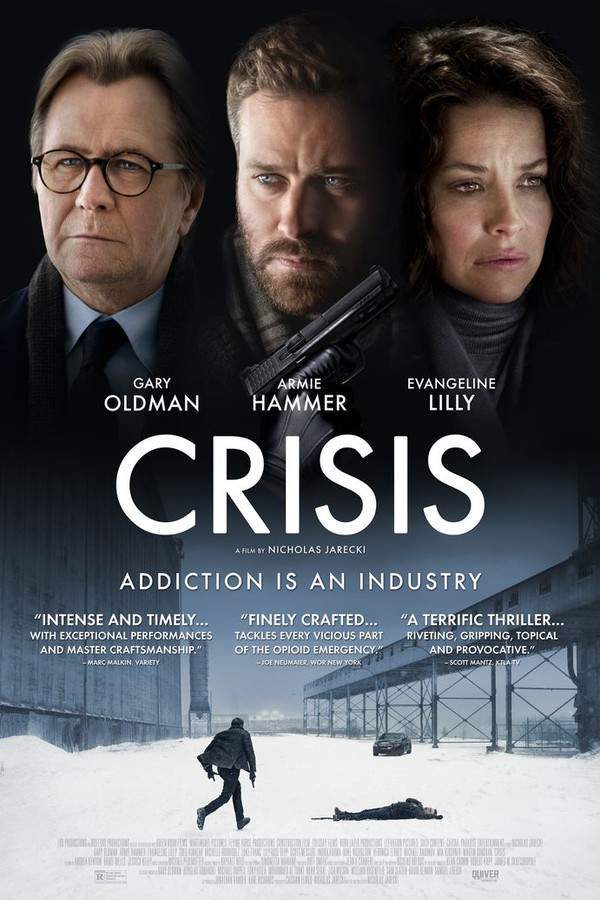
Systemic analysis dramas like Too Big to Fail

Unflinching examinations of flawed systems that leave you with uneasy questions. Fans of Too Big to Fail who appreciate its deep dive into a complex system will enjoy these similar movies. These films offer a sobering look at how large-scale systems operate, fail, and are patched up, often ending on a bittersweet note that questions the true cost of stability.

  • sober
  • contemplative
  • gripping
  • heavy
  • thought-provoking
  • uneasy
  • Tone: sober, contemplative, bittersweet
  • Pacing: steady, detailed
Why these movies?

The story pattern: The narrative pattern involves peeling back the layers of a complex institution to reveal the interconnected causes of a major failure. The journey is one of discovery and grim realization, where solving the immediate crisis often comes at the cost of addressing the root causes, leading to an ending that mixes relief with cynicism or unease.

Why they belong together: These films are connected by their analytical approach to storytelling, heavy emotional weight, and a shared tone of sober contemplation. They prioritize understanding a complex problem over simple heroics, resulting in a similar bittersweet and thought-provoking feeling long after the credits roll.

Every angle

Too Big to Fail (2011) Explained: Plot, Timeline & Characters

Everything about Too Big to Fail in one place: what happens in the plot summary, the timeline in chronological order, the characters and meaning and a spoiler-free summary. What's After the Movie adds the cast, box office and post-credit scenes.

Coming soon on iOS and Android

The Plot Explained Movie Summary App

Plot summaries, endings explained and timelines on your phone. Catch up on any movie in minutes, save your favorites and never miss a twist again.

Be the first to know when we launch. Your email stays private, always.

Learn more about the app