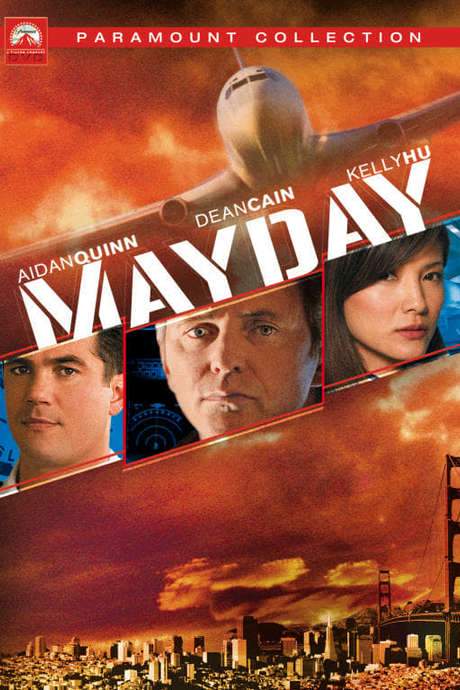
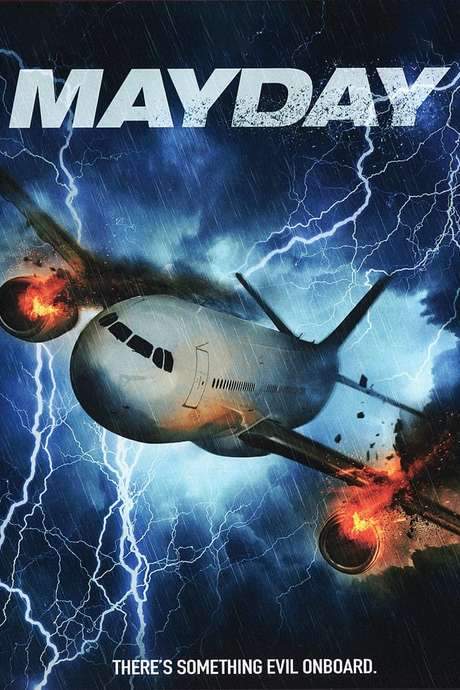
A state-of-the-art supersonic passenger jet, Pacific Global Flight 52, is cruising from San Francisco to Tokyo when disaster strikes. At about 12 miles (19.2 km) above the Pacific, an errant U.S. Navy missile slams into the airliner, crippling it in an instant. The blast kills the flight crew and leaves the surviving crew and most of the passengers either near death, seriously injured, or psychologically shaken. The cabin erupts into confusion, fear, and a tense scramble to comprehend what has happened while the aircraft careens through the sky on a perilous course toward an uncharted fate.
Amid the mounting danger, a small group of survivors must confront an almost impossible mission: land the aircraft safely. Among them, John Berry Aidan Quinn, a weekend pilot who is forced to take command when the situation spirals beyond control, must marshal every bit of skill and judgment he has. He is joined by flight attendant Sharon Crandall Kelly Hu, whose calm presence and practical instincts help steady the plane’s frightened passengers. Together they face severe weather, nagging technical problems, and the creeping fear that time is running out for everyone aboard the stricken jet.
Back on the ground, a shadowy effort emerges to keep the incident from the public eye. Anne Metz Gail O'Grady, representing the insurance company, and senior executives from Pacific Global Airlines weigh their options as they weigh the costs of disclosure against the pressure to cover up what happened. The situation is complicated by weather conditions, internal intrigues, and the persistent fragility of the aircraft, all of which threaten the carefully choreographed effort to minimize the truth.
Into this maelstrom steps a military dimension: Lt. Peter Matos is sent to destroy the crippled airliner, a drastic order that would erase the evidence in an instant. The pilot’s response—refusing to obey—mounts a critical test of duty, courage, and conscience as the crew and passengers cling to any chance of survival.
Meanwhile, Admiral Randolf Hennings [Charles S. Dutton] defies his superiors and pledges to document the incident honestly in his report to the Pentagon, insisting that the full story must be told. His commitment pits accountability against expediency and raises the stakes for everyone involved in the unfolding cover-up.
In the end, endurance and resolve carry the day. Berry and Sharon Crandall survive another attempt to bring the jet down and manage to steady the aircraft long enough to guide it toward a safe landing in San Francisco. The ordeal leaves a profound mark on those who lived it, underscoring themes of resilience, responsibility, and the hard choices that accompany a crisis of extraordinary scale.