Plot Explained Spoilers guaranteed!
Plot Explained

Browse by genre

To an Unknown God (1977) movie poster

Timeline

To an Unknown God (1977) Timeline Explained – Every Event in Order

Release, runtime and language
1977 · 104 mins · Spanish
Directed by
Jaime Chávarri
Starring
Ángela Molina, Héctor Alterio, Mirta Miller, Xabier Elorriaga, Mercedes Sampietro, Rosa Valenty

José, a fifty‑year‑old gay magician, feels compelled to travel back to Granada, the city of his childhood. He returns hoping to confront the painful memories of tragic events that have haunted him, yet also perhaps to finally lay those wounds to rest.

On this page (5)
  1. 1 Events in order (12)
  2. 2 Timeline questions answered
  3. 3 Movie threads
  4. 4 Movies like To an Unknown God
  5. 5 Every angle

12 events in order · contains spoilers

To an Unknown God Timeline: Events in Chronological Order

Every key event of To an Unknown God (1977) in order, scene by scene, with when and where it takes place. Use it to untangle flashbacks, time jumps and parallel storylines, to refresh your memory before the sequel or to find the exact scene you are thinking of.

  1. Madrid life and Miguel affair

    José, a middle-aged magician, lives discreetly in Madrid and carries an ongoing affair with the younger politician Miguel. Their meetings are quiet, but José's thoughts are haunted by memories and longing. He presents himself as elegant and composed, while deep down he fears losing himself in the past.

    When
    present day
    Where
    Madrid
  2. Return to Granada and recall of childhood in 1936

    Now in his fifties, José travels back to Granada and replays his childhood against the backdrop of the spring 1936 outbreak. The city and its people become a stage for his recollections of fear, love, and a youth shaped by war. The memory asserts itself with overwhelming clarity, pulling him away from his present life.

    When
    Spring 1936
    Where
    Granada
  3. Love for Lorca and youthful affair

    In his memories, José falls in love with Federico García Lorca and has a youthful affair with one of Lorca's lovers. The romance is set amid Granada's artistic energy and the looming violence of the Civil War. This early passion seeds a lifelong obsession that will color all later experiences.

    When
    1930s
    Where
    Granada
  4. Lorca's murder and the Civil War's shadow

    The memory includes Lorca's murder by Franco's agents, a trauma that marks the city and José's psyche. His tenderness gives way to horror as the war consumes the world he cherished. The event deepens his fixation on Lorca and on the fragility of art under repression.

    When
    1936
    Where
    Granada, Spain
  5. Granada visit to the obsessed woman and theft of the photo

    José revisits a Granada woman who is also obsessed with Lorca's memory, seeking remnants of the past. He steals a photograph of the boy from his first sexual encounter, a tangible relic that ties memory to identity. The act highlights how memory drives his present actions.

    When
    Granada visit (first trip)
    Where
    Granada
  6. Madrid party and reunion with a pianist

    Returning to Madrid, José attends a party that feels like a search for youth and belonging. There he encounters a pianist with whom he had sexual relations years earlier, though the man can no longer remember him. The encounter underscores the fragility of memory and the gap between past desire and present reality.

    When
    After Granada trip
    Where
    Madrid
  7. Pianist's memory fades; José feels erased

    At the party, the pianist does not remember José from years ago, revealing how memory and recognition fade with time. This lapse deepens José's sense of erasure and loneliness. The mismatch between remembered intensity and current absence intensifies his inner isolation.

    When
    During Madrid party
    Where
    Madrid
  8. Torment of the past in Madrid

    Back in Madrid, José is tormented by his past and seeks a semblance of peace. He moves through the city as a haunted figure, unable to fully engage with the present. His life becomes defined by the weight of memory rather than the promise of new experiences.

    When
    present day
    Where
    Madrid
  9. Ode to Walt Whitman and the urge for solitude

    He listens to a taped recording of Lorca's Ode to Walt Whitman, a moment that crystallizes his longing for transcendence and solitude. The work intensifies his yearning to live apart from conventional happiness and social ties. He contemplates a life spent in quiet devotion to an unreachable ideal.

    When
    present day
    Where
    Madrid
  10. Miguel returns and the longing for continuity vs loneliness

    Miguel returns to José's bed and hopes to continue their affair, offering the possibility of romance and companionship. José, however, seems drawn toward solitude and toward the memory-laden path he has chosen. The tension between human connection and existential loneliness defines their dynamic.

    When
    present day
    Where
    Madrid
  11. Realization of being alone with his unknown God

    José realizes that he is truly alone in his world, confronted with an unknown God to whom the film is dedicated. The realization closes the loop of his lifelong obsession with García Lorca and sets the tone for a solitary, self-directed life. Peace appears as a distant horizon, suffused with memory rather than future intimacy.

    When
    present day
    Where
    Madrid
  12. Life defined by Lorca obsession

    The film frames José's entire life as colored by his devotion to García Lorca, an unknown God who guides his art and sexuality. This reverence shapes every relationship and memory, leaving him isolated but faithful to the ideal. In the end, he remains bonded to memory, seeking solace in solitude.

    When
    present day
    Where
    Madrid

Last updated: February 18, 2026 at 23:46

Was this helpful?

Timeline questions answered

To an Unknown God Timeline Explained: Your Questions Answered

When does it happen, and why in that order? The questions people ask about the chronology of To an Unknown God (1977): time jumps, flashbacks, cause and effect between scenes and the correct order of events, each answered with spoilers.

Q1

Why does José return to Granada?

José returns to Granada to confront the painful memories of his childhood during the Spanish Civil War in 1936. The city represents his past, where he first experienced love, loss, and his formative homosexual experiences. He hopes to finally lay these haunting memories to rest after decades of being consumed by them.

Foreshadowing: The film establishes early that José's thoughts are deeply rooted in his Granada childhood, making his return feel inevitable rather than sudden.

  • José
  • Granada
  • childhood
  • memories
  • Spanish Civil War
  • return
Q2

What was José's relationship with Federico García Lorca?

José fell in love with Federico García Lorca during his youth in Granada in the 1930s. He also had a youthful affair with one of Lorca's lovers, which seeded a lifelong obsession with the poet. Lorca became a kind of personal god to José, a figure representing art, forbidden love, and the lost world of pre-war Spain.

Foreshadowing: The film makes clear from the start that José's entire life has been colored by his devotion to Lorca.

  • Lorca
  • José
  • love
  • affair
  • poet
  • obsession
  • Granada
Q3

Why does José steal the photograph from the woman in Granada?

José steals a photograph of the boy who accompanied his first sexual encounter because it represents a tangible connection to his lost youth and identity. The act demonstrates how memory drives his present actions, he seeks physical remnants of a past that refuses to stay buried.

Foreshadowing: The theft occurs during his first trip to Granada, revealing his desperation to hold onto fading memories.

  • photograph
  • theft
  • memory
  • youth
  • identity
  • Granada
Q4

Why doesn't the pianist recognize José at the party?

The pianist does not remember José from their sexual relationship years earlier, despite José clearly remembering him. This moment underscores how memory and recognition fade with time, it highlights José's sense of erasure and the gap between his intense memories and the reality that others have moved on.

Foreshadowing: This encounter follows José's return from Granada, where he was already grappling with the power of memory.

  • pianist
  • memory
  • recognition
  • party
  • Madrid
  • erasure
Q5

What is the significance of the Ode to Walt Whitman in the film?

José listens to Lorca's Ode to Walt Whitman, a poem that celebrates love and solitude while grappling with identity and transcendence. The recording crystallizes José's longing to live apart from conventional happiness and social ties, reinforcing his decision to embrace solitude over connection.

Foreshadowing: The ODE appears late in the film, after José has already begun his psychological reckoning.

  • Ode to Walt Whitman
  • Lorca
  • solitude
  • transcendence
  • poetry
Q6

Why does José choose solitude over his relationship with Miguel?

José chooses solitude because his lifelong obsession with Lorca and the past has left him emotionally unavailable for genuine connection in the present. While Miguel offers companionship and continuity, José is drawn toward the memory-laden path he has chosen, preferring his internal world of recollection to the demands of a real relationship.

Foreshadowing: The tension between connection and isolation runs throughout the film, culminating in José's final decision.

  • Miguel
  • José
  • solitude
  • relationship
  • choice
  • loneliness
Q7

What does "unknown God" mean in the context of the film?

The "unknown God" refers to Federico García Lorca, whom José has elevated to a quasi-religious status. Lorca represents an unattainable ideal, art, lost love, and a vanished world. José's devotion to this "god" has shaped his entire life, leaving him isolated but faithful to an unreachable ideal rather than living in the present.

Foreshadowing: The film's dedication to "an unknown God" foreshadows José's final realization of his spiritual and emotional isolation.

  • unknown God
  • Lorca
  • devotion
  • ideal
  • isolation
  • faith
Q8

How did Lorca's murder affect José's life?

Lorca's murder by Franco's agents in 1936 marked José psychologically, deepening his fixation on the poet and on the fragility of art under repression. The trauma transformed his tenderness into horror as the war consumed the world he cherished, cementing his lifelong obsession with Lorca as a way of preserving what was lost.

Foreshadowing: This event occurs during José's 1936 memories, serving as the foundational trauma that drives his adult behavior.

  • Lorca
  • murder
  • Franco
  • Civil War
  • trauma
  • loss
Q9

What does José's realization of being alone mean at the end of the film?

José realizes he is truly alone in his world, having devoted his life to an unattainable ideal (Lorca) rather than to human connections. This realization closes the loop of his lifelong obsession, setting the tone for a solitary, self-directed life. Peace remains distant, suffused with memory rather than future intimacy.

Foreshadowing: The ending follows his listening to the Ode to Walt Whitman and his choice to let Miguel go.

  • alone
  • solitude
  • ending
  • realization
  • God
  • peace
Q10

Why is José's obsession with Lorca so central to the film?

José's obsession with Lorca colors every aspect of his life, his art, his sexuality, and his relationships. This reverence leaves him isolated but faithful to an ideal that cannot be reached. The film presents this obsession as both his defining characteristic and his greatest source of suffering.

Foreshadowing: The film establishes early that José is a man "whose thoughts are deeply rooted" in this obsession.

  • obsession
  • Lorca
  • art
  • sexuality
  • isolation
  • devotion

Movie threads

More Movies Like To an Unknown God, by Mood & Story

Curated lists built around what makes To an Unknown God tick: the same mood, the same kind of story or the same emotional payoff. Each list explains why these movies belong together.

Movies about being haunted by the past like To an Unknown God

Characters compelled to revisit the scenes of their most painful memories. Explores films where characters, like in To an Unknown God, are drawn back to confront painful memories. If you enjoyed this melancholic journey into grief and memory, you'll find similar stories of psychological reckoning and unfinished business with the past.

  • haunted
  • nostalgic
  • brooding
  • yearning
  • grief
  • memory
  • Tone: melancholic, reflective, bleak
  • Pacing: slow, deliberate
Why these movies?

The story pattern: The narrative often unfolds through a mix of present-day journeying and non-linear flashbacks, mirroring the protagonist's fragmented memory. The conflict is internal and psychological, centered on acceptance, understanding, or the final surrender to an unchangeable loss. The resolution is typically bittersweet or bleak, as the past cannot be rewritten, only endured.

Why they belong together: These films share a profound emotional weight, a melancholic tone, and a slow, reflective pacing that suits their introspective nature. They are united by themes of memory, grief, and the indelible impact of history on the individual psyche.
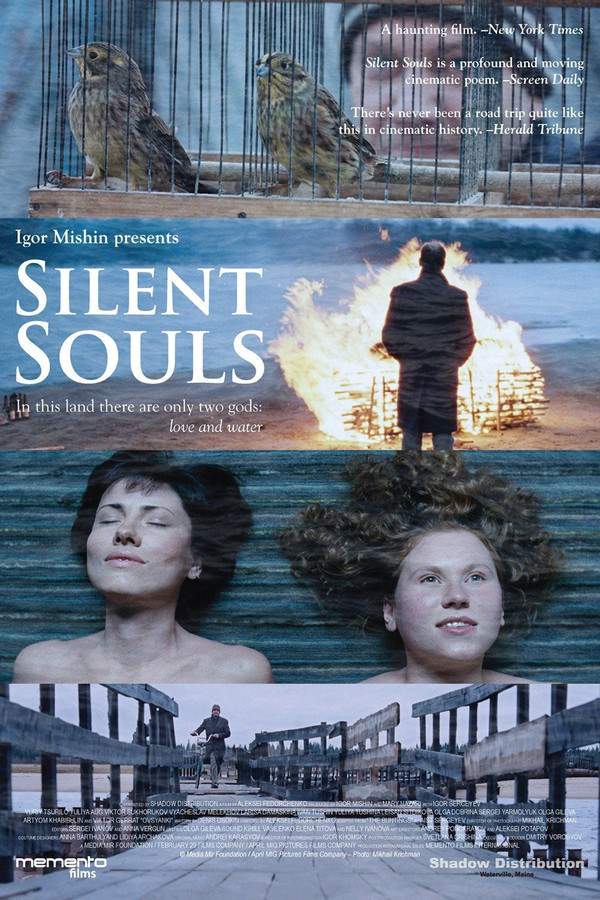
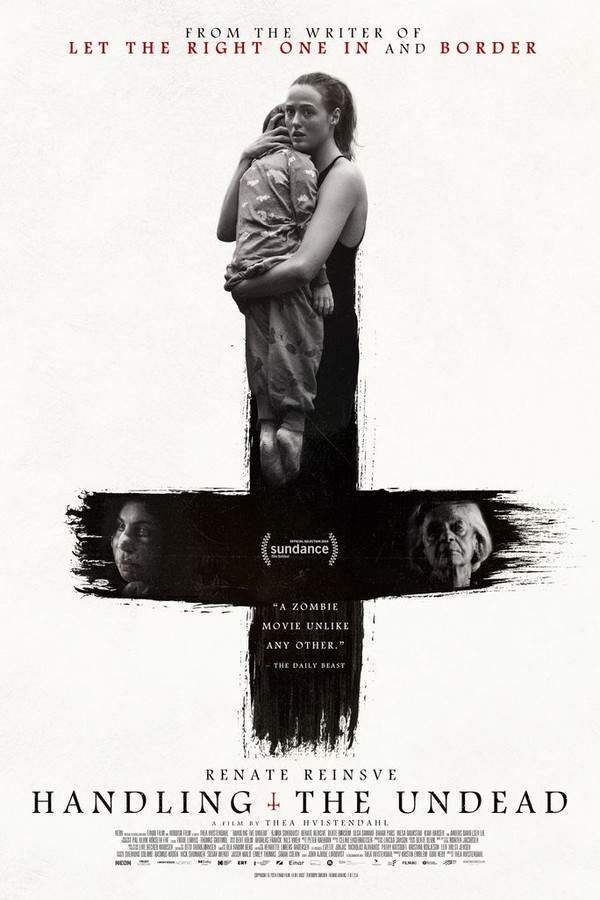
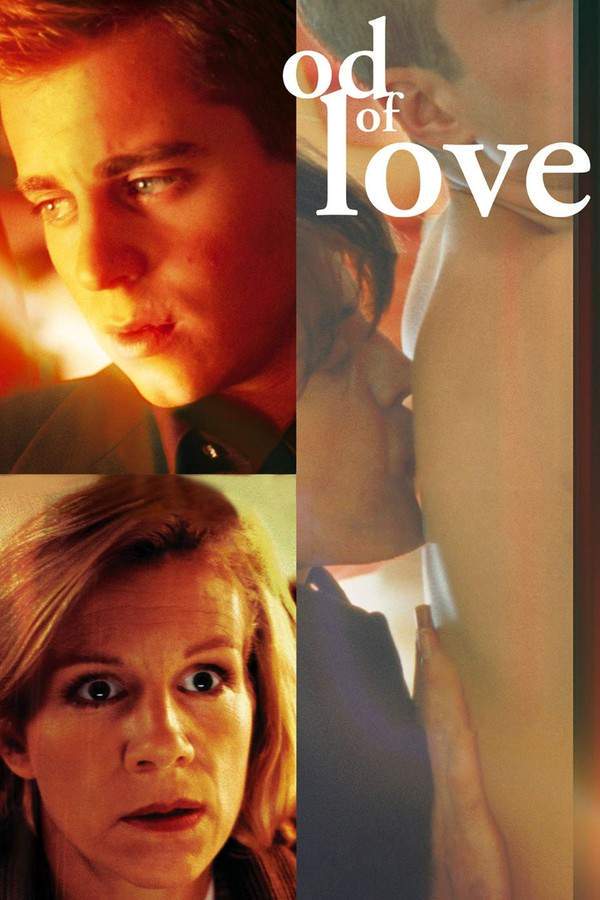
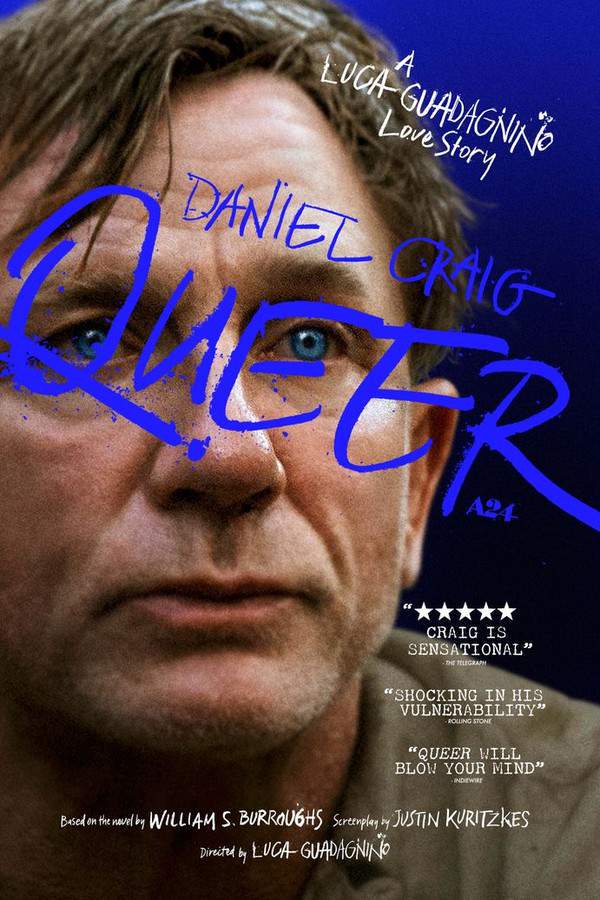
Melancholic character study movies similar to To an Unknown God

Intimate, slow-paced explorations of lonely souls grappling with profound sadness. A collection of poignant films that, like To an Unknown God, offer a slow-burn look into a character's internal world. If you appreciated the heavy emotional weight and reflective pacing of José's story, you'll find other intimate portraits of loneliness and unresolved pain.

  • melancholic
  • lonely
  • brooding
  • reflective
  • slow burn
  • character driven
  • Tone: melancholic, lonely, brooding
  • Pacing: slow, reflective
Why these movies?

The story pattern: The narrative structure is often simple or episodic, serving as a frame for the character's internal journey. The primary tension stems from their psychological unrest and their relationship with memory or unattainable ideals. The arc is rarely about external achievement but an internal shift, often culminating in a quiet, resigned, or bleak acceptance of their emotional state.

Why they belong together: This grouping is defined by a consistent, heavy mood. The films share a melancholic tone, slow pacing that allows for reflection, and a primary focus on the intricate details of a character's emotional landscape rather than external events.

If you liked this

Movies Like To an Unknown God

Similar movies to To an Unknown God: the same genre, themes or kind of story. Each one comes with its own plot summary, timeline and ending explained.

Browse all movie summaries

Every angle

To an Unknown God (1977) Explained: Plot, Timeline & Characters

Everything about To an Unknown God in one place: what happens in the plot summary, the timeline in chronological order, the characters and meaning and a spoiler-free summary. What's After the Movie adds the cast, box office and post-credit scenes.

Coming soon on iOS and Android

The Plot Explained Movie Summary App

Plot summaries, endings explained and timelines on your phone. Catch up on any movie in minutes, save your favorites and never miss a twist again.

Be the first to know when we launch. Your email stays private, always.

Learn more about the app