


Plot Explained Spoilers guaranteed!
Plot Explained

Browse by genre

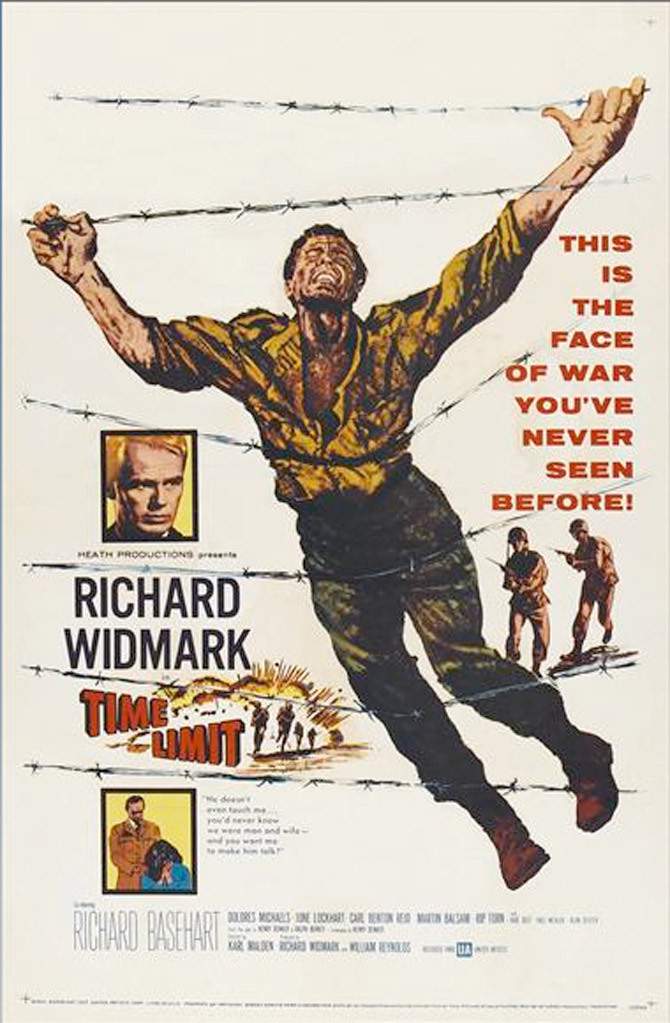
Time Limit (1957) movie poster

Characters & Themes

Time Limit (1957) Characters, Setting & Themes Explained

Release, runtime and language
1957 · 96 min · Japanese
Starring
Richard Basehart, Martin Balsam, Rip Torn, Richard Widmark, June Lockhart, Alan Dexter

A skilled explosives expert finds himself arrested and must convince a persistent detective of his innocence and value. Facing a rapidly approaching deadline and potential disaster, he proposes a daring plan, utilizing his specialized knowledge to avert catastrophe and prove his worth before time runs out.

On this page (8)
  1. 1 Where to watch
  2. 2 Characters explained (7)
  3. 3 Where & when it takes place
  4. 4 Themes & meaning (3)
  5. 5 Character & meaning questions
  6. 6 Movie threads
  7. 7 Movies like Time Limit
  8. 8 Every angle

Where to watch

Where to Watch Time Limit (1957)

Where can you watch Time Limit? Stream, rent or buy it in the US, including on ScreenPix Amazon Channel : current JustWatch availability with up-to-date prices.

Streaming availability powered by JustWatch

7 main characters · contains spoilers

Time Limit Characters Explained: Who Is Who

The main characters of Time Limit (1957), heroes and villains: what drives them, how they change over the course of the story and what each of them reveals about the film's bigger ideas.

  • Colonel William Edwards (Richard Widmark)

    A determined Army colonel who challenges easy explanations and pursues a thorough inquiry. He weighs duty and humanity, pushing for questions that expose uncomfortable truths rather than accepting convenient answers.

    • 🕵️ Investigator
    • 🧭 Duty vs. justice
    • 💡 Moral clarity
  • Major Harry Cargill (Richard Basehart)

    A decorated officer who admits guilt in the germ-warfare case, yet his confession is tied to coercive pressure and a desperate bid to save his men. He embodies the complexity of personal sacrifice under threat.

    • 🧪 Germ warfare
    • 🗣️ Coercion
    • 🧭 Moral ambiguity
  • Captain Joe Connors (Yale Wexler)

    General Connors's son, who betrays a comrade under torture and pays a heavy personal price for his actions. He represents how fear can override loyalty and honor in the crucible of war.

    • 💥 Betrayal
    • ⚖️ Traumatic legacy
    • 🧭 War ethics
  • Lieutenant George Miller (Rip Torn)

    A survivor who reveals the truth behind the deaths and the coercive confession, bearing the burden of truth in a morally tangled situation.

    • 🗣️ Witness
    • 🧠 Moral responsibility
    • 🩸 Crucial reveal
  • Colonel Kim (Khigh Dhiegh)

    The interrogator who delivers ultimatums, embodying the ruthless pressure tactics used to force cooperation.

    • 🧨 Torture
    • 🪪 Coercion
    • 🗡️ Interrogation
  • General Connors (Carl Benton Reid)

    A senior commander who defends the strict Uniform Code of Military Justice and pushes for a court-martial while wrestling with the human cost of his orders.

    • 🎖️ Military hierarchy
    • 🧭 Accountability
    • 🗝️ Duty vs mercy
  • Lieutenant Harvey (Manning Ross)

    A junior officer killed while trying to escape; his death catalyzes the revelation of Connors's betrayal and intensifies the moral stakes.

    • 💀 Sacrifice
    • 🕊️ Innocence lost
    • 🧭 Consequences

Last updated: November 22, 2025 at 15:35

Was this helpful?

Setting

Where and When Does Time Limit Take Place?

The setting of Time Limit (1957): the year and time period, the places and locations, and how they shape the characters, the mood and the tension of the story.

Time period

Korean War era

Set during the Korean War era, the story unfolds amid prisoner interrogations and the tense atmosphere of military discipline. It reflects the early Cold War concern with loyalty, treachery, and the ethics of wartime decisions. The period foregrounds a system where life and duty collide under extreme stress.

Location

North Korea POW camp, United States military base

The action centers on a North Korean prisoner-of-war camp where the accused Cargill is held under harsh conditions. The investigation and potential court-martial unfold at a U.S. military base, exposing the pressure to deliver quick verdicts. The setting contrasts captivity and command structure, highlighting how war tests the limits of justice and loyalty.

  • ⚔️ War zone
  • 🏛️ Military justice

Last updated: November 22, 2025 at 15:35

Was this helpful?

3 major themes

Time Limit Meaning: Themes & Message Explained

What is Time Limit (1957) really about? The emotional, social and philosophical themes the film keeps returning to, its symbolism and the message beneath the surface.

  • Moral Dilemma

    Edwards must balance loyalty to his fellow soldiers with the duty to pursue justice, even when the line between right and wrong becomes murky. The case shows how coercion, fear, and compassion interfere with clear decisions. The film asks whether there is a time limit on heroism and where accountability begins.

  • Truth vs Loyalty

    Survivors recount a rehearsed version of events, while the truth hides in the details uncovered by a determined investigator. The tension between protecting comrades and exposing the truth drives the narrative. Sacrifice and honesty emerge only after difficult revelations.

  • War Ethics

    Germ warfare allegations, torture, and fear-mongering illuminate the cruel calculus of wartime decisions. The investigation questions whether saving lives justifies coercive means. The movie uses the pressure of battle to probe the morality of orders and obedience.

Last updated: November 22, 2025 at 15:35

Was this helpful?

Character & theme questions

Time Limit Characters & Meaning: Your Questions Answered

The questions people ask about Time Limit (1957): who the characters really are, their relationships, what the symbols mean, where it takes place and what the movie is really about. Each answer contains spoilers.

Q1

Where is the movie set?

The story takes place in two main settings: a North Korean prisoner-of-war camp where the accused Major Cargill is held under harsh conditions, and a U.S. military base where the investigation and potential court-martial unfold. This contrast between captivity and command structure highlights how war tests the limits of justice and loyalty.

Foreshadowing: The POW camp setting establishes the coercive environment that leads to Cargill's disputed confession.

  • north korea
  • pow camp
  • military base
  • setting
  • korean war
Q2

When does the movie take place?

Time Limit is set during the Korean War era, specifically in the early Cold War period. This timeframe is significant because it reflects the era's intense focus on loyalty, treachery, and the ethics of wartime decisions. The story unfolds amid prisoner interrogations and the tense atmosphere of military discipline.

  • korean war
  • cold war
  • 1950s
  • time period
  • era
Q3

What are the main themes of the movie?

The film explores three interconnected themes: Moral Dilemma, which examines the tension between loyalty to fellow soldiers and the duty to pursue justice; Truth vs Loyalty, which looks at how survivors must choose between protecting comrades and exposing uncomfortable truths; and War Ethics, which questions whether saving lives justifies coercive means like torture and fear-mongering.

  • moral dilemma
  • truth vs loyalty
  • war ethics
  • themes
  • justice
Q4

Who is Colonel Edwards and what is his role?

Colonel William Edwards (played by Richard Widmark) is a determined Army colonel who challenges easy explanations and pursues a thorough inquiry into the germ-warfare case. He represents the moral center of the film, weighing duty and humanity while pushing for questions that expose uncomfortable truths rather than accepting convenient answers.

  • colonel edwards
  • richard widmark
  • investigator
  • justice
Q5

Who is Major Cargill and why is he accused?

Major Harry Cargill (played by Richard Basehart) is a decorated officer accused in a germ-warfare case. He admits guilt, yet his confession is tied to coercive pressure from his North Korean captors and represents a desperate bid to save his men. He embodies the complexity of personal sacrifice under threat in wartime.

  • major cargill
  • richard basehart
  • accused
  • confession
  • germ warfare
Q6

Who is Captain Joe Connors and what happens to him?

Captain Joe Connors (played by Yale Wexler) is the son of General Connors. He betrays a comrade under torture and pays a heavy personal price for his actions. He represents how fear can override loyalty and honor in the crucible of war, illustrating one of the film's central questions about what people will do under extreme pressure.

  • captain connors
  • yale wexler
  • betrayal
  • torture
Q7

What is General Connors's role in the story?

General Connors (played by Carl Benton Reid) is a senior commander who defends the strict Uniform Code of Military Justice and pushes for a court-martial against Cargill. He wrestles with the human cost of his orders, representing the institutional pressure to deliver quick verdicts rather than pursue uncomfortable truths.

  • general connors
  • carl benton reid
  • commander
  • court-martial
Q8

What does the Truth vs Loyalty theme mean in this movie?

The Truth vs Loyalty theme examines how survivors initially recount a rehearsed version of events, while the real truth hides in details uncovered by a determined investigator. The tension between protecting comrades and exposing the truth drives the narrative, with sacrifice and honesty emerging only after difficult revelations.

  • truth
  • loyalty
  • confession
  • cover-up
  • revelation
Q9

What war ethics does the movie examine?

The film examines the ethics of germ warfare allegations, torture, and fear-mongering used during interrogations. The investigation questions whether saving lives justifies coercive means. The movie uses the pressure of battle to probe the morality of orders and obedience, asking whether following orders absolves responsibility.

  • war ethics
  • torture
  • coercion
  • orders
  • interrogation
Q10

How does the POW camp setting influence the story?

The North Korean POW camp setting creates a claustrophobic, high-pressure environment where coercive tactics are used to force cooperation. This harsh captivity contrasts with the U.S. military base where the investigation unfolds, highlighting the tension between wartime interrogation methods and military justice. The setting is essential to understanding why Cargill's confession is disputed.

  • pow camp
  • interrogation
  • torture
  • coercion
  • setting
Q11

Who is Colonel Kim in the movie?

Colonel Kim (played by Khigh Dhiegh) is the North Korean interrogator who delivers ultimatums to the prisoners. He embodies the ruthless pressure tactics used to force cooperation, representing the antagonistic force that employs psychological and physical coercion to extract confessions.

  • colonel kim
  • khigh dhiegh
  • interrogator
  • enemy
Q12

What genre and tone does the movie have?

Time Limit is a 1957 war drama with a tense, suspenseful tone. The film is characterized by its moral complexity and psychological intensity, dealing with themes of wartime trauma, betrayal, and the burden of command. The pacing is steady as the plot methodically peels back layers of a complex narrative through witness testimony and logical deduction.

  • war drama
  • 1957
  • tense
  • suspense
  • moral complexity

Movie threads

More Movies Like Time Limit, by Mood & Story

Curated lists built around what makes Time Limit tick: the same mood, the same kind of story or the same emotional payoff. Each list explains why these movies belong together.

Claustrophobic investigative movies like Time Limit

Stories where pressure builds in confined spaces as characters seek the truth. If you liked the tense, methodical investigation in Time Limit, discover more movies that build pressure in confined settings. These films feature high-stakes questioning, morally complex reveals, and a steady, gripping pace as characters uncover difficult truths under duress.

  • claustrophobic
  • investigative
  • tense
  • dialogue-driven
  • morally complex
  • gripping
  • Tone: tense, serious, morally complex
  • Pacing: steady, methodical
Why these movies?

The story pattern: Narratives in this thread typically unfold in a single or limited number of confined settings, like a courtroom, interrogation room, or bunker. The plot progresses through a series of testimonies or revelations, methodically building a case and challenging initial assumptions. The central conflict is often intellectual and moral, pitting different versions of the truth against one another.

Why they belong together: Movies are grouped here for their shared reliance on a claustrophobic setting to amplify tension, a steady pacing driven by dialogue and deduction, and a focus on uncovering a complex, morally ambiguous truth. They deliver a specific kind of intellectual suspense.
Movies with bittersweet endings after heavy moral choices like Time Limit

Where difficult choices lead to a victory that feels like a loss. For viewers who appreciated the complex moral weight and bittersweet conclusion of Time Limit, this collection highlights films where characters face impossible ethical decisions. These stories deliver a powerful, emotionally heavy experience and conclude with a victory that acknowledges profound personal cost.

  • morally complex
  • somber
  • bittersweet
  • heavy
  • traumatic
  • anxious
  • Tone: somber, heavy, bittersweet
  • Pacing: steady, deliberate
Why these movies?

The story pattern: The narrative pattern follows a protagonist forced to make an ethically difficult choice, often under extreme pressure. The story explores the justification and consequences of this choice, revealing the deep psychological trauma involved. The resolution may clear the protagonist of immediate danger but leaves them, and the audience, to grapple with the lasting scars of their actions.

Why they belong together: These films are grouped by their shared exploration of gray-area ethics, their heavy emotional weight, and their specific type of ending that blends relief with melancholy. They satisfy a desire for complex, adult dramas that don't offer simple, happy conclusions.

If you liked this

Movies Like Time Limit

Similar movies to Time Limit: the same genre, themes or kind of story. Each one comes with its own plot summary, timeline and ending explained.

Browse all movie summaries

Every angle

Time Limit (1957) Explained: Plot, Timeline & Characters

Everything about Time Limit in one place: what happens in the plot summary, the timeline in chronological order, the characters and meaning and a spoiler-free summary. What's After the Movie adds the cast, box office and post-credit scenes.

Coming soon on iOS and Android

The Plot Explained Movie Summary App

Plot summaries, endings explained and timelines on your phone. Catch up on any movie in minutes, save your favorites and never miss a twist again.

Be the first to know when we launch. Your email stays private, always.

Learn more about the app