A Time to Kill

A Time to Kill

Year: 1996

Runtime: 149 min

Language: English

Director: Joel Schumacher

DramaThrillerCrime

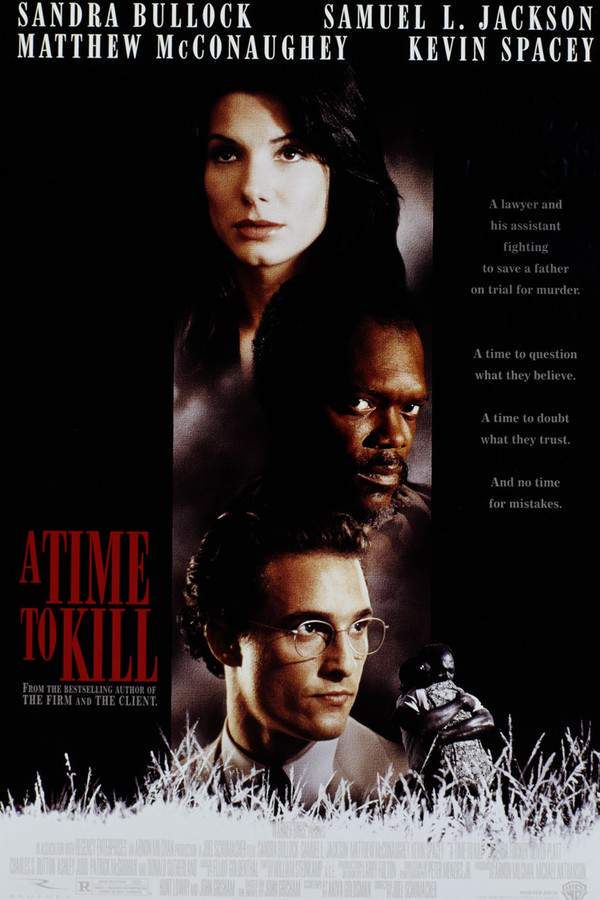
In a racially charged Southern town, Carl Lee Hailey takes the law into his own hands after his daughter is brutally attacked. He shoots the two white men responsible, setting off a fierce legal battle. A young, idealistic lawyer defends him, facing intense prejudice and deeply ingrained secrets within the community. The trial exposes the complexities of justice, morality, and the weight of a town's history.

Warning: spoilers below!

Haven’t seen A Time to Kill yet? This summary contains major spoilers. Bookmark the page, watch the movie, and come back for the full breakdown. If you're ready, scroll on and relive the story!

A Time to Kill (1996) – Full Plot Summary & Ending Explained

Read the complete plot breakdown of A Time to Kill (1996), including all key story events, major twists, and the ending explained in detail. Discover what really happened—and what it all means.

Two white racists, Billy Ray Cobb (Nicky Katt) and Pete Willard (Doug Hutchison), encounter a young black girl named Tonya Hailey (Rae’Ven Larrymore Kelly) in rural Mississippi, subjecting her to a brutal attack before discarding her in a nearby river after a failed attempt to hang her. Thankfully, Tonya survives, leading to the arrest of her attackers.

Concerned about the possibility of the men escaping justice due to pervasive racism in the region, Tonya’s father, Carl Lee Hailey, seeks the help of the laid-back attorney Jake Brigance. They discuss a troubling precedent from a similar case where four white youths were acquitted for the rape of a black girl, leaving Carl Lee fearful of the same fate for his daughter. With rising anxiety, he acquires an M16 rifle and storms the county courthouse, ultimately bringing down both rapists but causing the unintended injury of Deputy Looney (Chris Cooper), who then requires amputation of his leg. Following this act of vengeance, Carl Lee is arrested without a fight.

Despite the typical costs associated with a case of such magnitude, Brigance agrees to defend Carl Lee for a significantly reduced fee, planning to enter a plea of not guilty due to temporary insanity. The aftermath of the rape and the subsequent revenge killing capture national headlines, sparking the attention of the Ku Klux Klan, who begin organizing in the area. The brother of one of the rapists, Freddie Lee Cobb (Kiefer Sutherland), threatens Brigance and his family, further complicating the tense atmosphere.

As the district attorney, Rufus Buckley, pursues capital punishment and Judge Omar Noose (Patrick McGoohan) denies a change of venue, Brigance seeks to bolster his defense team. He turns to his friend, Harry Rex Vonner (Oliver Platt), a sleazy divorce lawyer, and requests guidance from Lucien Wilbanks (Donald Sutherland), a once-revered civil rights lawyer now discredited for his past violent activism. During this tumultuous time, Brigance crosses paths with Ellen Roark, a passionate liberal law student affiliated with the ACLU. Although initially hesitant, Brigance ultimately enlists her assistance in the case.

The trial begins amidst public uproar and media frenzy, forcing Brigance’s family to evacuate their home after an incident where the Klan burns a cross on their lawn. With tensions escalating, Brigance and the police apprehend a Klansman who possesses a homemade bomb, which Brigance heroically tosses into the air, causing it to detonate. In response to the growing violence, Brigance decides to send his wife and daughter away for their safety.

As the trial unfolds, a chaotic standoff ensues between Klan members and a largely black congregation of protesters, culminating in violence. Amidst the turmoil, Brigance develops an attraction to Roark, but they resist crossing any inappropriate boundaries. The situation intensifies when arsonists destroy Brigance’s house, leaving him to confront his losses and the sacrifices he’s made. Although most jurors lean towards a guilty verdict, the pressure mounts when Freddie Lee Cobb targets Brigance, injuring a National Guardsman in the process.

In a harrowing twist, Roark is abducted by Klansmen, who assault her and leave her for dead until she is saved by an informant. With the case unraveling, Brigance visits Carl Lee in jail, suggesting a lesser plea, only to be met with fierce rejection. Carl Lee makes it clear that Brigance’s race and upbringing impede his understanding of true justice in a racially biased trial.

As closing arguments commence, the courtroom is packed with onlookers. Brigance captivates the jury with a poignant plea, asking them to envision the victim as white while recounting the traumatic events surrounding Tonya’s attack. This powerful imagery forces the jury to confront their own biases, challenging their notions of justice. After deliberation, an African-American child bursts onto the courthouse steps exclaiming, “he’s innocent!” This declaration ignites celebrations among supporters, but fury erupts from the KKK.

The movie concludes with Sheriff Ozzie Walls (Charles S. Dutton) arresting Freddie Lee and his fellow culprits. In a poignant moment of reconciliation, Brigance brings his family to a cookout at Carl Lee’s home, remarking, “just thought our kids could play together,” to which Carl Lee responds with a surprised yet warm smile, symbolizing a glimmer of hope for unity.
Last Updated: October 27, 2024 at 19:06

Mobile App Preview

Coming soon on iOS and Android

The Plot Explained Mobile App

From blockbusters to hidden gems — dive into movie stories anytime, anywhere. Save your favorites, discover plots faster, and never miss a twist again.

Sign up to be the first to know when we launch. Your email stays private — always.

Explore Movie Threads

Discover curated groups of movies connected by mood, themes, and story style. Browse collections built around emotion, atmosphere, and narrative focus to easily find films that match what you feel like watching right now.

Intense Courtroom Dramas with Moral Conflict like A Time to Kill

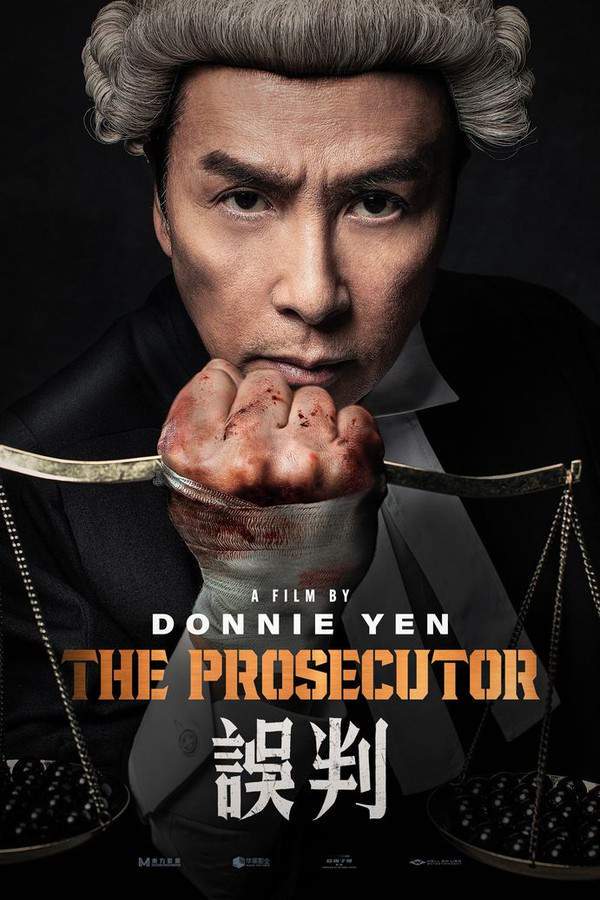
Legal thrillers where the trial is a crucible testing justice and personal ethics.Explore movies like 'A Time to Kill' that feature gripping legal battles at their core. These stories often involve high-stakes trials, personal sacrifices, and deep moral dilemmas, creating a tense and emotionally heavy viewing experience for fans of the genre.

grippingurgentrighteous angersomberanxioustense

Narrative Summary

The narrative typically follows a legal case that forces characters to confront difficult ethical choices. The story builds tension through procedural details, witness testimonies, and closing arguments, often revealing deeper societal issues or personal secrets along the way.

Why These Movies?

These films are grouped together for their shared focus on the courtroom as a stage for high drama, their exploration of moral gray areas, and the intense pressure faced by the legal teams. They deliver a specific blend of intellectual challenge and emotional urgency.

Vigilante Justice Thrillers like A Time to Kill

Gripping stories where individuals take violent action, forcing a moral reckoning.If you liked the righteous anger and high stakes of 'A Time to Kill', discover similar movies about vigilante justice. These films often involve violent retaliation, complex moral justifications, and an intense, somber atmosphere that explores the heavy price of taking the law into one's own hands.

righteous angergrippingoppressiveurgentsombervengeful

Narrative Summary

The story is triggered by a grievous wrong that the legal system fails to adequately address. This leads a protagonist to commit an act of violent retribution, setting off a chain of escalating consequences and forcing a deep examination of justice, revenge, and morality.

Why These Movies?

These films are united by their exploration of the vigilante archetype, the high emotional intensity of their premises, and the oppressive, urgent atmosphere that surrounds the act of revenge. They share a focus on the psychological and societal fallout of extrajudicial violence.

Unlock the Full Story of A Time to Kill

Don't stop at just watching — explore A Time to Kill in full detail. From the complete plot summary and scene-by-scene timeline to character breakdowns, thematic analysis, and a deep dive into the ending — every page helps you truly understand what A Time to Kill is all about. Plus, discover what's next after the movie.

A Time to Kill Timeline

Track the full timeline of A Time to Kill with every major event arranged chronologically. Perfect for decoding non-linear storytelling, flashbacks, or parallel narratives with a clear scene-by-scene breakdown.

A Time to Kill Timeline

Characters, Settings & Themes in A Time to Kill

Discover the characters, locations, and core themes that shape A Time to Kill. Get insights into symbolic elements, setting significance, and deeper narrative meaning — ideal for thematic analysis and movie breakdowns.

Characters, Settings & Themes in A Time to Kill

A Time to Kill Spoiler-Free Summary

Get a quick, spoiler-free overview of A Time to Kill that covers the main plot points and key details without revealing any major twists or spoilers. Perfect for those who want to know what to expect before diving in.

A Time to Kill Spoiler-Free Summary

More About A Time to Kill

Visit What's After the Movie to explore more about A Time to Kill: box office results, cast and crew info, production details, post-credit scenes, and external links — all in one place for movie fans and researchers.

More About A Time to Kill

Similar Movies to A Time to Kill

Discover movies like A Time to Kill that share similar genres, themes, and storytelling elements. Whether you’re drawn to the atmosphere, character arcs, or plot structure, these curated recommendations will help you explore more films you’ll love.