Plot Explained Spoilers guaranteed!
Plot Explained

Browse by genre

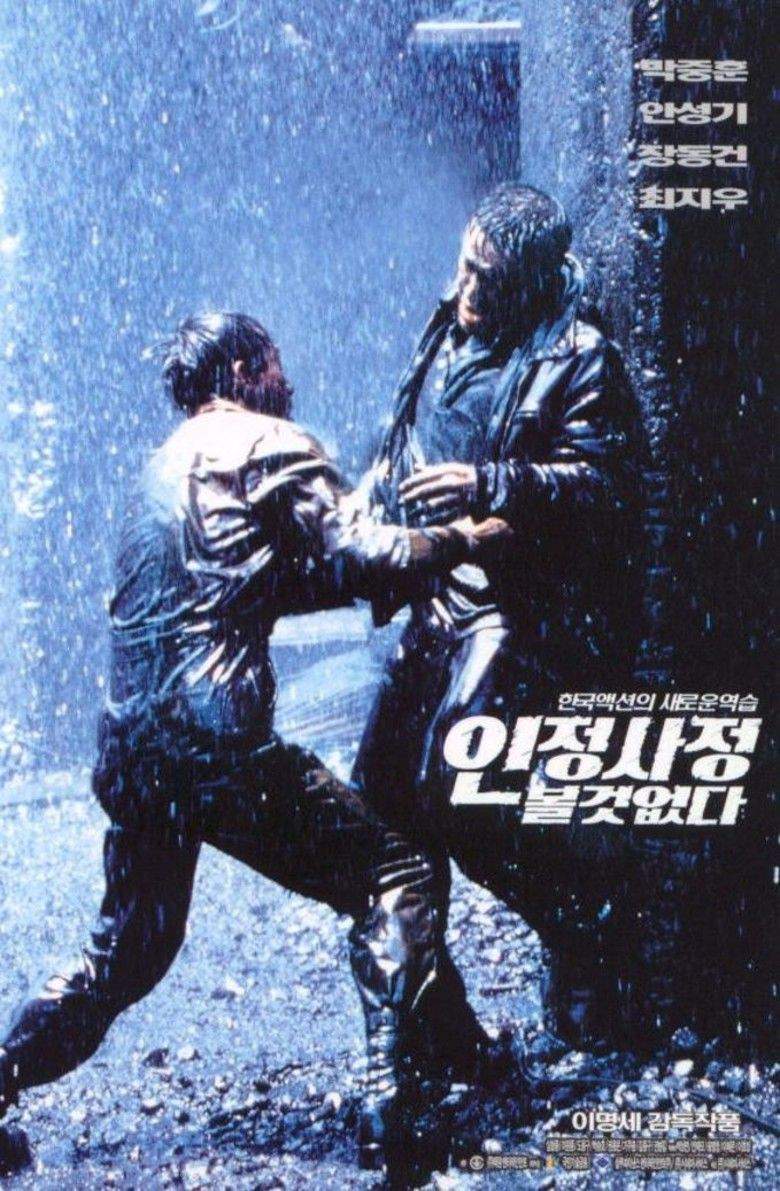
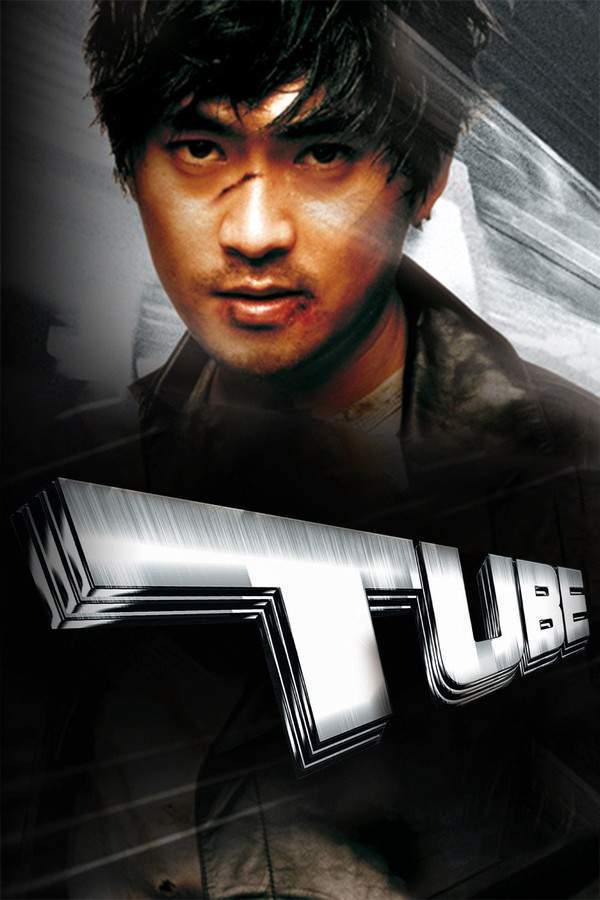
Tube (2004) movie poster

Plot Summary

Tube (2004) Plot Summary Explained

Release, runtime and language
2004 · 113 min · Korean
Directed by
Baek Woon-Hak

A renegade terrorist seizes control of a Seoul subway train, demanding compliance or threatening devastating consequences. As the situation intensifies, authorities race against time to negotiate and rescue the passengers. The claustrophobic setting amplifies the suspense in this gripping thriller about survival and the desperate measures taken to avert catastrophe.

On this page (6)
  1. 1 Where to watch
  2. 2 What happens: full plot
  3. 3 Plot questions answered
  4. 4 Movie threads
  5. 5 Movies like Tube
  6. 6 Every angle

Where to watch

Where to Watch Tube (2004)

Where can you watch Tube? Stream, rent or buy it in the US, including on Amasian TV and OnDemandKorea: current JustWatch availability with up-to-date prices.

Streaming availability powered by JustWatch

Full plot summary · contains spoilers

What Happens in Tube: Full Plot Summary

The whole story of Tube (2004) explained, from the opening scene to the final frame: every key event, every twist and what it all adds up to. Read it as a quick recap before the sequel, to check a scene you missed, or to finally understand what really happened.

Detective Jang Do-joon is relentless in his pursuit of danger, a man who refuses to back down even when the odds are stacked against him. The case centers on Kang Gi-taek, once an elite secret agent who betrayed the system and now channels his expertise into orchestrating a catastrophic act of terrorism. The tension between the two men is more than professional—it’s a clash of calculated cunning against unyielding determination, each move watched by a city perched on the edge of fear.

When the newly elected mayor visits the subway, the routine of daily life collapses in an instant as Gi-taek hijacks a carriage and drags thousands of lives into his deadly plan. The scale of the threat becomes clear: this is the single greatest act of terrorism the city has faced, with the lives of 13 million citizens hanging in the balance and a clock that ticks with cruel precision. As the train’s compartments fill with panic and uncertainty, the world outside can only hear the distant screech of rails and the muffled cries of strangers who suddenly share one breathless, unbearable moment.

In the midst of the chaos, a quick-thinking pickpocket named Song Yin-gyung senses the danger and reaches out to Detective Jang Do-joon. Her instincts pull him deeper into the crisis, linking the fate of a lone officer with the fate of a vast metropolitan population. The pair form a tense alliance born from necessity: she acts as a conduit to those inside the car, he uses every tool at his disposal to outmaneuver a calculated adversary who has prepared an intricate trap.

The narrative pivots on a life-or-death gambit that reveals the true measure of both hero and villain. Jang Do-joon makes a decisive, sacrificial choice to save the innocent by isolating the danger at its source. He disconnects the first car from the rest of the train, a move that will drastically alter the trajectory of the crisis. In a chilling moment of restraint and duty, he handcuffs Yin-gyung to the train, a symbolic and physical anchor that forces the two into an intimate, high-stakes standoff. The detective’s intention is clear, even as the weight of the decision presses down on him: to shield the passengers from the escalating threat, he is prepared to catalyze a separation that will come at a terrible personal cost.

As Yin-gyung watches in stunned disbelief, she grasps the gravity of what he asks her to do. The lever becomes a symbol of ultimate sacrifice, a device that will sever connections and reframe the meaning of survival. The passengers—those who remain—bear witness to the moment when a protector steps into the line of danger, choosing selflessness over self-preservation. The hero who gave everything to shield others meets his end in a final act of courage, and the story closes on the quiet sorrow of the survivors who must continue living with the memory of the man who saved them at the cost of his own life.

The film culminates in a somber meditation on duty, love, and the fragile line between protection and peril. It traverses the claustrophobic corridors of a subway turned battlefield, where every decision carries consequences that ripple far beyond the moment of crisis. The showdown between an unwavering detective and a meticulously engineered threat becomes not just a chase, but a study in moral resolve. In the aftermath, the city hovers between relief and remembrance, honoring the quiet heroism of a man who chose to lay down his life so others could carry on.

Last updated: February 17, 2026 at 19:57

Was this helpful?

Plot questions answered

Tube Plot Explained: Your Questions Answered

The questions people ask most about Tube (2004): what happens in the confusing scenes, why the characters do what they do, the twists, hidden details and what the ending means. Each answer contains spoilers.

Q1

Why did Kang Gi-taek become a terrorist?

Kang Gi-taek was once an elite secret agent who betrayed the system, using his expertise to orchestrate the catastrophic subway hijack. The exact reason for his turn is not fully detailed in the film, but his background as a highly trained operative gave him the skills to plan and execute a sophisticated terrorist attack.

Foreshadowing: Earlier scenes establish Jang Do-joon's relentless pursuit of Kang Gi-taek, suggesting a long-standing conflict between the two men.

  • kang gi-taek
  • terrorist
  • former agent
  • betrayal
  • motivation
Q2

Why did Detective Jang disconnect the first car from the train?

Jang disconnected the first car to isolate the danger and save the passengers in the remaining cars. By separating the hijacked car from the rest of the train, he prevented the terrorist threat from reaching the rest of the passengers and gave them a chance to survive.

Foreshadowing: The timeline shows Jang devising a drastic plan to save as many lives as possible by splitting the train.

  • train separation
  • disconnect car
  • sacrifice
  • jang do-joon
  • passenger safety
Q3

Why did Jang handcuff Song Yin-gyung to the train?

Jang handcuffed Song Yin-gyung to the train to ensure she would stay at her post and pull the lever that disconnected the cars. He needed someone he could trust to execute the plan while he remained at the controls, and the handcuffs ensured she could not interfere or flee during the critical moment.

Foreshadowing: Earlier tension between Jang and Yin-gyung shows their uneasy alliance forming under life-or-death circumstances.

  • handcuff
  • song yin-gyung
  • lever
  • train separation
  • trust
Q4

What was the lever Song Yin-gyung had to pull?

The lever was the emergency coupling release mechanism that disconnected the first car from the rest of the train. Jang instructed Song to pull it at the critical moment to separate the hijacked car containing the threat from the other passengers, effectively sacrificing those in the first car to save everyone else.

Foreshadowing: Jang's drastic plan centers on separating the train at the precise moment to contain the threat.

  • lever
  • emergency mechanism
  • train coupling
  • separation
  • car disconnect
Q5

How did Jang Do-joon sacrifice himself?

Jang remained at the controls of the first car to ensure the separation succeeded. After disconnecting the car, he stayed behind with the isolated portion as it continued toward danger, knowing his action would cost him his life. He held the mechanism in place to guarantee the train separation worked, dying in the process.

Foreshadowing: The buildup shows Jang preparing for a sacrifice, expressing his willingness to put himself in harm's way.

  • death
  • sacrifice
  • jang do-joon
  • hero
  • save passengers
Q6

How did Song Yin-gyung help Detective Jang during the crisis?

Song Yin-gyung, a quick-witted pickpocket aboard the train, sensed the danger and reached out to Detective Jang from outside the train. She acted as a crucial link between the passengers inside the hijacked car and Jang outside, relaying information and coordinating the response. Her instincts and ability to navigate the situation became vital to the detective's plan.

Foreshadowing: The timeline shows Song noticing something wrong and immediately contacting Jang.

  • song yin-gyung
  • pickpocket
  • help
  • detective
  • communication
Q7

Why was the mayor's subway visit important to the hijacking?

Kang Gi-taek timed his subway hijack to coincide with the newly elected mayor's official visit, maximizing the political impact and chaos. The mayor's presence made the attack a direct challenge to government authority and drew maximum attention to the terrorist's demands.

Foreshadowing: The hijack begins specifically during the mayor's visit, turning a routine political event into a crisis.

  • mayor
  • visit
  • timing
  • hijack
  • political
Q8

What made the 13 million citizen threat so serious?

The subway system served millions of daily commuters in Seoul, making any disruption potentially catastrophic. Kang Gi-taek's threat involved not just the passengers aboard the train but the entire city's population, as the hijacked train could cause massive casualties if his demands were not met. The scale of potential destruction made it the single greatest act of terrorism the city had ever faced.

Foreshadowing: The escalating tension reveals the true magnitude of the threat as the story progresses.

  • hostages
  • 13 million
  • seoul
  • terrorism
  • threat scale
Q9

What happened to the passengers in the first car?

The passengers in the first car were isolated when Song pulled the lever to disconnect it from the rest of the train. The car containing Jang and the terrorist threat became separated, and Jang remained inside to ensure the separation held. The fate of those passengers is tragic, as they were sacrificed to save the others.

Foreshadowing: Jang's plan explicitly involves sacrificing the first car to save the remaining passengers.

  • first car
  • passengers
  • sacrificed
  • isolation
  • separation
Q10

What was the relationship between Jang Do-joon and Kang Gi-taek?

Jang Do-joon and Kang Gi-taek had a personal and professional conflict that predated the hijacking. Jang had been relentlessly pursuing Kang, a former elite secret agent who turned rogue. Their confrontation in the subway was the culmination of Jang's long pursuit, representing a clash between the detective's unyielding determination and the terrorist's calculated cunning.

Foreshadowing: The opening establishes Jang's relentless pursuit of Kang through city streets and surveillance.

  • jang do-joon
  • kang gi-taek
  • pursuit
  • conflict
  • detective vs terrorist

Movie threads

More Movies Like Tube, by Mood & Story

Curated lists built around what makes Tube tick: the same mood, the same kind of story or the same emotional payoff. Each list explains why these movies belong together.

Claustrophobic thrillers with high tension like Tube

Tense stories of survival and moral choice in confined, life-or-death scenarios. For viewers seeking movies like Tube, this collection highlights thrillers that master claustrophobic tension. Featuring stories where characters are trapped against a ticking clock, these films deliver a similar sense of desperate, high-stakes survival.

  • claustrophobic
  • tense
  • trapped
  • race against time
  • desperate
  • suspenseful
  • Tone: tense, desperate
  • Pacing: fast, relentless
Why these movies?

The story pattern: The narrative typically centers on a group or individual confined against their will, facing an immediate threat. The plot unfolds as a race against time, where characters must navigate the physical and psychological constraints of their environment to survive, often culminating in a costly resolution.

Why they belong together: These movies share a core experience of confinement and pressure. They are grouped by their ability to generate palpable tension through limited settings, fast pacing, and high emotional stakes, creating a distinct 'trapped' feeling.

Action thrillers with sad sacrificial endings like Tube

Gritty action dramas where the cost of victory is a profound, emotional sacrifice. If you liked the heavy emotional ending of Tube, these films deliver a similar impactful conclusion. Explore movies like Tube where heroes face impossible odds and their victory is defined by a poignant and sacrificial act.

  • sacrificial
  • heavy
  • sad ending
  • tense
  • desperate
  • emotional
  • Tone: tense, sad
  • Pacing: fast, urgent
Why these movies?

The story pattern: The protagonist is typically an ordinary individual or dedicated professional thrust into an extreme crisis. The narrative builds to a climax where the only path to resolution requires them to make a selfless, often fatal, choice, leaving the audience with a somber sense of loss amidst the victory.

Why they belong together: These films resonate with viewers drawn to morally complex and emotionally weighty conclusions. They are united by a shared narrative pattern and tone that prioritizes bittersweet victory, leaving a lasting emotional impact centered on themes of duty and sacrifice.

If you liked this

Movies Like Tube

Similar movies to Tube: the same genre, themes or kind of story. Each one comes with its own plot summary, timeline and ending explained.

Browse all movie summaries

Every angle

Tube (2004) Explained: Plot, Timeline & Characters

Everything about Tube in one place: what happens in the plot summary, the timeline in chronological order, the characters and meaning and a spoiler-free summary. What's After the Movie adds the cast, box office and post-credit scenes.

Coming soon on iOS and Android

The Plot Explained Movie Summary App

Plot summaries, endings explained and timelines on your phone. Catch up on any movie in minutes, save your favorites and never miss a twist again.

Be the first to know when we launch. Your email stays private, always.

Learn more about the app