Plot Explained Spoilers guaranteed!
Plot Explained

Browse by genre

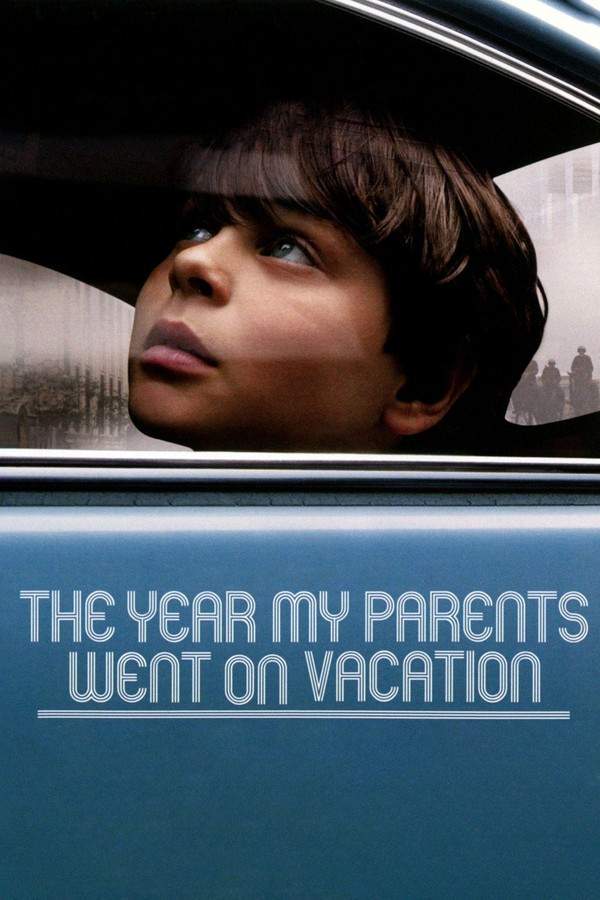
The Year My Parents Went on Vacation (2008) movie poster

Timeline

The Year My Parents Went on Vacation (2008) Timeline Explained – Every Event in Order

Release, runtime and language
2008 · 110 min · Portuguese
Directed by
Cao Hamburger
Starring
Daniela Piepszyk, Germano Haiut, Michel Joelsas

In 1970s São Paulo, twelve-year-old Mauro’s world is shaken when his politically active parents disappear. Suddenly alone, he finds solace and connection within a diverse community of unconventional characters, including Hanna and Irene. As the World Cup approaches, Mauro clings to the hope of a family reunion to support Pelé, navigating a period of personal growth and witnessing social change around him.

On this page (5)
  1. 1 Events in order (13)
  2. 2 Timeline questions answered
  3. 3 Movie threads
  4. 4 Movies like The Year My Parents Went on Vacation
  5. 5 Every angle

13 events in order · contains spoilers

The Year My Parents Went on Vacation Timeline: Events in Chronological Order

Every key event of The Year My Parents Went on Vacation (2008) in order, scene by scene, with when and where it takes place. Use it to untangle flashbacks, time jumps and parallel storylines, to refresh your memory before the sequel or to find the exact scene you are thinking of.

  1. Political Activism and Danger

    In 1970, Mauro's parents, Bia and Daniel Stein, are deeply involved in political activism against a repressive military regime in Brazil. As the danger intensifies, they make the difficult decision to flee, leaving Mauro behind in São Paulo.

    When
    1970
    Where
    São Paulo
  2. Leaving Mauro with Mótel

    Bia and Daniel travel from Belo Horizonte to São Paulo to leave their son Mauro with his grandfather Mótel, hoping that he will take care of him during their absence. They reassure him that this is just a vacation, promising to return for the World Cup.

    Where
    Belo Horizonte to São Paulo
  3. Tragic Loss of Mótel

    On the very day Mauro arrives in São Paulo, tragedy strikes as his grandfather Mótel passes away unexpectedly. Left alone and confused, Mauro is overwhelmed by the sudden change in his life and the responsibility thrust upon him.

    Where
    Bom Retiro, São Paulo
  4. Finding Support in the Community

    Mauro, now alone, finds solace in the close-knit Jewish community of Bom Retiro. Shlomo, an elderly neighbor and friend of Mótel, steps in to help care for Mauro, providing him with a sense of stability amidst the chaos.

    Where
    Bom Retiro
  5. Mauro's Passion for Football

    As Mauro adjusts to his new life, he discovers a passion for football and dreams of becoming a goalkeeper. He bonds with other neighborhood kids, including Hanna and Ítalo, who share his enthusiasm for the sport and life.

    Where
    Bom Retiro
  6. Encounters with New Characters

    While in Bom Retiro, Mauro meets various vibrant characters, such as Irene, a beautiful bartender, and her boyfriend, a skilled goalkeeper. These interactions enrich his experience in the community and shape his understanding of life.

    Where
    Bom Retiro
  7. Awaiting His Parents

    As the World Cup approaches, Mauro anxiously awaits the return of his parents, who promised to be back in time for the matches. Days turn into weeks, and with no news from them, his worry begins to deepen.

    Where
    Bom Retiro
  8. Shlomo's Investigation

    With Mauro's distress growing, Shlomo takes it upon himself to find out what happened to Mauro's parents. His quest leads him to confront the political realities of the time, risking his own safety to uncover the truth.

    Where
    São Paulo
  9. Arrest by Political Police

    Unfortunately, Shlomo's efforts attract attention from the political police, and he is arrested due to his involvement in seeking help for Mauro's family. This moment highlights the dangers faced by those opposing the regime.

    Where
    São Paulo
  10. Mauro's Mother's Return

    Shlomo's perseverance ultimately yields results when he manages to secure the release of Mauro's mother. She returns from imprisonment severely ill, and their reunion is filled with mixed emotions amidst the backdrop of Brazil's World Cup victory.

    Where
    Bom Retiro
  11. World Cup Triumph

    On the day Mauro's mother returns, Brazil triumphs in the World Cup final, marking a significant moment of unity for the country. However, for Mauro, the joy is overshadowed by the continued absence of his father, who remains missing.

    When
    1970
    Where
    Brazil
  12. Preparing for Exile

    As the film progresses toward its poignant conclusion, Mauro and his mother prepare to leave Bom Retiro, marking the end of one chapter and the beginning of another. This moment encapsulates the sadness of leaving friends behind and facing an uncertain future.

    Where
    Bom Retiro
  13. Goodbyes to Friends

    Before embarking on their journey into exile, Mauro bids farewell to the friends he made in Bom Retiro. This emotional goodbye underscores the bonds formed during his challenging time and the cherished memories that he will carry with him.

    Where
    Bom Retiro

Last updated: November 15, 2024 at 18:34

Was this helpful?

Timeline questions answered

The Year My Parents Went on Vacation Timeline Explained: Your Questions Answered

When does it happen, and why in that order? The questions people ask about the chronology of The Year My Parents Went on Vacation (2008): time jumps, flashbacks, cause and effect between scenes and the correct order of events, each answered with spoilers.

Q1

Why did Mauro's parents leave him with his grandfather?

Mauro's parents, Bia and Daniel, were political activists opposing Brazil's repressive military regime. They were forced to flee because their activism made them targets of the dictatorship's brutal suppression of leftist movements. Unable to take their 12-year-old son with them into a dangerous underground existence, they made the agonizing decision to leave him with his grandfather, telling him it was just a vacation so he wouldn't panic.

  • political activism
  • military regime
  • brazil 1970
  • parents leave child
Q2

What happened to Mauro's grandfather Mótel?

Mótel, the barber and Mauro's grandfather, passed away unexpectedly on the very same day Mauro arrived in São Paulo. This tragic coincidence left the 12-year-old completely alone and bewildered in the unfamiliar Bom Retiro neighborhood, without any family to care for him.

  • mótel death
  • grandfather dies
  • barber
Q3

Why didn't Mauro's parents return for the World Cup?

Mauro's parents never returned because they were in grave danger. His mother Bia was arrested and imprisoned by the political police for her activism, while his father Daniel remained missing, having been captured or killed by the regime. Their promise to return for the World Cup was a lie meant to comfort Mauro during their forced absence, as they couldn't safely communicate or come back.

  • world cup
  • mexico 1970
  • parents missing
  • world cup final
Q4

What happened to Mauro's father Daniel?

Mauro's father Daniel remained missing throughout the film. As a political activist targeted by the military regime, he was likely arrested and became a victim of the dictatorship's brutal suppression. The film never confirms his fate definitively, but his continued absence suggests he was either killed or remained in hiding, unable to reach his family.

  • daniel stein
  • father missing
  • political disappearance
  • dictatorship victim
Q5

How did Shlomo find Mauro's mother?

Shlomo, the elderly neighbor who took care of Mauro, took it upon himself to investigate what happened to the boy's parents. His persistence in seeking answers led him to uncover information about Bia's whereabouts, ultimately securing her release from imprisonment. However, this dangerous investigation also attracted the attention of the political police, resulting in Shlomo's own arrest.

  • shlomo investigates
  • mother found
  • political police
Q6

Why was Shlomo arrested?

Shlomo was arrested by the political police because his efforts to find out what happened to Mauro's parents drew attention to himself. In the climate of fear under Brazil's military dictatorship, simply asking questions about missing activists was considered suspicious and dangerous. His investigation into the Stein family's whereabouts made him a target of the regime's surveillance and repression.

  • shlomo arrested
  • political police
  • repression
  • brazilian dictatorship
Q7

Why does Mauro leave Bom Retiro at the end?

Mauro leaves Bom Retiro with his mother because they must go into exile. After his mother is released from prison, she is severely ill, and they cannot safely stay in Brazil due to the ongoing threat from the military regime. The film's ending shows them preparing to flee the country, leaving behind the community and friends Mauro has grown close to during his months alone.

  • exile
  • leave brazil
  • mother son depart
  • bom retiro ending
Q8

What is the significance of the World Cup in the film?

The 1970 World Cup serves as both a structural framework and a symbolic element in the narrative. The promise that Mauro's parents would return for the World Cup creates the central hope that drives his waiting. The timing of Brazil's World Cup victory coincides with his mother's return, creating a bittersweet moment where national celebration contrasts with personal loss. The World Cup also represents the first live global television event, symbolizing connection to the outside world during Brazil's isolation under the dictatorship.

  • 1970 world cup
  • brazil win
  • mexico 1970
  • television satellite
Q9

Why is Bom Retiro an important setting in the film?

Bom Retiro is a working-class neighborhood in São Paulo predominantly inhabited by Jewish families, many of whom speak Yiddish. This setting is significant because it provides Mauro with a supportive community during his abandonment, with Shlomo and other Jewish elders stepping in to care for him. The cultural distance between Mauro (who doesn't speak Yiddish) and his new environment highlights his isolation, while the community's warmth provides hope amidst the political darkness.

  • jewish community
  • yiddish
  • bom retiro neighborhood
  • working class
Q10

How does Mauro change throughout the film?

Mauro transforms from a confused, abandoned child into a more resilient and emotionally mature boy. Initially devastated by his parents' disappearance and grandfather's death, he gradually finds stability through his relationships with Shlomo, Hanna, and the Bom Retiro community. His passion for football and dream of becoming a goalkeeper provide outlets for his energy and hope. By the end, he has formed deep bonds but must leave them behind, showing his understanding of the difficult circumstances facing his family.

  • mauro growth
  • character development
  • goalkeeper dream
  • hanna friendship
Q11

Why is Mauro's reunion with his mother bittersweet?

Mauro's reunion with his mother is bittersweet because although she returns alive, she is severely ill from her imprisonment, and his father remains missing. The moment coincides with Brazil's World Cup victory, creating a stark contrast between national joy and personal grief. Additionally, their reunion is short-lived because they must immediately prepare to flee into exile, leaving behind the community that supported Mauro and facing an uncertain future.

  • mother returns ill
  • father missing
  • bittersweet ending
  • world cup victory

Movie threads

More Movies Like The Year My Parents Went on Vacation, by Mood & Story

Curated lists built around what makes The Year My Parents Went on Vacation tick: the same mood, the same kind of story or the same emotional payoff. Each list explains why these movies belong together.

Movies about growing up during political turmoil like The Year My Parents Went on Vacation

Young protagonists navigating personal growth against a backdrop of social unrest. If you liked The Year My Parents Went on Vacation, explore other movies about young people coming of age against a backdrop of political conflict. These stories blend personal drama with historical events, offering a bittersweet and often heavy viewing experience.

  • melancholic
  • anxious
  • historical
  • yearning
  • oppressive
  • lonely
  • Tone: melancholic, heavy
  • Pacing: steady, character-driven
Why these movies?

The story pattern: The narrative follows a young protagonist whose ordinary world is shattered by political events, forcing them to confront loss, fear, and complexity. Their personal journey of adaptation and survival becomes a microcosm of the wider societal struggle, often involving themes of exile, persecution, and the loss of innocence.

Why they belong together: These movies are grouped by their unique blending of a personal coming-of-age story with a significant historical-political context, creating a deeply emotional and melancholic tone where individual growth mirrors societal change.
Movies about found family and bittersweet community like The Year My Parents Went on Vacation

Stories where unlikely connections provide solace amidst profound loneliness. Find movies like The Year My Parents Went on Vacation that center on characters building a new, supportive community after a deep personal loss. These dramas balance heavy emotions of loneliness and grief with the hopeful warmth of found family, resulting in a bittersweet and nostalgic feel.

  • lonely
  • hopeful
  • nostalgic
  • yearning
  • melancholic
  • heartwarming
  • Tone: bittersweet, melancholic, hopeful
  • Pacing: steady, contemplative
Why these movies?

The story pattern: A protagonist, often a child or someone vulnerable, is abruptly abandoned or suffers a major loss. They are reluctantly absorbed into a community of eclectic characters who are also on the fringes. Through these new bonds, they heal and grow, but the story acknowledges that this new family cannot fully replace what was lost, leading to a complex and resonant ending.

Why they belong together: This thread unites films that masterfully balance the heavy weight of loss with the redemptive power of human connection. The shared mood is a specific blend of melancholy and hope, with a steady, character-focused pacing that allows the relationships to develop authentically.

If you liked this

Movies Like The Year My Parents Went on Vacation

Similar movies to The Year My Parents Went on Vacation: the same genre, themes or kind of story. Each one comes with its own plot summary, timeline and ending explained.

Browse all movie summaries

Every angle

The Year My Parents Went on Vacation (2008) Explained: Plot, Timeline & Characters

Everything about The Year My Parents Went on Vacation in one place: what happens in the plot summary, the timeline in chronological order, the characters and meaning and a spoiler-free summary. What's After the Movie adds the cast, box office and post-credit scenes.

Coming soon on iOS and Android

The Plot Explained Movie Summary App

Plot summaries, endings explained and timelines on your phone. Catch up on any movie in minutes, save your favorites and never miss a twist again.

Be the first to know when we launch. Your email stays private, always.

Learn more about the app