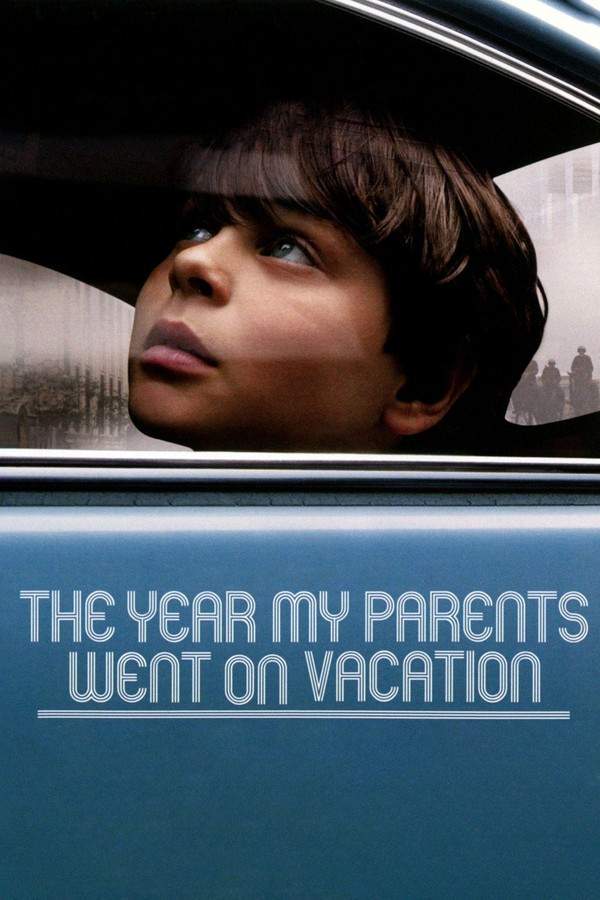
Year: 2008
Runtime: 110 min
Language: Portuguese
Director: Cao Hamburger
In 1970s São Paulo, twelve-year-old Mauro’s world is shaken when his politically active parents disappear. Suddenly alone, he finds solace and connection within a diverse community of unconventional characters, including Hanna and Irene. As the World Cup approaches, Mauro clings to the hope of a family reunion to support Pelé, navigating a period of personal growth and witnessing social change around him.
Warning: spoilers below!
Haven’t seen The Year My Parents Went on Vacation yet? This summary contains major spoilers. Bookmark the page, watch the movie, and come back for the full breakdown. If you're ready, scroll on and relive the story!
Read the complete plot breakdown of The Year My Parents Went on Vacation (2008), including all key story events, major twists, and the ending explained in detail. Discover what really happened, and what it all means.
The narrative unfolds over several months in 1970 in São Paulo, where a 12-year-old boy named Mauro faces the abrupt absence of his young parents, Bia and Daniel Stein, who are political activists fleeing from a repressive military regime that brutally suppresses leftist movements across Brazil. Amidst an atmosphere steeped in fear and political unrest, excitement brews for the upcoming World Cup in Mexico, which is set to be the first ever televised live via satellite.
With no option left to care for their son, the Steins journey from Belo Horizonte to São Paulo to leave Mauro with his grandfather, Mótel, a barber. They tell him that it’s just a vacation, promising to return in time for the World Cup matches. However, fate intervenes tragically when Mótel passes away on the very day Mauro arrives, leaving him alone and bewildered in Bom Retiro, a working-class neighborhood predominantly inhabited by Jewish families, many of whom speak Yiddish, a language unfamiliar to him. Drawing support from the tight-knit community, Shlomo, an elderly neighbor and a friend of Mauro’s grandfather, steps in to care for the boy.
Passionate about football, Mauro dreams of becoming a goalkeeper. As he settles in, he befriends other children from the neighborhood and encounters an array of vibrant characters such as Hanna, a girl his age, and Ítalo, a politically engaged student from the Pontifical Catholic University of São Paulo. He also meets Irene, a stunning bartender, and her boyfriend, a talented mulatto goalkeeper from a local team, alongside the local rabbi and other Jewish elders as well as Italian immigrants.
To Mauro’s profound disappointment, neither of his parents appears as promised for the World Cup, nor do they send any communication. Overwhelmed with anxiety for the boy, Shlomo takes it upon himself to investigate their whereabouts and, in a twist of fate, finds himself arrested by the political police for his involvement. His persistence pays off as he manages to secure the release of Mauro’s mother, who returns severely ill from her imprisonment. Their reunion unfolds on the same day that Brazil triumphs in the World Cup final. Meanwhile, Mauro’s father remains missing, a victim of the regime’s brutality.
In the film’s poignant conclusion, Mauro bids farewell to his newfound friends as he and his mother prepare to leave Bom Retiro and embark on a journey into exile.
Last updated: November 15, 2024 at 18:34
Explore frequently asked questions about The Year My Parents Went on Vacation (2008) with spoiler-rich answers covering the full plot summary, major story beats, character motivations, hidden details, and ending meaning. This movie summary FAQ helps explain confusing scenes, plot twists, and narrative decisions in clear, searchable detail.
Mauro's parents, Bia and Daniel, were political activists opposing Brazil's repressive military regime. They were forced to flee because their activism made them targets of the dictatorship's brutal suppression of leftist movements. Unable to take their 12-year-old son with them into a dangerous underground existence, they made the agonizing decision to leave him with his grandfather, telling him it was just a vacation so he wouldn't panic.
Mótel, the barber and Mauro's grandfather, passed away unexpectedly on the very same day Mauro arrived in São Paulo. This tragic coincidence left the 12-year-old completely alone and bewildered in the unfamiliar Bom Retiro neighborhood, without any family to care for him.
Mauro's parents never returned because they were in grave danger. His mother Bia was arrested and imprisoned by the political police for her activism, while his father Daniel remained missing, having been captured or killed by the regime. Their promise to return for the World Cup was a lie meant to comfort Mauro during their forced absence, as they couldn't safely communicate or come back.
Mauro's father Daniel remained missing throughout the film. As a political activist targeted by the military regime, he was likely arrested and became a victim of the dictatorship's brutal suppression. The film never confirms his fate definitively, but his continued absence suggests he was either killed or remained in hiding, unable to reach his family.
Shlomo, the elderly neighbor who took care of Mauro, took it upon himself to investigate what happened to the boy's parents. His persistence in seeking answers led him to uncover information about Bia's whereabouts, ultimately securing her release from imprisonment. However, this dangerous investigation also attracted the attention of the political police, resulting in Shlomo's own arrest.
Shlomo was arrested by the political police because his efforts to find out what happened to Mauro's parents drew attention to himself. In the climate of fear under Brazil's military dictatorship, simply asking questions about missing activists was considered suspicious and dangerous. His investigation into the Stein family's whereabouts made him a target of the regime's surveillance and repression.
Mauro leaves Bom Retiro with his mother because they must go into exile. After his mother is released from prison, she is severely ill, and they cannot safely stay in Brazil due to the ongoing threat from the military regime. The film's ending shows them preparing to flee the country, leaving behind the community and friends Mauro has grown close to during his months alone.
The 1970 World Cup serves as both a structural framework and a symbolic element in the narrative. The promise that Mauro's parents would return for the World Cup creates the central hope that drives his waiting. The timing of Brazil's World Cup victory coincides with his mother's return, creating a bittersweet moment where national celebration contrasts with personal loss. The World Cup also represents the first live global television event, symbolizing connection to the outside world during Brazil's isolation under the dictatorship.
Bom Retiro is a working-class neighborhood in São Paulo predominantly inhabited by Jewish families, many of whom speak Yiddish. This setting is significant because it provides Mauro with a supportive community during his abandonment, with Shlomo and other Jewish elders stepping in to care for him. The cultural distance between Mauro (who doesn't speak Yiddish) and his new environment highlights his isolation, while the community's warmth provides hope amidst the political darkness.
Mauro transforms from a confused, abandoned child into a more resilient and emotionally mature boy. Initially devastated by his parents' disappearance and grandfather's death, he gradually finds stability through his relationships with Shlomo, Hanna, and the Bom Retiro community. His passion for football and dream of becoming a goalkeeper provide outlets for his energy and hope. By the end, he has formed deep bonds but must leave them behind, showing his understanding of the difficult circumstances facing his family.
Mauro's reunion with his mother is bittersweet because although she returns alive, she is severely ill from her imprisonment, and his father remains missing. The moment coincides with Brazil's World Cup victory, creating a stark contrast between national joy and personal grief. Additionally, their reunion is short-lived because they must immediately prepare to flee into exile, leaving behind the community that supported Mauro and facing an uncertain future.
Discover curated groups of movies connected by mood, themes, and story style. Browse collections built around emotion, atmosphere, and narrative focus to easily find films that match what you feel like watching right now.
Young protagonists navigating personal growth against a backdrop of social unrest.If you liked The Year My Parents Went on Vacation, explore other movies about young people coming of age against a backdrop of political conflict. These stories blend personal drama with historical events, offering a bittersweet and often heavy viewing experience.
The narrative follows a young protagonist whose ordinary world is shattered by political events, forcing them to confront loss, fear, and complexity. Their personal journey of adaptation and survival becomes a microcosm of the wider societal struggle, often involving themes of exile, persecution, and the loss of innocence.
These movies are grouped by their unique blending of a personal coming-of-age story with a significant historical-political context, creating a deeply emotional and melancholic tone where individual growth mirrors societal change.
Stories where unlikely connections provide solace amidst profound loneliness.Find movies like The Year My Parents Went on Vacation that center on characters building a new, supportive community after a deep personal loss. These dramas balance heavy emotions of loneliness and grief with the hopeful warmth of found family, resulting in a bittersweet and nostalgic feel.
A protagonist, often a child or someone vulnerable, is abruptly abandoned or suffers a major loss. They are reluctantly absorbed into a community of eclectic characters who are also on the fringes. Through these new bonds, they heal and grow, but the story acknowledges that this new family cannot fully replace what was lost, leading to a complex and resonant ending.
This thread unites films that masterfully balance the heavy weight of loss with the redemptive power of human connection. The shared mood is a specific blend of melancholy and hope, with a steady, character-focused pacing that allows the relationships to develop authentically.
Don't stop at just watching - explore The Year My Parents Went on Vacation in full detail. From the complete plot summary and scene-by-scene timeline to character breakdowns, thematic analysis, and a deep dive into the ending - every page helps you truly understand what The Year My Parents Went on Vacation is all about. Plus, discover what's next after the movie.
Track the full timeline of The Year My Parents Went on Vacation with every major event arranged chronologically. Perfect for decoding non-linear storytelling, flashbacks, or parallel narratives with a clear scene-by-scene breakdown.
Discover the characters, locations, and core themes that shape The Year My Parents Went on Vacation. Get insights into symbolic elements, setting significance, and deeper narrative meaning - ideal for thematic analysis and movie breakdowns.
Discover movies like The Year My Parents Went on Vacation that share similar genres, themes, and storytelling elements. Whether you’re drawn to the atmosphere, character arcs, or plot structure, these curated recommendations will help you explore more films you’ll love.
The Year My Parents Went on Vacation (2008) Scene-by-Scene Movie Timeline
The Year My Parents Went on Vacation (2008) Movie Characters, Themes & Settings
The Year My Parents Went on Vacation (2008) Spoiler-Free Summary & Key Flow
Movies Like The Year My Parents Went on Vacation – Similar Titles You’ll Enjoy
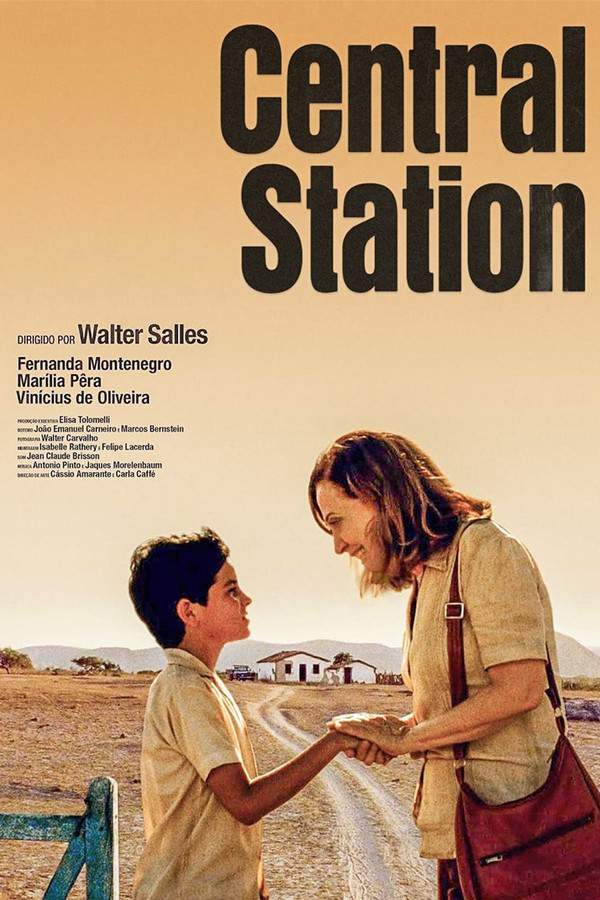
Central Station (1998) Movie Recap & Themes
Viaje inesperado (2018) Movie Recap & Themes
To the Left of the Father (2001) Full Movie Breakdown
Colossal Youth (2006) Spoiler-Packed Plot Recap
Go Ahead, Brazil! (1982) Film Overview & Timeline
Verdes Anos (1984) Full Summary & Key Details
The Departure (2020) Plot Summary & Ending Explained
The Pastor and the Revolutionary (2022) Complete Plot Breakdown
The Green Years (1963) Plot Summary & Ending Explained
Four Days in September (1997) Full Summary & Key Details
Marcelo Zona Sul (1970) Film Overview & Timeline
Brazil Year 2000 (1969) Movie Recap & Themes
The Journey (1992) Detailed Story Recap
Time of Fear (2009) Movie Recap & Themes
My Home Is Copacabana (1965) Complete Plot Breakdown