













Plot Explained Spoilers guaranteed!
Plot Explained

Browse by genre

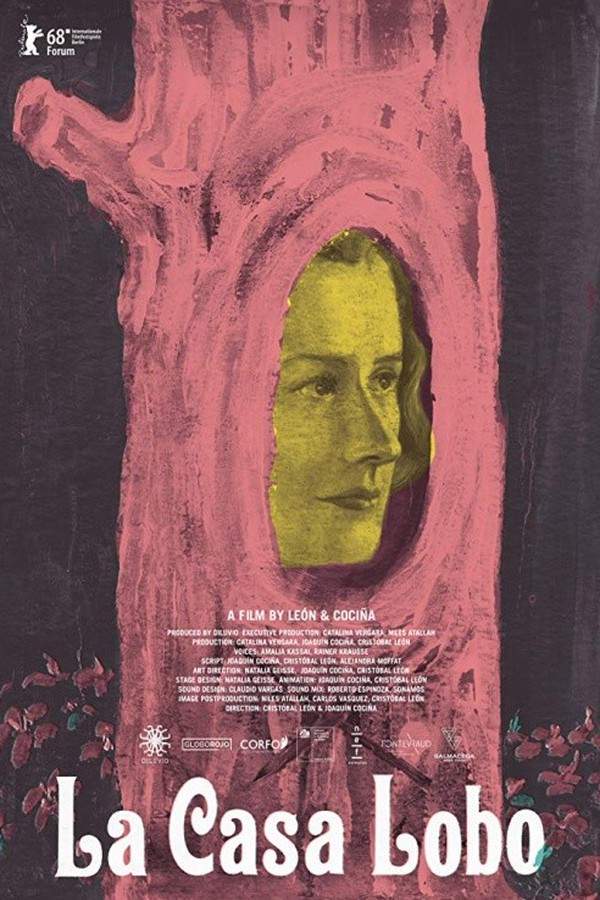
The Wolf House (2020) movie poster

Timeline

The Wolf House (2020) Timeline Explained – Every Event in Order

Release, runtime and language
2020 · 75 min · Spanish
Echo score 80
JustWatch #9,722 4
Directed by
Cristóbal León, Joaquín Cociña
Starring
Amalia Kassai, Rainer Krause
Budget
$245K

Fleeing a strict German religious group, Maria seeks refuge in a remote Chilean house and finds companionship with two pigs. As she confronts her past, her emotional turmoil manifests in increasingly bizarre and unsettling ways. The house and its surroundings begin to warp, blurring the lines between reality and nightmare as humans transform into animals and a sense of dread permeates the isolated location.

On this page (6)
  1. 1 Where to watch
  2. 2 Events in order (15)
  3. 3 Timeline questions answered
  4. 4 Movie threads
  5. 5 Movies like The Wolf House
  6. 6 Every angle

Where to watch

Where to Watch The Wolf House (2020)

Where can you watch The Wolf House? Stream, rent or buy it in the US, including on Bloodstream, Darkroom and Eternal Family: current JustWatch availability with up-to-date prices.

Streaming availability powered by JustWatch

15 events in order · contains spoilers

The Wolf House Timeline: Events in Chronological Order

Every key event of The Wolf House (2020) in order, scene by scene, with when and where it takes place. Use it to untangle flashbacks, time jumps and parallel storylines, to refresh your memory before the sequel or to find the exact scene you are thinking of.

  1. María's Escape from the Colony

    María Wehrle, known for her laziness and irresponsibility, decides to flee the Colony rather than face punishment from the community. Her reluctant departure sets the stage for her unusual adventure in the woods.

    Where
    Colony
  2. Narrow Escape from the Wolf

    While escaping, María has a close encounter with a persistent Wolf that tracks her movement. She narrowly avoids capture, heightening the tension of her flight into the unknown.

    Where
    Woods
  3. Discovery of the Abandoned House

    María finds refuge in an abandoned house deep within the woods. The eerie atmosphere quickly envelops her, but she feels a sense of protection within its walls.

    Where
    Abandoned House
  4. Meeting the Pigs

    Inside the house, María encounters two pigs, Ana and Pedro, who are the only other inhabitants. This strange meeting introduces her to companionship in an otherwise lonely existence.

    Where
    Abandoned House
  5. House Adapts to María's Emotions

    The house surprises María by transforming according to her emotions, creating a dream-like sanctuary that reflects her inner desires. This magical element offers her a brief sense of comfort.

    Where
    Abandoned House
  6. Transformation of the Pigs

    As time passes, Ana and Pedro begin to take on human forms, further solidifying their bond with María. This transformation blurs the lines between reality and fantasy.

    Where
    Abandoned House
  7. The Ominous Wolf's Presence

    Despite the companionship, the threat of the Wolf looms persistently outside the house. María, however, remains defiant and chooses to dismiss the Wolf's temptations to return to the Colony.

    Where
    Outside the Abandoned House
  8. Scarcity of Supplies

    As days go by, the trio faces a growing shortage of provisions, leading to tension among them. Ana and Pedro's fear manifests as hostility towards María, which changes the dynamics of their relationship.

    Where
    Abandoned House
  9. Longing for the Colony

    Haunted by scarcity, María begins to yearn for the Colony, reflecting on her past life. Her perspective shifts, and she starts to view the Wolf as a potential protector rather than a threat.

  10. Betrayal by Ana and Pedro

    In a chilling turn of events, Ana and Pedro restrain María, revealing their sinister intentions to consume her. This betrayal marks a dark shift in her once carefree escape.

    Where
    Abandoned House
  11. Desperate Prayer for Help

    Facing the horrifying reality of her predicament, María pleads for salvation from the Wolf. Her desperate cries summon the creature, turning the tide of her fate.

    Where
    Abandoned House
  12. Wolf's Rescue

    The Wolf answers María's call, crashing into the house and mercilessly dispatching Ana and Pedro. This violent rescue reestablishes María's hope for survival and freedom.

    Where
    Abandoned House
  13. María's Transformation

    In the aftermath of the chaos, María undergoes a remarkable transformation, turning into a bird. This ethereal change symbolizes her newfound freedom and her return to the world.

    Where
    Abandoned House
  14. Return to the Colony

    With her wings, María soars back towards the Colony, leaving behind her troubled past. Her journey comes full circle as she reclaims her industrious spirit.

    Where
    Colony
  15. The Wolf's Closing Monologue

    In the final moments, the Wolf reflects on María’s transformation and invites the audience's 'little pigs' to return home with him. His promise of safety adds a profound note of hope to the story.

Last updated: November 16, 2024 at 17:53

Was this helpful?

Timeline questions answered

The Wolf House Timeline Explained: Your Questions Answered

When does it happen, and why in that order? The questions people ask about the chronology of The Wolf House (2020): time jumps, flashbacks, cause and effect between scenes and the correct order of events, each answered with spoilers.

Q1

Why do Ana and Pedro try to eat María?

Ana and Pedro turn against María because food supplies run low in the house. As scarcity sets in, they become hostile, hoard food privately, and eventually decide María would be their best source of sustenance. This betrayal represents how isolation and desperation can corrupt even seemingly harmless individuals, reflecting the movie's dark exploration of survival and moral decay under pressure.

Foreshadowing: Earlier in the film, Ana and Pedro begin guarding food and blocking María from leaving, hinting at their shifting priorities away from companionship.

  • ana
  • pedro
  • cannibalism
  • food shortage
  • betrayal
Q2

Why does María ask the Wolf for help after rejecting it?

María prays to the Wolf in a moment of desperate survival instinct when she realizes Ana and Pedro plan to consume her. Despite having dismissed the Wolf's invitations throughout the film, her fear overrides her distrust. This choice highlights how crisis can force people to seek help from those they previously rejected, even when those entities may not have genuinely benevolent intentions.

Foreshadowing: María's perspective on the Wolf shifts after she begins longing for the Colony, showing her growing desperation to escape her situation.

  • prayer
  • desperation
  • survival
  • wolf
  • escape
Q3

What does María's transformation into a bird represent?

María transforming into a bird symbolizes her spiritual liberation and escape from the traumatic house. However, the ending reveals she flies back toward the Colony rather than toward freedom, making this transformation more about escaping immediate danger than achieving true autonomy. The bird represents a temporary transcendence of her circumstances while leaving ambiguous whether she truly escapes the Cycle of control.

Foreshadowing: The house's ability to transform based on María's emotions establishes early that supernatural changes are possible.

  • transformation
  • bird
  • freedom
  • escape
  • metaphor
Q4

What does the Wolf represent in the movie?

The Wolf represents the Colony's authority and control over its members, functioning as both a threatening predator and a false protector. While initially positioned as María's antagonist, the Wolf becomes her savior by killing Ana and Pedro, yet this rescue merely returns her to the oppressive system she fled. The allegory references real-world cult-like structures, drawing inspiration from Colonia Dignidad in Chile, where leaders maintained power through manipulation and psychological control.

Foreshadowing: The Wolf's persistent invitations for María to return to the Colony establish its role as an extension of that authority.

  • wolf
  • allegory
  • colony
  • control
  • authority
  • colonia dignidad
Q5

Why do the pigs transform into humans?

The pigs transform into humans (Ana and Pedro) because the house adapts to María's emotions and creates her envisioned sanctuary. This dream-like transformation reflects her psychological need for companionship during isolation. The fact that they are pigs who become human, combined with their later betrayal and hunger for flesh, creates a disturbing parallel, they maintain their animalistic nature beneath the human façade, suggesting that appearance does not change fundamental nature.

Foreshadowing: The house's ability to morph according to María's emotions is established early when it transforms into her desired sanctuary.

  • pigs
  • transformation
  • humans
  • house
  • emotions
Q6

How does the house change throughout the movie?

The house warps and transforms based on María's emotional state, creating spaces that reflect her inner desires and fears. What begins as a protective sanctuary gradually becomes a claustrophobic prison as tension rises. This supernatural element blurs reality and nightmare, representing how María's psychological state deteriorates under isolation and fear. The house essentially manifests her trauma, making the environment itself a character in the story.

Foreshadowing: María discovers the house adapts to her emotions immediately upon entering, establishing this dream-like quality.

  • house
  • transformation
  • dream
  • psychological
  • environment
Q7

Why does María return to the Colony at the end?

María returns to the Colony after transforming into a bird because, despite escaping the immediate threat of being eaten, she has nowhere else to go. The Colony represents both oppression and the only structure she knows. Her return suggests the Cycle of control is difficult to truly escape, she trades one form of imprisonment for another. The Wolf's closing monologue, inviting 'little pigs' to follow him home, reinforces that María's story represents an endless pattern of manipulation rather than genuine liberation.

Foreshadowing: María's earlier longing for the Colony and her shift in perspective about the Wolf foreshadow her eventual return.

  • colony
  • return
  • cycle
  • oppression
  • escape
Q8

Is the ending of The Wolf House happy or sad?

The ending is intentionally ambiguous and leans toward bleakness rather than happiness. While María technically escapes death and regains her 'industrious spirit,' she returns to the oppressive Colony that originally drove her to flee. The Wolf's sinister closing invitation to the audience adds a disturbing layer, suggesting María's experience represents a repeating pattern of manipulation. The film uses dark fairy tale conventions to explore themes of trauma, control, and the difficulty of escaping systemic abuse.

Foreshadowing: The Wolf's persistent presence and María's repeated rejection of his invitations establish his manipulative nature throughout.

  • ending
  • ambiguous
  • interpretation
  • closure
  • message
Q9

Why is María considered lazy in the Colony?

María is labeled lazy and irresponsible by the Colony because she fails to contribute to the community's work, which is required in this strict religious group. Her laziness is the reason she chooses to flee into the woods rather than face punishment. This character flaw drives the entire narrative, as her escape leads her to the abandoned house where she must ultimately confront what she's running from.

Foreshadowing: María's character description establishes her as someone who avoids responsibility, setting up her flight as an extension of this pattern.

  • maria
  • lazy
  • colony
  • pushnment
  • character
Q10

Why are Ana and Pedro pigs in the movie?

Ana and Pedro being pigs carries symbolic weight, particularly in the film's allegorical context referencing Chilean history and cult dynamics. Pigs represent greed, gluttony, and moral corruption, the very traits that manifest when they plot to eat María. Their pig form contrasts with the human forms they take while María imagines companionship, suggesting their true nature is revealed when survival instincts take over. The transformation also reflects the blurred line between the sanctuary María desires and the nightmare she actually inhabits.

Foreshadowing: The ominous presence of the Wolf and the strange atmosphere establish early that nothing in this house is what it seems.

  • pigs
  • symbolism
  • allegory
  • ana
  • pedro
  • transformation
Q11

Is María's story real or all in her mind?

The film intentionally blurs reality and fantasy, making it unclear whether María's experiences are literal events or psychological manifestations of her trauma. The house transforming based on her emotions, the pigs becoming humans, and her ultimate transformation into a bird all suggest a dream-like quality. However, the allegorical layer, that María is processing experiences related to cult-like control and trauma, remains consistent regardless of whether events are literal or symbolic representations of her psychological state.

Foreshadowing: The summary describes María's experience as 'dream-like' from the beginning, establishing this ambiguous quality.

  • reality
  • fantasy
  • dream
  • psychological
  • interpretation
Q12

What happens to Ana and Pedro at the end?

Ana and Pedro are killed by the Wolf when it crashes into the house in response to María's desperate prayer. The Wolf dispatches them with deadly force, eliminating the immediate threat of cannibalism. Their deaths serve as the violent climax of the film and allow María to escape, though their fate remains ambiguous, they simply cease to exist in the narrative rather than reverting to pig form or receiving any further explanation.

Foreshadowing: The Wolf's ominous presence outside the house and its violent characterization set up this violent resolution.

  • ana
  • pedro
  • death
  • wolf
  • killed

Movie threads

More Movies Like The Wolf House, by Mood & Story

Curated lists built around what makes The Wolf House tick: the same mood, the same kind of story or the same emotional payoff. Each list explains why these movies belong together.

Fever dream horror movies like The Wolf House

Stories where reality dissolves into a subjective nightmare of trauma and paranoia. If you liked the nightmarish, psychological unraveling in The Wolf House, explore more movies where reality is distorted by trauma. These films use surreal imagery and unreliable narration to plunge you into a character's fractured mind, creating a similar feeling of claustrophobic dread and perceptual horror.

  • fever dream
  • surreal
  • unreliable narrator
  • psychological horror
  • disorienting
  • symbolic
  • Tone: dark, unsettling, delirious
  • Pacing: variable, dreamlike
Why these movies?

The story pattern: Narratives in this thread often follow a character grappling with severe psychological distress, trauma, or paranoia. The external world—be it a house, a landscape, or a community—begins to reflect their internal turmoil, transforming into a surreal and threatening dreamscape. The plot progresses not through logical events, but through a series of symbolic and increasingly disturbing impressions that chart the character's descent.

Why they belong together: These movies are grouped together because they share a core technique of undermining objective reality to explore psychological horror. They prioritize mood, symbolism, and subjective experience over conventional plotting, resulting in a uniquely intense and unsettling viewing experience that lingers long after the film ends.

Political horror allegories similar to The Wolf House

Chilling stories that use metaphor and symbolism to critique real-world oppression. Viewers seeking movies like The Wolf House will find similar chilling allegories in this thread. These films use their narratives as metaphors for real-world events, such as cults, dictatorships, and systemic oppression, blending horror with potent political and social commentary.

  • allegory
  • political
  • oppressive
  • critical
  • historical
  • symbolic
  • Tone: dark, critical, bleak
  • Pacing: variable, deliberate
Why these movies?

The story pattern: The narrative pattern involves a contained, often fantastical story that parallels a larger historical or political reality. Characters and events symbolize broader forces of oppression, resistance, and trauma. The horror arises not just from immediate threats, but from the understanding of the real-world suffering being reflected. The plot unfolds on two levels: the literal events within the film's world and the allegorical meaning they represent.

Why they belong together: These films are united by their use of allegory as a primary narrative device to deliver sharp political and social critique. They share a dark tone and a commitment to using genre conventions to explore complex, heavy themes, making the horror intellectually engaging as well as visceral.

If you liked this

Movies Like The Wolf House

Similar movies to The Wolf House: the same genre, themes or kind of story. Each one comes with its own plot summary, timeline and ending explained.

Browse all movie summaries

Every angle

The Wolf House (2020) Explained: Plot, Timeline & Characters

Everything about The Wolf House in one place: what happens in the plot summary, the timeline in chronological order, the characters and meaning and a spoiler-free summary. What's After the Movie adds the cast, box office and post-credit scenes.

Coming soon on iOS and Android

The Plot Explained Movie Summary App

Plot summaries, endings explained and timelines on your phone. Catch up on any movie in minutes, save your favorites and never miss a twist again.

Be the first to know when we launch. Your email stays private, always.

Learn more about the app