Year: 2020
Runtime: 75 min
Language: Spanish
Directors: Cristóbal León, Joaquín Cociña
Echo Score: 80Budget: $245K
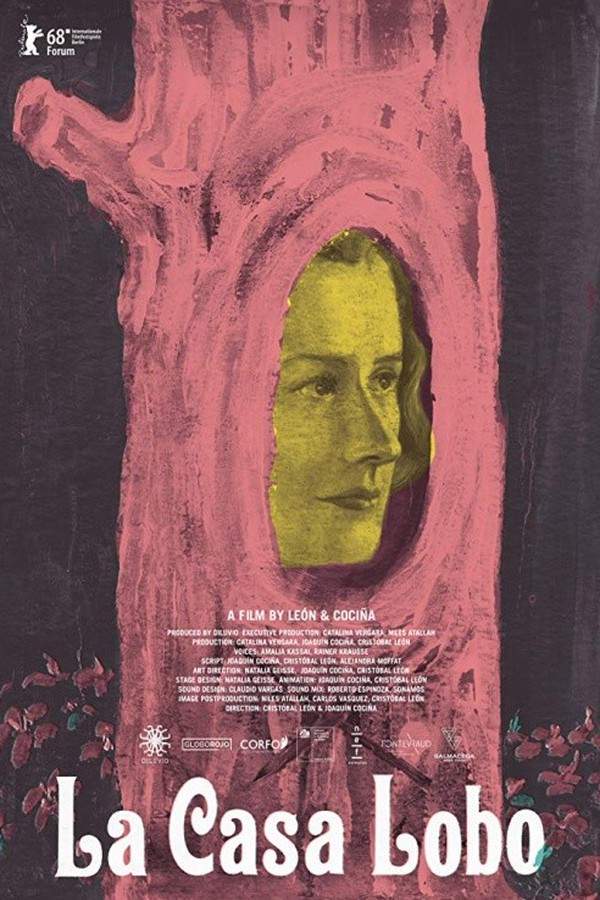
Fleeing a strict German religious group, Maria seeks refuge in a remote Chilean house and finds companionship with two pigs. As she confronts her past, her emotional turmoil manifests in increasingly bizarre and unsettling ways. The house and its surroundings begin to warp, blurring the lines between reality and nightmare as humans transform into animals and a sense of dread permeates the isolated location.
Warning: spoilers below!
Haven’t seen The Wolf House yet? This summary contains major spoilers. Bookmark the page, watch the movie, and come back for the full breakdown. If you're ready, scroll on and relive the story!
Read the complete plot breakdown of The Wolf House (2020), including all key story events, major twists, and the ending explained in detail. Discover what really happened—and what it all means.
María Wehrle, a lazy and irresponsible girl residing in the secluded Colony, chooses to flee into the woods rather than face the inevitable punishment from the community for her lack of contribution. During her escape, she narrowly avoids capture by a persistent Wolf and finds refuge in an abandoned house.
Within this peculiar dwelling, she discovers two pigs, the only other inhabitants. In a dream-like manner, the house adapts to María’s emotions, morphing into her envisioned sanctuary. To her astonishment, the pigs gradually transform into human forms, adopting the names Ana and Pedro. Although the ominous presence of the Wolf looms outside, preventing their escape, the trio shares a fleeting period of happiness. María, however, dismisses the Wolf’s repeated invitations to return to the Colony, rejecting its characterization of the house as a mere cage.
As the days pass, the isolated household finds itself running low on provisions. Ana and Pedro become increasingly guarded and hostile towards María, hoarding food and sharing it privately. Fearful of confronting them, María seeks solace in the woods to pick apples, but Ana and Pedro block her path, insisting that there’s ample food at home and that venturing outside would only heighten her risk of encountering the Wolf. For the first time, María finds herself longing for the Colony and begins to view the Wolf in a more favorable light, convinced that it knows the way back and would care for her wellbeing.
In a shocking twist, Ana and Pedro restrain María to a bed to thwart her escape plans. As they discuss their gnawing hunger while looming over her, an unsettling realization dawns on María: they plan to consume her. In a moment of despair, she fervently prays to the Wolf for salvation. To her rescue, the Wolf enters the home and dispatches Ana and Pedro with deadly force. Following this harrowing event, María undergoes a transformation, turning into a bird and soaring back toward the Colony.
In a poignant closing monologue, the Wolf reflects on how María reclaimed her industrious spirit upon returning home. He extends an invitation to the “little pigs” in the audience, promising them a safe journey back to the Colony, where he vows to take care of them.
Last Updated: November 16, 2024 at 17:53
Discover curated groups of movies connected by mood, themes, and story style. Browse collections built around emotion, atmosphere, and narrative focus to easily find films that match what you feel like watching right now.
Stories where reality dissolves into a subjective nightmare of trauma and paranoia.If you liked the nightmarish, psychological unraveling in The Wolf House, explore more movies where reality is distorted by trauma. These films use surreal imagery and unreliable narration to plunge you into a character's fractured mind, creating a similar feeling of claustrophobic dread and perceptual horror.
Narratives in this thread often follow a character grappling with severe psychological distress, trauma, or paranoia. The external world—be it a house, a landscape, or a community—begins to reflect their internal turmoil, transforming into a surreal and threatening dreamscape. The plot progresses not through logical events, but through a series of symbolic and increasingly disturbing impressions that chart the character's descent.
These movies are grouped together because they share a core technique of undermining objective reality to explore psychological horror. They prioritize mood, symbolism, and subjective experience over conventional plotting, resulting in a uniquely intense and unsettling viewing experience that lingers long after the film ends.
Chilling stories that use metaphor and symbolism to critique real-world oppression.Viewers seeking movies like The Wolf House will find similar chilling allegories in this thread. These films use their narratives as metaphors for real-world events, such as cults, dictatorships, and systemic oppression, blending horror with potent political and social commentary.
The narrative pattern involves a contained, often fantastical story that parallels a larger historical or political reality. Characters and events symbolize broader forces of oppression, resistance, and trauma. The horror arises not just from immediate threats, but from the understanding of the real-world suffering being reflected. The plot unfolds on two levels: the literal events within the film's world and the allegorical meaning they represent.
These films are united by their use of allegory as a primary narrative device to deliver sharp political and social critique. They share a dark tone and a commitment to using genre conventions to explore complex, heavy themes, making the horror intellectually engaging as well as visceral.
Don't stop at just watching — explore The Wolf House in full detail. From the complete plot summary and scene-by-scene timeline to character breakdowns, thematic analysis, and a deep dive into the ending — every page helps you truly understand what The Wolf House is all about. Plus, discover what's next after the movie.
Track the full timeline of The Wolf House with every major event arranged chronologically. Perfect for decoding non-linear storytelling, flashbacks, or parallel narratives with a clear scene-by-scene breakdown.
Discover the characters, locations, and core themes that shape The Wolf House. Get insights into symbolic elements, setting significance, and deeper narrative meaning — ideal for thematic analysis and movie breakdowns.
Get a quick, spoiler-free overview of The Wolf House that covers the main plot points and key details without revealing any major twists or spoilers. Perfect for those who want to know what to expect before diving in.
Visit What's After the Movie to explore more about The Wolf House: box office results, cast and crew info, production details, post-credit scenes, and external links — all in one place for movie fans and researchers.
Discover movies like The Wolf House that share similar genres, themes, and storytelling elements. Whether you’re drawn to the atmosphere, character arcs, or plot structure, these curated recommendations will help you explore more films you’ll love.
The Wolf House (2020) Scene-by-Scene Movie Timeline
The Wolf House (2020) Movie Characters, Themes & Settings
The Wolf House (2020) Spoiler-Free Summary & Key Flow
Movies Like The Wolf House – Similar Titles You’ll Enjoy
Pig (2021) Spoiler-Packed Plot Recap
Lamb (2021) Spoiler-Packed Plot Recap
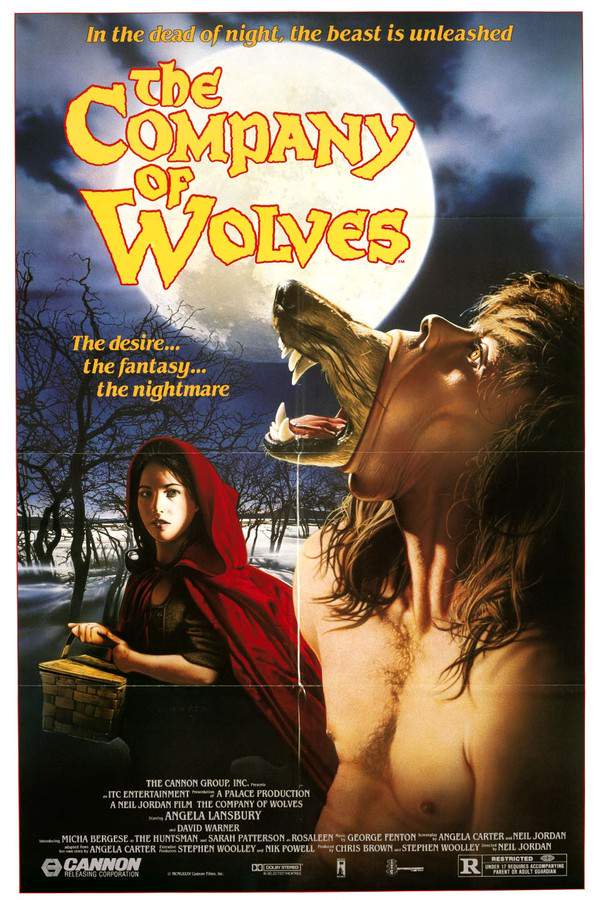
The Company of Wolves (1985) Detailed Story Recap
The Imagined Wolf (2019) Plot Summary & Ending Explained
Sheep & Wolves: Pig Deal (2019) Complete Plot Breakdown
The House of Snails (2021) Plot Summary & Ending Explained
The House of the Lost on the Cape (2021) Film Overview & Timeline
The House (2022) Movie Recap & Themes
Wolf’s Box (2023) Story Summary & Characters
Hour of the Wolf (1968) Movie Recap & Themes
The Big Bad Wolf (1934) Spoiler-Packed Plot Recap
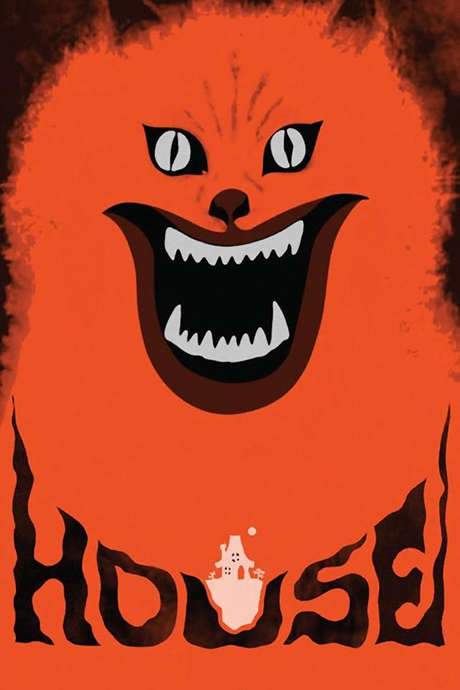
House (1977) Complete Plot Breakdown
Three Little Wolves (1936) Movie Recap & Themes
House of the Wolf Man (2009) Full Movie Breakdown
The Three Little Pigs (1999) Full Summary & Key Details