Plot Explained Spoilers guaranteed!
Plot Explained

Browse by genre

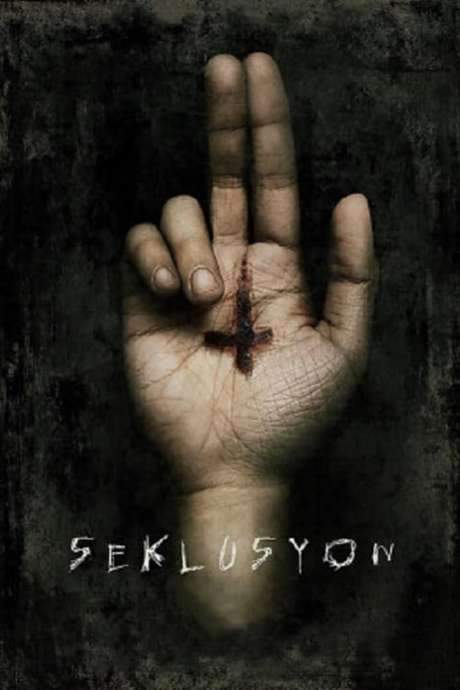
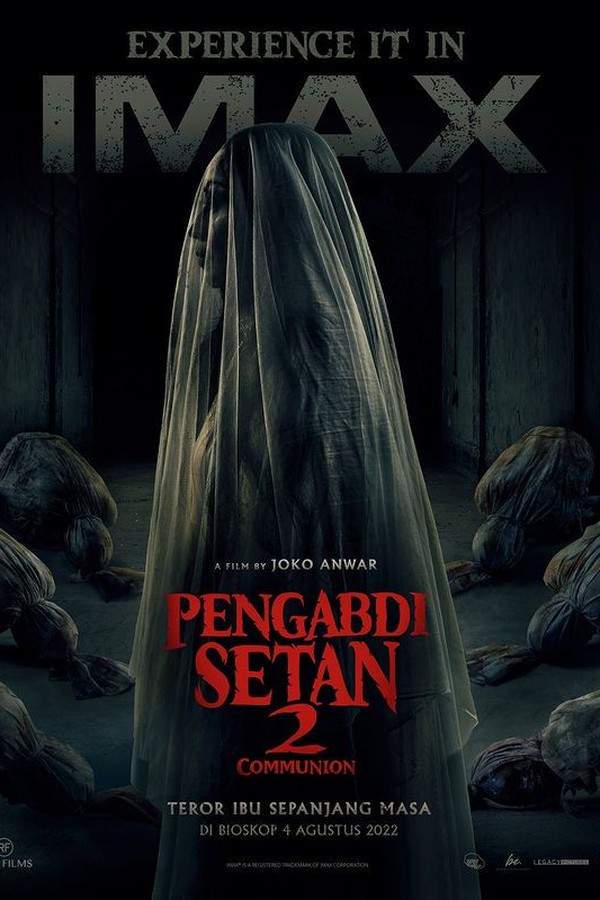
Satan's Slaves: Communion (2022) movie poster

Plot Summary

Satan's Slaves: Communion (2022) Plot Summary Explained

Release, runtime and language
2022 · 119 min · Indonesian
Echo score 76
JustWatch #22,287 6
Directed by
Joko Anwar
Starring
Muzakki Ramdhan, Egy Fedly, Ratu Felisha, Bront Palarae, Endy Arfian, Fatih Unru
Budget
$900K

In 1955, investigative journalist Budiman Syailendra finds himself abducted by his friend, Chief Heru Kusuma, and taken to a remote, desolate location. There, he is confronted with a horrifying scene: numerous exhumed corpses arranged in a disturbing display within an observatory. This unsettling discovery plunges Budiman into a dark and foreboding mystery, challenging his sanity and resolve as he seeks to uncover the truth behind this macabre event.

On this page (6)
  1. 1 Where to watch
  2. 2 What happens: full plot
  3. 3 Plot questions answered
  4. 4 Movie threads
  5. 5 Movies like Satan's Slaves: Communion
  6. 6 Every angle

Where to watch

Where to Watch Satan's Slaves: Communion (2022)

Where can you watch Satan's Slaves: Communion? Stream, rent or buy it in the US, including on AMC+, Philo and Shudder: current JustWatch availability with up-to-date prices.

Streaming availability powered by JustWatch

Full plot summary · contains spoilers

What Happens in Satan's Slaves: Communion: Full Plot Summary

The whole story of Satan's Slaves: Communion (2022) explained, from the opening scene to the final frame: every key event, every twist and what it all adds up to. Read it as a quick recap before the sequel, to check a scene you missed, or to finally understand what really happened.

As the year 1955 unfolds, seasoned newspaper journalist Budiman Syailendra receives an urgent summons to witness an enigmatic occurrence at Bosscha Observatory. His steadfast ally, Heru, a police commander, has been burdened with the task of managing a chilling discovery — a multitude of exhumed corpses lies in front of a framed portrait of the mysterious Mawaran, as if paying homage. With strict orders to keep this unnerving revelation under wraps in order to preserve the country's reputation ahead of the significant Bandung Conference, Heru persuades Budiman to share the story through unconventional means, feeling deep down that the truth deserves to be revealed.

Fast-forward to 1984, where we find ourselves amid the dilapidated surroundings of Mandara Apartments in Jakarta. Rini has been struggling to make ends meet alongside her brothers Toni and Bondi, while their father Bahri Suwono remains shrouded in mystery, juggling odd jobs during the day while safeguarding a briefcase full of secrets. Meanwhile, Budiman, now the editor-in-chief of a prestigious occult magazine, receives a cryptic package containing a suicide note from Heru, alongside unsettling photographs and drawings signaling cult activities emerging within the ominous structure of Mandara. Concerningly, the unsettling images indicate that Bahri was among the police officers who escorted Budiman to the observatory years ago.

In a tragic turn of events, a malfunctioning lift at Mandara leads to catastrophe, claiming numerous lives. As the storm rages and floods engulf the building, trapping its residents, Rini offers solace to Wisnu, a young boy mourning his mother, who fell victim to the calamity. Their shared grief uncovers a connection that transcends ordinary understanding. Wisnu discloses the secret sign language he learned from an occult book, which allowed him and his mother to communicate in silence, evading the cruelty of his abusive father.

As the flooding stirs something malevolent, supernatural disturbances begin to torment the residents. The power grid fails, prompting Bondi and his friends to discover haunting photographs in the building manager's apartment, illuminating the sinister truth of a cult congregation every 29 years on April 17th, a date now ominously drawing near. Meanwhile, Toni stumbles upon a hidden room revealing unsettling details of their deceased mother, Mawarni, who is intriguingly linked to a dark alter ego known as Raminom. This revelation triggers a cascade of memories for Rini, recalling her own mother's metamorphosis into an unfamiliar figure following her musical aspirations.

As threat levels rise and paranormal forces unleash their fury, Rini dares to open Bahri’s briefcase, unveiling severed fingers that insinuate his connection to the occult. In desperate search of answers, the siblings ascend to the top floor where Ian, their youngest brother, is revealed to have been taken by the cult. Wisnu's newfound sign language bridges the gap, allowing Ian to acknowledge his identity as a long-lost companion.

Just when it seems that despair reigns supreme, the eerie tranquillity of Mandara is shattered by the alarming return of the dead. Raminom orchestrates a relentless pursuit of destruction, targeting the siblings, Wisnu, and a few remaining survivors. An attempt to reach safety brings them face to face with Bahri, only to be ensnared by the cult’s fervent followers led by Ian. What unfolds is a grim spectacle as Ian, driven by dreadful joy, brutally executes Bahri in a horrific display of power. In the nick of time, Budiman intervenes, unleashing chaos through gunfire and providing the fleeting chance of escape. Wisnu uses his sign language for a desperate plea while Rini acts swiftly to incapacitate Ian. Amidst the chaos, they successfully break free via boat, where Budiman reveals the shocking history tethering Bahri to the cult — a web of manipulation and forced compliance with the Indonesian government, all initiated by Mawarni's ominous promise of fame.

The subsequent day, Darminah and husband Batara arrive at Mandara, visibly disheartened for having missed the night's grim rituals. Nonetheless, Batara reassures his wife that everything transpired perfectly, as evidenced by a photograph adorning the wall that depicts them alongside other dignitaries from the influential 1955 Bandung Conference, bearing testimony to their uncanny youthfulness.
Last updated: November 17, 2024 at 22:37

Was this helpful?

Plot questions answered

Satan's Slaves: Communion Plot Explained: Your Questions Answered

The questions people ask most about Satan's Slaves: Communion (2022): what happens in the confusing scenes, why the characters do what they do, the twists, hidden details and what the ending means. Each answer contains spoilers.
Q1

Why was Bahri at Bosscha Observatory in 1955?

Bahri was one of the police officers who escorted Budiman to Bosscha Observatory in 1955. He was part of the detail that discovered the exhumed corpses arranged in front of Mawaran's portrait. Years later, his involvement with the cult was revealed through the photographs Budiman received, showing Bahri among the officers at that disturbing scene.

  • bahri
  • bosscha observatory
  • 1955
  • police
  • mawaran
Q2

What is Raminom and how is it connected to Mawarni?

Raminom is the dark alter ego of Mawarni, the siblings' deceased mother. After pursuing her musical aspirations, Mawarni underwent a transformation and became Raminom, a persona linked to the cult's supernatural activities. Toni discovers a hidden room revealing this connection, and Rini's memories confirm her mother changed into someone unrecognizable following her musical ambitions.

Foreshadowing: Earlier scenes show Rini recalling her mother's strange transformation after she started pursuing music.

  • raminom
  • mawarni
  • mother
  • cult
  • transformation
Q3

What is the significance of the 29-year cult cycle on April 17th?

The cult gathers every 29 years on April 17th in what appears to be a ritualistic congregation. Bondi discovers photographs in the building manager's apartment revealing these gatherings, with the date drawing near during the 1984 timeline. This cycle connects the 1955 discovery at Bosscha Observatory to the events at Mandara Apartments nearly three decades later.

  • cult
  • april 17
  • 29 years
  • ritual
  • mandara apartments
Q4

Why does Bahri keep severed fingers in his briefcase?

The severed fingers in Bahri's briefcase serve as a grim symbol of his forced involvement with the cult. Budiman reveals after the escape that the Indonesian government initiated a program of manipulation and forced compliance with the cult, using promises of fame, specifically made to Mawarni, to entrap participants like Bahri. The fingers represent the cost of his entanglement with the dark organization.

  • bahri
  • severed fingers
  • briefcase
  • cult
  • forced involvement
Q5

How did Wisnu learn the cult's sign language?

Wisnu learned a secret sign language from an occult book, which he and his mother used to communicate in silence to evade his abusive father. This same sign language later becomes crucial when identifying Ian as a cult member, Wisnu's communication allows Ian to recognize his siblings, providing a pivotal moment in the escape.

  • wisnu
  • sign language
  • occult book
  • communication
  • ian
Q6

Why does Ian kill his own father Bahri?

Ian was taken by the cult and brainwashed during their time at Mandara Apartments. When the siblings attempt to escape with Bahri, Ian, now fully under the cult's control, brutally executes his own father in a horrific display of the cult's grip on its followers. His actions demonstrate how completely the organization has corrupted the youngest sibling.

Foreshadowing: The cult's influence over Ian becomes evident when they discover him taken to the top floor of the building.

  • ian
  • bahri
  • father
  • cult
  • killed
  • brainwashed
Q7

What is the connection between the Bandung Conference and the cult?

The 1955 Bandung Conference was a major political event for Indonesia, and Heru needed to keep the exhumed corpses discovery secret to protect the country's reputation ahead of this significant diplomatic gathering. The ending photograph shows Darminah and Batara alongside other Bandung Conference dignitaries, revealing that the cult has infiltrated the highest levels of government, explaining how Bahri was coerced into compliance.

  • bandung conference
  • 1955
  • government
  • cult
  • cover-up
Q8

How do Darminah and Batara appear unchanged since 1955?

Darminah and Batara arrive at Mandara the day after the disaster, lamenting missing the night's rituals. Batara shows Darminah a photograph from the 1955 Bandung Conference that depicts them in their youthful prime, despite looking identical in 1984. This suggests the cult has granted them some form of longevity or preserved their youth, further connecting the cult to powerful government figures from the 1955 era.

  • darminah
  • batara
  • photograph
  • bandung conference
  • youth
  • immortality
Q9

How does the 1955 storyline connect to the events in 1984?

The two timelines connect through Budiman, who was the journalist present at Bosscha Observatory in 1955 and becomes the occult magazine editor in 1984. The exhumed corpses discovery he witnessed is linked to Mandara Apartments through the cult's 29-year cycle. Additionally, Bahri was one of the police officers from the 1955 scene, creating a direct family connection between the two timelines.

  • 1955
  • 1984
  • timeline
  • budiman
  • mandara apartments
  • bosscha
Q10

Why does Rini suddenly remember her mother's transformation?

Rini's memories of her mother's transformation surface when Toni discovers the hidden room revealing Mawarni's connection to Raminom. This discovery triggers fragmented memories of watching her mother change into an unfamiliar person after pursuing musical aspirations, memories Rini had likely suppressed due to the traumatic nature of witnessing her mother's transformation into the cult-linked persona.

Foreshadowing: The hidden room discovery acts as the catalyst for Rini's suppressed memories to resurface.

  • rini
  • mawarni
  • memory
  • transformation
  • music
Q11

Who is Mawaran and what is the cult's connection to this figure?

Mawasan is the mysterious figure depicted in the portrait at Bosscha Observatory where the exhumed corpses were found arranged as if paying homage. The cult worships this figure, with followers gathering in front of their portrait during rituals. While the full details of Mawaran's identity remain obscure, the portrait serves as the focal point for the cult's reverence and their macabre ceremonies.

  • mawaran
  • portrait
  • cult
  • bosscha observatory
  • worship

Movie threads

More Movies Like Satan's Slaves: Communion, by Mood & Story

Curated lists built around what makes Satan's Slaves: Communion tick: the same mood, the same kind of story or the same emotional payoff. Each list explains why these movies belong together.

Familial occult horror movies like Satan's Slaves: Communion

Stories where family lineage and dark secrets collide with sinister supernatural forces. If you enjoyed the generational dread and family secrets in Satan's Slaves: Communion, explore more movies where supernatural horror is rooted in a family's dark past. These films feature cursed bloodlines, sinister inheritances, and the terrifying discovery that evil is in the family.

  • ominous
  • dread-filled
  • claustrophobic
  • paranoid
  • grief-stricken
  • suspenseful
  • Tone: dark, dread-filled
  • Pacing: steady, investigative
Why these movies?

The story pattern: These narratives typically follow a family unit—often after a loss or a move—unraveling a long-buried secret connected to a cult, a curse, or a supernatural entity. The investigation into their own history becomes a fight for survival, revealing that the greatest threat comes from within the family tree itself.

Why they belong together: Movies are grouped here for their core theme of family as the source of both sanctuary and horror. They share a focus on uncovering a dark legacy, the emotional weight of betrayals by blood, and the claustrophobic feeling of being trapped by a destiny you never chose.

Claustrophobic slow burn horror movies like Satan's Slaves: Communion

A steadily mounting atmosphere of terror within confined, inescapable spaces. Fans of the methodical tension and trapped feeling in Satan's Slaves: Communion will find similar dread in these slow burn horror films. They feature confined settings, a steady build of ominous atmosphere, and a focus on psychological terror over gore.

  • claustrophobic
  • slow burn
  • suspenseful
  • ominous
  • dread-filled
  • paranoid
  • Tone: ominous, melancholic
  • Pacing: steady, slow burn
Why these movies?

The story pattern: The narrative unfolds methodically, often confining characters to a single location—a house, an apartment, an institution—where the outside world feels distant. The pacing is steady, layering small clues and escalating unease until the full scope of the horror is revealed, creating a profound sense of inescapable doom.

Why they belong together: This thread groups movies based on their shared cinematic approach: a deliberate, steady pacing that cultivates maximum dread, combined with claustrophobic environments that heighten the characters' vulnerability and the viewer's anxiety. The experience is defined by sustained tension rather than frantic action.

If you liked this

Movies Like Satan's Slaves: Communion

Similar movies to Satan's Slaves: Communion: the same genre, themes or kind of story. Each one comes with its own plot summary, timeline and ending explained.

Browse all movie summaries

Every angle

Satan's Slaves: Communion (2022) Explained: Plot, Timeline & Characters

Everything about Satan's Slaves: Communion in one place: what happens in the plot summary, the timeline in chronological order, the characters and meaning and a spoiler-free summary. What's After the Movie adds the cast, box office and post-credit scenes.

Coming soon on iOS and Android

The Plot Explained Movie Summary App

Plot summaries, endings explained and timelines on your phone. Catch up on any movie in minutes, save your favorites and never miss a twist again.

Be the first to know when we launch. Your email stays private, always.

Learn more about the app