Plot Explained Spoilers guaranteed!
Plot Explained

Browse by genre

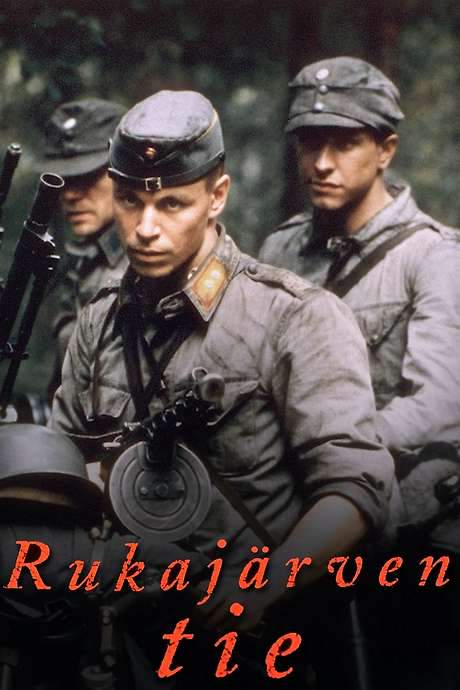
The Winter War (1989) movie poster

Timeline

The Winter War (1989) Timeline Explained – Every Event in Order

Release, runtime and language
1989 · 189 mins · Finnish
Directed by
Pekka Parikka
Starring
Juuso Hirvikangas, Matti Onnismaa, Taneli Mäkelä, Timo Torikka, Ville Virtanen, Vesa Vierikko

In late November 1939 Russia attacks Finland, and a platoon of reservists from the farming community of Kauhava in Ostrobothnia is mobilised. The story follows farmer brothers Martti and Paavo Hakala as they leave their families to confront the brutal, icy battlefields, fighting to hold back the Russian juggernaut in a frozen hell.

On this page (5)
  1. 1 Events in order (13)
  2. 2 Timeline questions answered
  3. 3 Movie threads
  4. 4 Movies like The Winter War
  5. 5 Every angle

13 events in order · contains spoilers

The Winter War Timeline: Events in Chronological Order

Every key event of The Winter War (1989) in order, scene by scene, with when and where it takes place. Use it to untangle flashbacks, time jumps and parallel storylines, to refresh your memory before the sequel or to find the exact scene you are thinking of.

  1. Reservists are called up and muster in Kauhava

    On 13 October 1939, reservists of the Finnish Army are called up for active duty as the threat of Soviet invasion looms. Martti and Paavo Hakala, two farmer brothers from Kauhava, join others in a half-platoon under Second Lieutenant Jussi Kantola. After mustering at the local school, the men ride trains to Seinäjoki to join the 23rd Regiment.

    When
    13 October 1939
    Where
    Kauhava, Southern Ostrobothnia
  2. Training and deployment to the Karelian Isthmus

    After mustering, they travel to Seinäjoki to join the 23rd Regiment, and after weeks of practice the regiment heads to the Karelian Isthmus. Kantola's men help civilians evacuate their village and the unit prepares defenses for an anticipated Soviet attack. Lieutenant-Colonel Matti Laurila addresses the regiment before the march to Taipale.

    When
    late 1939
    Where
    Seinäjoki; Karelian Isthmus; Taipale
  3. Defenses built at the Taipale River

    The regiment marches to the Taipale River, where Kantola's men assist civilians in evacuating their village from the potential war zone. They begin building defensive works in anticipation of a Soviet assault. Laurila's leadership helps steady the troops as they prepare for contact with the Red Army.

    When
    early December 1939
    Where
    Taipale River
  4. Battle of Taipale begins

    On 6 December the Battle of Taipale opens as Soviet artillery shells the Finnish front. The Finns hold their positions while the Red Army masses outside the trenches. The day following, the Finns face renewed pressure as the Soviets deploy infantry and armor.

    When
    6 December 1939
    Where
    Taipale front
  5. Soviet air attack and T-26 assault

    On 7 December the Finns are strafed by the Soviet Air Force as the Red Army launches a human-wave assault supported by T-26 light tanks. Martti's unit endures artillery and air attacks while maintaining defensive positions. Casualties begin to mount among Finnish troops and civilians in the vicinity.

    When
    7 December 1939
    Where
    Taipale front
  6. Paavo is wounded and returns home

    During the Taipale fighting, Paavo Hakala is wounded and sent home to recover. He attends the funeral of four Kauhava men killed in the assault, a stark reminder of the cost of the siege. After a period of convalescence, he leaves for home and back to the front as soon as possible.

    When
    mid-December 1939
    Where
    Kauhava / Taipale
  7. Paavo returns to the front and is killed

    Paavo recovers and rejoins the front line, but is killed soon after when a Soviet artillery direct hit strikes in front of Martti. Martti witnesses Paavo's death and the loss underscores the human cost of the siege. The brothers' unit continues to hold positions despite mounting casualties.

    When
    December 1939
    Where
    Taipale front
  8. Kantola retakes a casemate and suffers losses

    Kantola is ordered to retake a casemate that had been captured by the Soviets when left unattended. The Finns drive the enemy out, but the assault incurs heavy casualties on both sides and tests the unit's endurance. The action demonstrates the brutal, close-quarters fighting on the Taipale front.

    When
    December 1939–January 1940
    Where
    Taipale front, near casemate
  9. Soviet attack paused and soldiers rest at Yläjärvi

    On 27 December the Soviets halt their attack on the Taipale front, and Kantola's men head to Yläjärvi for rest and recuperation. The pause allows the Finnish troops to regroup and replan, while Martti obtains home leave. Though relief is brief, the front remains tense as winter warfare continues nearby.

    When
    27 December 1939
    Where
    Yläjärvi
  10. Move to Vuosalmi to block the Vuoksi crossing

    After recuperation, the unit transfers to Vuosalmi near Äyräpää to prevent the Soviets from crossing the Vuoksi River. The Finns launch attempts to blunt massed Soviet assaults and hold the riverline. The fighting intensifies as winter conditions persist and casualties accumulate.

    When
    early 1940
    Where
    Vuosalmi near Äyräpää
  11. Martti is nearly killed and cold retreat

    In the renewed fighting at Vuosalmi, Martti is almost killed when a Soviet soldier butt-strokes him, forcing the Finns to retreat to more defensible positions. The incident underscores how close the battle edges were to catastrophe for the Hakala brothers and their comrades. The front remains under heavy pressure as Soviet waves sweep forward.

    When
    early March 1940
    Where
    Vuosalmi / Äyräpää
  12. Nurmo counterattack and stalled progress

    On 5 March, Martti, Kantola and the surviving Finns cover a counterattack by the Nurmo men, but a delay allows the Soviets to secure an advantageous position. The counterattack demonstrates a stubborn Finn defense, but the overall momentum remains with the Red Army. The fighting continues as both sides suffer casualties.

    When
    5 March 1940
    Where
    Nurmo vicinity
  13. Ceasefire and Moscow Peace Treaty takes effect

    On the morning of 13 March the Moscow Peace Treaty takes effect and fighting stops at eleven o’clock. The Taipale-Vuosalmi front goes quiet as the war ends for now, leaving survivors to reflect on the losses suffered. The Finnish defense, though costly, manages to slow the Soviet advance along the Isthmus.

    When
    13 March 1940

Last updated: November 29, 2025 at 00:47

Was this helpful?

Timeline questions answered

The Winter War Timeline Explained: Your Questions Answered

When does it happen, and why in that order? The questions people ask about the chronology of The Winter War (1989): time jumps, flashbacks, cause and effect between scenes and the correct order of events, each answered with spoilers.

Q1

Why did Paavo Hakala return to the front after being wounded?

Paavo Hakala was wounded during the Battle of Taipale and sent home to recover. After convalescing, he chose to return to the front as soon as possible to rejoin his brother Martti and their unit. His decision reflects the strong sense of duty and camaraderie among Finnish soldiers during the Winter War, where many wounded men hurried back to their positions rather than stay safely behind the lines.

  • paavo hakala
  • wounded
  • return to front
  • battle of taipale
Q2

How was Paavo Hakala killed?

Paavo Hakala was killed by a direct Soviet artillery hit while standing in front of his brother Martti. This happened shortly after Paavo returned to the front following his wound recovery. Martti witnessed the fatal strike, making it a devastating moment that underscored the randomness and brutal nature of artillery fire on the battlefield.

  • paavo hakala death
  • artillery hit
  • killed in action
Q3

Why did the Soviet attack on the Taipale front halt on 27 December?

The Soviet attack halted on 27 December 1939 because the Red Army paused its offensive to regroup, resupply, and reassess their strategy. This temporary lull allowed Kantola's men to withdraw to Yläjärvi for rest and recuperation. The pause was strategic rather than a Finnish victory, the Soviets had suffered heavy casualties during their repeated human-wave assaults and needed time to reorganize before launching new attacks.

  • soviet attack halted
  • taipale front
  • 27 december
  • regrouping
Q4

What happened during the casemate assault at Taipale?

Second Lieutenant Jussi Kantola was ordered to retake a Finnish casemate that had been captured by the Soviets after being left unattended. The Finns successfully drove the Soviets out of the position, but suffered heavy casualties in the close-quarters fighting. To prevent the Soviets from retaking it, the Finns destroyed the casemate itself, sacrificing the defensive position rather than losing more men holding it.

  • casemate assault
  • taipale
  • kantola
  • close-quarters fighting
Q5

Why were the Finns overwhelmed at Vuosalmi near Äyräpää?

The Finns were overwhelmed at Vuosalmi because the Soviets launched repeated human-wave assaults with overwhelming numerical superiority. Despite the Finnish troops' desperate attempts to defend the Vuoksi River crossing point, the sheer weight of Soviet infantry attacks eventually broke through their defensive lines. The Finns were forced to retreat to more defensible positions as they could not hold against the continuous Soviet waves.

  • vuosalmi
  • overwhelmed
  • soviet human wave
  • retreat
Q6

What nearly killed Martti Hakala at Vuosalmi?

Martti Hakala was nearly killed when a Soviet soldier struck him with a rifle butt (butt-stroke) during the fighting at Vuosalmi. This close-combat attack left Martti vulnerable and forced the surviving Finnish troops to retreat from their position. The incident demonstrates how death could come suddenly at close range, not just from artillery or distant gunfire.

  • martti hakala
  • butt-stroke
  • near death
  • vuosalmi
Q7

Why did the Moscow Peace Treaty end the fighting?

The Moscow Peace Treaty, signed on 12 March 1940, ended the Winter War the following morning. Finland agreed to cede approximately 10% of its territory, including parts of Karelia, to the Soviet Union. The treaty was signed because Finland's military resistance, though heroic and costly to the Soviets, could not be sustained against the overwhelming Red Army offensive. The war ended not through Finnish victory but through negotiation that required significant territorial concessions.

  • moscow peace treaty
  • ended war
  • march 13 1940
  • territorial concessions
Q8

Why did the counterattack by Nurmo men fail on 5 March?

The counterattack by the Nurmo men on 5 March failed because a delay allowed the Soviets to secure an advantageous position before the attack could be launched. When the Finns finally advanced, the Soviets were already dug in and prepared, turning the counterattack into a costly failure. This delay exemplifies how logistical and coordination challenges plagued Finnish operations as the war dragged on and resources dwindled.

  • nurmo counterattack
  • 5 march
  • delay
  • failed attack
Q9

Why did the Soviet army use human-wave attacks at Taipale and Vuosalmi?

The Soviet Red Army employed human-wave tactics at Taipale and Vuosalmi because they relied on overwhelming numerical superiority to break through Finnish defensive lines. These mass infantry assaults, often supported by T-26 tanks, were intended to exhaust Finnish ammunition and morale through sheer volume of soldiers. While the Finns initially held their ground against these attacks, the constant pressure eventually overwhelmed their positions despite inflicting heavy Soviet casualties.

  • human wave attacks
  • soviet tactics
  • taipale
  • vuosalmi
  • t-26 tanks
Q10

Why did the Battle of Taipale begin on Finnish Independence Day?

The Battle of Taipale began on 6 December 1939, Finnish Independence Day, as the Soviet offensive finally reached that sector of the Karelian Isthmus. The attack on this symbolic date was likely intended by the Soviets to maximize psychological impact on Finnish defenders. The timing meant the Finnish troops faced the full brunt of Soviet artillery and infantry assaults on a day of national significance, making the defense even more meaningful to the soldiers.

  • battle of taipale
  • independence day
  • 6 december
  • soviet offensive
Q11

Why was the casemate left unattended, allowing Soviets to capture it?

The casemate was left unattended at some point during the chaotic fighting at Taipale, creating an opportunity for Soviet forces to infiltrate and capture the position. This lapse in control prompted Kantola's orders to retake the casemate. The incident reflects the challenging conditions of winter warfare, where constant artillery bombardment and personnel losses made it difficult to maintain every defensive position simultaneously.

  • casemate
  • captured
  • unattended
  • kantola
  • taipale
Q12

Why did four men from Kauhava die in the early fighting?

Four men from Kauhava were killed during the initial Soviet assault on the Finnish trenches at Taipale. Their deaths occurred during the first major human-wave attack on 7 December 1939, when Soviet infantry supported by T-26 tanks overwhelmed part of the Finnish defensive line. Paavo Hakala attended their funeral when he was sent home wounded, which highlighted the personal cost the war was extracting from the small farming community.

  • kauhavamen killed
  • funeral
  • taipale
  • battle casualties

Movie threads

More Movies Like The Winter War, by Mood & Story

Curated lists built around what makes The Winter War tick: the same mood, the same kind of story or the same emotional payoff. Each list explains why these movies belong together.

Grim War Films Like The Winter War

Gritty films that strip away glory to show war's brutal, dehumanizing toll. For viewers of The Winter War seeking similar movies about the harsh realities of combat. This list features stories of frontline survival, historical conflicts, and the human cost of war, capturing a bleak and intense viewing experience.

  • grim
  • brutal
  • somber
  • oppressive
  • desperate
  • tragic
  • Tone: bleak, grim, desperate
  • Pacing: steady, methodical
Why these movies?

The story pattern: Narratives in this thread typically follow a straightforward chronological path, charting a unit's or soldier's descent into the abyss of warfare. The journey is marked by a steady, unrelenting pacing that builds tension through consecutive battles and mounting casualties, often concluding with a bleak resolution that underscores the sacrifice and tragedy of war.

Why they belong together: These movies are grouped together by their shared commitment to an unflinching, high-intensity portrayal of war. They possess a somber, oppressive tone, heavy emotional weight, and a focus on the visceral, desperate experience of combat, creating a coherently grim and impactful viewing experience.

Stories of Futile Struggle Like The Winter War

Stories where characters battle against impossible odds, facing inevitable tragedy. If you appreciated the themes of sacrifice and impossible odds in The Winter War, this collection features movies with similar narratives. Discover films about doomed missions, tragic heroes, and bleak endings that explore the human spirit in the face of certain loss.

  • tragic
  • hopeless
  • somber
  • resigned
  • desperate
  • sacrifice
  • Tone: bleak, tragic, somber
  • Pacing: steady, relentless
Why these movies?

The story pattern: The narrative pattern involves ordinary individuals or groups confronting a vastly superior adversary, whether it's a military force, a system, or fate itself. The journey is straightforward, charting their determined but ultimately hopeless efforts, leading to an ending that is somber and tragic, emphasizing the cost of their defiance rather than any tangible success.

Why they belong together: Movies in this thread share a profound sense of tragic inevitability. They are connected by a bleak tone, heavy emotional weight, and a plot structure that showcases courage and endurance in the face of overwhelming and unconquerable opposition, resulting in a deeply resonant and melancholic experience.

If you liked this

Movies Like The Winter War

Similar movies to The Winter War: the same genre, themes or kind of story. Each one comes with its own plot summary, timeline and ending explained.

Browse all movie summaries

Every angle

The Winter War (1989) Explained: Plot, Timeline & Characters

Everything about The Winter War in one place: what happens in the plot summary, the timeline in chronological order, the characters and meaning and a spoiler-free summary. What's After the Movie adds the cast, box office and post-credit scenes.

Coming soon on iOS and Android

The Plot Explained Movie Summary App

Plot summaries, endings explained and timelines on your phone. Catch up on any movie in minutes, save your favorites and never miss a twist again.

Be the first to know when we launch. Your email stays private, always.

Learn more about the app