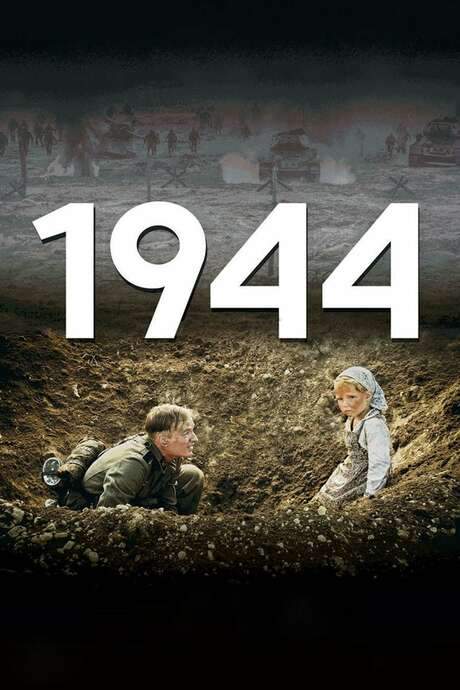
The film opens in July 1944 on the Tannenberg Line in Estonia, where a unit of Estonian Waffen-SS soldiers led by Rudolf Kask Ivo Uukkivi find themselves pinned down by a relentless Red Army advance. A visiting Nazi official hands out signed photographs of Hitler, a gesture that draws smirks and scoffs from the exhausted troops and the civilians who gather to watch. The mood is a jagged mix of bravado and fear as propaganda collides with the hard reality of war. The Soviet onslaught grows overwhelming in numbers—tanks churn forward, infantry streams push through, and the German defenders are forced to retreat, sometimes through streams and crowds of frightened refugees. By the end of a ferocious clash, the victors are the Red Army, including an Estonian unit, and the German lines crumble in retreat.
As the fighting ebbs, the dead from both sides are buried in a mass grave, a stark symbol of the war’s indiscriminate reach. Among the living, a Red Army Estonian fighter named Jüri Jõgi Kristjan Üksküla strips the body of Karl Tammik Kaspar Velberg and uncovers an unposted letter written to Karl’s sister Aino Tammik Maiken Pius in Tallinn. When Tallinn falls to Soviet hands, Jüri travels there in person to deliver the letter, and a quiet, fragile friendship develops between Jüri and Aino, a connection that provokes the ire of his unit’s political officer and exposes the tension between personal loyalties and ideological control.
The story then shifts to the Sõrve Peninsula during the Moonsund operation in November, where Jüri’s unit captures a group of sixteen-year-old Estonian youths dressed in German uniforms. The political officer commands Jüri to execute them all, and when Jüri dares to question the order, the officer shoots him dead. Seconds later, one of Jüri’s comrades kills the officer in turn. On Jüri’s body, a comrade discovers the same unposted letter to Aino, and, during a spell of leave, he personally carries the letter to Tallinn to complete the long-delayed exchange.
Throughout its runtime, the film threads a meditation on loyalty, moral ambiguity, and the stubborn endurance of human connection in the face of brutal conflict. It treats letters as lifelines—small, intimate acts that outlast banners and battalions, binding strangers across time and tragedy. The narrative never shies away from the harsh consequences of war, yet it grounds its drama in the tender, almost ordinary stubbornness of people who choose to care for one another beyond the borders of the battlefield.