Plot Explained Spoilers guaranteed!
Plot Explained

Browse by genre

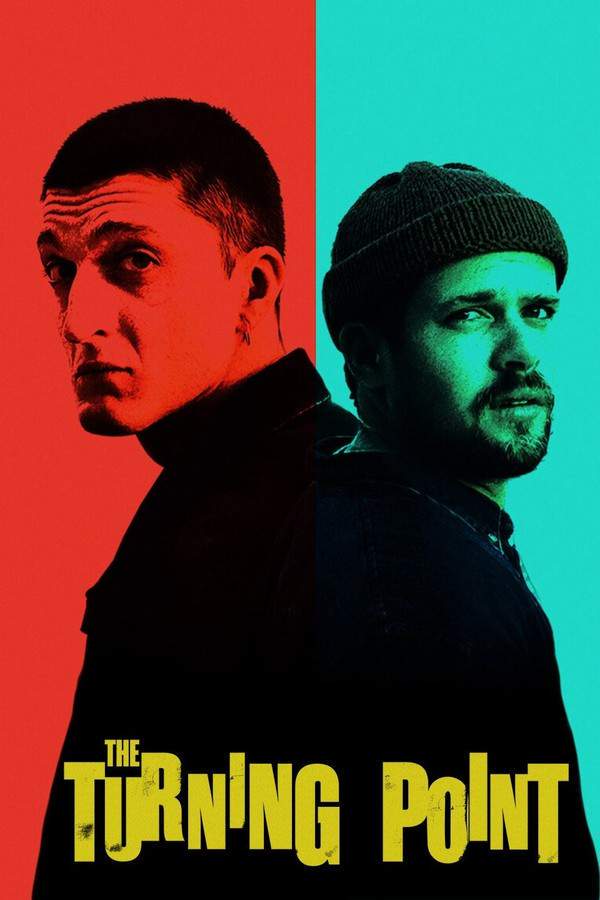
The Turning Point (1952) movie poster

Characters & Themes

The Turning Point (1952) Characters, Setting & Themes Explained

Release, runtime and language
1952 · 85 mins · English
Directed by
William Dieterle
Starring
William Holden, Edmond O'Brien, Ted de Corsia, Whit Bissell, Neville Brand, Carolyn Jones

Special prosecutor John Conroy vows to eradicate organized crime, naming his father, cop Matt Conroy, chief investigator. John can’t understand Matt’s reluctance; Jerry McKibbon suspects Matt’s ties to mob lieutenant Harrigan. Jerry’s loyalty to John is strained by doubts about Matt and attraction to girlfriend Amanda, as the racketeers turn to violence.

On this page (7)
  1. 1 Characters explained (8)
  2. 2 Where & when it takes place
  3. 3 Themes & meaning (4)
  4. 4 Character & meaning questions
  5. 5 Movie threads
  6. 6 Movies like The Turning Point
  7. 7 Every angle

8 main characters · contains spoilers

The Turning Point Characters Explained: Who Is Who

The main characters of The Turning Point (1952), heroes and villains: what drives them, how they change over the course of the story and what each of them reveals about the film's bigger ideas.

  • Jerry McKibbon (William Holden)

    An earnest local journalist who leans toward supporting Conroy but suspects his inexperience. He pursues truth and becomes a key voice for exposing the mob’s reach, balancing sympathy with a commitment to accountability. He risks his safety and ultimately confronts dangerous forces in pursuit of justice and transparency.

    • 🕵️ Investigative journalist
    • ⚖️ Moral conflict
    • 💔 Personal risk
  • John Conroy (Edmond O'Brien)

    A determined Special Prosecutor granted extraordinary powers to dismantle the crime syndicate. He relies on the journalist’s discoveries and relentlessly pursues the case, pressuring corrupt figures to reveal the truth. His leadership drives the crackdown, even as personal and political pressures mount.

    • ⚖️ Prosecutor
    • 💼 Authority
    • 🔎 Investigation
  • Matt Conroy (Tom Tully)

    A local policeman who is secretly on the mob’s payroll, playing both sides as the plot unfolds. He ruses to procure a damaging file but intends to keep a copy, revealing his betrayal. His murder during a staged robbery and the subsequent cover-up expose the depth of corruption.

    • 🕵️‍♂️ Police corruption
    • 💔 Betrayal
    • 🗡️ Violence
  • Neil Eichelberger (Ed Begley)

    The ruthless crime boss behind the syndicate, with a callous disregard for those harmed by his operation. He orders murders, has a building burned to avoid subpoenas, and manipulates everyone around him to maintain control. His actions anchor the film’s moral crisis and ultimate downfall.

    • 💼 Crime boss
    • 🧠 Manipulation
    • 🔥 Power
  • Carmelina LaRue (Adele Longmire)

    Widow of Monty LaRue who holds the key to proving the murder by LaRue. She seeks vengeance and allies with McKibbon and Conroy to topple Eichelberger, and her testimony becomes pivotal in the final act. Her resolve transforms from victim to witness and catalyst for justice.

    • 🧭 Revenge seeker
    • 👩‍⚖️ Witness
    • 💪 Determined
  • Roy Ackerman (Danny Dayton)

    A mobster who orchestrates violence and hires the hit man to target McKibbon. He embodies the project’s planning and greed, pressing for McKibbon’s destruction while veering between loyalty to the mob and personal gain. His schemes propel the film’s suspense and set the trap for the finale.

    • 💰 Crime lord
    • 🤝 Schemer
    • 🔫 Enforcer
  • Red (Neville Brand)

    A cold, efficient hired killer who executes orders without hesitation. He shoots McKibbon in the pursuit of power and fear, illustrating the brutal reach of the crime network. His presence heightens the sense of danger that envelops the protagonists.

    • 🔪 Assassin
    • 💥 Violence
    • 🤝 Ruthlessness
  • Monty LaRue

    The killer employed by Eichelberger to remove Matt Conroy during a staged robbery, who is then killed by another assailant. His role demonstrates the cold-blooded mechanics of the mob’s violence and its disposable nature.

    • 🗡️ Assassin
    • 💀 Violence
    • 🤝 Double-cross

Last updated: October 04, 2025 at 16:37

Was this helpful?

Setting

Where and When Does The Turning Point Take Place?

The setting of The Turning Point (1952): the year and time period, the places and locations, and how they shape the characters, the mood and the tension of the story.

Time period

Location

Midwestern town

The story unfolds in a large Midwestern town that serves as a noir backdrop for crime and law enforcement. The city’s streets, offices, and smoky rooms become stages for corruption, investigations, and dangerous confrontations. Institutions like the police department and the D.A.'s office are placed under pressure as the mob's reach spreads.

  • 🏙️ Midwestern town
  • 🔎 Crime investigation

Last updated: October 04, 2025 at 16:37

Was this helpful?

4 major themes

The Turning Point Meaning: Themes & Message Explained

What is The Turning Point (1952) really about? The emotional, social and philosophical themes the film keeps returning to, its symbolism and the message beneath the surface.

  • Corruption

    An intricate web of corruption threads through the film, with a crooked cop, a ruthless crime boss, and compromised officials. The investigation exposes how power and money bend truth, forcing moral compromises at every turn. The story underscores the high price of exposing crime in a system that protects its own.

  • Justice vs Loyalty

    Justice clashes with loyalty as the Special Prosecutor wields extraordinary power while some lawmen harbor ties to the mob. The journalist’s skepticism and the officials’ ambitions reveal how authority can shield or derail the pursuit of truth. Characters struggle to balance duty, family ties, and personal risk in a corrupt environment.

  • Sacrifice

    Truth seekers pay a steep price as McKibbon risks his life to expose the criminals, culminating in his death during the pursuit. Carmelina’s own pursuit of justice carries a heavy toll as she partners with reformers to bring down Eichelberger. The climax shows how sacrifice can catalyze accountability, even as the heroes fall.

  • Exposure

    Crimes are revealed through relentless investigation, testimony, and the readiness to act on evidence. Carmelina’s testimony and McKibbon’s reporting drive the downfall of Eichelberger’s empire. The final arrests demonstrate that truth and courage can topple even the most entrenched crime syndicates.

Last updated: October 04, 2025 at 16:37

Was this helpful?

Character & theme questions

The Turning Point Characters & Meaning: Your Questions Answered

The questions people ask about The Turning Point (1952): who the characters really are, their relationships, what the symbols mean, where it takes place and what the movie is really about. Each answer contains spoilers.

Q1

Where is The Turning Point set?

The movie takes place in a large Midwestern town that serves as a classic noir backdrop for the story. The setting features city streets, offices, and smoky rooms where corruption, investigations, and dangerous confrontations unfold. Key institutions like the police department and the D.A.'s office are central to the narrative as the mob's reach spreads through the city.

  • midwestern town
  • setting
  • city
  • noir
  • crime setting
Q2

What time period does the movie take place in?

The movie is set in the early 1950s, reflecting the era of post-war America when organized crime remained a significant problem in many American cities. This time period is typical for noir crime dramas, featuring the types of institutions, technology, and social dynamics appropriate for the 1950s.

  • 1950s
  • time period
  • era
  • post-war
Q3

What are the main themes of The Turning Point?

The film explores several interconnected themes including corruption, the clash between justice and loyalty, sacrifice, and exposure. The story centers on how an intricate web of corruption threads through the city, with crooked cops, ruthless crime bosses, and compromised officials. Characters struggle with balancing duty, family ties, and personal risk in a corrupt environment.

  • themes
  • corruption
  • justice
  • loyalty
  • sacrifice
  • exposure
Q4

What does the movie say about corruption?

The film portrays corruption as a pervasive system where power and money bend truth, forcing moral compromises at every turn. It shows how the police department and D.A.'s office are compromised, with officials protecting their own rather than pursuing justice. The story underscores the high price of exposing crime in a system that protects its own.

  • corruption
  • police corruption
  • organized crime
  • system
Q5

Who is John Conroy?

John Conroy is the Special Prosecutor in the movie, a determined leader granted extraordinary powers to dismantle the crime syndicate. He relentlessly pursues the case against organized crime, pressuring corrupt figures to reveal the truth. His investigation drives the crackdown on the mob, even as personal and political pressures mount around him.

  • john conroy
  • special prosecutor
  • law enforcement
  • hero
Q6

Who is Matt Conroy and what is his role?

Matt Conroy is a local policeman and the father of Special Prosecutor John Conroy. He is secretly on the mob's payroll, playing both sides as the plot unfolds. His role represents the devastating betrayal at the heart of the story, he procures damaging files for the investigation while intending to keep copies for himself, ultimately being murdered during a staged robbery.

  • matt conroy
  • corrupt cop
  • father
  • betrayal
  • police
Q7

Who is Jerry McKibbon?

Jerry McKibbon is an earnest local newspaper journalist who supports Conroy's investigation while also suspecting his inexperience. He becomes a key voice for exposing the mob's reach, pursuing truth and accountability. His character embodies the theme of sacrifice, as he risks his safety and ultimately gives his life in pursuit of justice and transparency.

  • jerry mckibbon
  • journalist
  • reporter
  • truth seeker
Q8

Who is Neil Eichelberger?

Neil Eichelberger is the ruthless crime boss behind the syndicate in the movie. He operates with a callous disregard for those harmed by his criminal enterprise, ordering murders and even having a building burned to avoid subpoenas. He manipulates everyone around him to maintain control, serving as the primary antagonist whose actions anchor the film's moral crisis.

  • neil eichelberger
  • crime boss
  • mob boss
  • villain
  • gangster
Q9

What is the central conflict in the story?

The central conflict revolves around Special Prosecutor John Conroy's mission to eradicate organized crime while being unaware that his own father, Matt Conroy, is corrupt and working for the mob. This creates a devastating tension between justice and family loyalty, compounded by journalist Jerry McKibbon's doubts about Matt and his attraction to a woman who becomes key to exposing the crime syndicate.

  • conflict
  • justice
  • family
  • loyalty
  • investigation
  • father son
Q10

What does the movie say about justice and loyalty?

The film explores how justice clashes with loyalty when the Special Prosecutor wields extraordinary power while some lawmen harbor ties to the mob. The journalist's skepticism and the officials' ambitions reveal how authority can shield or derail the pursuit of truth. Characters struggle to balance duty, family ties, and personal risk in a corrupt environment.

  • justice
  • loyalty
  • duty
  • family
  • betrayal
  • moral conflict
Q11

What role does Carmelina LaRue play in the story?

Carmelina LaRue is the widow of Monty LaRue, who holds the key to proving her husband's murder. She seeks vengeance against the mob and allies with McKibbon and Conroy to topple Eichelberger. Her testimony becomes pivotal in the final act, transforming from victim to witness and catalyst for justice, embodying the theme of exposure.

  • carmelina larue
  • widow
  • witness
  • vengeance
  • testimony
Q12

What kind of world does the movie portray?

The movie portrays a dark, gritty world where crime and law enforcement exist in constant tension. It's a world where institutions meant to protect citizens are corrupted, where truth seekers pay a steep price, and where violence erupts when the mob feels threatened. The atmosphere is defined by smoke-filled rooms, dangerous confrontations, and the ever-present threat of harm to those who pursue justice.

  • world
  • setting
  • atmosphere
  • noir
  • gritty
  • crime world
Q13

What is the emotional tone and ending feel of the movie?

The movie has a predominantly dark tone established by pervasive corruption and the tragic personal cost of seeking justice. The ending feel is bittersweet, the crime syndicate is defeated and Eichelberger is brought down, but this victory comes at the cost of Jerry McKibbon's life. This underscores the film's central message about the high price of justice in a corrupt system.

  • ending
  • tone
  • bittersweet
  • sacrifice
  • emotional
  • dark

Movie threads

More Movies Like The Turning Point, by Mood & Story

Curated lists built around what makes The Turning Point tick: the same mood, the same kind of story or the same emotional payoff. Each list explains why these movies belong together.

Noir Corrupt System Investigations like in The Turning Point

Idealistic heroes confront a deeply corrupt system where victory is personal and pyrrhic. If you liked The Turning Point, explore other movies like it that focus on gritty crime investigations into systemic corruption. This thread features similar noir dramas where idealistic protagonists uncover dark truths, facing moral compromises and bittersweet endings in their fight for a hollow victory.

  • gritty
  • cynical
  • suspenseful
  • somber
  • morally conflicted
  • tense
  • Tone: dark, cynical, somber
  • Pacing: fast, tense
Why these movies?

The story pattern: The narrative follows an investigation that exposes a web of corruption, often implicating trusted figures or institutions. The protagonist's initial idealism is eroded by the discovery of personal betrayals and the high cost of justice, leading to a climax where the system is damaged but not destroyed, and the hero is left emotionally scarred.

Why they belong together: Movies are grouped here for their shared focus on challenging a corrupt establishment, their dark, cynical tone, and their exploration of the heavy emotional toll exacted on those who seek the truth. They deliver a consistent vibe of gritty suspense and moral conflict.

Movies about Paternal Betrayal like The Turning Point

Stories where a hero's quest is shattered by the corruption of a trusted father figure. Discover films similar to The Turning Point that explore the heavy theme of a father's betrayal. If you were gripped by the moral conflict between John and Matt Conroy, you'll find other powerful dramas and thrillers centered on shattered trust, familial duty, and the painful cost of uncovering the truth about a parent.

  • somber
  • morally conflicted
  • oppressive
  • grief
  • betrayal
  • tense
  • Tone: somber, morally conflicted, dark
  • Pacing: steady, character-driven
Why these movies?

The story pattern: These stories typically involve a protagonist who admires or works closely with a paternal figure. The plot is driven by the gradual or sudden revelation of the father's deep moral failing or criminality, creating an intense internal conflict for the protagonist who must choose between family and justice, leading to a emotionally devastating resolution.

Why they belong together: These films are unified by the powerful, emotionally crushing theme of paternal betrayal. They share a heavy emotional weight, a morally complex atmosphere, and a focus on the psychological damage inflicted when a foundational relationship is destroyed by corruption or crime.

If you liked this

Movies Like The Turning Point

Similar movies to The Turning Point: the same genre, themes or kind of story. Each one comes with its own plot summary, timeline and ending explained.

Browse all movie summaries

Every angle

The Turning Point (1952) Explained: Plot, Timeline & Characters

Everything about The Turning Point in one place: what happens in the plot summary, the timeline in chronological order, the characters and meaning and a spoiler-free summary. What's After the Movie adds the cast, box office and post-credit scenes.

Coming soon on iOS and Android

The Plot Explained Movie Summary App

Plot summaries, endings explained and timelines on your phone. Catch up on any movie in minutes, save your favorites and never miss a twist again.

Be the first to know when we launch. Your email stays private, always.

Learn more about the app