Plot Explained Spoilers guaranteed!
Plot Explained

Browse by genre

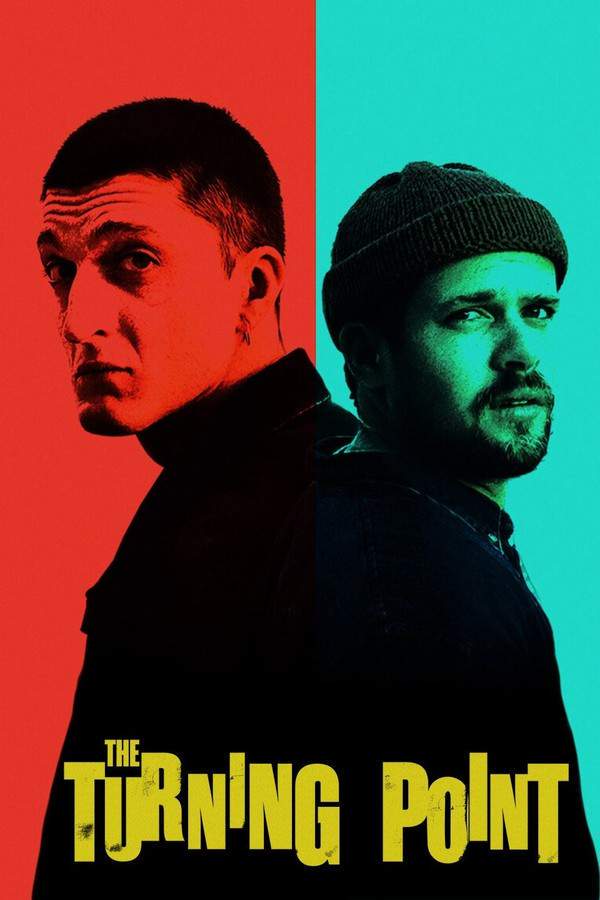
The Turning Point (1952) movie poster

Plot Summary

The Turning Point (1952) Plot Summary Explained

Release, runtime and language
1952 · 85 mins · English
Directed by
William Dieterle
Starring
William Holden, Edmond O'Brien, Ted de Corsia, Whit Bissell, Neville Brand, Carolyn Jones

Special prosecutor John Conroy vows to eradicate organized crime, naming his father, cop Matt Conroy, chief investigator. John can’t understand Matt’s reluctance; Jerry McKibbon suspects Matt’s ties to mob lieutenant Harrigan. Jerry’s loyalty to John is strained by doubts about Matt and attraction to girlfriend Amanda, as the racketeers turn to violence.

On this page (5)
  1. 1 What happens: full plot
  2. 2 Plot questions answered
  3. 3 Movie threads
  4. 4 Movies like The Turning Point
  5. 5 Every angle

Full plot summary · contains spoilers

What Happens in The Turning Point: Full Plot Summary

The whole story of The Turning Point (1952) explained, from the opening scene to the final frame: every key event, every twist and what it all adds up to. Read it as a quick recap before the sequel, to check a scene you missed, or to finally understand what really happened.

In a bustling midwestern town, the law faces a ruthless test as a John Conroy, a Special Prosecutor with extraordinary powers, dives into a widening crime syndicate. His target is the elusive and aggressive operator Neil Eichelberger, around whom a vast criminal enterprise spins, and his mission is mirrored by a sympathetic local journalist, Jerry McKibbon, who worries that Conroy might be out of his depth while also believing the city needs someone to shake the underworld loose. Standing behind them is Matt Conroy, John Conroy’s father, a respected local police chief who is meant to lead the investigation but has his own dangerous ties to the case.

As the inquiry unfolds, McKibbon uncovers a chilling betrayal: Matt Conroy is not the straight cop he seems but a crooked officer who works for Eichelberger. Facing a moral cat-and-mouse game, McKibbon presses him to sever ties with the mob or reveal the truth to his son. In a bid to protect himself, Matt schemes to obtain a damning file from the D.A.’s office that Eichelberger has demanded, all the while intending to keep a copy for leverage. This double-dealing marks a turning point: the man who should uphold the law becomes a pivotal ringer in the criminal’s game, and the danger intensifies as the lines between loyalty and corruption blur.

Before this double-cross can fully come to light, Eichelberger escalates the violence to spectacular effect, ordering Matt’s murder in a staged robbery to instill fear and demonstrate that he commands the city’s fate. The hit is brutally efficient, and the killer Monty LaRue is quickly silenced in retaliation, signaling that the conspiracy will not hesitate to erase witnesses who threaten its grip.

As Conroy’s probe digs deeper, the truth about Eichelberger’s crimes begins to surface. In a drastic bid to protect his operation, Eichelberger orders the destruction of the very building that houses incriminating records, burning it to the ground and taking a reckless toll on the innocent tenants who occupy it. The blaze unravels more than it conceals: an exposed chain of events reveals that Monty LaRue’s murder was part of a larger web of orders tied to Eichelberger. The widow Carmelina LaRue, grieving yet resolute, holds the key to proving the killer’s identity and the truth behind the murders, though she is forcefully turned away by Eichelberger’s henchmen. The case tightens as Roy Ackerman—the man who once sought McKibbon’s silence—turns to hired violence when his own plans unravel; he recruits a ruthless gunman to lure McKibbon to danger under the cover of a boxing match, a misdirection that heightens the stakes for everyone involved.

In a pivotal turn, Carmelina finally makes contact with John Conroy, and her testimony—coupled with the mounting documentary evidence—shatters Eichelberger’s criminal empire. The truth reaches its peak as the hired gun, Red, corners McKibbon and shoots him while he fights to stay alive. With the web of crime exposed, Eichelberger and his cohorts are finally arrested, and the city’s faith in the system is put to the ultimate test as McKibbon dies before Conroy can arrive to honor him.

The closing moment delivers a somber, resonant epitaph that has echoed through the story from the start: McKibbon’s own maxim, a line that now serves as the film’s moral compass and its quiet, unwavering justice.

> Sometimes someone has to pay an exorbitant price to uphold the majesty of the law.

Last updated: October 09, 2025 at 11:04

Was this helpful?

Plot questions answered

The Turning Point Plot Explained: Your Questions Answered

The questions people ask most about The Turning Point (1952): what happens in the confusing scenes, why the characters do what they do, the twists, hidden details and what the ending means. Each answer contains spoilers.

Q1

Why does Matt Conroy hesitate to lead his son's investigation?

Matt Conroy is reluctant because he is secretly corrupted by mob boss Neil Eichelberger. He already works for the criminal organization and cannot openly lead an investigation against his own employers. His conflict stems from being forced to choose between his son John and his criminal ties.

Foreshadowing: Early scenes show Matt's discomfort when John discusses cracking down on organized crime, hinting at his hidden allegiances.

  • matt conroy
  • corruption
  • police chief
  • eichelberger
Q2

How does McKibbon discover Matt Conroy is corrupt?

McKibbon uncovers Matt's corruption through his own journalistic investigation. He finds evidence linking Matt to Eichelberger as a crooked cop serving the mob. The exact source of his discovery isn't detailed, but he confronts Matt directly about severing ties with the mob or telling John the truth.

  • mckibbon
  • investigation
  • matt conroy
  • corrupt cop
Q3

Why does Matt plan to steal the file from the DA's office?

Matt engineers a plan to obtain a damning file from the DA's office that Eichelberger has demanded. His scheme involves keeping a copy for leverage, essentially protecting himself by having something to bargain with or expose others if necessary. It's a double-cross attempt to position himself favorably regardless of which side wins.

Foreshadowing: This plan represents Matt's attempt to play both sides, showing his desperate attempt to escape his compromised position.

  • damning file
  • da office
  • matt conroy
  • leverage
Q4

Why does Eichelberger have Matt killed?

Eichelberger orders Matt's murder to demonstrate absolute power and eliminate a liability. Even though Matt has been working for him, Eichelberger views the planned double-cross as betrayal. The murder occurs during a staged robbery, designed to look like a random crime while sending a message that Eichelberger controls the city's fate.

Foreshadowing: Matt's scheme to keep a copy of the file triggers Eichelberger's decision to remove him before he can potentially expose the mob.

  • matt conroy murder
  • eichelberger
  • staged robbery
Q5

What happens to Monty LaRue after he kills Matt?

Monty LaRue is the hit man who kills Matt Conroy during the staged robbery, but he is immediately silenced in retaliation by other criminals. His murder ensures he cannot testify or reveal who ordered the hit, keeping Eichelberger's involvement hidden and demonstrating the mob's ruthlessness against potential witnesses.

Foreshadowing: The quick elimination of LaRue establishes the film's pattern of violent cover-ups.

  • monty larue
  • killer
  • murder cover-up
Q6

Why does Eichelberger burn down the building with records?

Eichelberger orders the destruction of the building housing his criminal records to destroy incriminating evidence as subpoenas loom. The fire takes innocent tenants with it, showing the mob's willingness to sacrifice anyone to protect the operation. The blaze inadvertently unravels more than it conceals by exposing connections to LaRue's murder.

Foreshadowing: The burning marks a desperate escalation as Conroy's investigation tightens.

  • building fire
  • records
  • eichelberger
  • evidence
Q7

Who is Carmelina LaRue and what is her significance?

Carmelina LaRue is the widow of hit man Monty LaRue. She possesses proof of her husband's murder and can identify his killer. Eichelberger's henchmen block her attempts at justice, but she eventually reaches John Conroy with testimony that helps topple the entire criminal empire, providing the crucial personal connection to the murders.

Foreshadowing: Her pursuit of justice for her husband adds a personal dimension to the crime story.

  • carmelina larue
  • widow
  • testimony
  • witness
Q8

Why does McKibbon go to the boxing match?

McKibbon is lured to the boxing match under false pretenses by Ackerman's hired gun Red. The assassin uses the boxing venue as a trap to corner and shoot McKibbon, designed to look like a random act of violence. This is Ackerman's solution after Eichelberger refuses to directly order the journalist's killing.

Foreshadowing: The boxing match setup creates the film's climactic act of violence.

  • boxing match
  • mckibbon
  • hit man
  • red
Q9

Why does McKibbon die at the end?

McKibbon is shot by the hired gun Red during the assassination attempt at the boxing match. He dies from his wounds before John Conroy can arrive to honor him. His death represents the tragic personal cost of pursuing justice, the ultimate sacrifice made by someone who believed in upholding the law.

Foreshadowing: The epitaph about paying an exorbitant price foreshadows this sacrifice throughout the film.

  • mckibbon death
  • sacrifice
  • justice
  • tragic ending
Q10

What does the epitaph about paying an exorbitant price mean?

The closing line states: 'Sometimes someone has to pay an exorbitant price to uphold the majesty of the law.' It refers to McKibbon's sacrifice, his death demonstrates that justice often comes at terrible personal cost. The quote serves as the film's moral compass, acknowledging that defeating crime sometimes requires innocent people to give their lives.

Foreshadowing: The maxim appears in various forms throughout the narrative, building to its resonant final context.

  • epitaph
  • justice
  • sacrifice
  • moral theme
Q11

Why doesn't Eichelberger directly order McKibbon's killing?

Eichelberger refuses to directly order McKibbon's murder, prompting Ackerman to handle it himself. This likely reflects Eichelberger's desire to maintain some distance from the most brazen acts of violence, leaving the dirty work to others while preserving a facade of legitimacy. His calculated approach shows he's aware of the investigative heat.

  • eichelberger
  • ackerman
  • mckibbon
  • mob boss
Q12

What triggers Ackerman to hire a hit man?

Ackerman decides to hire a hit man to kill McKibbon because he knows McKibbon can identify Carmelina and connect her to the killer. With Eichelberger refusing to issue the order directly, Ackerman takes matters into his own hands, recruiting the ruthless gunman Red to eliminate the journalist who threatens to expose the entire operation.

  • ackerman
  • hit man
  • red
  • mckibbon threat

Movie threads

More Movies Like The Turning Point, by Mood & Story

Curated lists built around what makes The Turning Point tick: the same mood, the same kind of story or the same emotional payoff. Each list explains why these movies belong together.

Noir Corrupt System Investigations like in The Turning Point

Idealistic heroes confront a deeply corrupt system where victory is personal and pyrrhic. If you liked The Turning Point, explore other movies like it that focus on gritty crime investigations into systemic corruption. This thread features similar noir dramas where idealistic protagonists uncover dark truths, facing moral compromises and bittersweet endings in their fight for a hollow victory.

  • gritty
  • cynical
  • suspenseful
  • somber
  • morally conflicted
  • tense
  • Tone: dark, cynical, somber
  • Pacing: fast, tense
Why these movies?

The story pattern: The narrative follows an investigation that exposes a web of corruption, often implicating trusted figures or institutions. The protagonist's initial idealism is eroded by the discovery of personal betrayals and the high cost of justice, leading to a climax where the system is damaged but not destroyed, and the hero is left emotionally scarred.

Why they belong together: Movies are grouped here for their shared focus on challenging a corrupt establishment, their dark, cynical tone, and their exploration of the heavy emotional toll exacted on those who seek the truth. They deliver a consistent vibe of gritty suspense and moral conflict.

Movies about Paternal Betrayal like The Turning Point

Stories where a hero's quest is shattered by the corruption of a trusted father figure. Discover films similar to The Turning Point that explore the heavy theme of a father's betrayal. If you were gripped by the moral conflict between John and Matt Conroy, you'll find other powerful dramas and thrillers centered on shattered trust, familial duty, and the painful cost of uncovering the truth about a parent.

  • somber
  • morally conflicted
  • oppressive
  • grief
  • betrayal
  • tense
  • Tone: somber, morally conflicted, dark
  • Pacing: steady, character-driven
Why these movies?

The story pattern: These stories typically involve a protagonist who admires or works closely with a paternal figure. The plot is driven by the gradual or sudden revelation of the father's deep moral failing or criminality, creating an intense internal conflict for the protagonist who must choose between family and justice, leading to a emotionally devastating resolution.

Why they belong together: These films are unified by the powerful, emotionally crushing theme of paternal betrayal. They share a heavy emotional weight, a morally complex atmosphere, and a focus on the psychological damage inflicted when a foundational relationship is destroyed by corruption or crime.

If you liked this

Movies Like The Turning Point

Similar movies to The Turning Point: the same genre, themes or kind of story. Each one comes with its own plot summary, timeline and ending explained.

Browse all movie summaries

Every angle

The Turning Point (1952) Explained: Plot, Timeline & Characters

Everything about The Turning Point in one place: what happens in the plot summary, the timeline in chronological order, the characters and meaning and a spoiler-free summary. What's After the Movie adds the cast, box office and post-credit scenes.

Coming soon on iOS and Android

The Plot Explained Movie Summary App

Plot summaries, endings explained and timelines on your phone. Catch up on any movie in minutes, save your favorites and never miss a twist again.

Be the first to know when we launch. Your email stays private, always.

Learn more about the app