Plot Explained Spoilers guaranteed!
Plot Explained

Browse by genre

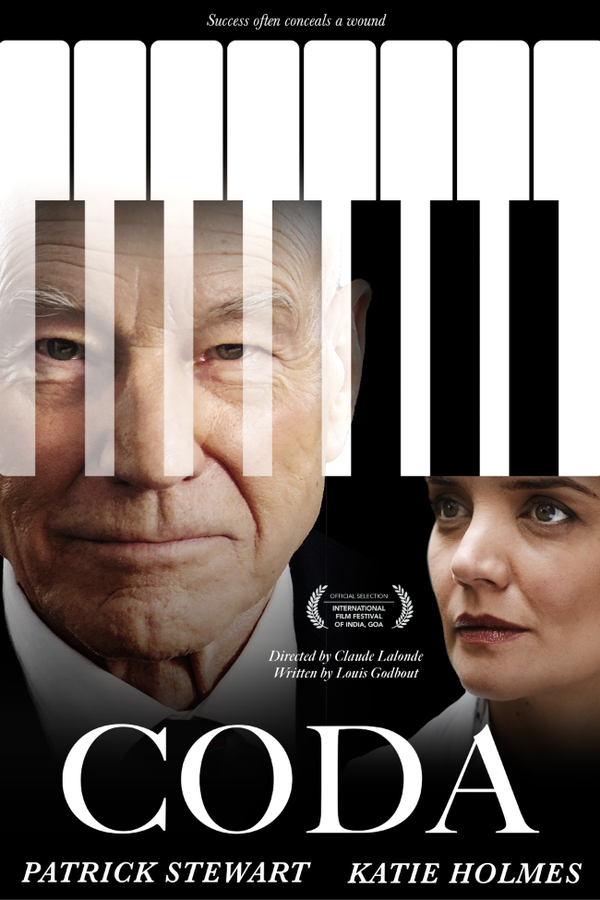
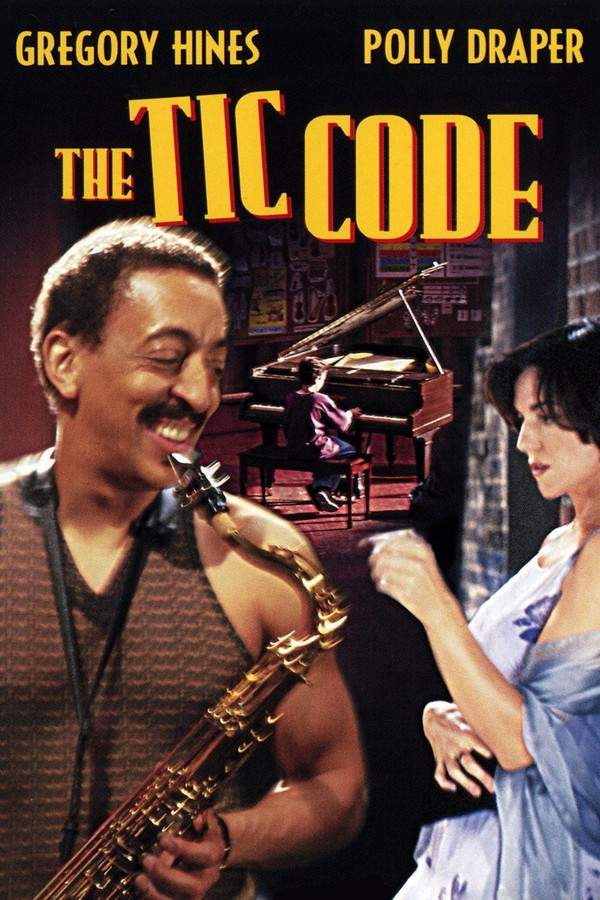
The Tic Code (2000) movie poster

Timeline

The Tic Code (2000) Timeline Explained – Every Event in Order

Release, runtime and language
2000 · 91 min · English
Loading streaming availability…
Directed by
Gary Winick
Budget
$8M

Set in the bustling jazz scene of 1970s New York City, a gifted piano player and his mother face unexpected challenges and strive to build a life together. They find comfort and guidance through music and the influence of a captivating saxophonist. The film is a moving story about overcoming adversity, the strength of family, and the transformative power of self-discovery.

On this page (6)
  1. 1 Where to watch
  2. 2 Events in order (15)
  3. 3 Timeline questions answered
  4. 4 Movie threads
  5. 5 Movies like The Tic Code
  6. 6 Every angle
Loading streaming availability…

15 events in order · contains spoilers

The Tic Code Timeline: Events in Chronological Order

Every key event of The Tic Code (2000) in order, scene by scene, with when and where it takes place. Use it to untangle flashbacks, time jumps and parallel storylines, to refresh your memory before the sequel or to find the exact scene you are thinking of.

  1. Introduction of Protagonist

    The film opens by introducing a 10-year-old boy who suffers from Tourette's Syndrome. His daily life is marked by struggles that many people do not see, providing a glimpse into the challenges he faces.

  2. Daily Struggles

    As the story unfolds, viewers witness the protagonist’s daily encounters filled with ridicule and embarrassment from peers. These experiences contribute to a growing sense of frustration and isolation in his life.

  3. Feeling Misunderstood

    Throughout his journey, the protagonist grapples with the misunderstanding from those around him regarding his condition. This results in amplified feelings of anger and helplessness, showcasing the harsh realities of living with Tourette's Syndrome.

  4. Discovery of Music

    In the midst of his struggles, the boy discovers a passion for playing the piano. This newfound love provides an important outlet and a way to channel his emotions, helping him cope with the challenges presented by his illness.

  5. Mastering Jazz Piano

    The protagonist decides to pursue jazz piano, a genre that requires exceptional concentration and creativity. As he delves deeper into this intricate art, he finds a unique way to express himself and momentarily escape his troubles.

  6. Overcoming Challenges

    Despite the intense struggles with his syndrome, the boy begins to excel in his musical endeavors. Each note played is not only a testament to his talent but also reflects his perseverance and desire to overcome adversity.

  7. Moments of Pride

    As the protagonist masters new techniques and pieces, there are moments filled with pride as he showcases his tremendous talent. These performances create a sense of hope and inspiration for both him and his supporters.

  8. Facing External Judgments

    Throughout his musical journey, the boy continues to face external judgments from those who do not understand his condition. Instead of allowing these negative reactions to deter him, he uses them as fuel to push himself harder in his musical pursuits.

  9. Parental Support

    The support from his family plays a critical role in the boy's journey. They stand by him, encouraging his love for music and helping him navigate the complexities of living with Tourette's Syndrome.

  10. Performance Milestone

    In a pivotal moment, the protagonist prepares for a significant performance that could define his musical aspirations. This opportunity represents not only a chance to showcase his talent but also a way to demonstrate his growth in overcoming personal challenges.

  11. The Big Performance

    On the day of the performance, nerves and excitement swirl within the boy as he steps onto the stage. With every note played, he showcases his hard work and dedication, leaving the audience in awe of his talent despite his struggles.

    When
    Evening
    Where
    Local Concert Hall
  12. Triumph Over Adversity

    Following the performance, the protagonist experiences a profound sense of achievement and validation. This moment serves as a powerful reminder that he can shine bright, irrespective of the difficulties posed by his syndrome.

  13. Reflection and Growth

    As the story draws to a close, the boy reflects on his journey, recognizing the importance of resilience and the beauty of life. His experiences remind him and the audience that challenges do not define a person but can lead to extraordinary growth.

  14. Inspiration for Others

    The film concludes with the protagonist inspiring others who face similar challenges. His story becomes a beacon of hope, illustrating that through determination and passion, one can navigate life’s obstacles.

  15. Final Message

    Ultimately, the narrative of *THE TIC CODE* emphasizes that life can indeed be beautiful, despite medical difficulties. It encourages viewers to embrace their unique journeys with courage and pride.

Last updated: October 25, 2024 at 10:45

Was this helpful?

Timeline questions answered

The Tic Code Timeline Explained: Your Questions Answered

When does it happen, and why in that order? The questions people ask about the chronology of The Tic Code (2000): time jumps, flashbacks, cause and effect between scenes and the correct order of events, each answered with spoilers.

Q1

Why does the boy choose to play jazz piano specifically?

Jazz piano requires extraordinary concentration, focus, and imagination. The intense mental effort needed to play jazz helps mask the involuntary movements and tics that come with Tourette's Syndrome. When the boy is deeply focused on the complex rhythms and improvisations, his brain has less capacity to produce the physical symptoms, making it a unique coping mechanism for his condition.

  • jazz piano
  • Tourette's Syndrome
  • concentration
  • coping mechanism
Q2

How does playing piano help the boy manage his Tourette's Syndrome?

Playing piano, especially jazz, demands intense focus that temporarily suppresses the involuntary movements associated with Tourette's Syndrome. The concentration required to execute complex jazz compositions gives his brain something else to focus on, reducing the frequency and intensity of his tics during performance.

Foreshadowing: The timeline shows his discovery of music as an outlet before he masters jazz piano.

  • music therapy
  • Tourette's
  • focus
  • tics
  • jazz
Q3

What daily challenges does the protagonist face because of his condition?

The boy faces constant ridicule and embarrassment from peers who don't understand his condition. He experiences intense frustration and anger on a moment-to-moment basis, feeling misunderstood by those around him. These daily encounters contribute to his sense of isolation and helplessness, despite his hidden musical talents.

  • ridicule
  • daily struggles
  • frustration
  • isolation
  • peers
Q4

Why is his mother's support crucial to his journey?

The film emphasizes that parental support plays a critical role in the boy's journey. His family stands by him, encouraging his love for music and helping him navigate the complexities of living with Tourette's Syndrome. Their backing provides emotional stability and validation, which counteracts the negative experiences he faces from peers and the outside world.

  • family support
  • mother
  • encouragement
  • resilience
Q5

What happens during the pivotal performance at the concert hall?

In the climax, the boy performs at a local concert hall in the evening. Despite his nerves and the challenges of his condition, he delivers a performance that showcases his hard work and dedication. The audience is left in awe of his talent despite knowing about his Tourette's Syndrome, and he experiences a profound sense of achievement and validation.

Foreshadowing: The timeline builds toward this moment through his earlier moments of pride and performance milestones.

  • concert hall
  • performance
  • triumph
  • audience
Q6

What message does the movie convey about living with Tourette's Syndrome?

The movie emphasizes that life can be beautiful despite medical challenges. It portrays Tourette's Syndrome as a misunderstood neurological condition that brings real struggles, but demonstrates that those with the condition can achieve extraordinary things through perseverance and artistic expression. The ending shows that challenges do not define a person but can lead to extraordinary growth.

  • message
  • hope
  • resilience
  • overcoming
  • Tourette's Syndrome
Q7

Why do people judge him for his condition throughout the film?

Throughout his musical journey, the boy continues to face external judgments from people who do not understand Tourette's Syndrome. Many viewers see his involuntary movements and tics as strange or amusing, not recognizing the neurological basis for his condition. Rather than allowing these negative reactions to stop him, he uses them as motivation to push himself harder in his musical pursuits.

  • judgment
  • misunderstanding
  • peers
  • discrimination
Q8

How does the movie show his personal growth throughout the story?

The movie demonstrates his growth through his progression from daily struggles and feelings of frustration to achieving mastery in jazz piano. Each milestone, discovering music, pursuing jazz, mastering techniques, and ultimately performing, represents a step in his journey from coping with his condition to using it as a source of strength and self-expression.

  • growth
  • journey
  • mastery
  • progression
  • transformation

Movie threads

More Movies Like The Tic Code, by Mood & Story

Curated lists built around what makes The Tic Code tick: the same mood, the same kind of story or the same emotional payoff. Each list explains why these movies belong together.

Movies where music is healing like The Tic Code

Characters find comfort and strength through the transformative power of music. If you loved how The Tic Code used jazz as a source of strength, you'll appreciate these films. Discover other inspiring stories where characters overcome adversity, find their voice, and connect with others through the profound power of music and art.

  • inspiring
  • hopeful
  • compassionate
  • reflective
  • resilient
  • heartfelt
  • Tone: hopeful, inspiring
  • Pacing: steady, character-driven
Why these movies?

The story pattern: Stories follow a character struggling with a personal challenge—be it emotional, physical, or societal—who discovers an artistic outlet. The journey revolves around their growth as an artist and an individual, using their craft to process emotions, build confidence, and often forge deep connections with mentors or a community.

Why they belong together: These films are grouped by their shared belief in art as a redemptive force. They share a hopeful tone and a steady, character-driven pace, focusing on internal victories and emotional breakthroughs rather than external, high-stakes plots. The experience is ultimately uplifting and inspiring.

Gentle coming-of-age stories similar to The Tic Code

Young protagonists navigate challenges with the support of a compassionate community. Fans of The Tic Code's compassionate look at a young boy's journey will find more movies like it here. Explore heartfelt dramas about children and teenagers facing adversity, learning about themselves, and finding their place with the guidance of a strong family bond.

  • coming of age
  • compassionate
  • family
  • resilient
  • heartwarming
  • inspiring
  • Tone: hopeful, compassionate
  • Pacing: steady, linear
Why these movies?

The story pattern: The narrative follows a young person dealing with a specific adversity or difference. The conflict is often internal or societal, involving misunderstanding or prejudice. The story unfolds through their relationships with key figures—often a single parent or a mentor—who provide unwavering support and guidance, leading to a conclusive moment of acceptance and pride.

Why they belong together: These movies share a specific emotional texture: they balance frustration and challenge with profound hope and compassion. They avoid melodrama, opting for a straightforward, steady portrayal of a child's perspective. The ending is typically happy or satisfying, leaving the viewer with a sense of earned triumph.

If you liked this

Movies Like The Tic Code

Similar movies to The Tic Code: the same genre, themes or kind of story. Each one comes with its own plot summary, timeline and ending explained.

Browse all movie summaries

Every angle

The Tic Code (2000) Explained: Plot, Timeline & Characters

Everything about The Tic Code in one place: what happens in the plot summary, the timeline in chronological order, the characters and meaning and a spoiler-free summary. What's After the Movie adds the cast, box office and post-credit scenes.

Coming soon on iOS and Android

The Plot Explained Movie Summary App

Plot summaries, endings explained and timelines on your phone. Catch up on any movie in minutes, save your favorites and never miss a twist again.

Be the first to know when we launch. Your email stays private, always.

Learn more about the app