Plot Explained Spoilers guaranteed!
Plot Explained

Browse by genre

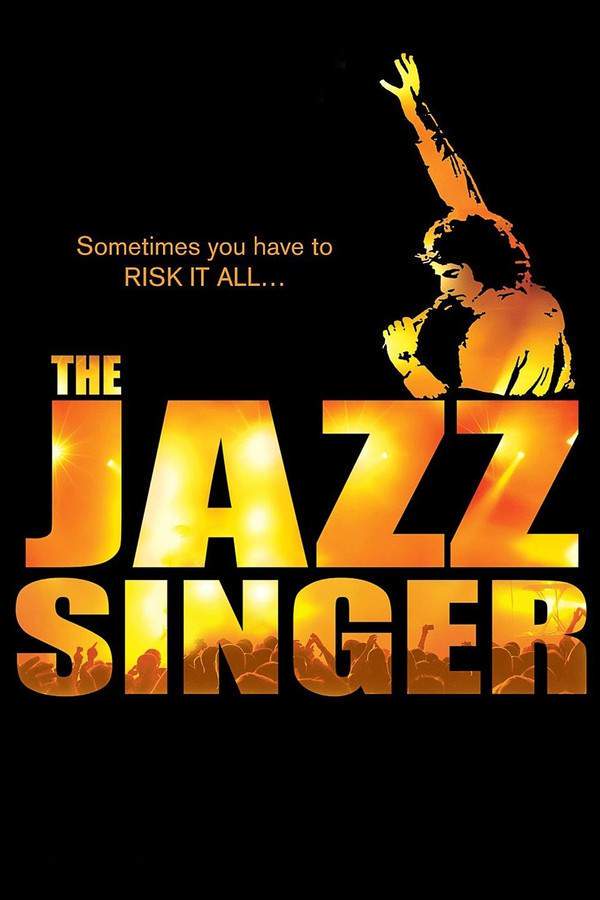
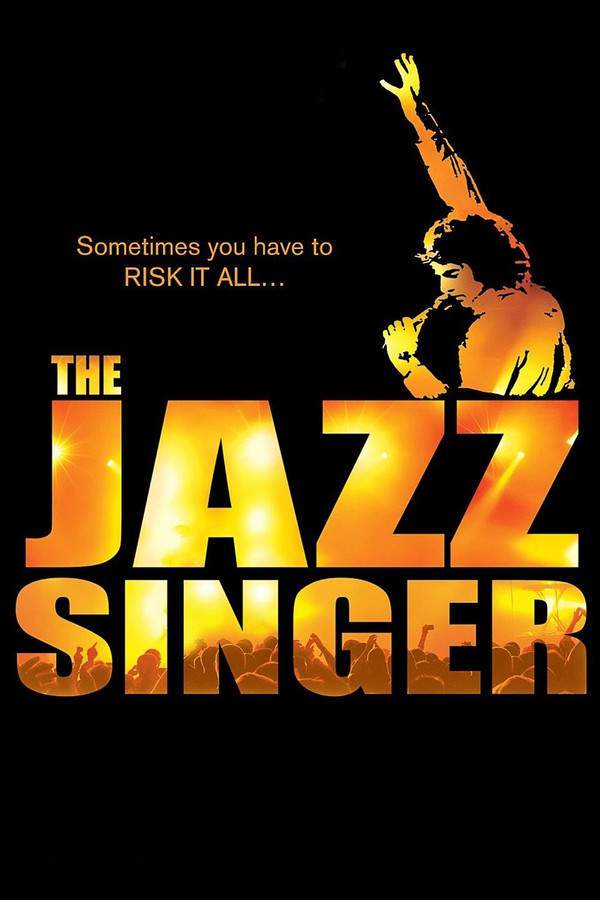
The Jazz Singer (1980) movie poster

Plot Summary

The Jazz Singer (1980) Plot Summary Explained

Release, runtime and language
1980 · 115 min · English
JustWatch #14,479 13
Directed by
Richard Fleischer
Starring
Franklyn Ajaye, James Booth, Neil Diamond, Laurence Olivier, Sully Boyar, Paul Nicholas

A young man named Jess Robin struggles to balance his love for jazz music with his father's traditional expectations. His pursuit of a career in the burgeoning music industry leads him into a world of challenges and temptations, forcing him to confront deeply held family values. Torn between the security of his heritage and the promise of fame, Jess must make difficult choices that will impact his future and the harmony of his family.

On this page (6)
  1. 1 Where to watch
  2. 2 What happens: full plot
  3. 3 Plot questions answered
  4. 4 Movie threads
  5. 5 Movies like The Jazz Singer
  6. 6 Every angle

Where to watch

Where to Watch The Jazz Singer (1980)

Where can you watch The Jazz Singer? Stream, rent or buy it in the US, including on Plex, Tubi TV and Amazon Video: current JustWatch availability with up-to-date prices.

Streaming availability powered by JustWatch

Full plot summary · contains spoilers

What Happens in The Jazz Singer: Full Plot Summary

The whole story of The Jazz Singer (1980) explained, from the opening scene to the final frame: every key event, every twist and what it all adds up to. Read it as a quick recap before the sequel, to check a scene you missed, or to finally understand what really happened.

Yussel Rabinovitch, portrayed by Neil Diamond, is a young Jewish cantor and the fifth-generation in his family at the synagogue overseen by his domineering father, Laurence Olivier. Yussel's life appears set in the path of religious devotion, alongside his childhood friend and wife, Caitlin Adams. However, beneath the surface, he secretly writes songs for a black singing group. When a band member gets arrested, Yussel takes a risk by donning blackface to perform at a club, leading to unexpected complications after a patron notices his white hands. This incident escalates into a confrontation, resulting in the band’s arrest.

His father arrives to bail them out, only to discover Yussel has been performing under the stage name "Jess Robin." Their conversation reveals a deep-seated clash between Yussel's personal aspirations and his father's intentions for his divine voice, as his father insists that it should be devoted exclusively to God’s glory.

In this journey, Yussel's close friend Bubba, played by Franklyn Ajaye, informs him of an exciting opportunity for the group in Los Angeles, working behind a well-known singer, Paul Nicholas. As Yussel begins crafting a new song titled "Love on the Rocks," it becomes evident that he aspires for greater recognition, even though Rivka remains anchored to their home life. When the singer in Los Angeles expresses interest in recording the song, he faces a dilemma as both his wife and father disapprove of his ambitions. Ultimately, during his father's 25th anniversary as a cantor, Yussel is granted permission to pursue his dreams.

Upon arriving in Los Angeles, Yussel is taken under the wing of music agent Lucie Arnaz, but his expectations are dashed when the song he wrote is transformed into a hard rock rendition. Determined to retain the integrity of his ballad, he seizes an opportunity to demonstrate his original vision, earning Molly's endorsement. However, complications arise when the group is let go, causing Yussel to doubt his potential.

Back home, Rivka finds herself caught between her loyalty to her husband and the pressures from Cantor Rabinovitch, who believes she should bring Yussel back. However, on Yussel's big night, as he sings "Summer Love" and "Hey Louise," Rivka arrives and eventually meets Molly, igniting a clash of values as the concert garners enormous applause. Amidst this success, Rivka comprehends that Yussel's aspirations whisk him further away, and she chooses to step back.

Over time, as their lives diverge, Yussel confesses his feelings for Molly after a painful separation from Rivka. His burgeoning success is overshadowed by familial conflict, especially when his father confronts him about his choice to pursue music rather than family. Things come to a head when Yussel learns of his father's hospitalization, which forces him to confront old wounds. Guided by Molly’s encouragement, he reconciles with his father, leading to a touching reunion during Yom Kippur as he sings at the synagogue.

The film culminates with Yussel's heartfelt performance of "America," with his father and Molly's support, showcasing the remarkable journey of a man navigating the crossroads of faith, ambition, and familial bonds.
Last updated: October 25, 2024 at 10:22

Was this helpful?

Plot questions answered

The Jazz Singer Plot Explained: Your Questions Answered

The questions people ask most about The Jazz Singer (1980): what happens in the confusing scenes, why the characters do what they do, the twists, hidden details and what the ending means. Each answer contains spoilers.

Q1

Why did Yussel perform in blackface at the club?

When a band member got arrested, Yussel took a risky step to fill in by performing at the club. He put on blackface to appear as part of the black singing group he'd been writing songs for. A patron noticed his white hands, leading to a confrontation that ended with the band's arrest.

  • blackface performance
  • jazz singer
  • band arrest
Q2

Why did Yussel's father oppose his music career?

Cantor Rabinovitch believed Yussel's divine voice was a gift from God meant solely for religious devotion in the synagogue. He viewed Yussel's pursuit of secular pop music as a betrayal of their family's sacred tradition and a misuse of the talent God gave him.

  • cantor
  • religious tradition
  • family expectations
  • father son conflict
Q3

Why did Rivka leave Yussel at the end?

Rivka realized that Yussel's growing success in Los Angeles was pulling him further away from their home life and traditional values. Despite her loyalty, she understood their paths had diverged too far to reconcile, so she chose to step back and let him pursue his dreams without her.

  • rivka
  • marriage
  • divorce
  • leaving
Q4

How did Yussel reconcile with his father?

When Yussel learned his father was hospitalized, he was forced to confront their unresolved conflict. With Molly's encouragement, he visited the hospital and they mended their relationship, culminating in an emotional reunion during Yom Kippur when Yussel performed at the synagogue.

  • father
  • reconciliation
  • hospitalization
  • Yom Kippur
Q5

Why was Yussel's song "Love on the Rocks" changed to hard rock?

When Yussel arrived in Los Angeles, music agent Lucie Arnaz paired his heartfelt ballad with a well-known singer, but the production team transformed it into a hard rock rendition. Yussel disagreed with this drastic change and fought to demonstrate his original vision to preserve the song's integrity.

  • love on the rocks
  • song
  • hard rock
  • Los Angeles
Q6

Who was Molly in Yussel's life?

Molly was the singer who endorsed Yussel's original version of his song after hearing his demonstration. Over time, she became his romantic interest as his marriage to Rivka deteriorated. She encouraged him to reconcile with his father and supported his career throughout his rise to fame.

  • molly
  • love interest
  • singer
  • romantic relationship
Q7

What caused Yussel's father to be hospitalized?

The film doesn't specify the exact medical cause, but the hospitalization occurs during a period of intense emotional conflict between the father and Yussel. The stress of their fractured relationship and Yussel's choice to pursue music over family appears to have triggered the health crisis.

  • father
  • health
  • hospitalization
  • illness
Q8

Why did Yussel choose music over his family?

Yussel struggled with the conflict between his genuine passion for creating music and his family's expectations. Despite caring for his wife Rivka and respecting his father, he felt drawn to pursue his artistic dreams. His success came at the cost of his first marriage, though he ultimately reconciled with his father.

  • ambition
  • family conflict
  • career choice
  • sacrifice
Q9

What was the final song Yussel performed in the movie?

Yussel's final performance was "America," which he sang at the synagogue during a meaningful moment of reconciliation with his father. This song symbolized his ability to bridge his Jewish heritage with his musical ambitions, performed with the support of both his father and Molly.

  • america song
  • finale
  • synagogue performance
Q10

When did Yussel get permission to pursue his music career?

Yussel received permission during his father's 25th anniversary as a cantor at the synagogue. This significant milestone appeared to soften his father's stance, allowing Yussel to finally pursue his musical dreams without familial opposition at that moment.

  • permission
  • anniversary
  • cantor
  • career
Q11

Why did Rivka meet Molly at the concert?

Rivka attended Yussel's big concert in Los Angeles, where he performed "Summer Love" and "Hey Louise." It was there that she met Molly, and the encounter highlighted the clash between Rivka's traditional values and the new world Yussel was entering through his music career.

  • concert
  • molly
  • rivka
  • meeting

Movie threads

More Movies Like The Jazz Singer, by Mood & Story

Curated lists built around what makes The Jazz Singer tick: the same mood, the same kind of story or the same emotional payoff. Each list explains why these movies belong together.

Movies about musicians torn between ambition and family like The Jazz Singer

Stories of artistic passion clashing with tradition, forcing a choice. If you enjoyed the internal conflict in The Jazz Singer, you'll find similar stories here. These films focus on artists navigating the price of fame, generational divides, and the struggle to stay true to their roots while chasing a dream.

  • conflicted
  • ambitious
  • nostalgic
  • earnest
  • sentimental
  • introspective
  • Tone: bittersweet, earnest, sentimental
  • Pacing: steady, character-driven
Why these movies?

The story pattern: These narratives typically follow a linear, character-driven arc where a talented individual's artistic calling forces them to defy expectations. The central conflict is internal and external, pitting personal ambition against loyalty, often leading to a bittersweet reconciliation where success is earned but comes with personal loss.

Why they belong together: Movies are grouped here for their shared focus on the artistic struggle, the bittersweet tone of ambition, and the exploration of identity. They share a steady pace, medium emotional intensity, and a core theme of weighing personal dreams against familial and cultural obligations.

Bittersweet family reconciliation stories like The Jazz Singer

Emotional journeys where broken family bonds are mended, but not without cost. Fans of The Jazz Singer's emotional family dynamics will appreciate these films. They explore generational conflict, the difficult road to forgiveness, and stories where healing brings a mix of sadness and hope, much like Jess's journey with his father.

  • sentimental
  • introspective
  • hopeful
  • earnest
  • nostalgic
  • conflicted
  • Tone: bittersweet, sentimental, hopeful
  • Pacing: steady, deliberate
Why these movies?

The story pattern: The narrative pattern involves a protagonist whose actions create a rift with their family, often over ideals or life choices. The story follows their journey of self-discovery and the difficult, often gradual, process of seeking understanding and forgiveness, culminating in a resolution that is meaningful but not perfectly happy.

Why they belong together: These films are united by their bittersweet emotional core, a focus on generational conflict, and the theme of redemption through difficult choices. They share a medium emotional weight and a pacing that allows for deep exploration of character relationships and the complexities of forgiveness.

If you liked this

Movies Like The Jazz Singer

Similar movies to The Jazz Singer: the same genre, themes or kind of story. Each one comes with its own plot summary, timeline and ending explained.

Browse all movie summaries

Every angle

The Jazz Singer (1980) Explained: Plot, Timeline & Characters

Everything about The Jazz Singer in one place: what happens in the plot summary, the timeline in chronological order, the characters and meaning and a spoiler-free summary. What's After the Movie adds the cast, box office and post-credit scenes.

Coming soon on iOS and Android

The Plot Explained Movie Summary App

Plot summaries, endings explained and timelines on your phone. Catch up on any movie in minutes, save your favorites and never miss a twist again.

Be the first to know when we launch. Your email stays private, always.

Learn more about the app