Year: 1962
Runtime: 72 mins
Language: Japanese
Director: Kazuo Mori
Returning to the village where a year before he had killed Hirate, a much-admired opponent, Zatoichi encounters another swordsman and former rival in love.
Warning: spoilers below!
Haven’t seen The Tale of Zatoichi Continues yet? This summary contains major spoilers. Bookmark the page, watch the movie, and come back for the full breakdown. If you're ready, scroll on and relive the story!
Explore the full timeline and setting of The Tale of Zatoichi Continues (1962). Follow every major event in chronological order and see how the environment shapes the story, characters, and dramatic tension.
Last updated: October 04, 2025 at 15:11
Meet the key characters of The Tale of Zatoichi Continues (1962), with detailed profiles, motivations, and roles in the plot. Understand their emotional journeys and what they reveal about the film’s deeper themes.
Last updated: October 04, 2025 at 15:11
Explore the central themes of The Tale of Zatoichi Continues (1962), from psychological, social, and emotional dimensions to philosophical messages. Understand what the film is really saying beneath the surface.
Last updated: October 04, 2025 at 15:11
Browse frequently asked questions about The Tale of Zatoichi Continues (1962) focused on characters, relationships, themes, symbols, setting, and story context. This movie info FAQ gives spoiler-aware explanations for character arcs, world details, and thematic interpretation so readers can better understand what the film is really about.
The story takes place in a small town near Joshoji Temple, where inns, restaurants, and underworld dealings cluster around the temple district. This blend of sacred space and violent intrigue creates a frontier-town atmosphere where formal law is weak and retribution rules the day.
The temple's proximity lends formal weight to a setting defined by street-level tension and rival factions.
The film is set in an Edo-era town, reflecting the historical period when samurai culture, yakuza power structures, and temple districts shaped Japanese society. This historical context informs the film's exploration of honor, loyalty, and vigilante justice.
Zatoichi navigates a town where formal law is weak and retribution rules the day. The film contemplates whether true justice can be achieved through mercy as well as through punishment, culminating in acts that probe the cost of violence on both personal and communal levels.
Romantic longing threads through a world of danger, with Setsu's quick affection for Zatoichi, Otane's arranged marriage, and the memory of Chiyo that haunts him. Love becomes a fragile lifeline amid betrayals and power plays, humanizing a wanderer who must navigate treachery and desire.
Imposed roles and hidden identities drive much of the tension. Characters like Yoshiro hide their samurai background and crippled past, while Zatoichi maintains a calm, masked presence. The story questions who holds power, the man with the sword or the man behind the mask, as violence exposes truth.
Zatoichi is a blind swordsman who moves through corrupt towns with calm, lethal efficiency. He dispenses violence when challenged but shows mercy and weary compassion toward those caught in the crossfire. His memory of Chiyo and past betrayals drive his cautious, reflective demeanor, making him a morally complex figure.
Setsu is a prostitute working in the town's restaurant who forms a rapid bond with Zatoichi. She embodies warmth and pragmatism, fully aware of the danger surrounding him. Her fondness for Zatoichi contrasts sharply with the grim world of crime and deception that defines the town.
Yoshiro, also known as Nagisa no Yoshiro, is a one-armed swordsman traveling with a shadowy past and dangerous agenda. He poses as a respectable samurai while secretly aligning with criminal ally Sukegoro. His feud with Zatoichi, anchored by the memory of Chiyo, drives much of the film's tension.
Otane is the woman who is to be married, whose arrival intersects with Zatoichi's return to the town. She shows concern for her future and tries to navigate the surrounding violence, adding emotional stakes to the encounters and turmoil unfolding around her.
Sukegoro Hanoka is a yakuza boss who orchestrates power struggles and confronts rivals to maintain control over the town's underworld. His involvement in manipulation and calculated violence shapes the dangerous dynamics that Zatoichi must navigate.
The film carries a predominantly melancholic tone, established through Zatoichi's solitary reflections on his past, his blindness, and the women who left him. This sadness and loneliness imbues the frequent sword fights and constant threat of assassination with a deep emotional weight.
The bittersweet ending shows Zatoichi achieving a form of justice while being left with unresolved personal grief. The revelation that his lost love Chiyo is alive yet absent perfectly encapsulates the film's core conflict between violent duty and emotional longing.
Discover curated groups of movies connected by mood, themes, and story style. Browse collections built around emotion, atmosphere, and narrative focus to easily find films that match what you feel like watching right now.
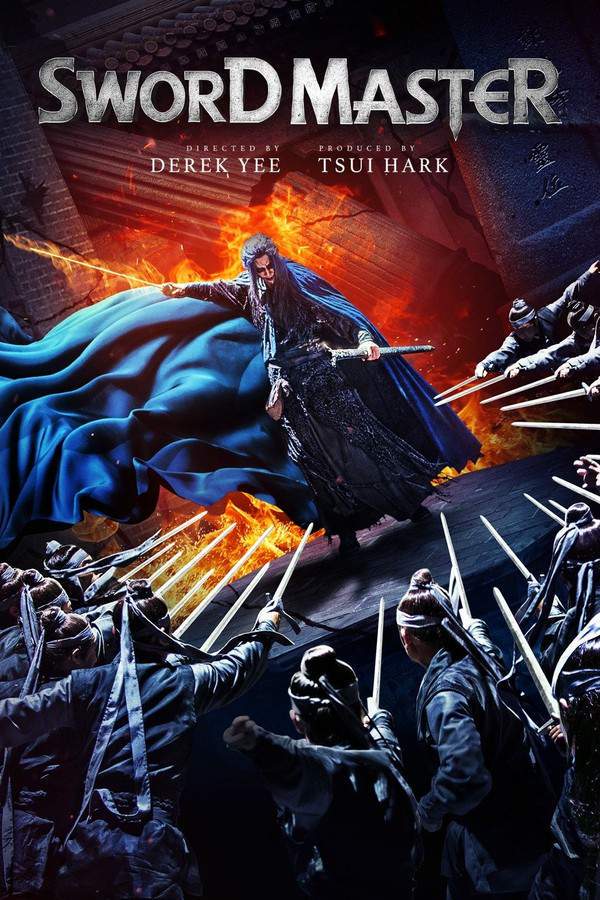
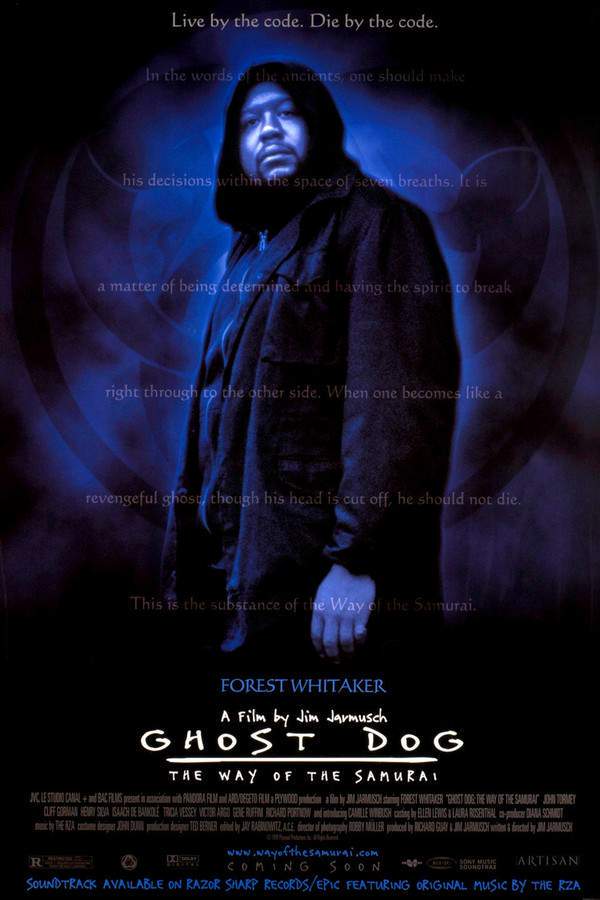
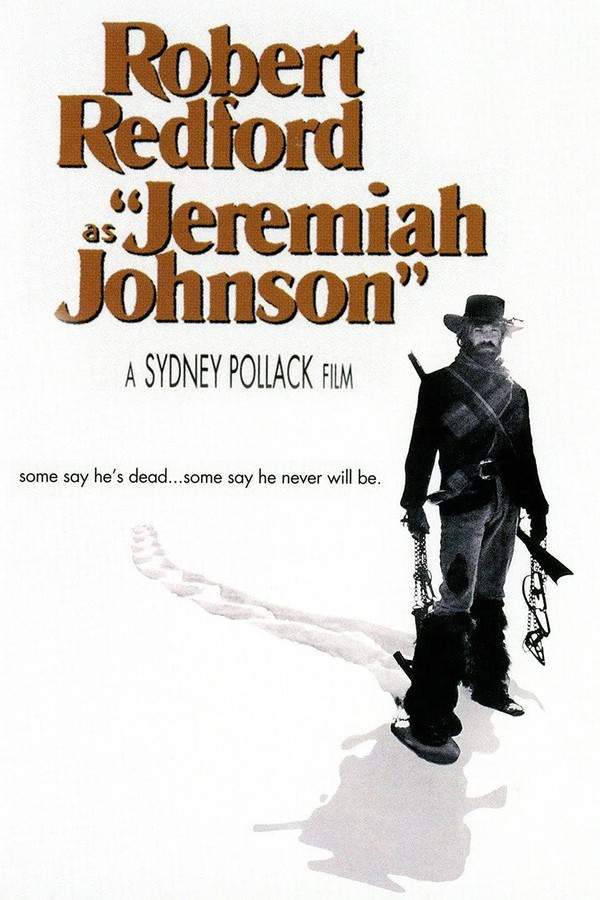
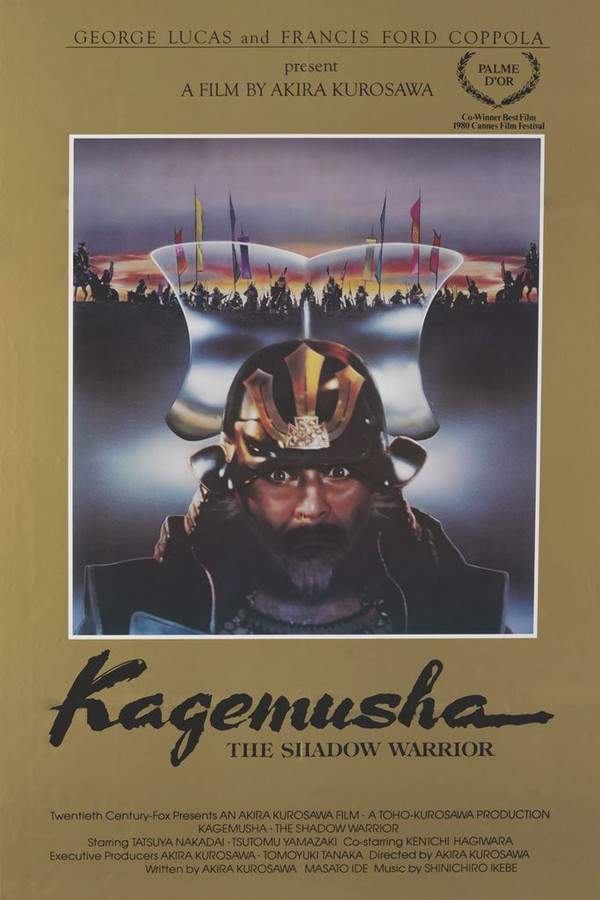
Stories of solitary fighters haunted by past deeds, seeking fleeting honor.If you liked the lone swordsman journey in The Tale of Zatoichi Continues, explore other movies featuring masterless warriors and drifters. These films capture the melancholic, violent life of skilled fighters bound by honor and haunted by their pasts, perfect for fans of samurai and western dramas.
These narratives follow a skilled but solitary protagonist who is drawn into conflicts not their own. Their past traumas and moral code constantly collide with the violent present, leading to a journey where physical confrontations are interspersed with deep, lonely reflection on the cost of their lifestyle, often culminating in a bittersweet resolution.
Movies are grouped here for their shared focus on the archetypal lone warrior, the steady pacing that balances action with introspection, and the heavy emotional weight derived from themes of honor, loneliness, and the inescapable nature of violence.
Violent journeys where external success is overshadowed by personal loss.For viewers who appreciated the bittersweet conclusion of The Tale of Zatoichi Continues, this section features similar movies where the hero's success is tempered by personal sacrifice. These stories blend intense action with heavy drama, resulting in an ending that feels earned but emotionally complex.
The narrative pattern involves a protagonist engaged in a violent or morally ambiguous conflict. They succeed in their external goal—be it revenge, protection, or fulfilling a duty—but this success comes at a great personal cost, such as the loss of a connection or the reinforcement of their isolation, leading to a poignant, bittersweet finale.
These films are united by their specific emotional mix: high-intensity action sequences paired with a heavy, melancholic tone, all building towards an ending that is simultaneously conclusive for the plot yet unresolved for the character's emotional journey.
Don't stop at just watching - explore The Tale of Zatoichi Continues in full detail. From the complete plot summary and scene-by-scene timeline to character breakdowns, thematic analysis, and a deep dive into the ending - every page helps you truly understand what The Tale of Zatoichi Continues is all about. Plus, discover what's next after the movie.
Read a complete plot summary of The Tale of Zatoichi Continues, including all key story points, character arcs, and turning points. This in-depth recap is ideal for understanding the narrative structure or reviewing what happened in the movie.
Track the full timeline of The Tale of Zatoichi Continues with every major event arranged chronologically. Perfect for decoding non-linear storytelling, flashbacks, or parallel narratives with a clear scene-by-scene breakdown.
Discover movies like The Tale of Zatoichi Continues that share similar genres, themes, and storytelling elements. Whether you’re drawn to the atmosphere, character arcs, or plot structure, these curated recommendations will help you explore more films you’ll love.
The Tale of Zatoichi Continues (1962) Plot Summary & Movie Recap
The Tale of Zatoichi Continues (1962) Scene-by-Scene Movie Timeline
The Tale of Zatoichi Continues (1962) Spoiler-Free Summary & Key Flow
Movies Like The Tale of Zatoichi Continues – Similar Titles You’ll Enjoy
Zatoichi (2003) Story Summary & Characters
Zatoichi: Darkness Is His Ally (1989) Detailed Story Recap
Zatoichi on the Road (1963) Complete Plot Breakdown
Zatoichi the Fugitive (1963) Complete Plot Breakdown
Zatoichi’s Cane Sword (1967) Full Summary & Key Details
Zatoichi Challenged (1967) Detailed Story Recap
New Tale of Zatoichi (1963) Movie Recap & Themes
Zatoichi’s Revenge (1965) Story Summary & Characters
Zatoichi and the Chess Expert (1965) Story Summary & Characters
Adventures of Zatoichi (1964) Plot Summary & Ending Explained
The Tale of Zatoichi (1962) Detailed Story Recap
Zatoichi’s Pilgrimage (1966) Detailed Story Recap
Zatoichi Meets the One-Armed Swordsman (1971) Plot Summary & Ending Explained
Zatoichi’s Vengeance (1966) Film Overview & Timeline
Zatoichi the Outlaw (1967) Detailed Story Recap