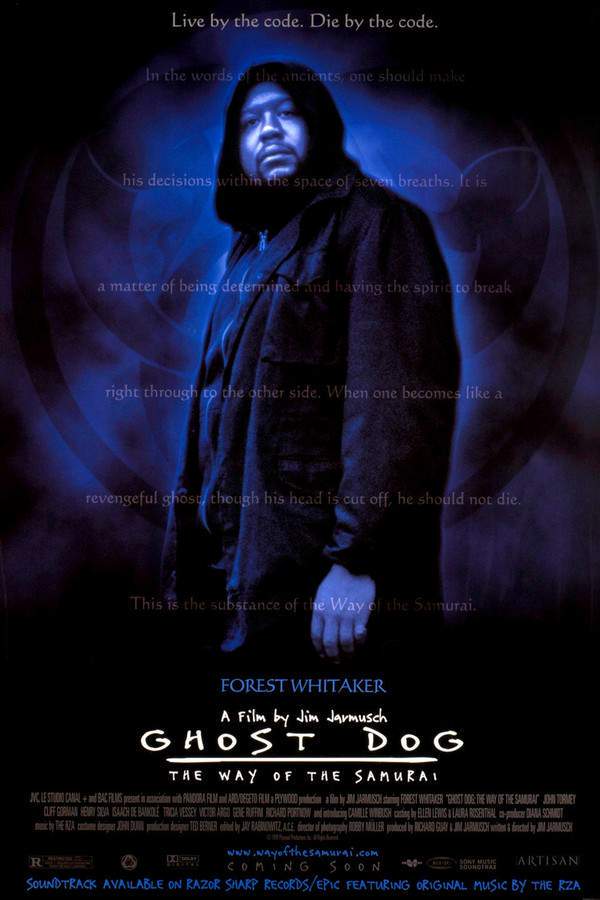
A solitary hitman known only as Ghost Dog, portrayed by Forest Whitaker, operates with calculated skill, adhering to a strict code of honor inspired by the ancient samurai. He works for Louie, a local crime boss who once saved his life, and follows a personal code based on the Hagakure, a 17th-century samurai text. Ghost Dog’s actions are guided by this philosophy as he navigates the criminal underworld and confronts unexpected consequences.
Find where to stream, rent, or buy Ghost Dog: The Way of the Samurai (2000) in the US with current JustWatch availability, up-to-date pricing, and platform listings for subscription, rental, and digital purchase options.
Warning: spoilers below!
Haven’t seen Ghost Dog: The Way of the Samurai yet? This summary contains major spoilers. Bookmark the page, watch the movie, and come back for the full breakdown. If you're ready, scroll on and relive the story!
Read the complete plot breakdown of Ghost Dog: The Way of the Samurai (2000), including all key story events, major twists, and the ending explained in detail. Discover what really happened, and what it all means.
Ghost Dog, a man who perceives himself as a retainer to a local mobster, Louie, finds his life intertwined with the code of the samurai after Louie saved him years ago. Living as a hitman within the American Mafia, he adheres to the ancient wisdom of the Hagakure.
When Louie tasks Ghost Dog with eliminating a gangster named Handsome Frank, who is involved with the daughter of mafia boss Vargo, Ghost Dog follows through meticulously. He successfully kills Frank but chooses to spare the girl, leaving her unharmed despite the circumstances. In the aftermath, Vargo and his associate, Sonny Valerio, conspire to eliminate Ghost Dog to distance themselves from the made man's murder. Unfortunately for Ghost Dog, Louie remains mostly oblivious to the hitman's life, as Ghost Dog communicates solely through his homing pigeons. Determined to find Ghost Dog, the mobsters begin tracking pigeon coops, eventually discovering Ghost Dog's covert abode and killing his beloved birds. Realizing the peril he’s in, Ghost Dog understands he must take out Vargo and his men before they turn on him and his loyal master.
Throughout his day, Ghost Dog often visits a park to see his closest companion, Raymond, a French-speaking ice cream vendor. Their lack of a shared language—Raymond speaks French while Ghost Dog speaks English—doesn't hinder their unusual but profound connection. Ghost Dog also befriends a young girl, Pearline, entrusting her with a copy of Rashōmon.
In a spectacular turn of events, Ghost Dog invades Vargo's mansion, single-handedly dispatching nearly all of Vargo's men but sparing both Louie and Vargo's daughter out of respect. As night falls, he strategically ambushes Sonny Valerio in his home, shooting him. Perceiving that Louie might feel bound to retaliate for Vargo's death, Ghost Dog visits the park to provide Raymond, who struggles to survive in the country, with all his money. Pearline reappears and returns the book Rashōmon, expressing her enjoyment of it. Ghost Dog gifts her his own copy of Hagakure, encouraging her to delve into its pages.
Despite his loyalty to Ghost Dog, Louie ultimately confronts him at Raymond's ice cream stand, where both Raymond and Pearline bear witness to their exchange. Ghost Dog, however, finds himself unable to harm his mentor, allowing Louie to strike him down. In his final moments, he offers Louie the copy of Rashōmon with a suggestion to read it. Pearline takes notice, directing Ghost Dog's empty firearm toward Louie as he retreats. In the end, Ghost Dog meets his peaceful demise flanked by Raymond and Pearline, while Louie drives away with Vargo's daughter, who has assumed her father's role in the criminal hierarchy. In a poignant finale, Pearline immerses herself in the teachings of the Hagakure.
Last updated: November 08, 2024 at 03:52
Explore frequently asked questions about Ghost Dog: The Way of the Samurai (2000) with spoiler-rich answers covering the full plot summary, major story beats, character motivations, hidden details, and ending meaning. This movie summary FAQ helps explain confusing scenes, plot twists, and narrative decisions in clear, searchable detail.
Ghost Dog spares the girl because of his rigid adherence to the samurai code. While he fulfilled his contract to kill Frank, the code forbids harming innocent women and children. This decision reflects Ghost Dog's moral complexity, he is a hitman who follows his own ethical rules, distinguishing between legitimate targets and civilians, even when it puts him at risk.
Ghost Dog cannot bring himself to strike down his master because doing so would violate the core samurai principle of loyalty to one's lord. Even though Louie has come to kill him, Ghost Dog views this as his master's right. He accepts death rather than betray the code that defines his entire existence, choosing honor over survival.
Earlier scenes establish Ghost Dog's unwavering devotion to Louie, viewing himself as a retainer bound to serve.
Ghost Dog uses pigeons because he lives as a detached, solitary figure who maintains emotional distance from the criminal world. The pigeons serve as his唯一 link to Louie without direct contact, reflecting his philosophy of disciplined isolation. When the mobsters discover his coop and kill his birds, it represents a violation of his private world and triggers his decision to go on the offensive.
Ghost Dog gives Raymond his money because he views Raymond as one of the few genuine connections he has in his life. Raymond, a French-speaking immigrant, struggles to survive in America, and Ghost Dog wants to ensure his friend is taken care of before his inevitable confrontation with the mob. This act reveals Ghost Dog's deep capacity for loyalty and kindness beneath his stoic exterior.
Ghost Dog spares Louie because he cannot betray his master, and he spares Vargo's daughter because she is an innocent woman. Even in his violent mission of vengeance against those who ordered his death, Ghost Dog adheres strictly to his code, which prohibits killing women and children, and forbids harming one's sworn lord. These exceptions nearly cost him his life but stay true to his philosophical principles.
His earlier decision to spare Frank's daughter establishes this pattern of mercy toward women.
Rashomon (a classic film about conflicting perspectives on the same event) symbolizes Ghost Dog's understanding that truth is subjective and that one's honor depends on one's perspective. By giving the book to Louie before dying, Ghost Dog suggests his master consider different viewpoints, perhaps recognizing the futility of their situation or the tragedy of their collision. Pearline's earlier enjoyment of the book hints at her developing wisdom.
Ghost Dog befriends Pearline specifically by sharing Rashomon with her, showing his role as a teacher.
The Hagakure is a 17th-century samurai text that serves as Ghost Dog's entire moral framework. It teaches absolute loyalty to one's master and acceptance of death as the ultimate honor. Ghost Dog lives by these principles literally, treating them as a personal religion. The book's final message, passed to Pearline at the end, represents Ghost Dog's legacy: the transmission of warrior philosophy to a new generation, suggesting innocence can absorb even the most fatalistic teachings.
Pearline receives the Hagakure because Ghost Dog sees her as worthy of his teachings. Throughout the film, he shares books with her (Rashomon first), and she demonstrates genuine receptiveness to his wisdom. Her acceptance of the Hagakure in the final scene represents the passing of Ghost Dog's philosophy to youth, suggesting his code will live on through her, even if transformed by a young girl's perspective.
Ghost Dog gives Pearline Rashomon earlier, establishing their mentor-student relationship.
Vargo orders Ghost Dog's death because Frank was a made man (formal Mafia member), and his murder creates dangerous complications for the crime family. Vargo and his associate Sonny Valerio want to eliminate any connection to the killing, especially since Frank was involved with Vargo's own daughter. Removing Ghost Dog distances them from the affair and prevents retaliation from the larger Mafia organization.
Ghost Dog befriends Raymond because both are isolated outsiders, Raymond is a French immigrant struggling in America, while Ghost Dog lives as a solitary warrior in the criminal underworld. Their friendship transcends language barriers (Raymond speaks French, Ghost Dog speaks English), suggesting a pure human connection unburdened by words. Raymond represents the simple, honest life Ghost Dog can never have, making their bond both tender and tragic.
Ghost Dog acts alone because his samurai code demands personal honor in battle, he refuses to involve others in his vengeance. Additionally, he has no true allies in the criminal world; his only connections are Louie (who cannot help him), Raymond (a civilian), and Pearline (a child). His solo assault reflects both tactical confidence and the isolation that defines his character: a warrior meant to die alone.
Louie confronts Ghost Dog because he feels obligated to maintain his position within the Mafia hierarchy. After Ghost Dog kills Vargo (a powerful boss) and Sonny Valerio, Louie cannot ignore this challenge to the criminal order without losing face. Additionally, Vargo's daughter (who survives and takes over her father's operation) likely demands retribution. Louie's loyalty to Ghost Dog conflicts with his loyalty to the Mafia, and the mob wins.
Discover curated groups of movies connected by mood, themes, and story style. Browse collections built around emotion, atmosphere, and narrative focus to easily find films that match what you feel like watching right now.
Stories of solitary figures living by a strict, anachronistic code.If you liked the solitary, principled hitman in Ghost Dog, explore more movies about lone wolves living by an anachronistic code. These films feature characters who are out of step with their time, creating stories of quiet contemplation, honor, and often bittersweet endings.
The narrative follows a solitary character whose unwavering adherence to a personal code brings them into conflict with the modern world. The story is often a linear, fate-driven journey where the protagonist's principles are tested, leading to a climax that reaffirms their code, typically at great personal cost.
These movies are grouped by their focus on a specific character archetype—the lone wolf—and the melancholic, fatalistic mood that surrounds their journey. They share a steady pacing that balances reflection with action, and a heavy emotional weight derived from themes of honor, isolation, and sacrifice.
Stylized crime stories where philosophy drives the action and mood.Find movies like Ghost Dog: The Way of the Samurai that blend crime thriller elements with deep philosophical themes. These similar films feature stylized violence, a steady pacing for reflection, and explore ideas of honor and meaning within a criminal underworld.
The plot, while often a straightforward genre piece like a hitman story or a heist, is layered with philosophical dialogue, voice-over, or thematic motifs. The central conflict is as much an internal or ideological struggle as it is an external one, leading to an ending that resolves the philosophical dilemma, often in a bittersweet or bleak manner.
These films are connected by their unique blend of crime genre conventions with a strong, contemplative philosophical core. They share a specific mood mix of stylized action, somber reflection, and intellectual depth, creating a distinct vibe that prioritizes ideas alongside plot.
Don't stop at just watching - explore Ghost Dog: The Way of the Samurai in full detail. From the complete plot summary and scene-by-scene timeline to character breakdowns, thematic analysis, and a deep dive into the ending - every page helps you truly understand what Ghost Dog: The Way of the Samurai is all about. Plus, discover what's next after the movie.
Track the full timeline of Ghost Dog: The Way of the Samurai with every major event arranged chronologically. Perfect for decoding non-linear storytelling, flashbacks, or parallel narratives with a clear scene-by-scene breakdown.
Discover the characters, locations, and core themes that shape Ghost Dog: The Way of the Samurai. Get insights into symbolic elements, setting significance, and deeper narrative meaning - ideal for thematic analysis and movie breakdowns.
Discover movies like Ghost Dog: The Way of the Samurai that share similar genres, themes, and storytelling elements. Whether you’re drawn to the atmosphere, character arcs, or plot structure, these curated recommendations will help you explore more films you’ll love.
Ghost Dog: The Way of the Samurai (2000) Scene-by-Scene Movie Timeline
Ghost Dog: The Way of the Samurai (2000) Movie Characters, Themes & Settings
Ghost Dog: The Way of the Samurai (2000) Spoiler-Free Summary & Key Flow
Movies Like Ghost Dog: The Way of the Samurai – Similar Titles You’ll Enjoy
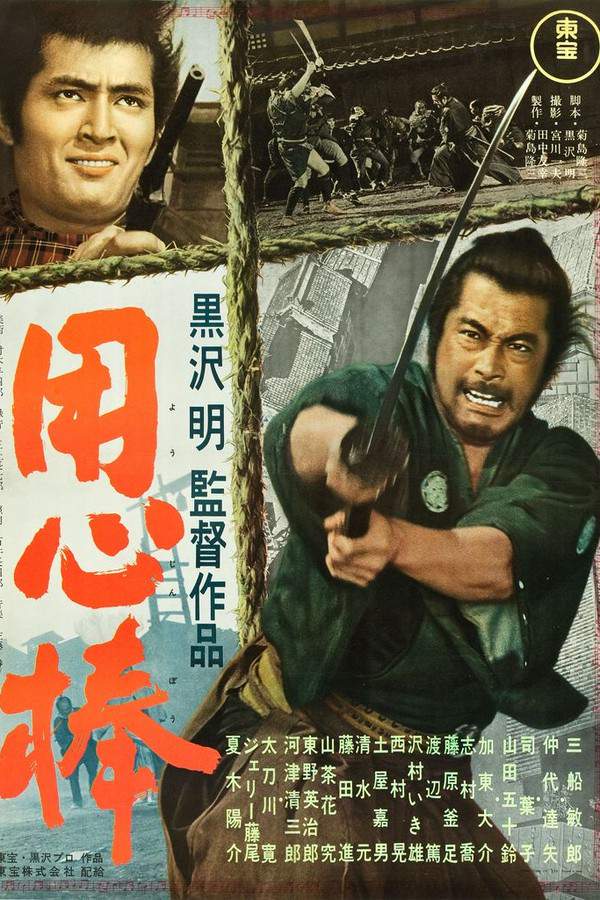
Yojimbo (1961) Full Summary & Key Details
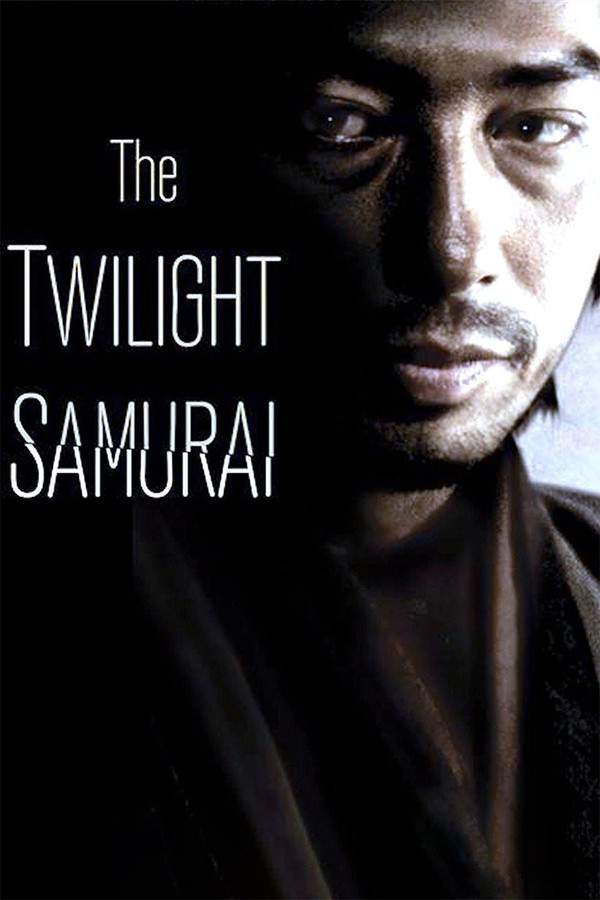
The Twilight Samurai (2004) Film Overview & Timeline
47 Ronin (2013) Spoiler-Packed Plot Recap
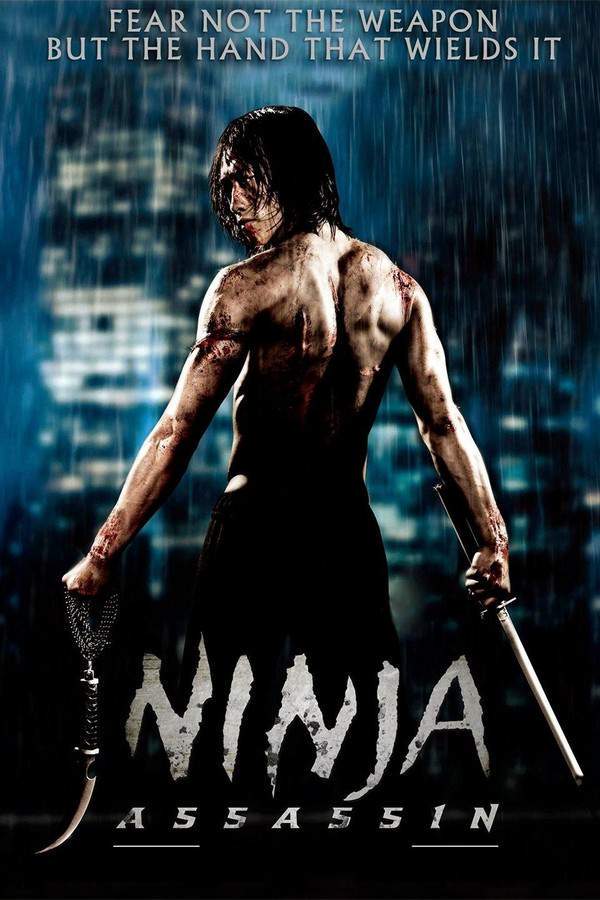
Ninja Assassin (2009) Movie Recap & Themes
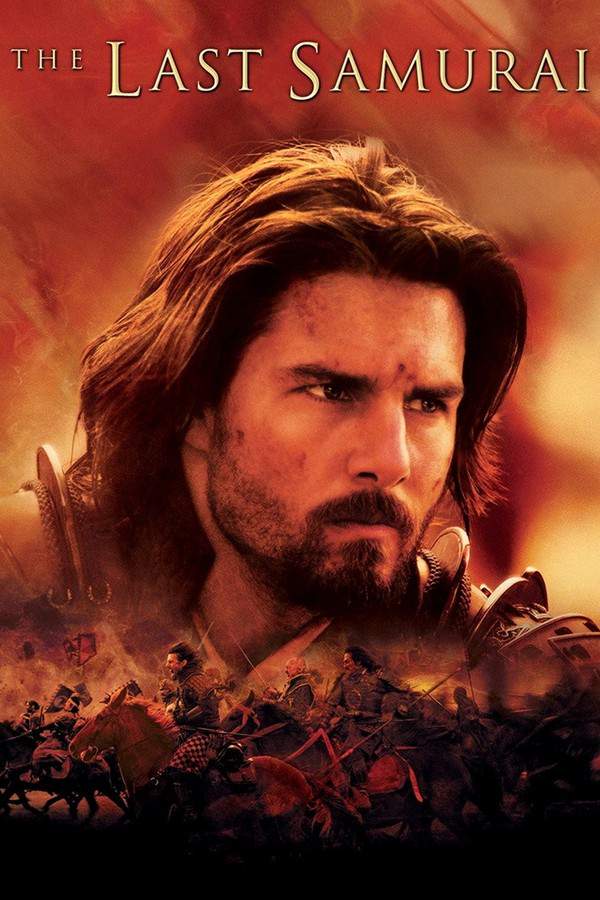
The Last Samurai (2003) Film Overview & Timeline
The Warrior's Way (2010) Complete Plot Breakdown
Samurai Cop (1991) Film Overview & Timeline
The Last Samurai (1990) Plot Summary & Ending Explained
The Bushido Blade (1981) Full Summary & Key Details
Ghost Warrior (1984) Movie Recap & Themes
Bushido: The Cruel Code of the Samurai (1963) Story Summary & Characters
Le Samouraï (1967) Plot Summary & Ending Explained
Haunted Samurai (1970) Complete Plot Breakdown
Samurai Wolf (1966) Story Summary & Characters
Samurai Avenger: The Blind Wolf (2009) Film Overview & Timeline