Plot Explained Spoilers guaranteed!
Plot Explained

Browse by genre

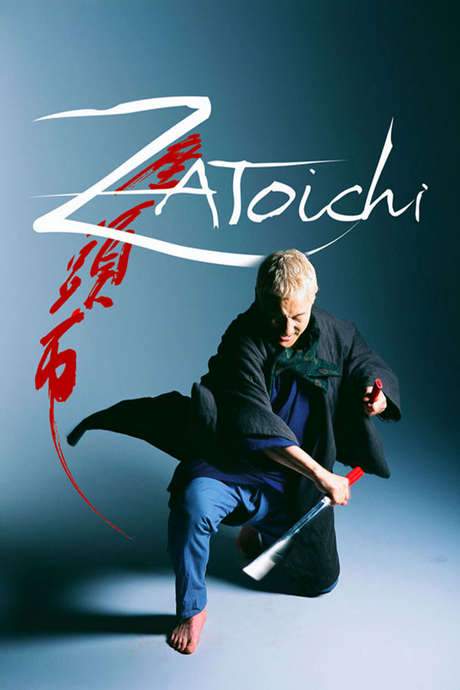
The Tale of Zatoichi Continues (1962) movie poster

Plot Summary

The Tale of Zatoichi Continues (1962) Plot Summary Explained

Release, runtime and language
1962 · 72 mins · Japanese
Loading streaming availability…
Directed by
Kazuo Mori
Starring
Tomisaburô Wakayama, Saburo Date, Yūji Hamada, Gen Kimura, Shintarō Katsu, Akiko Inoue

Returning to the village where a year before he had killed Hirate, a much-admired opponent, Zatoichi encounters another swordsman and former rival in love.

On this page (6)
  1. 1 Where to watch
  2. 2 What happens: full plot
  3. 3 Plot questions answered
  4. 4 Movie threads
  5. 5 Movies like The Tale of Zatoichi Continues
  6. 6 Every angle
Loading streaming availability…

Full plot summary · contains spoilers

What Happens in The Tale of Zatoichi Continues: Full Plot Summary

The whole story of The Tale of Zatoichi Continues (1962) explained, from the opening scene to the final frame: every key event, every twist and what it all adds up to. Read it as a quick recap before the sequel, to check a scene you missed, or to finally understand what really happened.

One year after the first film, Zatōichi travels to the town near the Joshoji Temple to pay respects at Hirate's grave. As he dries his clothes, three brigands strike, and the lone swordsman swiftly dispatches them. Later that day, he is hired to give a massage to a powerful lord who, unbeknownst to everyone, is unstable. The lord's retainers decide to kill him. Zatōichi defeats the first three attackers, then retreats to a nearby restaurant. When the initial assassination attempt fails, the lord's men hire local yakuza to finish the job. Learning of this, Zatoichi muses that he would have kept quiet if they had simply asked him to do so.

Inside the restaurant, three prostitutes discuss how Zatoichi’s presence has stirred trouble and could ruin their business. Setsu grows fond of the blind swordsman and quickly asks him to spend the night, sharing stories about her father, who was blind yet married three times. While Zatōichi sits in a back room, the one-armed swordsman, Tomisaburô Wakayama as Yoshiro, and his companion enter the scene. Yoshiro tells a short tale of how Chiyo left him after he became crippled. Zatoichi says that he too loved a woman named Chiyo, but she left him when she learned he was blind, and he once sought out the man she hated most and attacked him. He leaves with Setsu, and in the morning, Setsu remarks that it feels as if they were married.

Yoshiro, staying under Sukegoro’s shadow, returns so the yakuza boss can weigh in on the new trouble. Otane, Masayo Banri as Otane, who is to be married, learns Zatoichi has come back and races toward the temple. On the way, Zatoichi passes the stream where Hirate once fished with him, reflecting on their fragile friendship and on Chiyo—the woman he loved who was taken from him. At the temple, Otane meets Zatoichi, and Yoshiro arrives with a fresh resolve to kill his younger brother in revenge for crippling him. Zatōichi disarms Yoshiro, but the brother is stabbed by Zatoichi with his own wakizashi as the constabulary arrives. The two flee with the wounded Yoshiro, and Otane brings food to them in hiding, overhearing Zatoichi say that he is glad Otane is getting married and hopes she will be happy in life.

The confrontation is far from over, and Yoshiro dies after revealing that Chiyo is not dead; she left him after his crippling injury, and he does not know where she is. Zatoichi then seeks out Sukegoro, Eijirō Yanagi the yakuza boss, and tells him that two men have died for him in his petty crime wars, so he too must die. The film ends abruptly with Zatoichi delivering what appears to be the killing cut, leaving the fate of all involved unresolved and the danger hanging in the air.

Last updated: October 09, 2025 at 12:31

Was this helpful?

Plot questions answered

The Tale of Zatoichi Continues Plot Explained: Your Questions Answered

The questions people ask most about The Tale of Zatoichi Continues (1962): what happens in the confusing scenes, why the characters do what they do, the twists, hidden details and what the ending means. Each answer contains spoilers.

Q1

Why do the lord's retainers want to kill him?

The retainers discover that their lord is mentally unstable, Zatoichi observes clear signs of his insanity during the massage. Fearing what an unpredictable, powerful nobleman might do, they decide to eliminate him before his instability leads to consequences that could endanger them all.

Foreshadowing: Earlier, Zatoichi notes the lord's strange behavior, hinting at the danger that prompted the retainers' decision.

  • lord
  • retainers
  • assassination
  • insane
  • mental instability
Q2

Why does Zatoichi say he would have stayed quiet if asked to kill the lord?

Zatoichi recognizes the lord's danger himself and understands the retainers' motivation. When he learns they've hired yakuza to finish the job, he muses that they could have simply asked him to handle it, he would have done so without demanding payment, since he already knew the lord was a threat.

Foreshadowing: This comment reveals Zatoichi's pragmatic approach to violence and his willingness to act as a mercenary when the cause aligns with his own judgment.

  • lord
  • kill
  • quiet
  • yakuza
  • money
Q3

How are Zatoichi and Yoshiro connected?

Both men share a painful history with the same woman named Chiyo. Yoshiro tells Zatoichi that Chiyo left him after he became a one-armed cripple. Zatoichi then reveals he once loved a Chiyo who left him when she learned he was blind, and in his anger, he sought out the man she hated most and attacked him. Their shared loss creates a somber bond between the two swordsmen.

Foreshadowing: Yoshiro's arrival at the restaurant with his companion sets up this revelation of parallel tragedies.

  • yoshiro
  • chiyo
  • blind
  • cripple
  • love
  • left
Q4

Why does Yoshiro want to kill Zatoichi's younger brother?

At the temple confrontation, Yoshiro declares he intends to kill Zatoichi's younger brother, claiming he already killed Chiyo. However, this appears to be a misdirection or confusion, Zatoichi has no brother in the story. Yoshiro is likely projecting his rage at all those who have wronged him, and the 'younger brother' may be an accusation or mistaken identity. Zatoichi disarms him before this becomes clear.

Foreshadowing: Earlier tension between Yoshiro and Sukegoro hints at his escalating vendetta against anyone connected to his suffering.

  • yoshiro
  • brother
  • kill
  • confusion
  • confrontation
Q5

What happens to Chiyo, did she die?

Chiyo is not dead. When Yoshiro dies from his wounds, he reveals that Chiyo left him after his crippling injury and he does not know where she went. This means the woman both Zatoichi and Yoshiro loved is still alive somewhere, but lost to both men forever, adding a devastating layer of grief to Zatoichi's character.

Foreshadowing: Zatoichi's earlier reflection about Chiyo being taken from him gains tragic new meaning with this revelation.

  • chiyo
  • alive
  • dead
  • left
  • missing
Q6

Why does Zatoichi decide to kill Sukegoro?

Sukegoro, the yakuza boss, ordered the attack on Zatoichi and used his criminal network to escalate the violence. Zatoichi confronts Sukegoro directly, pointing out that two men have already died fighting in Sukegoro's petty crime wars, and therefore Sukegoro himself must face the same consequence. This represents Zatoichi's moral code: those who order deaths must be willing to die.

Foreshadowing: Sukegoro's return from travel and his order for Yoshiro to leave town establishes his role as the puppet master behind the escalating violence.

  • sukegoro
  • yakuza
  • boss
  • kill
  • justice
  • death
Q7

Why does Zatoichi return to visit Hirate's grave?

Hirate was a respected opponent whom Zatoichi killed in the previous film. Returning one year later, Zatoichi pays respects at his grave, the spot where their fragile friendship once formed. This visit establishes Zatoichi's contemplative nature and his respect for worthy adversaries, highlighting the melancholic weight he carries from his violent life.

Foreshadowing: The ambush by brigands immediately after this respectful act underscores the danger that follows Zatoichi wherever he goes.

  • hirate
  • grave
  • respect
  • opponent
  • death
Q8

Why does Setsu ask Zatoichi to spend the night with her?

Setsu is drawn to Zatoichi despite, or perhaps because of, his dangerous reputation. She shares that her father was blind yet managed to marry three times, suggesting she sees past Zatoichi's disability. Her invitation appears genuine, born from loneliness and the recognition that Zatoichi understands loneliness too. In the morning, she remarks it felt like being married, revealing genuine affection.

Foreshadowing: Earlier, the prostitutes worry Zatoichi's presence will ruin their business, but Setsu acts contrary to this practical concern.

  • setsu
  • night
  • marriage
  • affection
  • blind
Q9

What does Zatoichi mean when he says he's glad Otane is getting married?

While in hiding with the wounded Yoshiro, Otane brings them food. Zatoichi expresses happiness that she is marrying and wishes her well in life. This reveals Zatoichi's selflessness, he knows his dangerous life cannot offer her stability, so he genuinely wants her to find happiness elsewhere, even though he once reflected on her unspoken wish to marry him.

Foreshadowing: Earlier, Zatoichi passes the stream where he fished with Hirate and thinks of Otane's unspoken wish to marry him.

  • otane
  • married
  • happy
  • wish
  • blessing
Q10

Why does the film end so abruptly with Zatoichi delivering the killing cut?

The film ends mid-action as Zatoichi presumably kills Sukegoro, leaving all character fates unresolved. This abrupt, ambiguous conclusion reflects the film's themes of endless violence and unfinished business. Zatoichi achieves a form of justice but remains emotionally hollow, he has killed for others' causes yet his own lost love (Chiyo) remains gone forever. The unresolved ending mirrors his unresolved grief.

Foreshadowing: The earlier revelation that Chiyo is alive but lost makes this ending particularly bittersweet, Zatoichi kills but cannot reclaim what he lost.

  • ending
  • abrupt
  • sukegoro
  • death
  • unresolved
  • bittersweet

Movie threads

More Movies Like The Tale of Zatoichi Continues, by Mood & Story

Curated lists built around what makes The Tale of Zatoichi Continues tick: the same mood, the same kind of story or the same emotional payoff. Each list explains why these movies belong together.

Movies about wandering warriors like The Tale of Zatoichi Continues

Stories of solitary fighters haunted by past deeds, seeking fleeting honor. If you liked the lone swordsman journey in The Tale of Zatoichi Continues, explore other movies featuring masterless warriors and drifters. These films capture the melancholic, violent life of skilled fighters bound by honor and haunted by their pasts, perfect for fans of samurai and western dramas.

  • lonely
  • reflective
  • violent
  • somber
  • fatalistic
  • honorable
  • Tone: melancholic, somber
  • Pacing: steady, character-driven
Why these movies?

The story pattern: These narratives follow a skilled but solitary protagonist who is drawn into conflicts not their own. Their past traumas and moral code constantly collide with the violent present, leading to a journey where physical confrontations are interspersed with deep, lonely reflection on the cost of their lifestyle, often culminating in a bittersweet resolution.

Why they belong together: Movies are grouped here for their shared focus on the archetypal lone warrior, the steady pacing that balances action with introspection, and the heavy emotional weight derived from themes of honor, loneliness, and the inescapable nature of violence.

Movies with bittersweet endings like The Tale of Zatoichi Continues

Violent journeys where external success is overshadowed by personal loss. For viewers who appreciated the bittersweet conclusion of The Tale of Zatoichi Continues, this section features similar movies where the hero's success is tempered by personal sacrifice. These stories blend intense action with heavy drama, resulting in an ending that feels earned but emotionally complex.

  • somber
  • bittersweet
  • violent
  • tense
  • moral ambiguity
  • lonely
  • Tone: melancholic, bittersweet
  • Pacing: steady
Why these movies?

The story pattern: The narrative pattern involves a protagonist engaged in a violent or morally ambiguous conflict. They succeed in their external goal—be it revenge, protection, or fulfilling a duty—but this success comes at a great personal cost, such as the loss of a connection or the reinforcement of their isolation, leading to a poignant, bittersweet finale.

Why they belong together: These films are united by their specific emotional mix: high-intensity action sequences paired with a heavy, melancholic tone, all building towards an ending that is simultaneously conclusive for the plot yet unresolved for the character's emotional journey.

If you liked this

Movies Like The Tale of Zatoichi Continues

Similar movies to The Tale of Zatoichi Continues: the same genre, themes or kind of story. Each one comes with its own plot summary, timeline and ending explained.

Browse all movie summaries

Every angle

The Tale of Zatoichi Continues (1962) Explained: Plot, Timeline & Characters

Everything about The Tale of Zatoichi Continues in one place: what happens in the plot summary, the timeline in chronological order, the characters and meaning and a spoiler-free summary. What's After the Movie adds the cast, box office and post-credit scenes.

Coming soon on iOS and Android

The Plot Explained Movie Summary App

Plot summaries, endings explained and timelines on your phone. Catch up on any movie in minutes, save your favorites and never miss a twist again.

Be the first to know when we launch. Your email stays private, always.

Learn more about the app