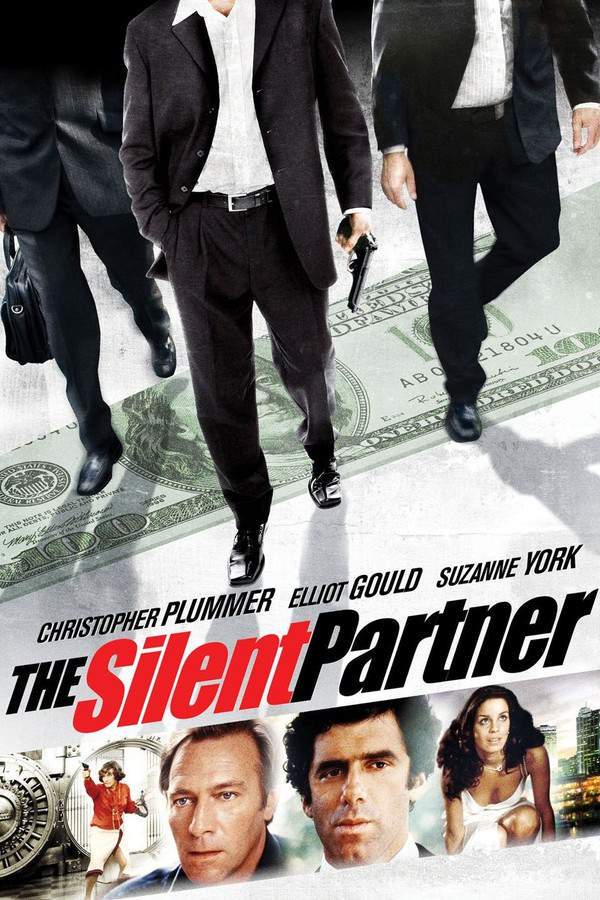
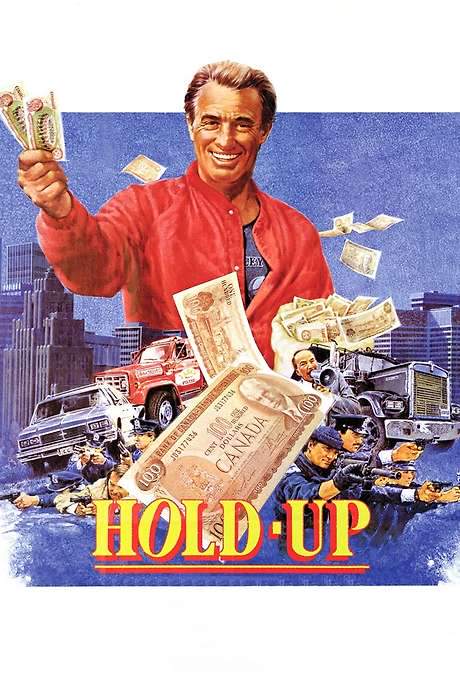
In a busy Toronto setting nestled inside the Eaton Centre, a quiet bank teller named Miles Cullen discovers a chilling clue about an imminent robbery. When a mall Santa outside the bank, known as Harry Reikle, holds a “give to charity” sign with handwriting eerily similar to the note he spots, Miles faces a choice: report the danger or keep his own safety and routine intact. He chooses secrecy, and to his surprise, he begins stashing the cash from his daily transactions in an old lunch box instead of the bank’s till, hoping to keep a slim cushion invisible to prying eyes.
As the heist shakes out, Reikle robs Miles at the teller window but Miles only parts with a small portion before later claiming he handed over the entire day’s take. The scene is set for a dangerous game of cat and mouse as Reikle—convinced that Miles is behind the theft—intensifies his hunt, tracing Miles to and from home, and escalating the threat with menacing phone calls and ominous visits. The tension thickens when Reikle’s pursuit collides with Miles’ ordinary life, drawing the attention of a bank colleague, Julie Carver, who has been entangled in an affair with the bank’s married manager, Charles Packard. Miles tries to keep his personal feelings in check while navigating the perilous undercurrents of loyalty, fear, and desire.
The plot deepens when Reikle breaks into Miles’ apartment, leaving chaos in his wake as he searches for the hidden money. In a risky countermove, Miles follows the robber and secretly engineers a scenario that could see Reikle arrested for a different crime—the theft of a delivery truck. At the police lineup, Miles holds back, wary that identifying Reikle would sweep him into a web of suspicion and expose his own caper. This moment plants the seeds for a fragile truce of sorts, a concealed truth between two men whose lives have collided in a common lie.
Months drift by, and at his father’s funeral Miles meets a woman named Elaine, who claims to be a nurse but is secretly working with Reikle, tracking Miles and the possible whereabouts of the money. Ela ine’s true loyalties become tangled with romance as she grows close to Miles, yet Reikle’s distrust and scheming remain a looming threat. Miles discovers that the money has been moved into a safety deposit box at his own bank, but Reikle’s control over the situation is slipping as trust fractures and coercion morphs into murderous intent. Elaine’s devotion to Miles clashes with the peril surrounding them, and the revelation of her true position inflames Reikle’s anger, culminating in a brutal act that leaves Elaine dead in a broken fish tank within Miles’ apartment.
With Elaine gone and the body disposed of in the foundation of the bank’s new building, Reikle confronts Miles in a volatile confrontation that tests every nerve Miles has left. The twisted plan is set into motion: a public handover of the money where Miles believes he is finally safe. The exchange takes a chilling turn when Reikle arrives in disguise, a female façade masking a deadly resolve. Miles, hoping to end the nightmare, hands over a packet and triggers the alarm while shouting that “he has a gun,” hoping to turn the tables and force a final, decisive moment.
The result is brutal and fatal. Reikle shoots Miles, then flees into the mall, where a bank security guard finishes the chase. The guard’s wounded, clipped declaration—“Whose money did you expect?”—hangs in the air as a stark reminder of how fragile trust can be when greed and fear drive people to impossible choices. Miles is carried away by ambulance, gravely hurt, while Julie remains a steady, perceptive presence beside him. In the aftermath, the pair decide to leave their old lives behind and seek a new line of work, somewhere far away from the shadows they have endured.
> Whose money did you expect?
Throughout this story of risk and calculation, the tension never fully releases, even as characters flirt with ordinary life and the promise of a quieter future. The mall’s bright lights blur with the darker corners of guilt and desire, and the film offers a careful, steady examination of how one seemingly simple choice can cascade into danger, loyalty, and a desperate bid for redemption. The performances sketch rich portraits of ambition, fear, and resilience, anchored by a central figure whose quiet prudence is both his strength and his undoing.