Plot Explained Spoilers guaranteed!
Plot Explained

Browse by genre

The Pursuit of Happiness (1971) movie poster

Timeline

The Pursuit of Happiness (1971) Timeline Explained – Every Event in Order

Release, runtime and language
1971 · 93 mins · English
Directed by
Robert Mulligan
Starring
Barnard Hughes, Ralph Waite, Arthur Hill, Robert Klein, William Devane, Charles Durning

William Popper, the son of a stockbroker, is profoundly disillusioned with the system that raised him. After accidentally hitting a pedestrian with his car, he could prove his innocence, yet his contempt drives him to accept a manslaughter sentence, using the punishment as a statement against the world he despises.

On this page (6)
  1. 1 Where to watch
  2. 2 Events in order (14)
  3. 3 Timeline questions answered
  4. 4 Movie threads
  5. 5 Movies like The Pursuit of Happiness
  6. 6 Every angle

Where to watch

Where to Watch The Pursuit of Happiness (1971)

Where can you watch The Pursuit of Happiness? Stream, rent or buy it in the US, including on Amazon Video, Apple TV Store and Fandango At Home: current JustWatch availability with up-to-date prices.

Streaming availability powered by JustWatch

14 events in order · contains spoilers

The Pursuit of Happiness Timeline: Events in Chronological Order

Every key event of The Pursuit of Happiness (1971) in order, scene by scene, with when and where it takes place. Use it to untangle flashbacks, time jumps and parallel storylines, to refresh your memory before the sequel or to find the exact scene you are thinking of.

  1. Aunt's plea to drive to his father

    Aunt Ruth visits and persuades William to drive to Connecticut to see his father, choosing family over his girlfriend Jane for the evening. He agrees and heads out in the city after sunset, driven by obligation and emotion.

    When
    Evening
    Where
    Aunt Ruth's home
  2. Late-night departure into heavy rain

    William leaves the city center in a small sports car as heavy rain reduces visibility. The departure is tense and solitary, setting a foreboding mood for what follows. He remains determined to reach his father despite the dangerous conditions.

    When
    Night
    Where
    City center and road out of town
  3. Accidental collision with a pedestrian

    In the rain, he strikes a woman crossing between parked cars. The incident happens quickly and initially goes unseen by others nearby. He decides to surrender to the police, taking responsibility for the act.

    When
    Night
    Where
    City centre
  4. Police interview and legal trouble emerges

    William is interviewed by Detective Cromie and learns he has no driving license or insurance. With the situation escalating, he seeks legal help and brings his father into the discussion. A lawyer, Daniel Lawrence, becomes part of his immediate circle.

    When
    Night
    Where
    Police station
  5. Lawyer and family arrive; rooms swap

    Daniel Lawrence arrives with William's father, and William moves to speak with the lawyer in his rooms. Jane is brought into the proceedings and Melvin presses William's father for money, highlighting their precarious finances. The stage is set for the legal battles ahead.

    When
    Following day
    Where
    Lawyer's office and William's rooms
  6. William confesses to Jane

    Only after his father leaves does William confess to Jane that he killed someone that evening. The confession binds Jane to the consequences of his actions and raises questions about their relationship. The admission marks a turning point in the emotional arc of the story.

    When
    Evening
    Where
    Jane's location
  7. Apology visit to the dead woman's family

    Against the lawyer's advice, William visits the family of the deceased to apologize. The family remains unimpressed and uneasy about the intrusion into their grief. The encounter deepens the social tensions surrounding the incident.

    When
    Next day
    Where
    Family home
  8. Grandmother's domineering stance

    William returns to the family home where his grandmother dominates the household. She belittles servants and makes dismissive judgments about the dead woman, implying bias against her Irish background. She demands a character analysis of the deceased to reinforce her worldview.

    When
    Following day
    Where
    Grandmother's home
  9. Trial and judgment begin

    Back with his girlfriend, William debates the value of wearing a suit. He wears it, but the judge still sees him as negligent and disobedient, framing him in terms of appearance and responsibility. The courtroom mood underscores the social dynamics at play.

    When
    Trial day
    Where
    Courtroom
  10. Conviction and a brief prison interlude

    William is convicted of criminal negligence for the killing of Mrs Conroy and sentenced to one year in prison. He is allowed a weekend to spend with Jane before beginning his sentence, a bittersweet farewell that underscores the personal costs of the case. The verdict anchors his life to a rigid prison schedule.

    When
    After verdict
    Where
    Courtroom and prison
  11. Prison life and a murder trial twist

    In prison, William shares a cell with James J. Moran, a former senator imprisoned for embezzlement. A new inmate, George Wilson, is stabbed to death in the showers, and William ends up involved in a murder trial that is distracted by questions about a supposed homosexual letter. The line of questioning misdirects from the actual crime.

    When
    During sentence
    Where
    Prison
  12. Escape, campus visit, and looming escape plan

    During a toilet break, William escapes through an open window and heads toward the university to see Jane. Police warn Jane she could be in trouble if she helps him, though they do not spot him. The plan to leave the country begins to take shape, setting up further developments.

    When
    Mid-sentence
    Where
    Prison, then university
  13. Final family aid and preparations to flee

    At night, William returns to the family home where his grandmother finally gives him cash to leave, providing three thousand dollars from the safe. He arranges for Melvin to buy a car for six hundred dollars, marking the start of a plan to flee the country. The sense of impending departure grows stronger.

    When
    Night
    Where
    Grandmother's home
  14. Private flight to Canada or Mexico option

    They head toward a private airport, and Mr. Smith offers to fly them to Canada for one thousand dollars, with a Mexico option available for an extra five hundred. The choice signals a dramatic turn toward escape from legal consequences. They depart in a private flight with the Statue of Liberty in view.

    When
    Evening
    Where
    Private airport, en route

Last updated: October 09, 2025 at 12:30

Was this helpful?

Timeline questions answered

The Pursuit of Happiness Timeline Explained: Your Questions Answered

When does it happen, and why in that order? The questions people ask about the chronology of The Pursuit of Happiness (1971): time jumps, flashbacks, cause and effect between scenes and the correct order of events, each answered with spoilers.

Q1

Why did William accept a prison sentence when he could have proven his innocence?

William deliberately chose to accept the manslaughter sentence as a statement against the system that raised him. Despite having no witnesses to the accident and being able to potentially prove his innocence in court, he was profoundly disillusioned with the privileged world of his stockbroker father. He used the punishment as a form of protest, viewing it as an opportunity to reject the very system he despised.

Foreshadowing: The film's opening establishes William's deep contempt for his father's world and the societal structures around him.

  • william popper
  • manslaughter sentence
  • innocence
  • protest
  • stockbroker father
Q2

Why did William visit the dead woman's family against his lawyer's advice?

William went to the Conroy home to apologize directly to the family, driven by a sense of moral responsibility for accidentally killing Mrs Conroy. This decision reflects his attempt to take personal accountability rather than letting legal technicalities define his actions. However, the visit was unproductive, the family remained cold and suspicious, and his grandmother's harsh remarks about the deceased only made the situation worse.

  • apologize
  • conroy family
  • mrs conroy
  • lawyer advice
  • accountability
Q3

Why was William convicted of criminal negligence despite the accident happening in poor visibility?

The judge perceived William as negligent and disobedient, largely based on his appearance and demeanor in court. Despite William wearing a suit to appear responsible, the judge framed him as someone who had disregarded the law. The combination of his lack of a driver's license, no insurance, and the serious nature of the accident led to the conviction for criminal negligence.

Foreshadowing: William's earlier decision to skip his girlfriend's talk and drive to see his father established a pattern of acting against conventional expectations.

  • criminal negligence
  • conviction
  • judge
  • license
  • insurance
  • court
Q4

What was the murder trial involving George Wilson about?

During William's imprisonment, another inmate named George Wilson was stabbed to death in the showers by Convict McCardle. When William became a witness in the murder case, the prosecution focused on questioning him about a homosexual love letter he was helping another inmate write. This line of questioning distracted from the actual killing and seemed designed to sensationalize the trial rather than get to the truth of Wilson's murder.

  • george wilson
  • murder trial
  • showers
  • inmate
  • homosexual letter
  • prison
Q5

Why did William's grandmother finally give him money to leave the country?

William's grandmother had been cold and dismissive throughout the film, even ordering dogs to be set on him when he returned home. However, she ultimately gave him $3,000 from the safe to help him flee the country. This seemingly contradictory action reflects the family's complicated dynamic, despite her harsh exterior, she provided the means for his escape, though the motivation remains ambiguous, possibly driven by a desire to protect the family reputation or genuine, if flawed, concern.

Foreshadowing: Her earlier demands for a character analysis of Mrs Conroy showed her to be calculating rather than compassionate.

  • grandmother
  • flee
  • $3000
  • family home
  • escape
  • canada
Q6

Why did William choose to escape to Canada or Mexico instead of serving his remaining week?

With only a week left on his one-year sentence, William faced a difficult moral decision. He ultimately chose escape because the consequences of conviction had become too great, the trial had painted him as negligent, possibly homosexual, and his future prospects were severely damaged. The escape plan, arranged by his friend Melvin, offered him a way to start fresh with his girlfriend Jane rather than serve the remainder of his time and face a tainted reputation.

  • escape
  • canada
  • mexico
  • melvin
  • jane
  • flee
  • prison sentence
Q7

Why didn't William's father stop him from fleeing the country?

John Popper, a millionaire stockbroker, urged his son not to go when William bid him farewell before fleeing. However, William's father had already been unable to prevent his son's self-destructive path throughout the film. Despite his wealth and influence, he could not change William's deep disillusionment with the world he represented. The father's failed attempts to guide his son, combined with William's independent moral code, meant he could not stop the final escape.

Foreshadowing: Earlier in the film, William's father was brought into the legal proceedings but could not control the outcome.

  • john popper
  • father
  • flee
  • millionaire
  • warning
  • escape
Q8

What happened at the end when William, Jane, and Melvin fled?

The trio reached a private airport where a man called Mr. Smith offered them a flight to Canada for $1,000, with a quicker option to Mexico available for an extra $500. They chose to escape, taking to the skies with the Statue of Liberty visible below as they vanished toward their new horizon. The ending is ambiguous, their physical freedom is clear, but their moral future and what awaits them in Canada or Mexico remains uncertain.

  • statue of liberty
  • mr smith
  • canada
  • mexico
  • private plane
  • escape ending
Q9

Why did Melvin immediately ask William's wealthy father for money?

Melvin Lasher, William's practical-minded friend, arrived with blunt pragmatism and immediately pressed John Popper for financial help. He was fully aware that John Popper was a millionaire and understood that the legal troubles would require significant funds. This moment established Melvin as a opportunistic character who recognized the family's wealth and saw an opportunity to secure money for the impending legal battles.

  • melvin lasher
  • money
  • father
  • millionaire
  • financial help
Q10

Why was William's lack of license and insurance significant to the case?

During the police interview, Detective Cromie quickly discovered that William had no driver's license and no insurance. This elevated the seriousness of the incident from a tragic accident to a legal violation that could result in significant penalties. The lack of license and insurance became central to the prosecution's case, making it easier to frame William as negligent regardless of the circumstances surrounding the actual accident.

  • detective cromie
  • license
  • insurance
  • police
  • arrest
  • legal trouble

Movie threads

More Movies Like The Pursuit of Happiness, by Mood & Story

Curated lists built around what makes The Pursuit of Happiness tick: the same mood, the same kind of story or the same emotional payoff. Each list explains why these movies belong together.

Self-Destructive Stories Like The Pursuit of Happiness

Characters who deliberately sabotage their own lives as a form of protest. If you were captivated by the protagonist's self-destructive rejection of privilege in The Pursuit of Happiness, explore more movies about characters who intentionally sabotage their lives. These films share a dark tone, heavy emotional weight, and a focus on moral crisis and societal critique.

  • self-destructive
  • disillusioned
  • fatalistic
  • claustrophobic
  • socially critical
  • morally complex
  • Tone: dark, grim, fatalistic
  • Pacing: steady, methodical descent
Why these movies?

The story pattern: The narrative typically follows a character from a position of comfort or advantage who becomes so disillusioned that they actively choose a path of suffering. This journey is often a slow, steady descent into a punitive system—like prison or poverty—that they use as a stage for their protest, leading to an ambiguous and morally complex resolution.

Why they belong together: Movies in this thread are grouped by their shared focus on a specific character arc: the intellectual or moral rebellion manifested as self-sabotage. They consistently feature a dark, intense tone, heavy emotional themes, and a pacing that builds claustrophobic tension as the character's chosen downfall unfolds.
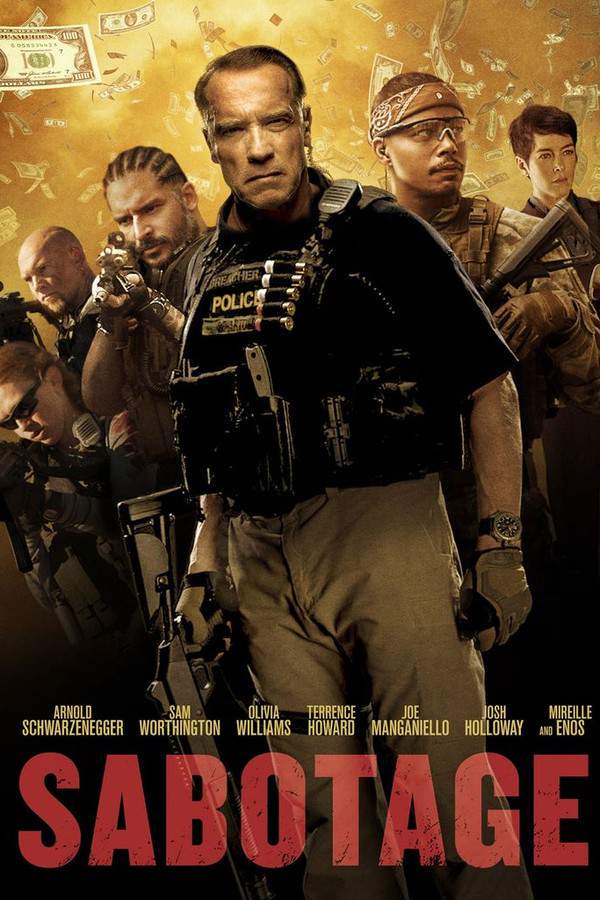
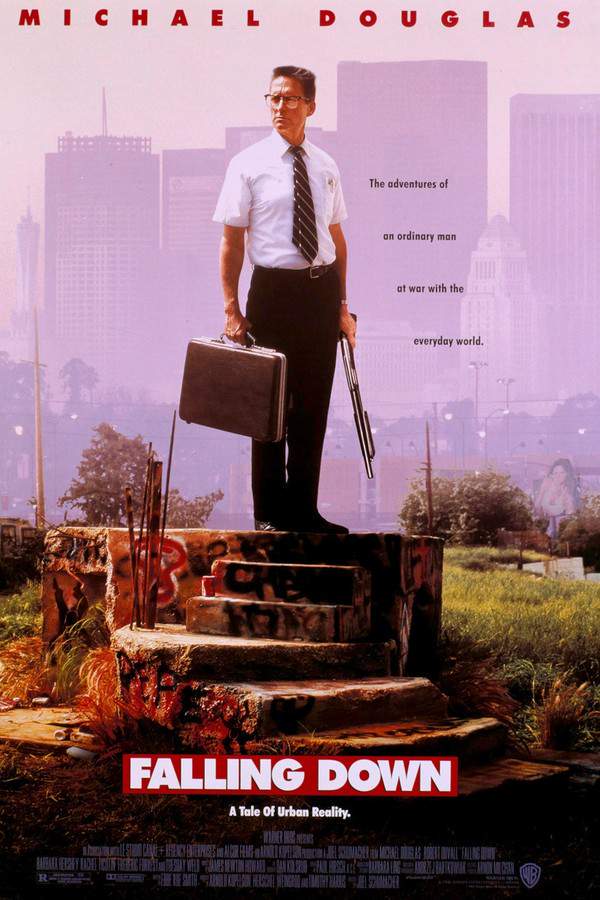
Claustrophobic System Thrillers Like The Pursuit of Happiness

Stories of individuals being slowly crushed by impersonal, oppressive systems. For viewers who appreciated the grim, methodical tension of the legal and prison system in The Pursuit of Happiness, this collection features similar movies about individuals trapped by oppressive institutions. These dramas and thrillers share a dark, anxious mood and a steady, relentless pace.

  • claustrophobic
  • oppressive
  • anxious
  • institutional
  • tense
  • grim
  • Tone: dark, tense, oppressive
  • Pacing: steady, methodical buildup
Why these movies?

The story pattern: The narrative pattern involves an individual entering a complex system (like a court, prison, or asylum) often through a single mistake or accident. The story then focuses on their struggle to survive or escape as the system's rules and dangers methodically strip away their autonomy, leading to a climax that is often ambiguous or bleak.

Why they belong together: These films are united by their setting and mood: they use the environment of a large, impersonal institution to generate a consistent feeling of claustrophobia and anxiety. They share a dark tone, steady pacing that builds unease, and themes of injustice and alienation.

If you liked this

Movies Like The Pursuit of Happiness

Similar movies to The Pursuit of Happiness: the same genre, themes or kind of story. Each one comes with its own plot summary, timeline and ending explained.

Browse all movie summaries

Every angle

The Pursuit of Happiness (1971) Explained: Plot, Timeline & Characters

Everything about The Pursuit of Happiness in one place: what happens in the plot summary, the timeline in chronological order, the characters and meaning and a spoiler-free summary. What's After the Movie adds the cast, box office and post-credit scenes.

Coming soon on iOS and Android

The Plot Explained Movie Summary App

Plot summaries, endings explained and timelines on your phone. Catch up on any movie in minutes, save your favorites and never miss a twist again.

Be the first to know when we launch. Your email stays private, always.

Learn more about the app