Plot Explained Spoilers guaranteed!
Plot Explained

Browse by genre

The Pursuit of Happiness (1971) movie poster

Spoiler-Free Summary

The Pursuit of Happiness (1971) Spoiler-Free Summary – What It's About

Release, runtime and language
1971 · 93 mins · English
Directed by
Robert Mulligan
Starring
Barnard Hughes, Ralph Waite, Arthur Hill, Robert Klein, William Devane, Charles Durning

William Popper, the son of a stockbroker, is profoundly disillusioned with the system that raised him. After accidentally hitting a pedestrian with his car, he could prove his innocence, yet his contempt drives him to accept a manslaughter sentence, using the punishment as a statement against the world he despises.

On this page (7)
  1. 1 Where to watch
  2. 2 What it is about
  3. 3 Is it worth watching?
  4. 4 After you watch
  5. 5 Movie threads
  6. 6 Movies like The Pursuit of Happiness
  7. 7 Every angle

Where to watch

Where to Watch The Pursuit of Happiness (1971)

Where can you watch The Pursuit of Happiness? Stream, rent or buy it in the US, including on Amazon Video, Apple TV Store and Fandango At Home: current JustWatch availability with up-to-date prices.

Streaming availability powered by JustWatch

Spoiler-free summary · safe to read

What Is The Pursuit of Happiness About? (No Spoilers)

The plot of The Pursuit of Happiness (1971) without spoilers: what it is about, who it follows and where it takes place, told without the twists or the ending. Enough to decide whether it is your next watch, not enough to ruin it.

In a rain‑slick city that feels both glossy and oppressive, William Popper drifts through life as the privileged son of a successful stockbroker, yet he is haunted by a deep contempt for the very system that raised him. The film opens on his restless intellect and a yearning to prove that the comfortable veneer of wealth can be stripped away, setting a tone that is as introspective as it is tense. Shadows linger over the streets, and the omnipresent hum of traffic mirrors William’s internal turbulence, hinting at a world where personal rebellion collides with societal expectations.

When a late‑night drive turns into an unexpected accident, William faces a crossroads that forces him to confront the legal machinery and his own moral compass. Rather than exploiting the possibility of exoneration, he chooses to accept responsibility in a way that feels like a deliberate act of defiance. This decision draws in the people closest to him: his pragmatic aunt Ruth, whose guidance pushes him toward the journey; his steadfast girlfriend Jane, who represents both connection and tension; his father John Popper, whose wealth offers a stark contrast to William’s disillusionment; and his blunt friend Melvin Lasher, whose presence underscores the pragmatic side of survival.

The surrounding world—courtrooms echoing with formality, a family home dominated by a formidable grandmother, and the looming walls of a prison—creates a claustrophobic backdrop that amplifies the film’s existential mood. Every setting feels meticulously crafted to reflect the friction between institutional authority and personal agency, making the narrative feel like a study of quiet revolt rather than overt action.

Against this textured tableau, William’s restless spirit searches for meaning beyond the confines of his lineage and the expectations of others. The movie lingers on the subtle power of choices made in the shadows, inviting viewers to contemplate how far one will go to make a statement when the system itself becomes the ultimate adversary.

Last updated: December 04, 2025 at 23:08

Was this helpful?

What to expect

Is The Pursuit of Happiness Worth Watching? What It Feels Like

Is it dark, sad, slow, intense or confusing? The mood of The Pursuit of Happiness (1971) in a few tags, without a word about how it ends. Each tag opens a list of movies that feel the same.

After you watch

Seen The Pursuit of Happiness? Now Read the Spoilers

Once you have watched The Pursuit of Happiness (1971), come back for the full story: the plot summary with spoilers, the timeline in chronological order, the characters and meaning.

Movie threads

More Movies Like The Pursuit of Happiness, by Mood & Story

Curated lists built around what makes The Pursuit of Happiness tick: the same mood, the same kind of story or the same emotional payoff. Each list explains why these movies belong together.

Self-Destructive Stories Like The Pursuit of Happiness

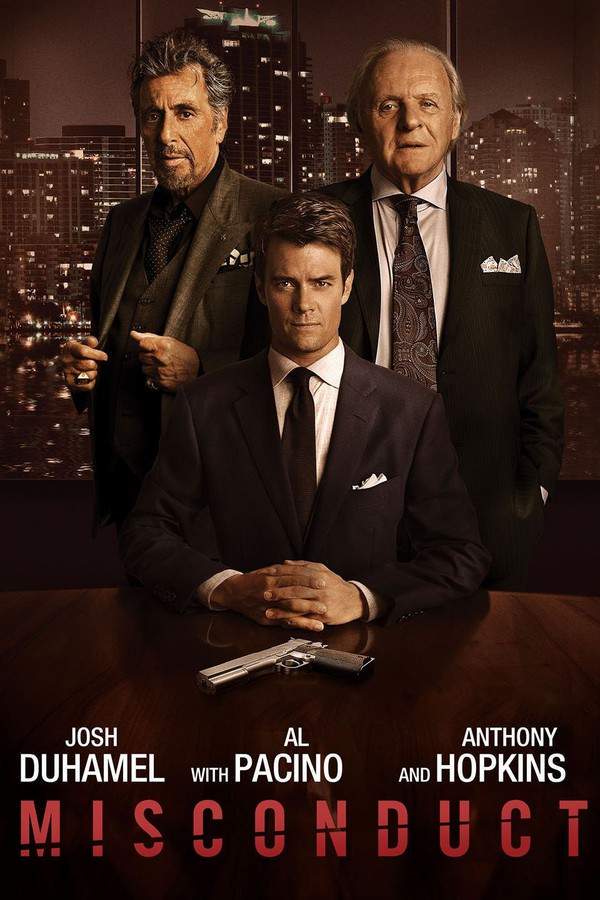
Characters who deliberately sabotage their own lives as a form of protest. If you were captivated by the protagonist's self-destructive rejection of privilege in The Pursuit of Happiness, explore more movies about characters who intentionally sabotage their lives. These films share a dark tone, heavy emotional weight, and a focus on moral crisis and societal critique.

  • self-destructive
  • disillusioned
  • fatalistic
  • claustrophobic
  • socially critical
  • morally complex
  • Tone: dark, grim, fatalistic
  • Pacing: steady, methodical descent
Why these movies?

The story pattern: The narrative typically follows a character from a position of comfort or advantage who becomes so disillusioned that they actively choose a path of suffering. This journey is often a slow, steady descent into a punitive system—like prison or poverty—that they use as a stage for their protest, leading to an ambiguous and morally complex resolution.

Why they belong together: Movies in this thread are grouped by their shared focus on a specific character arc: the intellectual or moral rebellion manifested as self-sabotage. They consistently feature a dark, intense tone, heavy emotional themes, and a pacing that builds claustrophobic tension as the character's chosen downfall unfolds.

Claustrophobic System Thrillers Like The Pursuit of Happiness

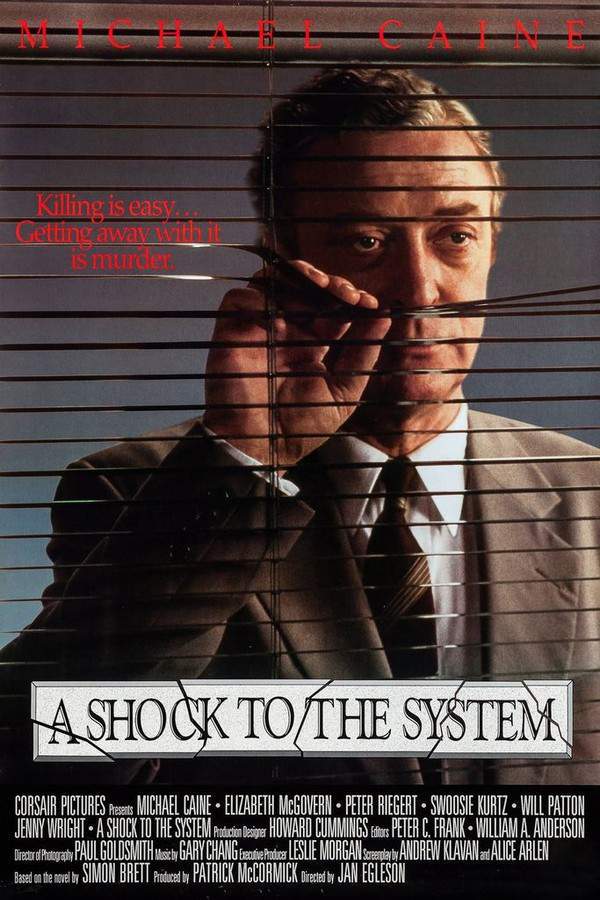
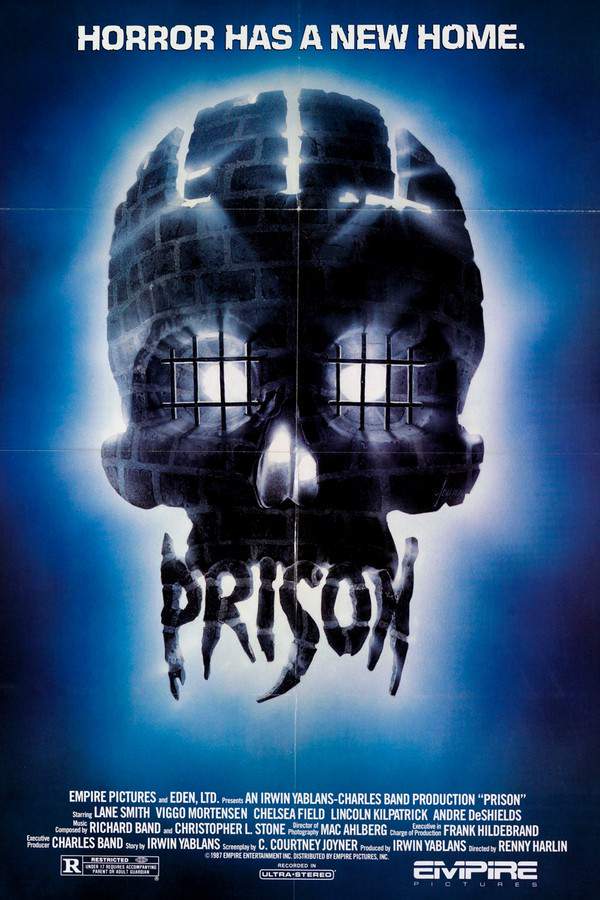
Stories of individuals being slowly crushed by impersonal, oppressive systems. For viewers who appreciated the grim, methodical tension of the legal and prison system in The Pursuit of Happiness, this collection features similar movies about individuals trapped by oppressive institutions. These dramas and thrillers share a dark, anxious mood and a steady, relentless pace.

  • claustrophobic
  • oppressive
  • anxious
  • institutional
  • tense
  • grim
  • Tone: dark, tense, oppressive
  • Pacing: steady, methodical buildup
Why these movies?

The story pattern: The narrative pattern involves an individual entering a complex system (like a court, prison, or asylum) often through a single mistake or accident. The story then focuses on their struggle to survive or escape as the system's rules and dangers methodically strip away their autonomy, leading to a climax that is often ambiguous or bleak.

Why they belong together: These films are united by their setting and mood: they use the environment of a large, impersonal institution to generate a consistent feeling of claustrophobia and anxiety. They share a dark tone, steady pacing that builds unease, and themes of injustice and alienation.

If you liked this

Movies Like The Pursuit of Happiness

Similar movies to The Pursuit of Happiness: the same genre, themes or kind of story. Each one comes with its own plot summary, timeline and ending explained.

Browse all movie summaries

Every angle

The Pursuit of Happiness (1971) Explained: Plot, Timeline & Characters

Everything about The Pursuit of Happiness in one place: what happens in the plot summary, the timeline in chronological order, the characters and meaning and a spoiler-free summary. What's After the Movie adds the cast, box office and post-credit scenes.

Coming soon on iOS and Android

The Plot Explained Movie Summary App

Plot summaries, endings explained and timelines on your phone. Catch up on any movie in minutes, save your favorites and never miss a twist again.

Be the first to know when we launch. Your email stays private, always.

Learn more about the app