Plot Explained Spoilers guaranteed!
Plot Explained

Browse by genre

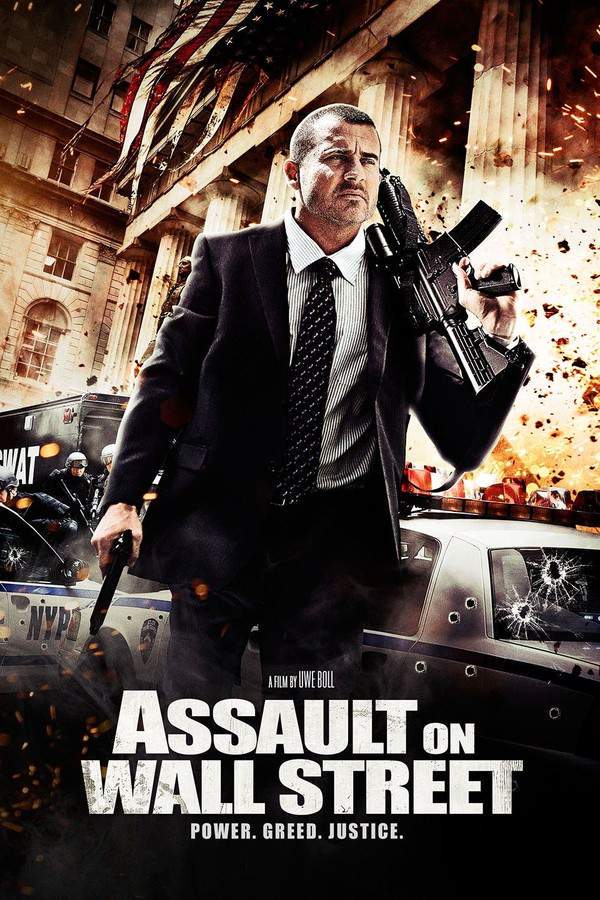
Assault on Wall Street (2013) movie poster

Plot Summary

Assault on Wall Street (2013) Plot Summary Explained

Release, runtime and language
2013 · 97 min · English
JustWatch #9,682 4
Directed by
Uwe Boll

As the economy collapses and hope fades, one man’s peaceful life is shattered. Jim embarks on a dangerous journey seeking retribution against those he believes caused the financial crisis. Driven by a desire for justice, he navigates a world of greed and corruption, leading him down a perilous path filled with unexpected challenges.

On this page (6)
  1. 1 Where to watch
  2. 2 What happens: full plot
  3. 3 Plot questions answered
  4. 4 Movie threads
  5. 5 Movies like Assault on Wall Street
  6. 6 Every angle

Where to watch

Where to Watch Assault on Wall Street (2013)

Where can you watch Assault on Wall Street? Stream, rent or buy it in the US, including on Amazon Prime Video, Fawesome and Hoopla: current JustWatch availability with up-to-date prices.

Streaming availability powered by JustWatch

Full plot summary · contains spoilers

What Happens in Assault on Wall Street: Full Plot Summary

The whole story of Assault on Wall Street (2013) explained, from the opening scene to the final frame: every key event, every twist and what it all adds up to. Read it as a quick recap before the sequel, to check a scene you missed, or to finally understand what really happened.

In the throes of the 2008 financial crisis, Jeremy Stancroft (John Heard), a portfolio manager, makes a morally questionable decision, directing his subordinates to prioritize company profits over the welfare of their clients. Meanwhile, Jim Baxford (Dominic Purcell), a former soldier turned armored car driver, struggles to support his wife, Rosie (Erin Karpluk), as she battles the aftermath of a life-threatening brain tumor in New York City. With their health insurance exhausted, Jim confronts mounting challenges in affording her ongoing treatment.

In a desperate bid to secure funds, Jim attempts to cash out his military pension, only to discover that it has been largely depleted due to reckless investment choices made by his financial adviser, Sean (Edward Furlong). To complicate matters further, Jim finds himself entangled in a staggering $60,000 lawsuit stemming from questionable real estate speculations orchestrated by Sean. During lunches with fellow colleagues from the armored car sector and acquaintances from the NYPD, Jim strives to gather the necessary funds to hire Mr. Patterson (Eric Roberts), an attorney, to challenge Sean's misconduct. However, despite his efforts, Mr. Patterson asserts that there is little he can do, and the district attorney proves to be uncooperative.

Frustrated by his deteriorating financial situation and the inability to provide for Rosie’s healthcare needs and their mortgage, Jim's employer has no choice but to let him go. Overwhelmed by guilt for the strain her illness has placed on Jim, Rosie ultimately succumbs to despair and tragically takes her own life. Consumed by a profound sense of injustice, Jim shifts his focus towards vengeance, acquiring an arsenal of firearms and explosives to target the Wall Street executives he holds responsible for his wife’s death and his ruin.

With steely determination, Jim embarks on a violent crusade, methodically eliminating those who have wronged him. During a casual lunch with friends, he discloses his identity as the so-called "Wall Street murderer," but they assume he is joking, laughing off his admission. As the film reaches its climax, Jim plans a daring assault on a high-rise office where Jeremy Stancroft resides — the very man whose unscrupulous actions shattered Jim's life. He orchestrates a diversionary explosion across the street to gain entry and begins his ruthless onslaught, gunning down innocent employees in his wake.

Once he gains access to Jeremy’s office, Jim confronts him about the devastation his greed has caused, holding up a picture of Rosie to emphasize his point. Jeremy, embodying unapologetic capitalism, asserts that the rich have not attained their wealth through honesty, claiming that in society, only the strong survive. In a tense standoff, Jim counts to three as he places the gun on the table, challenging Jeremy about his unscrupulous life choices. Just as he reaches two, Jeremy seizes the opportunity to grab the gun, boasting of his perceived victory. Yet, Jim has played his own trick; Jeremy discovers the weapon is unloaded.

As SWAT teams close in, Jim feigns innocence, having been previously injured by a security guard, leading to an unexpected twist. He is escorted from the scene, seemingly a victim, while Jeremy faces brutal consequences. In the aftermath, as Jim stands in the lobby — now on the verge of escape — he watches the chaos unfold around him. Recognized by one of his NYPD friends, Jim leaves the building under the radar, gazing ahead with a chilling resolve as he contemplates extending his vendetta against the figures of Wall Street who led him to this dark place.
Last updated: October 25, 2024 at 11:43

Was this helpful?

Plot questions answered

Assault on Wall Street Plot Explained: Your Questions Answered

The questions people ask most about Assault on Wall Street (2013): what happens in the confusing scenes, why the characters do what they do, the twists, hidden details and what the ending means. Each answer contains spoilers.

Q1

Why does Rosie commit suicide?

Rosie commits suicide because she becomes overwhelmed with guilt over the strain her illness has placed on Jim. With their health insurance exhausted, Jim unable to afford her treatment, and mounting financial pressures including a $60,000 lawsuit and mortgage payments, Rosie feels she has become an unbearable burden on her husband. Her despair reaches a breaking point, leading her to take her own life.

  • rosie suicide
  • financial desperation
  • health insurance
  • wife death
Q2

What causes Jim to become a vigilante?

Jim's transformation into a vigilante is triggered by Rosie's suicide, which leaves him consumed by a profound sense of injustice. Having lost his job, his pension, and his wife due to the financial corruption that ruined his family, Jim shifts his grief into vengeance. He holds Wall Street executives responsible for the systemic greed that destroyed his life, leading him to acquire weapons and target those he blames for his wife's death.

  • jim vigilante
  • revenge plot
  • wall street anger
  • transformation
Q3

Why does Jim target Wall Street executives?

Jim targets Wall Street executives because he holds them directly responsible for his family's destruction. He blames the greed and unethical decisions of financial managers like Jeremy Stancroft, whose choices to prioritize profits over clients during the 2008 crisis, combined with the reckless investment of his adviser Sean, led to the depletion of his pension, the lawsuit, and ultimately his inability to save Rosie.

  • wall street executives
  • financial crisis blame
  • greed
  • retribution
Q4

What happened to Jim's military pension?

Jim's military pension was largely depleted due to reckless investment choices made by his financial adviser, Sean. When Jim attempted to cash out his pension to cover Rosie's medical treatments, he discovered that Sean's questionable real estate speculations had squandered most of the funds, leaving Jim with nothing when he needed it most.

Foreshadowing: Earlier scenes show Jim working hard to support his wife, making the betrayal by his adviser even more devastating.

  • jim pension
  • sean adviser
  • financial fraud
  • military pension
Q5

Why is Jim facing a $60,000 lawsuit?

Jim becomes entangled in a $60,000 lawsuit stemming from questionable real estate speculations orchestrated by his financial adviser, Sean. This legal action adds to Jim's mounting financial pressures, forcing him to struggle even harder to gather money for Rosie's treatment while battling the legal consequences of Sean's misconduct.

  • $60
  • 000 lawsuit
  • real estate speculation
  • sean
  • legal trouble
Q6

How does Jim get into Jeremy Stancroft's building?

Jim orchestrates a diversionary explosion across the street from Jeremy's high-rise office building. This explosion creates chaos and draws attention away from his intended entry, allowing him to gain access to the building and begin his assault on the financial executives inside.

  • building entry
  • diversion explosion
  • assault plan
  • jeremy stancroft office
Q7

Why is the gun unloaded during the standoff with Jeremy?

Jim deliberately loads the gun with no ammunition during the confrontation. When Jeremy grabs the gun thinking he has gained the upper hand by reaching two in Jim's countdown, he discovers it is unloaded. This was Jim's own trick, allowing Jeremy to think he'd won before revealing the gun was never a real threat, emphasizing Jim's complete control over the situation.

  • gun unloaded
  • standoff
  • jeremy
  • trick
  • countdown
Q8

How does Jim escape from the building?

As SWAT teams close in, Jim feigns innocence by pretending to have been previously injured by a security guard. He is escorted from the scene appearing as a victim rather than the perpetrator. Once in the lobby, one of his NYPD friends recognizes him, but allows him to leave undetected. Jim exits the building under the radar while the chaos unfolds around him.

  • escape
  • swat
  • injury feign
  • lobby
  • undetected
Q9

What does the ending imply about Jim's future?

The ending is deliberately ambiguous, showing Jim leaving the building undetected and gazing ahead with a chilling resolve. He contemplates extending his vendetta against the other Wall Street figures who led him to this dark place. The film offers no catharsis or resolution, suggesting Jim may continue his violent crusade against the financial system.

  • ending
  • future violence
  • vendetta continuation
  • ambiguous conclusion
Q10

Why does Jeremy grab the gun if it's unloaded?

Jeremy grabs the gun because, during Jim's countdown, he sees an opportunity to seize control when Jim reaches two. Jeremy's character embodies unapologetic capitalism, he believes in taking power when available and sees himself as a survivor. However, Jim had anticipated this move, deliberately making the gun unloaded as part of his psychological game, demonstrating that Jeremy's instinct for self-preservation fails him.

  • jeremy character
  • gun grab
  • psychological game
  • power grab
Q11

What motivates Jeremy Stancroft's actions?

Jeremy Stancroft is motivated by unapologetic capitalism and the belief that only the strong survive in society. As a portfolio manager, he makes the morally questionable decision to prioritize company profits over client welfare during the 2008 financial crisis. He explicitly tells Jim that the rich have not attained their wealth through honesty, justifying his actions as simply playing by the rules of a cutthroat system.

  • jeremy motivation
  • profits over clients
  • capitalism
  • strong survive
Q12

Why does Jim lose his job?

Jim loses his job because his employer, faced with Jim's increasing financial stress and inability to focus due to his mounting personal problems, has no choice but to let him go. Jim's inability to support his wife and their mortgage, combined with the constant pressure from his financial troubles, makes it impossible for him to maintain his position, marking a major turning point that pushes him toward revenge.

  • job loss
  • fire
  • financial stress
  • turning point

Movie threads

More Movies Like Assault on Wall Street, by Mood & Story

Curated lists built around what makes Assault on Wall Street tick: the same mood, the same kind of story or the same emotional payoff. Each list explains why these movies belong together.

Vigilante Descent Movies like Assault on Wall Street

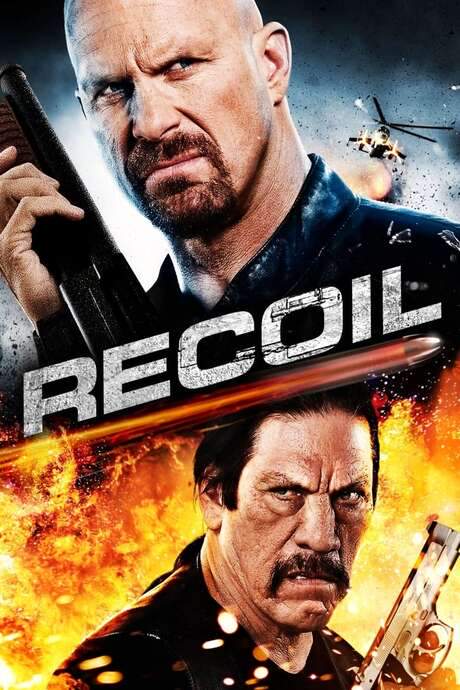
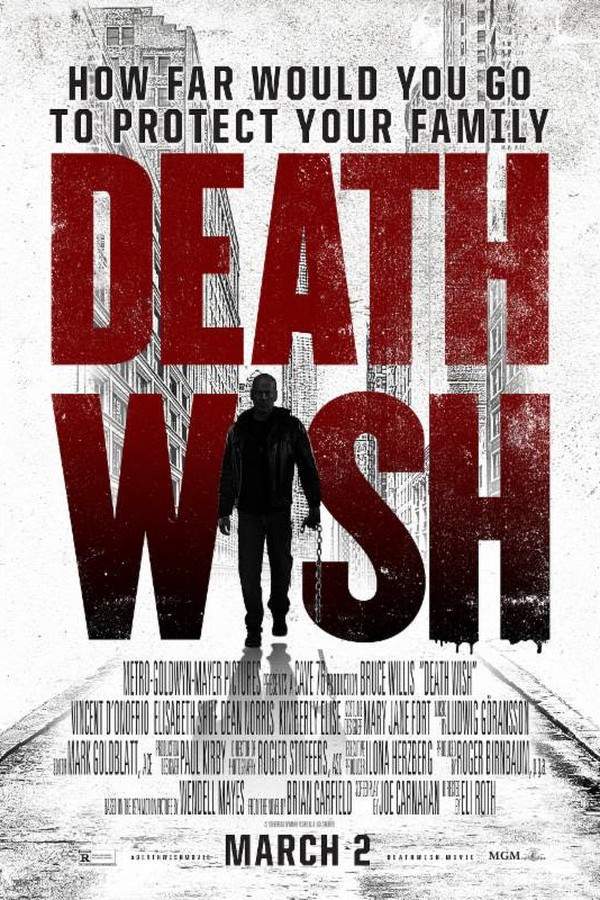
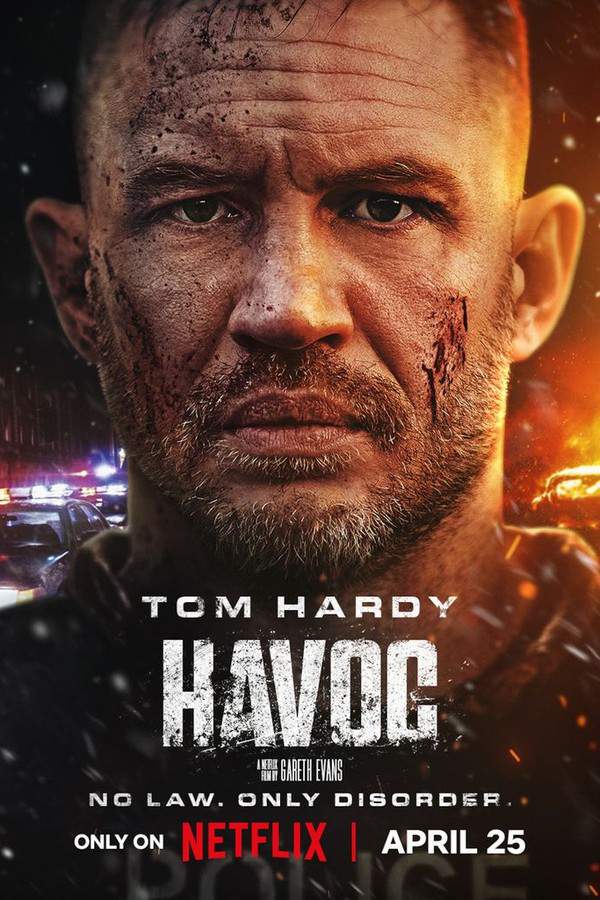
Ordinary individuals pushed to extremes, taking justice into their own hands. If you liked the story of an ordinary man's violent transformation in Assault on Wall Street, explore these similar movies about vigilante justice. These films feature protagonists pushed to the edge, taking the law into their own hands in gripping tales of revenge and moral descent.
  • vengeful
  • desperate
  • tense
  • angst-ridden
  • oppressive
  • stressful
  • Tone: dark, vengeful
  • Pacing: steady, escalating
Why these movies?

The story pattern: These narratives typically follow a linear, escalating path from victim to aggressor. The catalyst is a deeply personal loss or injustice inflicted by a powerful, often faceless entity. The plot charts the protagonist's methodical planning and execution of revenge, emphasizing the psychological cost and the erosion of their former self.

Why they belong together: Movies in this thread are united by a core character arc of devolution, a dark and tense tone, and a steady pacing that builds towards explosive confrontations. They share a heavy emotional weight and explore themes of grief, systemic corruption, and the blurred line between justice and vengeance.

Bleak Systemic Reckoning Films similar to Assault on Wall Street

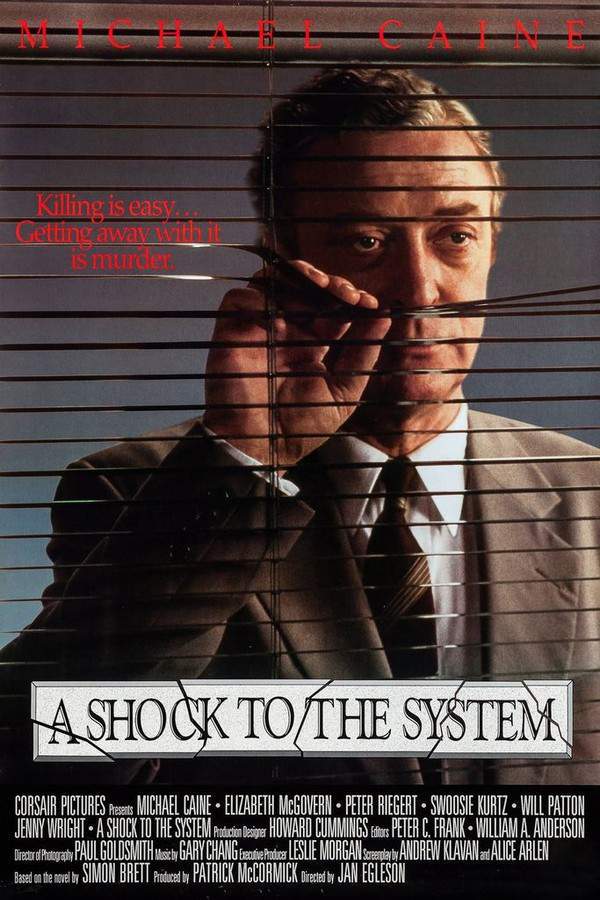
Stories where individuals are crushed by and retaliate against corrupt institutions. For viewers who appreciated the critique of the financial system in Assault on Wall Street, this list highlights movies with similar themes of systemic corruption and collapse. Discover other tense, heavy dramas where vulnerable characters confront powerful, corrupt institutions.
  • oppressive
  • melancholic
  • tense
  • desperate
  • gritty
  • cynical
  • Tone: dark, oppressive, cynical
  • Pacing: steady, methodical
Why these movies?

The story pattern: The narrative pattern involves an average person or family whose life is dismantled by an impersonal, powerful system. The conflict is not with a single villain but with an entrenched, corrupt structure. The story is a downward spiral of loss and desperation, leading to a final, explosive confrontation that offers little catharsis, reinforcing the theme of systemic invincibility.

Why they belong together: These films are grouped by their shared oppressive mood, stemming from themes of powerlessness and institutional greed. They possess a dark, tense tone, high emotional intensity, and often feature ambiguous or bleak endings that question the possibility of true justice within a broken system.

If you liked this

Movies Like Assault on Wall Street

Similar movies to Assault on Wall Street: the same genre, themes or kind of story. Each one comes with its own plot summary, timeline and ending explained.

Browse all movie summaries

Every angle

Assault on Wall Street (2013) Explained: Plot, Timeline & Characters

Everything about Assault on Wall Street in one place: what happens in the plot summary, the timeline in chronological order, the characters and meaning and a spoiler-free summary. What's After the Movie adds the cast, box office and post-credit scenes.

Coming soon on iOS and Android

The Plot Explained Movie Summary App

Plot summaries, endings explained and timelines on your phone. Catch up on any movie in minutes, save your favorites and never miss a twist again.

Be the first to know when we launch. Your email stays private, always.

Learn more about the app