Plot Explained Spoilers guaranteed!
Plot Explained

Browse by genre

The Promised Land (1975) movie poster

Timeline

The Promised Land (1975) Timeline Explained – Every Event in Order

Release, runtime and language
1975 · 179 mins · Polish
Loading streaming availability…
Directed by
Andrzej Wajda
Starring
Daniel Olbrychski, Andrzej Seweryn, Krzysztof Majchrzak, Emilia Krakowska, Piotr Fronczewski, Jerzy Nowak

Set in nineteenth‑century Łódź, three enterprising friends pool their resources to build and invest in a textile factory, hoping to strike it rich. Their story frames a vivid portrait of the town’s swift industrial boom, capturing the ambitions, risks and social changes that reshaped Poland’s textile hub.

On this page (6)
  1. 1 Where to watch
  2. 2 Events in order (12)
  3. 3 Timeline questions answered
  4. 4 Movie threads
  5. 5 Movies like The Promised Land
  6. 6 Every angle
Loading streaming availability…

12 events in order · contains spoilers

The Promised Land Timeline: Events in Chronological Order

Every key event of The Promised Land (1975) in order, scene by scene, with when and where it takes place. Use it to untangle flashbacks, time jumps and parallel storylines, to refresh your memory before the sequel or to find the exact scene you are thinking of.

  1. Borowiecki becomes managing engineer at Bucholz factory

    Karol Borowiecki works as the managing engineer at the Bucholz textile factory, where his ruthless ambition shapes every decision. He pushes through innovations and aggressive cost-cutting, putting the fortunes of his family and colleagues on the line. The role cements his reputation as a driven, unfeeling operator within the industry.

    When
    early career
    Where
    Bucholz textile factory
  2. The plan to establish a new factory with Baum and Welt

    Borowiecki teams up with Max Baum, the German heir to a handloom factory, and Moritz Welt, a Jewish businessman, to lay the groundwork for their own venture. They aim to combine capital, influence, and technical know-how to outpace rivals. The plan requires them to raise substantial funds, testing loyalties and pride.

    When
    pre-opening planning
    Where
    offices/meeting rooms
  3. Affair with Lucy Zucker

    Borowiecki begins an affair with Lucy Zucker, the wife of another textile magnate. The liaison provides him with advance notice of tariff changes and helps Welt profit on the Hamburg futures market, fueling the group's ambitions. The relationship sows danger, blending business and personal interests.

    When
    before factory opening
    Where
    Lucy Zucker's social circle
  4. Raising capital and risking pride

    To turn their plans into reality, the trio must secure significant capital, forcing them to cast aside personal pride and rely on risky deals. They push themselves to the limit, balancing greed with the threat of exposure. The pressure becomes a catalyst for both opportunity and peril.

    When
    pre-opening
    Where
    various financers/offices
  5. Opening day confrontation and oath

    On the day the factory opens, Borowiecki must deny the affair to Zucker's jealous husband, who insists on a public oath. He swears on a sacred Catholic object to seal his denial, underscoring the personal costs of his ambition. The moment marks a turning point in his life, binding him to secrecy and risk.

    When
    opening day
    Where
    factory opening site
  6. Exile to Berlin with Lucy

    Borowiecki and Lucy Zucker flee to Berlin after the confrontation, seeking refuge from the mounting scandal. The exile shifts the balance of power among the partners and strains the already fragile business plans. Berlin becomes the setting where personal and economic pressures collide.

    When
    shortly after opening
    Where
    Berlin
  7. Zucker's spy network

    Zucker sends an associate to spy on Lucy, hoping to uncover the truth and regain control. The investigator confirms the affair and reports back to Zucker, escalating the personal vendetta. The spying marks a turning point that will soon devastate the partners' venture.

    When
    after exile
    Where
    Berlin
  8. Affair confirmed and revenge unleashed

    The affair is confirmed to Zucker, and his vengeance follows swiftly. He burns down Borowiecki's brand-new, uninsured factory as payback for the perceived betrayal. The destruction devastates the trio's hopes and wipes out their hard-fought gains.

    When
    immediately after confirmation
    Where
    factory
  9. Years pass and Borowiecki rebuilds

    Several years pass, and Borowiecki rebuilds his life by marrying Mada Müller, a wealthy heiress. He recovers financially and eventually owns his own factory. The arc shows his ability to adapt, though the scars of the past linger.

    When
    a few years later
    Where
    own factory
  10. Strike threat looms

    With his own factory in hand, Borowiecki faces a threatened workers' strike that tests his leadership. The workers are organized and desperate, challenging the authority of management. The tension foregrounds the moral choices that define his character.

    When
    during the strike
    Where
    his factory
  11. Associate's reminder about change

    An associate reminds Borowiecki that it is never too late to change his ways, highlighting a possible moral turning point. The suggestion contrasts with his lifelong reputation for hardness. The reminder plants doubt amid the escalating conflict.

    When
    strike context
    Where
    factory meeting room
  12. Decision to open fire

    Despite the reminder, Borowiecki authorizes the police to open fire on the demonstrators. The decision confirms his descent into ruthless pragmatism and ends any lingering hopes for reform. The scene crystallizes the film's critique of power and conscience.

    When
    strike day
    Where
    factory

Last updated: October 09, 2025 at 09:19

Was this helpful?

Timeline questions answered

The Promised Land Timeline Explained: Your Questions Answered

When does it happen, and why in that order? The questions people ask about the chronology of The Promised Land (1975): time jumps, flashbacks, cause and effect between scenes and the correct order of events, each answered with spoilers.

Q1

Why does Karol Borowiecki start an affair with Lucy Zucker?

Borowiecki begins the affair primarily to gain a business advantage. Lucy is the wife of a powerful textile magnate, and through their relationship, Borowiecki receives insider information about upcoming cotton tariff changes. This intelligence allows Moritz Welt to profit in the Hamburg futures market, giving the trio a crucial edge in their plans to build the new factory.

Foreshadowing: The affair is introduced early as both a personal weakness and a strategic tool, setting up the devastating consequences that follow.

  • affair
  • lucy zucker
  • tariff information
  • business advantage
  • hamburg futures
Q2

How does Maks Zucker discover Borowiecki's affair with his wife?

After Borowiecki and Lucy flee to Berlin, Zucker sends an associate to spy on them. The investigator confirms the affair and reports back to Zucker, providing him with the proof he needs to exact revenge.

Foreshadowing: The film establishes Zucker's suspicion early, building tension toward the inevitable confrontation.

  • spying
  • investigator
  • berlin
  • lucy zucker
  • zucker revenge
Q3

Why does Zucker burn down the new factory?

Zucker burns down Borowiecki's brand-new, uninsured factory as direct revenge for the affair with his wife. The destruction is calculated to devastate Borowiecki financially and personally, wiping out everything the trio had built. The factory being uninsured made it an even more effective instrument of destruction.

Foreshadowing: The burning is foreshadowed by the intensity of Zucker's jealousy and his demand for a public oath from Borowiecki.

  • factory fire
  • revenge
  • zucker
  • uninsured factory
  • destruction
Q4

What is the significance of Borowiecki swearing an oath on the Catholic object?

On the factory's opening day, Borowiecki is confronted by the jealous Zucker, who demands he publicly deny the affair. Borowiecki swears on a sacred Catholic object to deny the relationship, binding himself to a lie under religious oath. This moment crystallizes his willingness to sacrifice his integrity for business success and sets up the moral consequences that follow.

Foreshadowing: The oath appears early as a pivotal moment that seals Borowiecki's fate through his own deception.

  • oath
  • catholic
  • denial
  • opening day
  • zucker confrontation
Q5

Why does Borowiecki authorize the police to open fire on the striking workers?

When workers threaten to strike at Borowiecki's rebuilt factory, he faces a moral crossroads. Despite an associate reminding him that it is never too late to change his ways, Borowiecki chooses ruthlessness over reform. He authorizes the police to fire on the demonstrators, prioritizing his business interests and maintaining control at any cost. This decision marks his complete moral descent.

Foreshadowing: The associate's reminder about changing his ways directly precedes this choice, highlighting the tragic nature of Borowiecki's decision.

  • workers strike
  • police firing
  • moral choice
  • ruthlessness
  • labor conflict
Q6

Why was the new factory left uninsured?

The summary indicates the factory was uninsured, though the specific reasoning isn't detailed. This left Borowiecki and his partners completely vulnerable to financial ruin when Zucker burned it down, making the loss total and devastating.

Foreshadowing: The lack of insurance creates the conditions for complete destruction when Zucker acts.

  • uninsured
  • factory loss
  • financial ruin
  • business risk
Q7

Why does Borowiecki partner with Max Baum and Moritz Welt for the new factory?

Borowiecki teams up with Max Baum, a German heir to an old handloom empire, and Moritz Welt, an independent Jewish businessman, to pool their resources and challenge the established order. Baum brings technical knowledge and family business connections, while Welt provides financial acumen and market expertise. Together, they combine capital, influence, and technical skill to compete with established magnates like Zucker.

Foreshadowing: The partnership is established early as the foundation of their ambitious venture.

  • partnership
  • max baum
  • moritz welt
  • investment
  • textile business
Q8

How does the affair with Lucy help Borowiecki's business plans?

Through his relationship with Lucy Zucker, Borowiecki gains advance notice of upcoming cotton tariff changes. This insider information allows Moritz Welt to position themselves advantageously in the Hamburg futures market, generating profits that fuel their ambitious plans to build the new factory.

Foreshadowing: The strategic use of this information is revealed as a key motivation for maintaining the dangerous affair.

  • cotton tariffs
  • hamburg futures
  • insider information
  • market manipulation
Q9

What happens to Borowiecki after the factory is destroyed?

After losing everything when Zucker burns down the new factory, Borowiecki eventually rebuilds his life by marrying Mada Müller, a wealthy heiress. He recovers financially and eventually owns his own factory, demonstrating his ability to adapt and survive despite devastating setbacks.

Foreshadowing: The rebuilding phase follows naturally from the destruction, showing Borowiecki's resilience.

  • rebuilding
  • mada muller
  • factory ownership
  • recovery
Q10

Why is the film's ending considered bleak and without redemption?

The film ends with Borowiecki choosing to authorize police to fire on striking workers, prioritizing ruthless pragmatism over any possibility of moral reform. Despite being reminded that it's never too late to change, he doubles down on cold calculation. This decision confirms his complete moral descent, offering no redemption arc, the protagonist's ambition has corrupted him entirely, and the cost of his choices is paid by the workers and his own humanity.

Foreshadowing: The entire narrative builds toward this moment as the logical conclusion of Borowiecki's trajectory.

  • ending
  • moral descent
  • no redemption
  • workers violence
  • tragedy

Movie threads

More Movies Like The Promised Land, by Mood & Story

Curated lists built around what makes The Promised Land tick: the same mood, the same kind of story or the same emotional payoff. Each list explains why these movies belong together.

Movies about ruthless ambition like The Promised Land

Stories of driven characters corrupted by the relentless pursuit of wealth and power. If you enjoyed the moral decay and high-stakes ambition in The Promised Land, explore these similar movies. This collection features intense historical dramas and character studies where the relentless pursuit of wealth and power comes at a heavy personal and ethical cost.

  • ambitious
  • ruthless
  • gripping
  • tense
  • melancholic
  • cold
  • Tone: dark, cynical
  • Pacing: steady, deliberate
Why these movies?

The story pattern: Narratives in this thread often follow a linear rise-and-fall (or rise-and-corruption) arc, where a protagonist's initial drive for success is gradually overshadowed by ethical compromises, betrayals, and a deepening isolation. The central conflict pits personal ambition against humanistic values, usually concluding with a pyrrhic victory or a tragic loss of self.

Why they belong together: Movies are grouped here for their shared focus on the corrosive nature of ambition within capitalist or power-driven systems. They share a dark tone, heavy emotional weight, and a critical perspective on how the pursuit of success can dismantle morality and human connection.
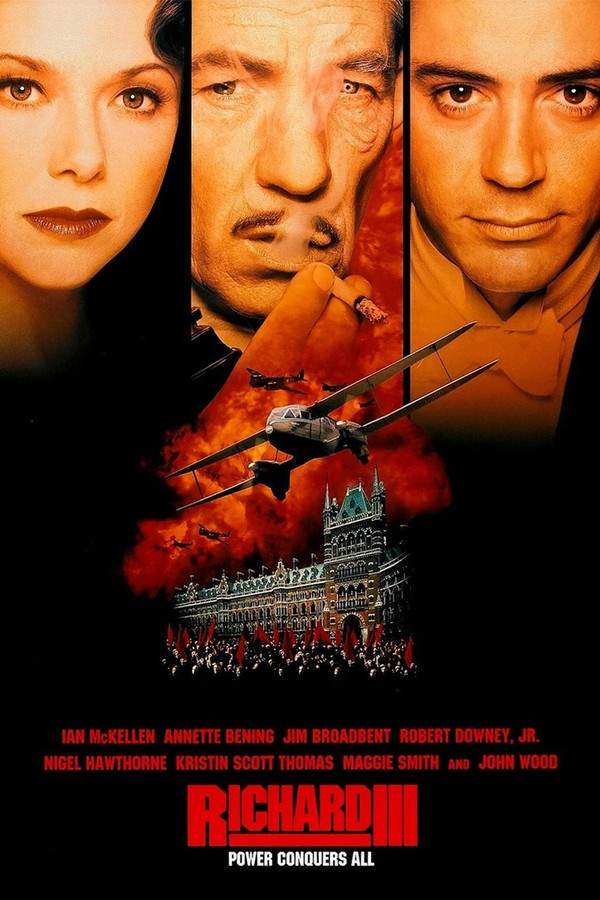

Gritty industrial revolution movies like The Promised Land

Vivid historical epics depicting the brutal human cost of societal progress. For viewers who liked the setting and social themes of The Promised Land, this list features similar movies about the industrial revolution. Discover other historical dramas that capture the ambition, exploitation, and class conflict of a society being reshaped by rapid industrialization.

  • oppressive
  • gripping
  • tense
  • melancholic
  • sweeping
  • historical
  • Tone: dark, oppressive, melancholic
  • Pacing: steady, epic
Why these movies?

The story pattern: These stories often unfold on an epic scale, intertwining the fates of multiple characters from different social classes—capitalists, workers, opportunists—against the backdrop of a transforming world. The narrative is driven by the inherent conflicts of progress: innovation versus exploitation, ambition versus solidarity, and wealth versus human dignity.

Why they belong together: These films are united by their immersive, often bleak, depiction of a specific industrial revolution period. They share a high intensity stemming from social conflict, a steady pacing that builds a detailed world, and a focus on themes like class struggle, exploitation, and the ambiguous nature of progress.

If you liked this

Movies Like The Promised Land

Similar movies to The Promised Land: the same genre, themes or kind of story. Each one comes with its own plot summary, timeline and ending explained.

Browse all movie summaries

Every angle

The Promised Land (1975) Explained: Plot, Timeline & Characters

Everything about The Promised Land in one place: what happens in the plot summary, the timeline in chronological order, the characters and meaning and a spoiler-free summary. What's After the Movie adds the cast, box office and post-credit scenes.

Coming soon on iOS and Android

The Plot Explained Movie Summary App

Plot summaries, endings explained and timelines on your phone. Catch up on any movie in minutes, save your favorites and never miss a twist again.

Be the first to know when we launch. Your email stays private, always.

Learn more about the app