Year: 1953
Runtime: 88 min
Language: English
Director: Raoul Walsh
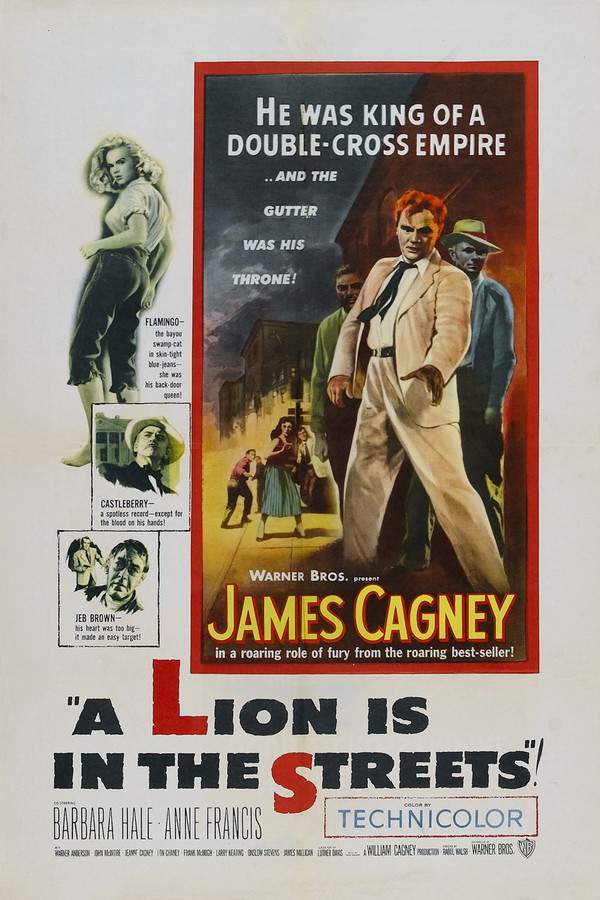
An idealistic lawyer, Hank Martin, finds himself confronting a corrupt sharecropper boss, Robert Castleberry, in this Southern drama. Their conflict ignites a volatile situation, leading to violence and chaos within the community. As tensions rise, Martin’s friend, Jeb, is accused of murder, and Martin becomes entangled in local politics, attracting the unwanted attention of a manipulative gangster who wants to capitalize on his commitment to justice.
Find where to stream, rent, or buy A Lion Is in the Streets (1953) in the US with current JustWatch availability, up-to-date pricing, and platform listings for subscription, rental, and digital purchase options.
Warning: spoilers below!
Haven’t seen A Lion Is in the Streets yet? This summary contains major spoilers. Bookmark the page, watch the movie, and come back for the full breakdown. If you're ready, scroll on and relive the story!
Read the complete plot breakdown of A Lion Is in the Streets (1953), including all key story events, major twists, and the ending explained in detail. Discover what really happened, and what it all means.
As the charming peddler Hank Martin entered a new chapter of his life by marrying schoolteacher Verity Wade, little did she know the depths of complexity that lay beneath his charismatic facade. On a sunlit day, they exchanged vows amidst celebration, culminating in the acquisition of a dilapidated house from the esteemed lawyer Jules Bolduc. As Hank and his array of friends set to work repairing their new home, Verity started to unearth her husband’s true personality, one thrill-seeking heart that thrived on manipulation.
Later that evening, Jules invited the newlyweds to dinner, where Hank’s temper flared over the presence of Robert L. Castleberry IV, a cotton magnate embroiled in controversy for exploiting vulnerable farmers. Tensions escalated quickly, and Hank, fueled by a fierce passion for justice, confronted Castleberry, condemning him vocally for his selfish deeds.
Driven to reveal Castleberry’s deception, Hank, alongside Verity, journeyed to the bayou, where they met Flamingo, a young woman who had long harbored feelings for the peddler. But upon discovering Hank’s matrimonial status, Flamingo’s affections morphed into vindictiveness, culminating in a perilous alligator attack that left Verity injured yet unharmed. Flamingo’s unyielding desire did not falter, as she relentlessly pursued Hank across the region.
As Hank’s battle against Castleberry intensified, he uncovered more evidence of the cotton baron’s treachery. When a follower fell victim to Castleberry’s violent henchmen, Hank was resolute in seeking justice. Unfortunately, Castleberry employed his influence to delay the trial of Jeb Brown. As Guy Polli, a dubious figure, offered his resources in exchange for Hank’s loyalty, a darker plot was afoot.
When Samuel T. Beach, Castleberry’s unyielding manager, executed Brown, Hank implored the dying man to stand firm in his testimony against Castleberry. Despite Brown succumbing to his injuries, Hank took advantage of the situation, urging the jury to declare a posthumous verdict of innocence before the judge could unveil the harsh truths to the public.
As the aftermath spiraled, threatening to dismantle Castleberry’s empire, Polli’s ulterior motives were revealed—his managers were the true architects of the malevolence. With a chance for Hank to bid for governorship on the horizon, disaster struck when a fierce rainstorm on election eve crippled rural voter turnout. In a desperate bid, Hank turned to Polli, who could enhance his vote count from city precincts but under the condition of Hank swearing to a misleading affidavit regarding Beach’s presence during Brown’s unfortunate demise—an agreement that carried severe repercussions for Castleberry’s interests.
With both candidates neck and neck in county victories, a deadlock ensued, only resolvable through the state assembly. Instead of awaiting his next chance, Hank rallied his supporters for an armed march on the capital—a move that sparked fear throughout the community.
While this tumult unfolded, Jules arrived with irrefutable evidence proving Beach’s role in Brown’s death, revealing that Hank had knowingly exchanged integrity for Polli’s gain. In an even more dramatic twist, Verity would come forth to authenticate Hank’s alibi, stating he had been with her during the crime. The crescendo reached a climax when Brown’s widow aimed her weapon at Hank, delivering a fateful shot as he faced his demise. In his final moments, Hank acknowledged the wisdom of his supporters, recognizing they saw through his deceptive pursuits far better than he had anticipated.
Last updated: November 18, 2024 at 20:37
Explore frequently asked questions about A Lion Is in the Streets (1953) with spoiler-rich answers covering the full plot summary, major story beats, character motivations, hidden details, and ending meaning. This movie summary FAQ helps explain confusing scenes, plot twists, and narrative decisions in clear, searchable detail.
Hank confronts Castleberry because he is a cotton magnate known for exploiting vulnerable farmers. During dinner, Hank's temper flares upon seeing Castleberry, and he condemns him vocally for his selfish deeds against the local community. This confrontation sets in motion Hank's ongoing battle against Castleberry's corruption.
Hank's initial confrontation establishes his righteous anger, which later becomes his weakness as he resorts to the same manipulative tactics he condemns.
Flamingo, a woman who had long harbored feelings for Hank, unleashes the alligator attack upon discovering he has married Verity. Her affection for Hank transforms into vindictiveness when she learns he is now married, leading her to orchestrate the dangerous attack that injures Verity.
Flamingo's jealousy and rejection plant the seeds for the violent events that follow.
After Samuel T. Beach executes Jeb Brown, Hank takes advantage of the chaos and pleads with the jury to deliver a posthumous verdict of innocence. He does this before the judge can reveal the full truth about Brown's death to the public, using the situation to advance his case against Castleberry despite the ethical cost.
This desperate maneuver reveals Hank's growing willingness to sacrifice integrity for victory.
When a fierce rainstorm on election eve cripples rural voter turnout, Hank desperately seeks Guy Polli's help to increase his vote count from city precincts. Polli agrees but conditions Hank to sign a misleading affidavit regarding Beach's presence during Brown's death, an agreement that threatens Hank's moral integrity for political gain.
This compromise sets up Hank's ultimate downfall when his deal is exposed.
With both candidates neck and neck in county victories and the election headed to a deadlock in the state assembly, Hank decides not to wait for his next chance. He rallies his supporters for an armed march on the capital, a bold but frightening move that instills fear throughout the community and marks his complete descent into reckless populism.
The armed march represents the peak of Hank's political ambition overriding his moral judgment.
Jules arrives with irrefutable evidence proving that Beach was responsible for Brown's death, but more devastatingly, he exposes that Hank had knowingly exchanged his integrity for Polli's gain. The revelation shows Hank had been fully aware of Polli's manipulative schemes and chose to participate in them despite his outward crusade against corruption.
Jules' evidence directly leads to Hank's ultimate exposure and demise.
Despite learning of Hank's deception and dealings with Polli, Verity steps forward to authenticate Hank's alibi, stating he had been with her during the crimes. Her testimony creates a profound rift between Hank's ambitions and their marital trust, showing either her continued loyalty or her own complex motivations.
Verity's testimony provides a brief glimmer of hope amid Hank's unraveling.
Brown's widow aims her weapon at Hank and delivers a fateful shot that kills him. This act represents the ultimate consequence of Hank's manipulations, he orchestrated the posthumous verdict and made deals that ultimately led to her husband's death, making her vengeance the tragic payoff for his moral decay.
The seeds of this revenge were planted when Hank used Brown's death for political advantage.
As Verity helps Hank repair their dilapidated house, she begins to unearth his true personality, a thrill-seeking heart that thrives on manipulation. His charming facade as a peddler masks a more complex nature that pursues justice but also resorts to the same corrupt tactics he condemns in others.
This discovery foreshadows Hank's complete moral unraveling throughout the film.
Castleberry employs his influence as a cotton magnate to delay the trial of Jeb Brown, a key witness against him. This legal obstruction prevents Brown from testifying and allows Castleberry's corrupt power to persist, while Hank struggles to rally support against the magnate's oppression.
The delayed trial ultimately leads to Brown's execution and fuels Hank's descent into unethical tactics.
Discover curated groups of movies connected by mood, themes, and story style. Browse collections built around emotion, atmosphere, and narrative focus to easily find films that match what you feel like watching right now.
Charismatic leaders rise to power only to be consumed by their own ambition.If you were captivated by the rise and fall of Hank Martin in A Lion Is in the Streets, you'll find similar stories here. These movies explore charismatic figures who achieve power through populist appeal, only to face tragic consequences from their own ambition and moral failings.
Narratives in this thread typically follow a linear arc: a gifted individual identifies and exploits societal grievances to build a following, achieves a position of power, but is ultimately undone by the very flaws—greed, deceit, hubris—that fueled their ascent, culminating in a public and often tragic downfall.
These films are grouped together because they share a focus on the psychological and moral unraveling of a central, charismatic leader. They explore the dark side of ambition within a political or social context, maintaining high tension and a fatalistic tone as the protagonist's choices seal their fate.
Stories where the humid Southern air thickens with deception, violence, and fate.For viewers who enjoyed the tense, corrupt atmosphere of A Lion Is in the Streets, this collection highlights similar Southern Gothic narratives. These films use their setting to explore themes of justice, ambition, and the inescapable pull of violence, often leading to heavy, tragic conclusions.
The narrative pattern involves an individual, often an outsider or idealist, entering a deeply entrenched and corrupt community. Their attempts to instigate change or seek justice trigger a chain reaction of deception, betrayal, and violence, exposing the dark underbelly of the society and leading to a fatalistic outcome.
Movies in this thread share a specific mood and setting: a tense, anxious atmosphere within a Southern milieu, heavy with themes of corruption and moral ambiguity. The combination of a fast-paced plot with high emotional weight and a dark, fatalistic tone creates a distinct, cohesive viewing experience.
Don't stop at just watching - explore A Lion Is in the Streets in full detail. From the complete plot summary and scene-by-scene timeline to character breakdowns, thematic analysis, and a deep dive into the ending - every page helps you truly understand what A Lion Is in the Streets is all about. Plus, discover what's next after the movie.
Track the full timeline of A Lion Is in the Streets with every major event arranged chronologically. Perfect for decoding non-linear storytelling, flashbacks, or parallel narratives with a clear scene-by-scene breakdown.
Discover the characters, locations, and core themes that shape A Lion Is in the Streets. Get insights into symbolic elements, setting significance, and deeper narrative meaning - ideal for thematic analysis and movie breakdowns.
Discover movies like A Lion Is in the Streets that share similar genres, themes, and storytelling elements. Whether you’re drawn to the atmosphere, character arcs, or plot structure, these curated recommendations will help you explore more films you’ll love.
A Lion Is in the Streets (1953) Scene-by-Scene Movie Timeline
A Lion Is in the Streets (1953) Movie Characters, Themes & Settings
A Lion Is in the Streets (1953) Spoiler-Free Summary & Key Flow
Movies Like A Lion Is in the Streets – Similar Titles You’ll Enjoy
Lionheart (2019) Story Summary & Characters
Kings (2018) Movie Recap & Themes
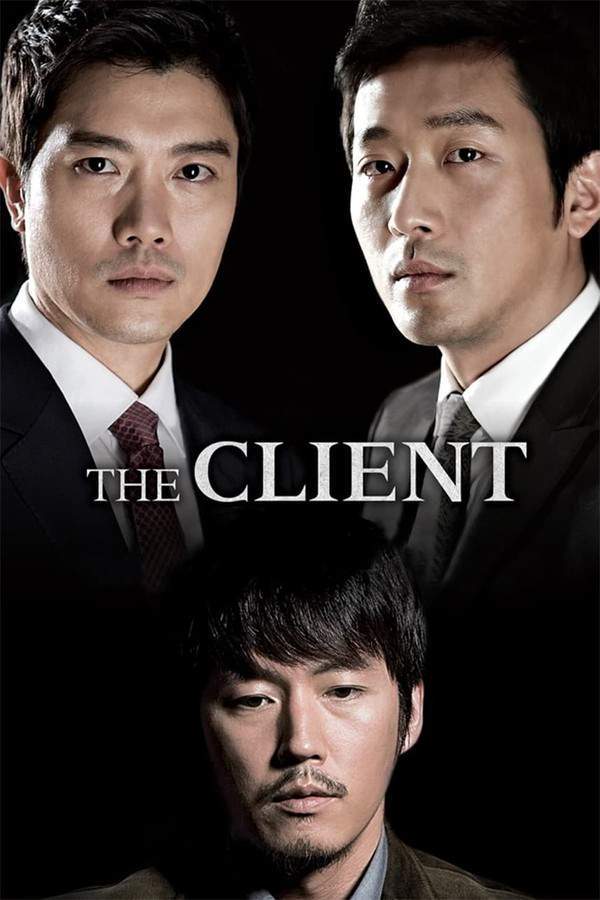
The Client (1994) Detailed Story Recap
The Big Easy (1987) Plot Summary & Ending Explained
Beast (2022) Plot Summary & Ending Explained
Crazy in Alabama (1999) Full Movie Breakdown
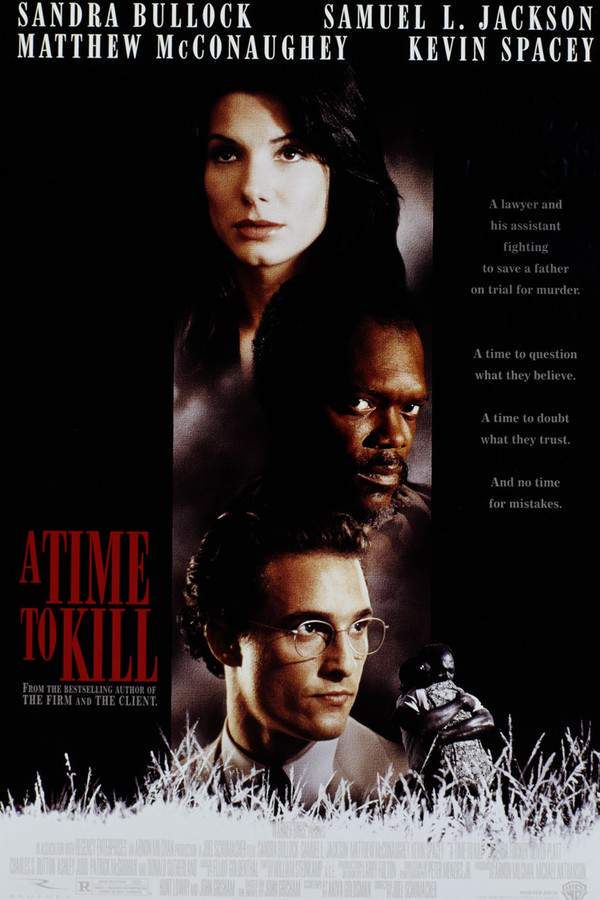
A Time to Kill (1996) Detailed Story Recap
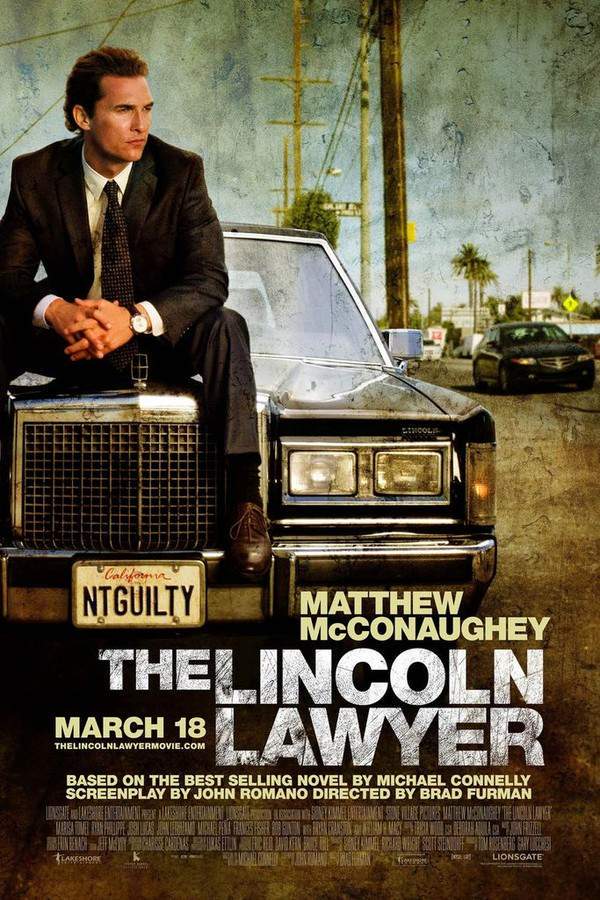
The Lincoln Lawyer (2011) Film Overview & Timeline
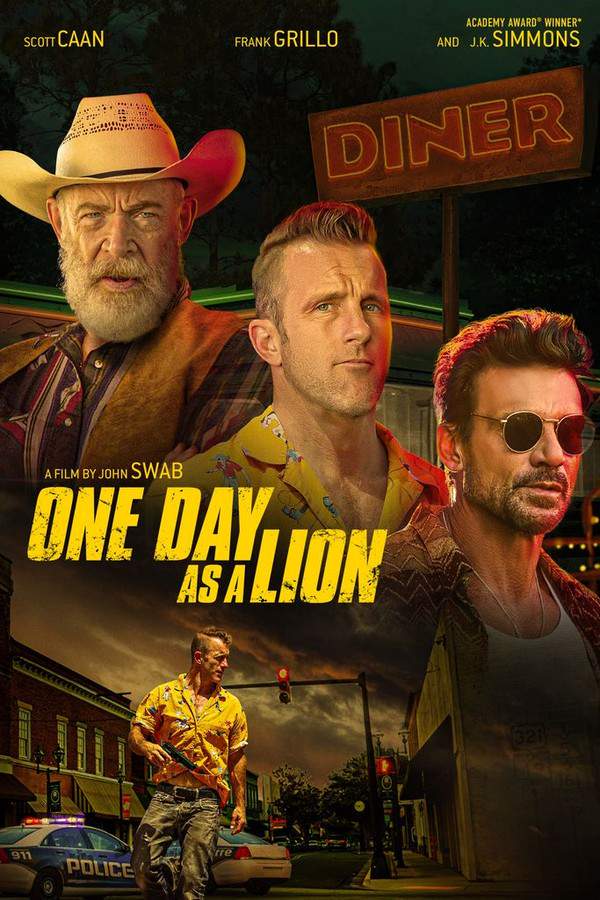
One Day as a Lion (2023) Movie Recap & Themes
Bayou Caviar (2018) Full Summary & Key Details
The Klansman (1974) Story Summary & Characters
Criminal Lawyer (1937) Film Overview & Timeline
The Liberation of L.B. Jones (1970) Ending Explained & Film Insights
The Lion (1962) Ending Explained & Film Insights
The Lion’s Share (1978) Movie Recap & Themes