Plot Explained Spoilers guaranteed!
Plot Explained

Browse by genre

The Promised Land (1975) movie poster

Characters & Themes

The Promised Land (1975) Characters, Setting & Themes Explained

Release, runtime and language
1975 · 179 mins · Polish
Loading streaming availability…
Directed by
Andrzej Wajda
Starring
Daniel Olbrychski, Andrzej Seweryn, Krzysztof Majchrzak, Emilia Krakowska, Piotr Fronczewski, Jerzy Nowak

Set in nineteenth‑century Łódź, three enterprising friends pool their resources to build and invest in a textile factory, hoping to strike it rich. Their story frames a vivid portrait of the town’s swift industrial boom, capturing the ambitions, risks and social changes that reshaped Poland’s textile hub.

On this page (8)
  1. 1 Where to watch
  2. 2 Characters explained (5)
  3. 3 Where & when it takes place
  4. 4 Themes & meaning (4)
  5. 5 Character & meaning questions
  6. 6 Movie threads
  7. 7 Movies like The Promised Land
  8. 8 Every angle
Loading streaming availability…

5 main characters · contains spoilers

The Promised Land Characters Explained: Who Is Who

The main characters of The Promised Land (1975), heroes and villains: what drives them, how they change over the course of the story and what each of them reveals about the film's bigger ideas.

  • Karol Borowiecki (Daniel Olbrychski)

    A ruthless young Polish nobleman and managing engineer who pursues wealth with single-minded intensity. He dismisses his family’s decline and pursues a plan to set up his own factory with friends. His merciless drive and reluctance to show compassion set the course for his rise and the catastrophe that follows.

    • 🔥 Ambition
    • 💼 Power
  • Maks Baum (Andrzej Seweryn)

    German heir to an old handloom factory; a pragmatic, calculating ally to Borowiecki. He flirts with high-risk ventures and bankrolls schemes to turn a profit as the industrial boom unfolds. His collaboration with Borowiecki and Welt exposes the transnational nature of capital.

    • 🧭 Collaboration
    • 💎 Wealth
  • Moritz Welt (Wojciech Pszoniak)

    Independent Jewish businessman navigating a volatile market with shrewd logic. He partners with Borowiecki and Baum to capitalize on industrial and mercantile opportunities. His decisions illustrate the cosmopolitan reach of capital in this era.

    • 🌐 Trade
    • 🤝 Partnership
  • Lucy Zuckerowa (Kalina Jędrusik)

    Wife of a powerful textile magnate Zucker; she becomes Borowiecki's lover, drawing him into a web of jealousy, loyalty, and danger. The affair triggers social and personal consequences as she is watched by Zucker. Her position tests the boundaries between desire and power.

    • 💘 Romance
    • 🗡️ Betrayal
  • Mada Müller (Bożena Dykiel)

    Heiress who becomes Borowiecki's wife, providing financial security that helps him expand control over his factory. Her wealth marks a new phase in his rise and underscores the transactional nature of aristocratic and capitalist alliances. Her alliance strengthens his enterprise but cannot heal moral rifts.

    • 💎 Marriage
    • 🏭 Wealth

Last updated: October 04, 2025 at 18:20

Was this helpful?

Setting

Where and When Does The Promised Land Take Place?

The setting of The Promised Land (1975): the year and time period, the places and locations, and how they shape the characters, the mood and the tension of the story.

Time period

Late 19th century

Set against the height of European industrial expansion, the film tracks the rise of factory capitalism in a Polish city, the cross-border trade in Hamburg, and the cosmopolitan exile to Berlin. The period is defined by rapid modernization, volatile markets, and the growing tension between wealth and social responsibility. The narrative anchors its drama in a time when industrial ambition often outran moral consideration.

Location

Łódź, Berlin, Hamburg

Łódź is depicted as the cradle of a booming textile capitalism, a crowded industrial city where factories reshape the landscape and social order. The narrative also follows movements to Berlin and Hamburg, highlighting how capital and influence traverse borders. These locations symbolize the global reach of industrial wealth and the precariousness of success.

  • 🏭 Industrial city
  • 🗺️ European city
  • 💼 Textile industry

Last updated: October 04, 2025 at 18:20

Was this helpful?

4 major themes

The Promised Land Meaning: Themes & Message Explained

What is The Promised Land (1975) really about? The emotional, social and philosophical themes the film keeps returning to, its symbolism and the message beneath the surface.

  • Ambition & Wealth

    The protagonists chase wealth with relentless energy, risking personal sacrifice and ethical compromises to build their empires. Ambition drives decisions that overlook the needs of workers and the wider community. Wealth becomes both a lure and a burden, shaping relationships and destinies.

  • Betrayal & Jealousy

    Personal loyalties crumble as romantic entanglements collide with business interests. Affairs and betrayals trigger cycles of suspicion and revenge, amplifying the costs of pursuing power. The hurt reverberates beyond individuals, impacting families and partnerships.

  • Labor & Control

    Workers become the fulcrum of the storyline, their protests testing the owners' resolve. The owners' response to strike pressure reveals how power is exercised and contested in an industrial society. The tension between management and labor exposes the moral limits of coercion and authority.

  • Change & Consequence

    A guiding voice reminds that it is never too late to change, yet actions reveal whether true transformation is possible. The characters confront the consequences of their choices, facing a future shaped by past ruthlessness. The tale weighs whether wealth and success can coexist with humanity.

Last updated: October 04, 2025 at 18:20

Was this helpful?

Character & theme questions

The Promised Land Characters & Meaning: Your Questions Answered

The questions people ask about The Promised Land (1975): who the characters really are, their relationships, what the symbols mean, where it takes place and what the movie is really about. Each answer contains spoilers.

Q1

What is Łódź like in the movie?

Łódź is portrayed as the heart of Poland's textile industry, a crowded, rapidly industrializing city where factories dominate the landscape and reshape the social order. The film depicts the city as a crucible of capitalism, where ambitious entrepreneurs compete to build textile empires. The narrative also follows characters to Berlin and Hamburg, showing how industrial wealth crosses borders and connects European markets.

  • lodz
  • textile industry
  • industrial city
  • poland
  • factory
Q2

When does the story take place?

The film is set in the late 19th century during the height of European industrial expansion. This was a period marked by rapid modernization, volatile markets, and the rise of factory capitalism. The era is characterized by industrial ambition that often outpaced moral consideration, creating the perfect backdrop for the story's themes of wealth pursuit and its human costs.

  • 19th century
  • industrial era
  • late 1800s
  • historical period
Q3

What does the film say about ambition and wealth?

The movie explores how relentless pursuit of wealth leads to personal sacrifice and ethical compromises. The protagonists risk everything to build their empires, often overlooking the needs of workers and the broader community. Wealth becomes both a lure and a burden, ultimately shaping relationships and destinies in destructive ways.

  • ambition
  • wealth
  • capitalism
  • money
  • success
Q4

How does betrayal factor into the story?

Personal loyalties crumble as romantic relationships collide with business interests. Affairs and betrayals create cycles of suspicion and revenge, amplifying the costs of pursuing power. The hurt extends beyond the individuals involved, impacting families, partnerships, and the overall social fabric.

  • betrayal
  • jealousy
  • affair
  • romance
  • relationships
Q5

What role do workers play in the film?

Workers become central to the narrative as their protests test the owners' resolve. The film examines how power is exercised and contested in an industrial society, with the owners' response to strike pressure revealing the moral limits of coercion and authority. The tension between management and labor exposes the harsh realities of 19th-century capitalism.

  • workers
  • labor
  • strikes
  • protest
  • factory owners
Q6

Who is Karol Borowiecki?

Karol Borowiecki is a ruthless young Polish nobleman and managing engineer who pursues wealth with single-minded intensity. He disregards his family's decline and focuses entirely on establishing his own factory. His merciless drive and reluctance to compassion set the trajectory for both his rise and the catastrophe that follows.

  • karol borowiecki
  • polish nobleman
  • factory owner
  • protagonist
Q7

Who are Maks Baum and Moritz Welt?

Maks Baum is a German heir to an old handloom factory, a pragmatic, calculating ally who engages in high-risk ventures. Moritz Welt is an independent Jewish businessman who navigates the volatile market with shrewd logic. Together with Borowiecki, they form a transnational partnership that illustrates how capital crosses borders and cultures during the industrial era.

  • maks baum
  • moritz welt
  • german businessman
  • jewish businessman
  • partnership
Q8

Who is Lucy Zuckerowa?

Lucy Zuckerowa is the wife of a powerful textile magnate named Zucker. She becomes Borowiecki's lover, drawing him into a dangerous web of jealousy, loyalty, and social peril. Her position tests the boundaries between desire and power, and her affair triggers significant social and personal consequences.

  • lucy zuckerowa
  • affair
  • love interest
  • textile magnate wife
Q9

Who is Mada Müller?

Mada Müller is an heiress who becomes Borowiecki's wife, providing the financial security he needs to expand control over his factory. Her wealth marks a new phase in his rise and underscores the transactional nature of aristocratic and capitalist alliances in this era. However, her alliance cannot heal the moral rifts created by his ambition.

  • mada muller
  • heiress
  • marriage
  • financial alliance
Q10

Does the film offer any hope for redemption?

While a guiding voice suggests it's never too late to change, the characters' actions reveal whether true transformation is possible. The film confronts them with the consequences of their choices, presenting a future shaped by past ruthlessness. Ultimately, it questions whether wealth and success can coexist with humanity, with the ending leaning toward a bleak assessment.

  • redemption
  • change
  • consequences
  • morality
  • choices
Q11

Why do characters travel to Berlin and Hamburg?

The narrative follows movements to Berlin and Hamburg to highlight how capital and influence traverse borders. Berlin serves as a cosmopolitan exile destination, while Hamburg represents the center of cross-border trade. These locations symbolize the global reach of industrial wealth and the precariousness of success in the international marketplace.

  • berlin
  • hamburg
  • international trade
  • europe
  • borders
Q12

What is the overall tone and message of the film?

The film maintains a consistently dark tone, focusing on the corrosive effects of ambition and the harsh realities of 19th-century capitalism. It deals heavily with themes of exploitation, revenge, and the human cost of progress. The ending is unambiguously sad, as the protagonist's final actions solidify his moral descent with no redemption offered, emphasizing the bleak outcome of choices made purely for wealth.

  • tone
  • dark themes
  • message
  • ending
  • moral descent

Movie threads

More Movies Like The Promised Land, by Mood & Story

Curated lists built around what makes The Promised Land tick: the same mood, the same kind of story or the same emotional payoff. Each list explains why these movies belong together.

Movies about ruthless ambition like The Promised Land

Stories of driven characters corrupted by the relentless pursuit of wealth and power. If you enjoyed the moral decay and high-stakes ambition in The Promised Land, explore these similar movies. This collection features intense historical dramas and character studies where the relentless pursuit of wealth and power comes at a heavy personal and ethical cost.

  • ambitious
  • ruthless
  • gripping
  • tense
  • melancholic
  • cold
  • Tone: dark, cynical
  • Pacing: steady, deliberate
Why these movies?

The story pattern: Narratives in this thread often follow a linear rise-and-fall (or rise-and-corruption) arc, where a protagonist's initial drive for success is gradually overshadowed by ethical compromises, betrayals, and a deepening isolation. The central conflict pits personal ambition against humanistic values, usually concluding with a pyrrhic victory or a tragic loss of self.

Why they belong together: Movies are grouped here for their shared focus on the corrosive nature of ambition within capitalist or power-driven systems. They share a dark tone, heavy emotional weight, and a critical perspective on how the pursuit of success can dismantle morality and human connection.
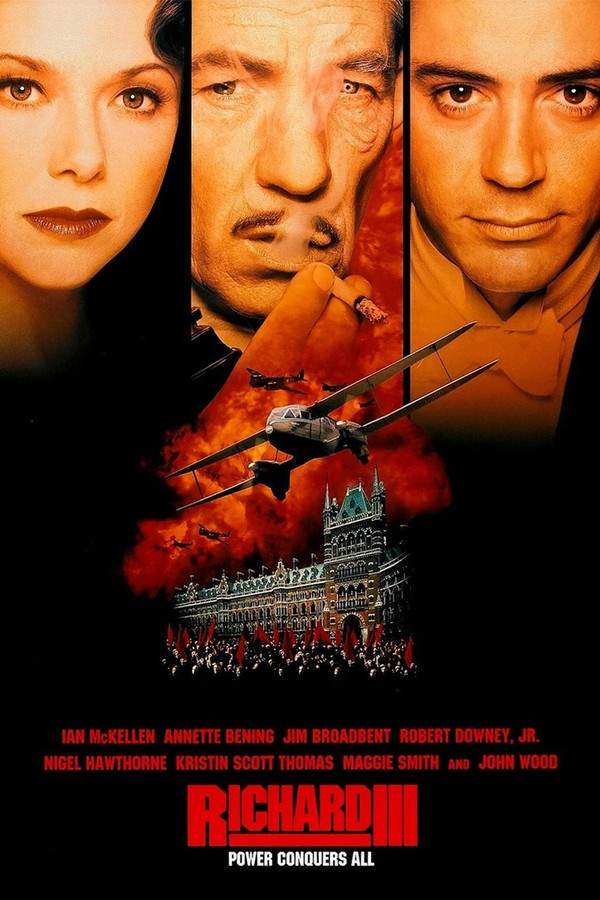

Gritty industrial revolution movies like The Promised Land

Vivid historical epics depicting the brutal human cost of societal progress. For viewers who liked the setting and social themes of The Promised Land, this list features similar movies about the industrial revolution. Discover other historical dramas that capture the ambition, exploitation, and class conflict of a society being reshaped by rapid industrialization.

  • oppressive
  • gripping
  • tense
  • melancholic
  • sweeping
  • historical
  • Tone: dark, oppressive, melancholic
  • Pacing: steady, epic
Why these movies?

The story pattern: These stories often unfold on an epic scale, intertwining the fates of multiple characters from different social classes—capitalists, workers, opportunists—against the backdrop of a transforming world. The narrative is driven by the inherent conflicts of progress: innovation versus exploitation, ambition versus solidarity, and wealth versus human dignity.

Why they belong together: These films are united by their immersive, often bleak, depiction of a specific industrial revolution period. They share a high intensity stemming from social conflict, a steady pacing that builds a detailed world, and a focus on themes like class struggle, exploitation, and the ambiguous nature of progress.

If you liked this

Movies Like The Promised Land

Similar movies to The Promised Land: the same genre, themes or kind of story. Each one comes with its own plot summary, timeline and ending explained.

Browse all movie summaries

Every angle

The Promised Land (1975) Explained: Plot, Timeline & Characters

Everything about The Promised Land in one place: what happens in the plot summary, the timeline in chronological order, the characters and meaning and a spoiler-free summary. What's After the Movie adds the cast, box office and post-credit scenes.

Coming soon on iOS and Android

The Plot Explained Movie Summary App

Plot summaries, endings explained and timelines on your phone. Catch up on any movie in minutes, save your favorites and never miss a twist again.

Be the first to know when we launch. Your email stays private, always.

Learn more about the app