










Plot Explained Spoilers guaranteed!
Plot Explained

Browse by genre

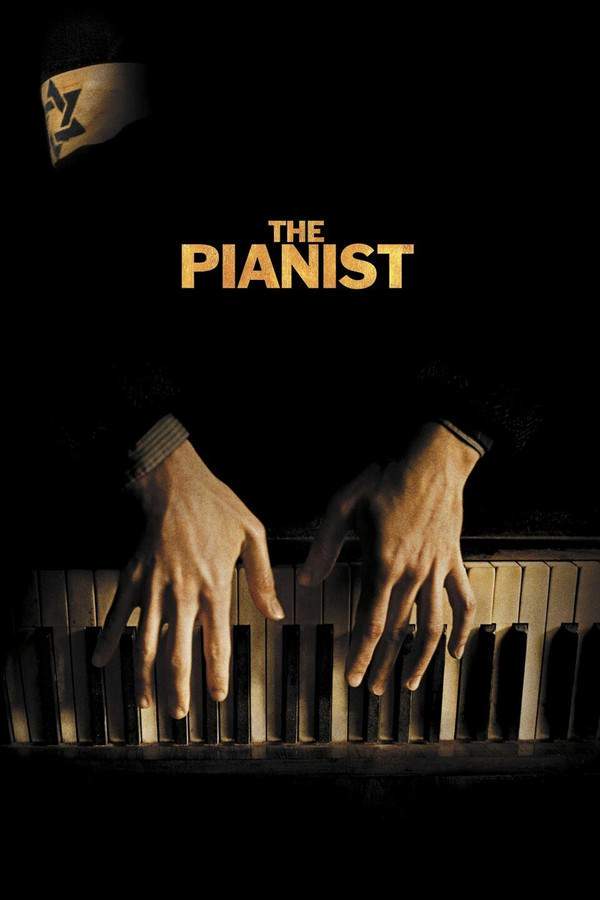
The Pianist (2002) movie poster

Characters & Themes

The Pianist (2002) Characters, Setting & Themes Explained

Release, runtime and language
2002 · 150 min · English
JustWatch #2,484 38
Directed by
Roman Polanski
Starring
Adrien Brody, Frank Finlay
Budget
$35M

As World War II engulfs Warsaw, the life of acclaimed pianist Władysław Szpilman is irrevocably shattered. He is forced to leave his family and endure the horrors of the Warsaw Ghetto during Operation Reinhard. Through courage and resourcefulness, Szpilman evades capture, finding refuge in the city's devastated landscape. His harrowing journey of survival continues until the arrival of liberation, marking the end of a desperate ordeal.

On this page (9)
  1. 1 Where to watch
  2. 2 Characters explained (3)
  3. 3 Where & when it takes place
  4. 4 Themes & meaning (3)
  5. 5 Character & meaning questions
  6. 6 The book behind the movie
  7. 7 Movie threads
  8. 8 Movies like The Pianist
  9. 9 Every angle

Where to watch

Where to Watch The Pianist (2002)

Where can you watch The Pianist? Stream, rent or buy it in the US, including on Fawesome, Kanopy and Fandango at Home Free: current JustWatch availability with up-to-date prices.

Streaming availability powered by JustWatch

3 main characters · contains spoilers

The Pianist Characters Explained: Who Is Who

The main characters of The Pianist (2002), heroes and villains: what drives them, how they change over the course of the story and what each of them reveals about the film's bigger ideas.

  • Wladyslaw Szpilman (Adrien Brody)

    Wladyslaw Szpilman is a gifted pianist navigating the horrors of World War II in Warsaw. As a Jewish man facing unimaginable loss and displacement, he embodies resilience and determination, using his music as a source of strength. His character reveals the profound struggles of an artist amidst the darkest historical realities.

    • 🎹 Pianist
    • 🕊️ Survivor
    • 🎭 Human Spirit
  • Captain Wilm Hosenfeld

    Captain Wilm Hosenfeld is a German officer who becomes an unexpected ally for Wladyslaw. Moved by the beauty of Wladyslaw's music, he represents the complexities of humanity in war, showing that compassion can exist even in the most oppressive situations. Hosenfeld’s character highlights themes of morality and sacrifice, overshadowed by the horrors of his surroundings.

    • 💔 Humanity
    • 🎶 Compassion
  • Dorota

    Dorota is Wladyslaw's love interest, representing hope and fleeting happiness in his tragic journey. Their initial connection offers a glimpse of normalcy and affection amidst chaos. However, her eventual fate adds to the overall poignancy of Wladyslaw's experiences, emphasizing the personal losses endured during the war.

    • ❤️ Love
    • 🌸 Innocence

Last updated: October 22, 2024 at 19:05

Was this helpful?

Setting

Where and When Does The Pianist Take Place?

The setting of The Pianist (2002): the year and time period, the places and locations, and how they shape the characters, the mood and the tension of the story.

Time period

September 1939 - 1944

This period marks the onset of World War II and the escalating tragedy of the Holocaust in Poland. It witnessed the rapid invasion of Nazi Germany, leading to the systematic persecution of Jews and other minorities. The years are characterized by despair, resistance, and the struggle for survival amidst overwhelming odds.

Location

Warsaw, Treblinka

Warsaw, the capital of Poland, is laden with historical significance, especially during the dark days of World War II. Known for its vibrant culture, it became a battleground against Nazi occupation, leading to immense suffering and destruction. Treblinka, a grim place of sorrow, served as a Nazi extermination camp where countless lives were lost, symbolizing the atrocities of the Holocaust.

  • 🏙️ City
  • 🏭 Concentration Camp

Last updated: October 22, 2024 at 19:05

Was this helpful?

3 major themes

The Pianist Meaning: Themes & Message Explained

What is The Pianist (2002) really about? The emotional, social and philosophical themes the film keeps returning to, its symbolism and the message beneath the surface.

  • Music and Resilience

    Music serves as a powerful motif in 'The Pianist,' embodying both the beauty and the suffering experienced by Wladyslaw. It reflects his inner strength and will to survive, becoming a lifeline in the darkest of times. The transformative power of music provides moments of solace and hope, even amidst the horrors of war.

  • Hope and Survival

    Against a backdrop of despair, the theme of hope underscores Wladyslaw's journey. His will to survive amidst relentless persecution highlights the human spirit's endurance. The film illustrates how hope can flicker even in the direst circumstances, motivating individuals to persevere against all odds.

  • Resistance

    The film also expresses the theme of resistance, both personal and collective. Wladyslaw’s hidden acts of defiance and support for the uprising reflect the broader struggle of the Jewish community against Nazi oppression. This theme emphasizes the importance of fighting for dignity and freedom, even in the face of overwhelming adversity.

Last updated: October 22, 2024 at 19:05

Was this helpful?

Character & theme questions

The Pianist Characters & Meaning: Your Questions Answered

The questions people ask about The Pianist (2002): who the characters really are, their relationships, what the symbols mean, where it takes place and what the movie is really about. Each answer contains spoilers.

Q1

Where is The Pianist set?

The film takes place primarily in Warsaw, Poland, during World War II. Warsaw serves as both the setting for Szpilman's life before the war and the dangerous landscape he must navigate during the Nazi occupation. Some context is provided about Treblinka, the extermination camp where many were sent.

  • warsaw
  • poland
  • setting
  • ww2
  • nazi occupation
Q2

When does The Pianist take place?

The story spans from September 1939, when Nazi Germany invaded Poland, to approximately 1944. This covers the entire period of the Warsaw Ghetto, the Holocaust in Poland, and the eventual liberation.

  • 1939
  • 1944
  • ww2
  • world war 2
  • time period
  • holocaust
Q3

What role does music play in the film?

Music serves as the film's central motif, representing both beauty and resilience. For Szpilman, playing the piano becomes a lifeline amid devastation, providing moments of solace and hope. The film explores how art can sustain the human spirit even in the most horrific circumstances.

  • music
  • piano
  • art
  • resilience
  • survival
Q4

What are the main themes of The Pianist?

The film centers on three interconnected themes: music and resilience, hope and survival, and resistance. It explores how hope can persist amid despair, and how both personal and collective acts of defiance against oppression define human dignity.

  • themes
  • hope
  • survival
  • resistance
  • resilience
Q5

Who is Wladyslaw Szpilman?

Wladyslaw Szpilman is a Polish-Jewish pianist and the film's protagonist. Based on a true story, he is a gifted musician whose life is shattered by the Nazi invasion. His journey represents the struggle of artists during the Holocaust and the determination to survive against overwhelming odds.

  • wladyslaw szpilman
  • pianist
  • jewish
  • protagonist
Q6

Who is Captain Wilm Hosenfeld?

Captain Wilm Hosenfeld is a German officer who becomes an unexpected ally to Szpilman. Moved by the beauty of the pianist's music, he represents the moral complexity of war, showing that compassion can exist even among those perpetrating atrocities. His character highlights themes of humanity and sacrifice.

  • wilm hosenfeld
  • german officer
  • ally
  • compassion
Q7

Who is Dorota in The Pianist?

Dorota is Szpilman's love interest in the film. Their relationship represents hope and fleeting happiness during an otherwise tragic journey. Her presence offers a glimpse of normalcy and affection amid the chaos of war.

  • dorota
  • love interest
  • relationship
  • hope
Q8

What was the Warsaw Ghetto?

The Warsaw Ghetto was a Jewish ghetto established by Nazi Germany in Warsaw, Poland. It was the largest of the Jewish ghettoes established during World War II, confining hundreds of thousands of Jews in severe conditions before mass deportations to extermination camps.

  • warsaw ghetto
  • jewish ghetto
  • nazi
  • deportation
Q9

What kind of movie is The Pianist?

The Pianist is a biographical war drama based on the memoir of pianist Wladyslaw Szpilman. It falls into the biography, drama, and war genres, focusing on the Holocaust rather than combat, emphasizing survival, human resilience, and the power of music.

  • biography
  • drama
  • war
  • holocaust
  • genre
Q10

How does The Pianist depict the Holocaust?

The film presents a dark and intense portrayal of the Holocaust, showing the systematic dehumanization of Jews in Warsaw. It depicts the brutal reality of the era, family separations, deportation to death camps, and the constant threat of capture, while maintaining a slight undercurrent of hope through acts of kindness.

  • holocaust
  • suffering
  • nazi
  • dehumanization
  • war crimes
Q11

What is the emotional tone of The Pianist?

The film has a consistently dark tone reflecting the grim reality of the Holocaust, with heavy emotional weight dealing with profound trauma and loss. However, it balances this with moments of hope and humanity, creating a bittersweet emotional journey that emphasizes the resilience of the human spirit.

  • tone
  • emotional
  • dark
  • bittersweet
  • holocaust trauma
Q12

Does The Pianist have a happy ending?

The ending is bittersweet. Szpilman survives and eventually returns to playing piano, but his family does not survive the Holocaust. Additionally, the German officer who saved him dies in a Soviet gulag, creating a mix of personal triumph and profound tragedy.

  • ending
  • survival
  • tragedy
  • bittersweet
  • liberation

Movie threads

More Movies Like The Pianist, by Mood & Story

Curated lists built around what makes The Pianist tick: the same mood, the same kind of story or the same emotional payoff. Each list explains why these movies belong together.

Sole Survivor stories like The Pianist

Stories of individual endurance against overwhelming historical catastrophe. Explore movies that capture the harrowing experience of being a lone survivor in a time of historical devastation, focusing on intimate, character-driven endurance against overwhelming odds. If you were moved by the solitary struggle in The Pianist, you will find similar powerful stories here.

  • survivalist
  • desperate
  • claustrophobic
  • somber
  • harrowing
  • isolated
  • Tone: dark, harrowing, somber
  • Pacing: variable, tense, contemplative
Why these movies?

The story pattern: The narrative follows a linear or episodic survival timeline as the main character witnesses and endures a large-scale historical tragedy. The plot is driven by the constant, immediate threat to the protagonist's life, forcing them into hiding and relying on resourcefulness and occasional acts of human kindness to persist.

Why they belong together: Movies are grouped here for their shared focus on a solitary individual's desperate fight for life amidst a cataclysmic event. They share a heavy emotional weight, a dark tone, and a pacing that alternates between tense, frantic action and long, lonely periods of waiting and observation.

Movies where art endures like in The Pianist

Where creativity and expression become acts of defiance and survival. Discover films where artistic expression becomes a powerful symbol of hope and resilience in the face of oppression and darkness. If the poignant role of music in The Pianist resonated with you, these movies explore similar themes of art as defiance and a key to survival.

  • melancholic
  • poignant
  • hopeful
  • somber
  • defiant
  • resilient
  • Tone: bittersweet, melancholic, profound
  • Pacing: steady, contemplative
Why these movies?

The story pattern: The narrative often contrasts the beauty and order of artistic creation with the chaos and ugliness of the surrounding world. The protagonist's connection to their art serves as an internal refuge, a memory of their former life, and sometimes a literal means of earning mercy or survival from an unexpected source.

Why they belong together: These films are united by the central theme of art's power to sustain the human soul during extreme adversity. They share a bittersweet or melancholic tone, where moments of beauty are sharply contrasted with a dark and intense reality, creating a profoundly moving experience.

If you liked this

Movies Like The Pianist

Similar movies to The Pianist: the same genre, themes or kind of story. Each one comes with its own plot summary, timeline and ending explained.

Browse all movie summaries

Every angle

The Pianist (2002) Explained: Plot, Timeline & Characters

Everything about The Pianist in one place: what happens in the plot summary, the timeline in chronological order, the characters and meaning and a spoiler-free summary. What's After the Movie adds the cast, box office and post-credit scenes.

Coming soon on iOS and Android

The Plot Explained Movie Summary App

Plot summaries, endings explained and timelines on your phone. Catch up on any movie in minutes, save your favorites and never miss a twist again.

Be the first to know when we launch. Your email stays private, always.

Learn more about the app