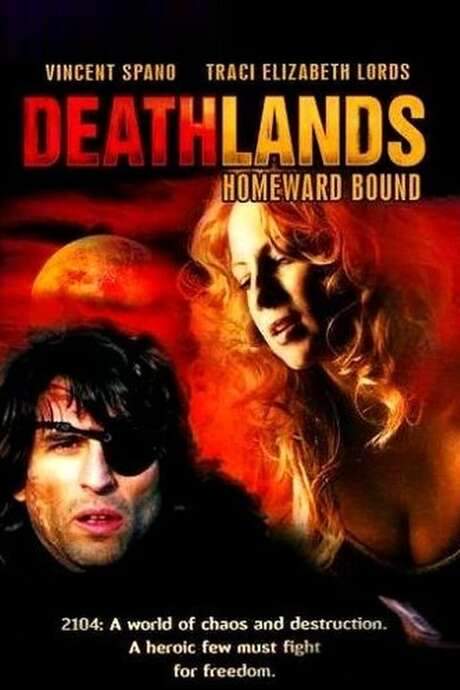
On January 20, 2001, the climax of the Cold War erupts into a cataclysm that reshapes the Earth into a harsh, postapocalyptic landscape. An audacious preemptive strike against Washington, DC detonates underground, ignited from the basement of the Soviet embassy by an elite group of Spetsnaz operatives. The blast cripples the central command and topples the American political system, setting off a prolonged nuclear exchange that devastates both nations and leaves the planet scarred. Details of what happened beyond the borders are sparse, as the fallout leaves most of the world outside the two powers shrouded in mystery. Survivors endure a brutal era marked by mutations and disease, with genetic contagions spreading through ruined cities and wastelands. The climate turns savage under a long nuclear winter known as Skydark, transforming geography, ecosystems, and daily life in ways that push humanity toward a rough, almost medieval resilience. The remnants of the United States become known as the Deathlands, a name that signals both danger and a stubborn flicker of civilization surviving in the ruins.
In this world, scattered bands of people claw out an existence among plague pits and fortified ruins, ruled by warlords who crave power at any cost. These rulers, the Barons, preside over dangerous territories known as villes, where commerce and conflict intertwine in a grim, cyclical struggle for control. Trade is a precarious lifeline, centered on a rough regional currency called jack, a narcotic mix known as jolt, ammunition, and the trade of enslaved people. Life is a strange blend of ancient customs and scavenged twentieth‑century technology, where military hardware remains the most coveted asset and the true measure of might is the number of bullets one holds. Into this precarious order steps Ryan Cawdor and his small, traveling group, moving through the Deathlands with a mission that blends survival with the stubborn hope of restoring some fragment of the old world.
Ryan possesses a rare and dangerous edge: extensive knowledge of the twenty‑first century, including hidden underground complexes called redoubts that house teleportation technology. This tech, known as MAT-TRANS, grants unusual mobility across the broken landscape and a potential key to turning the tide of power in the Deathlands. The group relies on this knowledge to navigate a world where every shelter can be temporary, every ally uncertain, and every journey fraught with peril. Their travels usually begin when they arrive at a new redoubt via MAT-TRANS, and the choice to press further or return via the transporter’s “last destination” feature hinges on the redoubt’s hostility or hospitality. When a redoubt is unfamiliar, they venture into the surrounding countryside in search of weapons and supplies, occasionally uncovering a functioning shower, stored food, or other scarce comforts from the old world that they will use or claim. The action accelerates once they step beyond the redoubt, meeting resistance from hostile forces or skeptical locals, and the narrative pace gears up as they confront the murkier corners of the Deathlands.
The world’s social order is defined by the Barons, the warlords who preside over the villes and enforce their own ruthless rules. Against this backdrop, notable figures rise or fall, such as Baron Titus Cawdor. The Barons embody the brutal, patriarchal structure that governs much of the Deathlands’ fringes, while the Cawdor family name itself becomes a symbol of power and danger within the group’s travels. Other members of the Cawdor line appear in the larger tapestry of the saga, including Lady Rachel Cawdor and Nathan Cawdor, whose roles in the wider story mirror the shifting alliances and personal motives that drive the companions forward. Throughout each installment, the characters’ backstories are gently teased and revealed, along with the regional characteristics of the places they arrive in, painting a broader, intertwined portrait of loyalty, survival, and the costs of knowledge in a fractured world.
Across this harsh terrain, the companions of Ryan must balance caution with courage, always aware that each redoubt could hold salvation or ruin. The journey is defined as much by internal struggles—trust, fear, and the pull of memory—as by external threats from rival factions, mutated beasts, and the ever-present risk of betrayal. The MAT-TRANS technology, the legends of the redoubts, and the strategic importance of securing remaining armaments and supplies create a persistent tension: every move could reshape their fate and, perhaps, restore a fragment of civilization. In this sense, the Deathlands saga is as much about perseverance and discovery as it is about danger—a continuous odyssey through a landscape where the past might still be reachable, if only the survivors can navigate the ruins with steadiness and resolve.