Year: 2017
Runtime: 127 min
Language: English
Director: Niki Caro
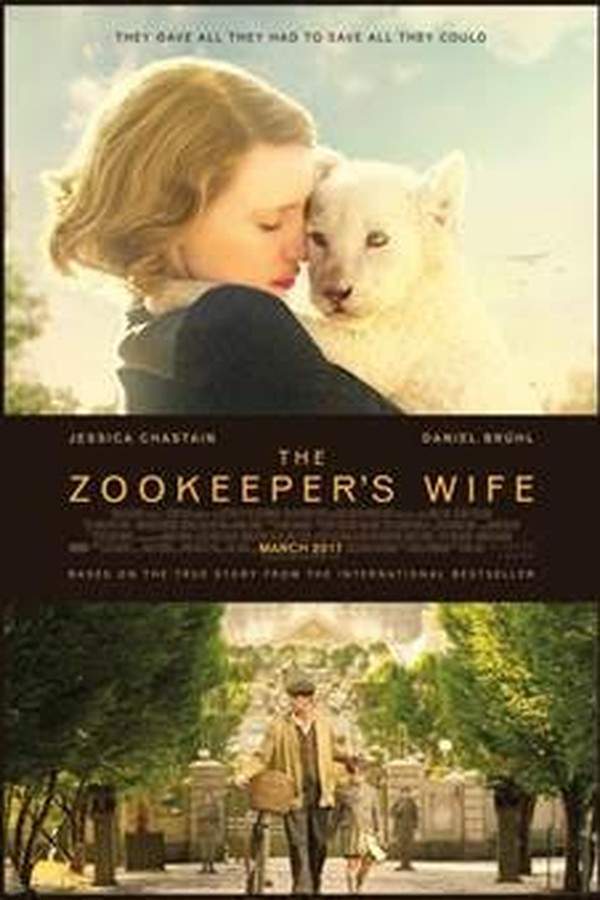
In 1939 Poland, Antonina and Jan Żabiński, keepers of a Warsaw zoo, face a harrowing ordeal when Nazi forces invade. As the world descends into war, they find themselves in a precarious position, using the zoo as a refuge for Jews and secretly aiding the Polish Resistance. Antonina's bravery and quick thinking become crucial as she risks her family’s safety to protect those in need, demonstrating extraordinary compassion amidst unimaginable cruelty.
Find where to stream, rent, or buy The Zookeeper's Wife (2017) in the US with current JustWatch availability, up-to-date pricing, and platform listings for subscription, rental, and digital purchase options.
Warning: spoilers below!
Haven’t seen The Zookeeper's Wife yet? This summary contains major spoilers. Bookmark the page, watch the movie, and come back for the full breakdown. If you're ready, scroll on and relive the story!
Read the complete plot breakdown of The Zookeeper's Wife (2017), including all key story events, major twists, and the ending explained in detail. Discover what really happened, and what it all means.
As the director of Warsaw's largest zoo during the tumultuous era of 1930s Europe, Dr. Jan Żabiński (Jan) collaborated closely with his wife Antonina. Their partnership highlighted the profound impact of unity and empathy. However, everything changed when September 1, 1939, heralded the aerial bombardment of Warsaw and the devastating Invasion of Poland, plunging the city into turmoil. In the midst of such chaos, Antonina and their son Ryszard narrowly escaped with their lives.
The situation took a significant turn with the arrival of Dr. Lutz Heck (Heck), the head of the Berlin Zoo and Adolf Hitler's chief zoologist. Though initially a professional rival tasked with overseeing the Warsaw Zoo, his true motives soon emerged. Heck offered to transport the Żabińskis’ prized animals to Berlin, but this was a guise for his true intentions, which involved slaughtering the rest in a show of brutality.
As the war continued to ravage Poland, the Żabińskis were approached by their Jewish friends, Maurycy Fraenkel and Magda Gross, who sought refuge from the horrors of the Ghetto. Despite the inherent risks, Jan and Antonina bravely sheltered Magda, transforming their zoo into a sanctuary where they tirelessly concealed others and saved lives.
To outsmart Heck, the Żabińskis devised an ingenious plan to convert the abandoned zoo into a pig farm, an endeavor aimed at misdirecting the occupying forces while covertly rescuing people from the Ghetto. To their surprise, Heck accepted their proposal, motivated by his ambition to create an aurochs, emblematic of Nazi supremacy.
Jan ventured into the Ghetto, collecting garbage as a disguise while secretly transporting hidden people in trucks to the zoo, offering them temporary safety alongside the Underground Army. Their home morphed into a network of concealed tunnels and secret chambers, safeguarding those desperate for escape. During the night, Antonina would serenely play her piano, signaling to those in hiding that it was safe to come out; yet, during daylight, everyone remained hidden.
Tragedy struck in 1942 as the Germans began transporting Jews to death camps. A heartbreaking moment occurred at a loading station when Jan implored Janusz Korczak, the compassionate head of the Jewish children's orphanage, to flee, only to be met with Korczak's refusal to abandon his children. Ultimately, Jan had no choice but to assist in loading children into cattle cars, a stomach-churning act marking the harsh realities of war.
As Heck's feelings for Antonina grew noticeable, tensions rose within the Żabiński household, threatening their bond and the sanctuary they had created amidst the chaos of war-torn Warsaw. By 1943, the fates of Antonina and her friend were perilously intertwined as they, disguised as Aryans, faced brutal execution outside their boarding house—a dire reminder of the risks of wartime.
When the days of the Warsaw Uprising arrived, Jan wrestled with his duty to advocate for his homeland's freedom while yearning to reunite with Antonina. Their love had endured considerable trials, but now faced its most formidable challenge. Meanwhile, the volatile dynamic between Heck and Antonina reached a boiling point, as her attempts to keep him at bay were further complicated by his increasing suspicions.
The situation took a dramatic turn when Heck unexpectedly arrived at the Żabiński home, questioning Ryszard about his parents' whereabouts. However, Ryszard, displaying remarkable defiance, retorted, "Hitler is kaput!"—much to the disturbance of the already tense atmosphere between Heck and Antonina.
As January 1945 brought signs of reconstruction to Warsaw, Antonina's anxiety grew over Jan's fate, leading to desperate overtures towards Heck that, despite her intentions, ended up in a brutal clash, leaving her spirit fractured. In the aftermath of this turmoil, her guests fled, vanished into the shadows of despair, while Antonina found solace alongside Ryszard, who steadfastly preserved his family's secrets amid the relentless dangers of the war.
Months later, four months post-Nazi surrender, Warsaw began its arduous journey of reclamation. Antonina returned to the ravaged zoo accompanied by their devoted keeper, Jerzyk. It was here that Jan, having survived the torment of a prison camp, finally returned home—his spirit battered yet unbroken. In a poignant moment of defiance, the family painted Stars of David across the zoo's cages, symbolizing their indomitable will to survive and the enduring power of love even amidst destruction.
As the tale concludes, it becomes apparent that Janina and Antoni Żabiński's selfless acts transcended the confines of their beloved zoo. Their bravery played a crucial role in saving over 300 Jewish lives, courageously countering the Nazi regime's ruthless oppression. Meanwhile, the fate of Heck's Berlin Zoo was sealed by the ongoing destructive Allied bombings, leaving its once-lively exhibits, including the coveted aurochs enclosure, forever in ruins.
In honor of their remarkable and righteous actions against oppression, the Żabińskis received recognition from Yad Vashem, the State of Israel's institution, underscoring their unwavering morals and the profound commitment to upholding human dignity even amid overwhelming adversity. Finally, with the echoes of war behind them, Janina and Antoni dedicated themselves to restoring their Warsaw Zoo, meticulously rebuilding it as a beacon of hope and resilience for future generations to admire.
Last updated: November 22, 2024 at 14:35
Explore frequently asked questions about The Zookeeper's Wife (2017) with spoiler-rich answers covering the full plot summary, major story beats, character motivations, hidden details, and ending meaning. This movie summary FAQ helps explain confusing scenes, plot twists, and narrative decisions in clear, searchable detail.
In 1942, when Germans began transporting Jews to death camps, Jan encountered Janusz Korczak at the loading station. Despite Jan's desperate plea for Korczak to flee, the orphanage head refused to abandon the children. Jan was then forcibly conscripted by the Germans to assist in loading the terrified children onto cattle cars, an act of brutal coercion that left him emotionally shattered.
Earlier in the war, Jan's role as a garbage collector in the Ghetto had already placed him in dangerous proximity to Nazi operations.
By January 1945, with the war nearing its end but Jan still missing in a prison camp, Antonina became desperate to learn his fate. She made a desperate approach to Heck, hoping he might have information about Jan. The encounter turned violent and brutal, leaving Antonina emotionally devastated and forcing her hidden guests to flee in panic.
Heck's inappropriate romantic attention toward Antonina had been growing since early 1943, creating tension in the household.
The Żabińskis proposed converting their abandoned zoo into a pig farm to explain why they needed food and supplies, which would justify their activities rescuing people from the Ghetto. Heck accepted because he saw an opportunity, he wanted to breed aurochs, an extinct wild cattle, as a symbol of Nazi supremacy. The pig farm would provide cover and resources for his ambitious breeding project.
Heck's arrival was motivated by his professional interest in rare animals, particularly those with symbolic significance to the Nazi ideology.
Janusz Korczak was a renowned educator who headed a Jewish children's orphanage. When Jan implored him to escape during the 1942 transport, Korczak refused, declaring he could not abandon his children. He walked willingly into the cattle car with his orphans, and both he and the children were deported to Treblinka, where they perished.
Korczak's reputation for selfless devotion to children had been established throughout the war.
When Jan returned from the prison camp in 1945 and reunited with Antonina, they painted Stars of David on the zoo cages as a powerful symbol of defiance and remembrance. The stars honored the Jewish people they had saved and represented their moral victory over Nazi persecution, transforming the cages from symbols of animal captivity into memorials of human survival.
The zoo had served as a sanctuary for over 300 Jewish lives throughout the Nazi occupation.
Heck's growing romantic obsession with Antonina created dangerous complications. In early 1943, his inappropriate feelings and increasing suspicions about the Żabińskis' activities strained the household. Later, in 1944, Heck arrived at their home demanding to know where Jan and Antonina were, questioning young Ryszard, who defiantly responded "Hitler is kaput!", a moment that could have exposed their entire operation.
Heck's arrival in Warsaw was initially framed as professional collaboration but quickly revealed his true, threatening nature.
Antonina used her piano playing as a carefully designed signal system. The calming melodies told those hidden in the underground chambers that it was safe to come out and move around, receive food, or rest. During daylight hours, everyone remained completely hidden and silent to avoid detection by German inspectors or neighbors.
This system developed after the zoo was converted into the pig farm, allowing the Żabińskis to maintain their deception while secretly sheltering people.
The Żabińskis saved over 300 Jewish lives through their underground network at the Warsaw Zoo. Using the pig farm as cover, Jan's garbage-collecting missions into the Ghetto, and the hidden tunnels in their home, they managed to shelter and transport hundreds of people to safety throughout the war.
Their operation began when Jewish friends Maurycy Fraenkel and Magda Gross first asked for refuge.
While the Żabińskis were honored by Yad Vashem for their heroism, Heck's fate was sealed by the Allied bombings of Berlin. His Berlin Zoo, including the prized aurochs enclosure he had hoped to use for his Nazi breeding program, was destroyed by bombs. The zoo that represented his ambitions lay in ruins.
Heck's obsession with breeding aurochs as a symbol of Nazi ideology had motivated his acceptance of the pig farm plan.
Discover curated groups of movies connected by mood, themes, and story style. Browse collections built around emotion, atmosphere, and narrative focus to easily find films that match what you feel like watching right now.
Stories of ordinary people risking everything to uphold their humanity during wartime.If you were moved by the bravery in The Zookeeper's Wife, explore these similar movies about ordinary people showing extraordinary moral fiber during wartime. These films share the themes of resistance, sacrifice, and protecting the vulnerable against overwhelming odds, offering heavy, impactful historical stories.
The narrative pattern follows protagonists who are thrust into a dark historical period, forcing them to make continuous, dangerous choices to help those being persecuted. The journey is one of escalating risk and tension, testing their resolve, relationships, and very survival, often culminating in a bittersweet resolution that acknowledges the cost of their bravery.
Movies are grouped here based on their profound emotional weight, dark historical settings, and central theme of altruistic resistance. They share a steady, methodical pacing that allows the gravity of the situation to sink in, creating a cohesive experience of somber, courageous storytelling.
Stories where survival is achieved, but at a profound and lasting emotional cost.For viewers seeking movies similar to The Zookeeper's Wife that explore the heavy cost of survival. These films feature harrowing journeys through historical events like war or persecution, ending on a note that is both hopeful for the future and deeply sorrowful for the past.
The narrative arc is defined by a journey through a devastating historical event, focusing on the psychological and emotional toll of survival. The plot builds tension through life-or-death stakes, leading to an ending that validates the characters' resilience but also emphasizes the profound scars and losses they carry forward, leaving a lasting impact on the viewer.
These films are grouped by their shared combination of a high-intensity, harrowing plot based on true events, a fundamentally dark tone, and a conclusively bittersweet ending. They create a coherent vibe of somber reflection on the price of making it through history's darkest chapters.
Don't stop at just watching - explore The Zookeeper's Wife in full detail. From the complete plot summary and scene-by-scene timeline to character breakdowns, thematic analysis, and a deep dive into the ending - every page helps you truly understand what The Zookeeper's Wife is all about. Plus, discover what's next after the movie.
Track the full timeline of The Zookeeper's Wife with every major event arranged chronologically. Perfect for decoding non-linear storytelling, flashbacks, or parallel narratives with a clear scene-by-scene breakdown.
Discover the characters, locations, and core themes that shape The Zookeeper's Wife. Get insights into symbolic elements, setting significance, and deeper narrative meaning - ideal for thematic analysis and movie breakdowns.
Discover movies like The Zookeeper's Wife that share similar genres, themes, and storytelling elements. Whether you’re drawn to the atmosphere, character arcs, or plot structure, these curated recommendations will help you explore more films you’ll love.
The Zookeeper's Wife (2017) Scene-by-Scene Movie Timeline
The Zookeeper's Wife (2017) Movie Characters, Themes & Settings
The Zookeeper's Wife (2017) Spoiler-Free Summary & Key Flow
Movies Like The Zookeeper's Wife – Similar Titles You’ll Enjoy
The Pianist (2002) Plot Summary & Ending Explained
Katyn (2009) Movie Recap & Themes
Sobibor (2019) Film Overview & Timeline
The Zone of Interest (2023) Detailed Story Recap
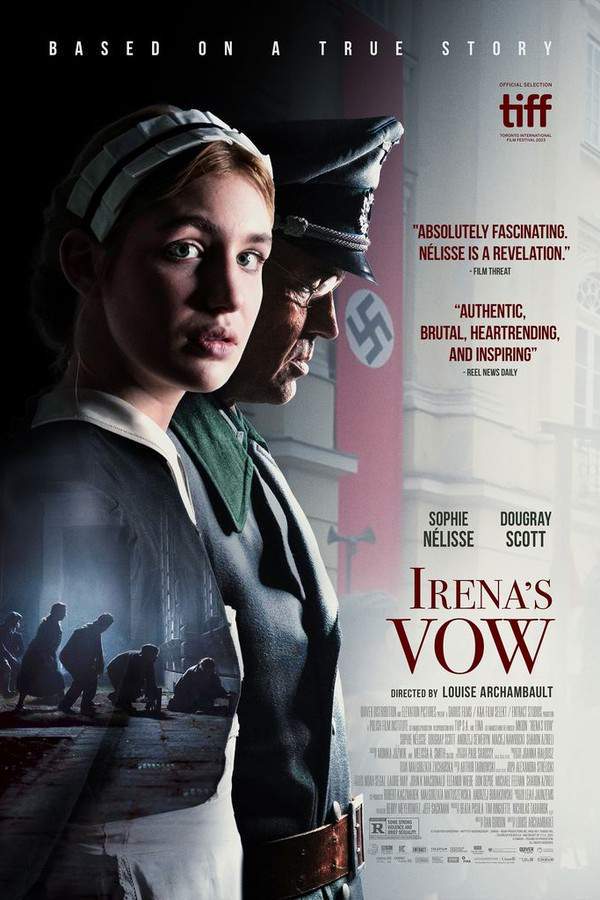
Irena's Vow (2024) Ending Explained & Film Insights
Of Animals and Men (2019) Spoiler-Packed Plot Recap
The Zookeeper (2001) Full Movie Breakdown
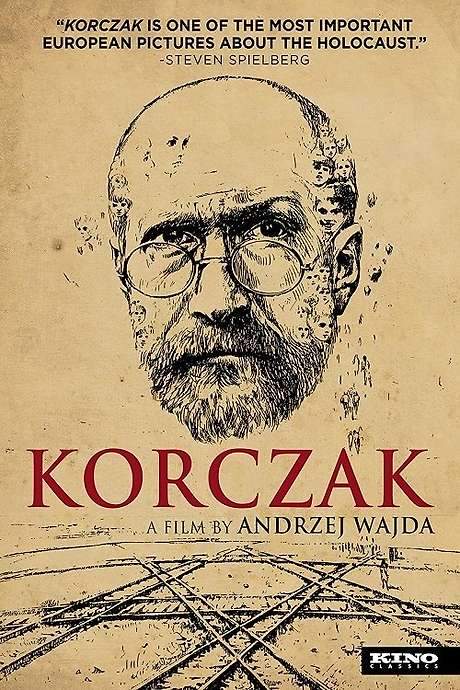
Korczak (1990) Complete Plot Breakdown
Zoya (2020) Story Summary & Characters
Naked Among Wolves (1963) Movie Recap & Themes
Warsaw: Year 5703 (1992) Movie Recap & Themes
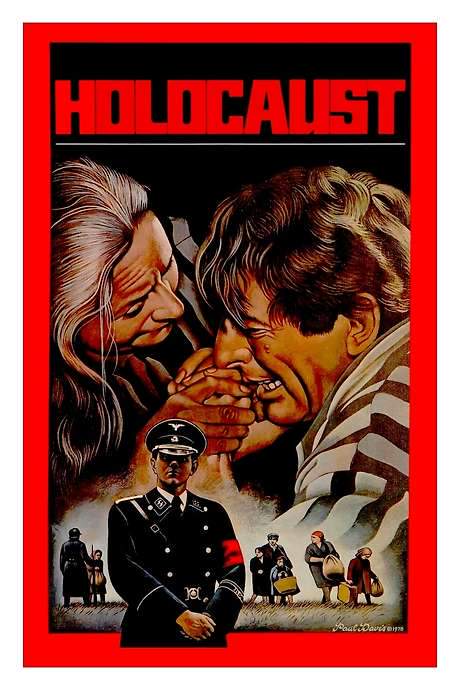
Holocaust (1000) Spoiler-Packed Plot Recap
Hidden in Silence (1996) Film Overview & Timeline
Zoya (1944) Film Overview & Timeline
The Courageous Heart of Irena Sendler (2009) Story Summary & Characters