Plot Explained Spoilers guaranteed!
Plot Explained

Browse by genre

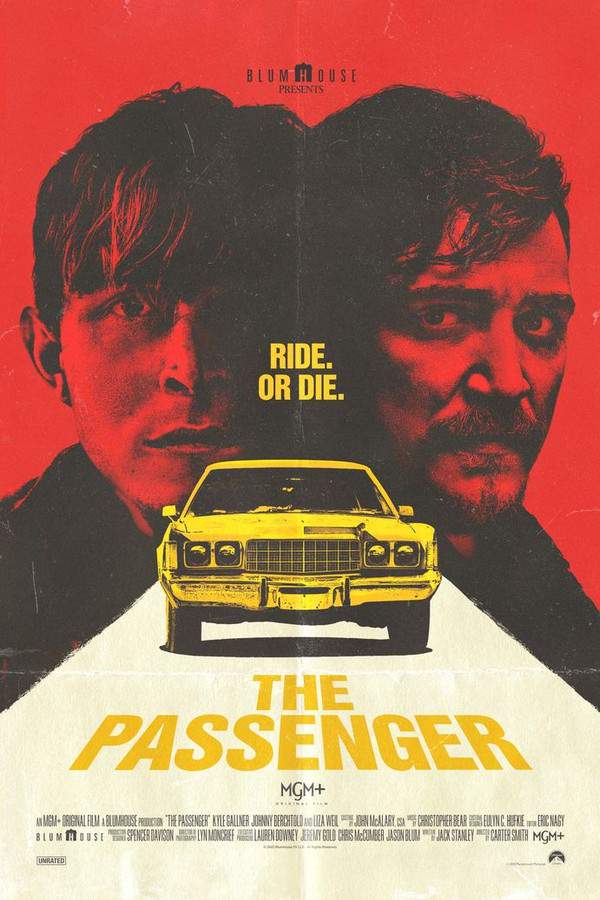
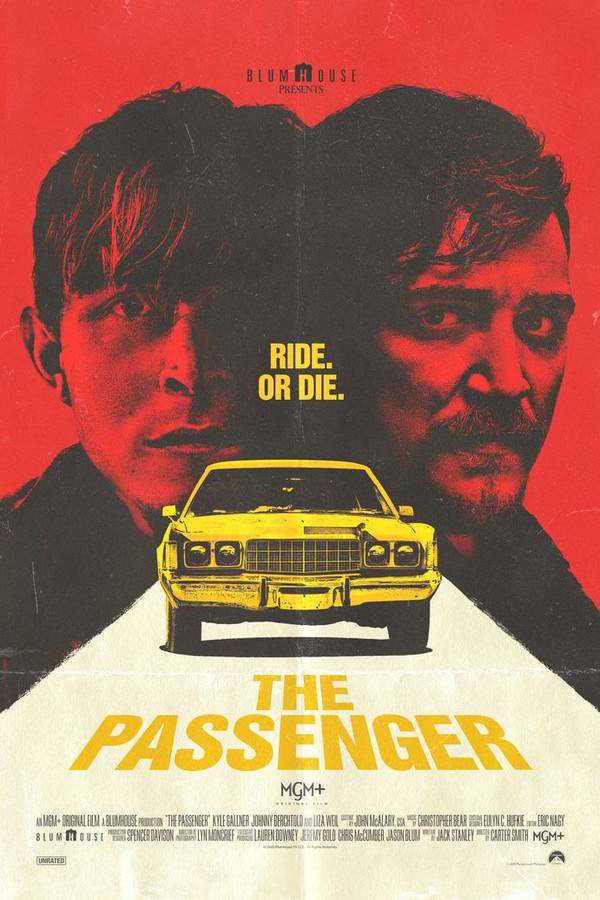
The Passenger (2023) movie poster

Plot Summary

The Passenger (2023) Plot Summary & Ending Explained

Release, runtime and language
2023 · 94 min · English
Echo score 71
Loading streaming availability…
Directed by
Carter Smith
Starring
Kyle Gallner, Billy Slaughter, Morgana Shaw, Johnny Berchtold, Liza Weil, Sue Rock

Randy prefers to remain unnoticed, but his quiet workplace descends into chaos when a coworker's violent outburst unleashes devastation. Forced to confront his own difficult past, he must fight to survive and discover the dark forces behind the sudden rampage.

On this page (7)
  1. 1 Where to watch
  2. 2 What happens: full plot
  3. 3 Plot questions answered
  4. 4 How it ends
  5. 5 Movie threads
  6. 6 Movies like The Passenger
  7. 7 Every angle
Loading streaming availability…

Full plot summary · contains spoilers

What Happens in The Passenger: Full Plot Summary

The whole story of The Passenger (2023) explained, from the opening scene to the final frame: every key event, every twist and what it all adds up to. Read it as a quick recap before the sequel, to check a scene you missed, or to finally understand what really happened.

Randolph "Randy" Bradley, portrayed by Johnny Berchtold, is a young fast food employee residing in the tranquil yet isolated surroundings of rural Louisiana. He is on the verge of receiving a promotion to manager, yet he finds himself the target of relentless bullying from his co-workers, particularly Chris and Jess. During one fateful day, Kyle Gallner, who plays the volatile character of Benson, witnesses the disparagement Randy faces and decides to step in. Unfortunately, his attempt to assist Randy leads to a confrontation with Chris, who warns him to back off. Rather than retreating, Benson returns to his vehicle, retrieves a double-barrelled shotgun, and embarks on a shocking rampage, leaving a trail of carnage while sparing only Randy's life.

Following the gruesome events, Randy feels compelled to assist Benson in cleaning up. Together, they place the bodies in the restaurant's freezer and make the hasty decision to close up shop early, transitioning from the chaos of violence to the stillness of their grim task. Eventually, they head to a nearby diner, where an inquisitive Randy attempts to unpack the motivations behind Benson's shocking behavior. In response, Benson makes a candid remark about a waitress, revealing his skewed perspective on potential and success: he believes that Randy possesses the ability to not only change but also thrive. He bluntly states that Randy is “fixable,” setting into motion a peculiar mentorship.

Benson's unconventional style takes a darker turn when he introduces Randy to his mother for an errand that entails providing food and cigarettes. In a chilling moment, Benson corners Randy and aggressively critiques his mother, highlighting a troubling dynamic. Their escapade takes an alarming twist as Benson asserts his belief that he must inflict pain on Randy to instill life lessons, categorizing his actions as essential for Randy’s growth. The duo embarks on a quest to confront Randy's past, which leads them to a mall where they encounter Lisa, Randy's ex-girlfriend. She provides insight into their ill-fated relationship, pinpointing Randy's apathy as the crux of their breakup.

During a reflective moment in the parking lot, Randy divulges a pivotal childhood memory involving his second-grade teacher, Mrs. Beard, who was the recipient of an unfortunate incident where Randy accidentally caused her to lose an eye. The trauma from that moment left lasting scars on both their lives. While discussing this, Randy recognizes that his prior inability to express feelings stems from the regret of having hurt others, further exacerbated by the controlling nature of his mother.

Determined to reconcile with his past, Benson drives Randy to the school where Mrs. Beard works. Their search ends at her home, and upon meeting her, Randy discovers that she holds no animosity towards him and that her life has taken a positive turn despite her hardship. Yet, shortly after their meeting, the impending ramifications of Benson's violent spree loom large when Mrs. Beard receives shocking news about the vice principal's brutal beating, a direct consequence of Benson's earlier aggression.

As tensions rise, the trio returns to the diner, where the tension comes to a head. In a fit of rage, Benson shoots the waitress, provoking a flurry of chaos as police sirens begin to echo outside. Mistaking the situation for a betrayal, Benson tries to turn his weapon on Mrs. Beard but inadvertently injures Randy in the process. In a moment of clarity, Randy confesses that he was the one to contact the police, having covertly taken Mrs. Beard's phone. Recognizing the end of his volatile journey, Benson contemplates his own life, reflecting on the emptiness that has shadowed his existence since childhood. Ultimately, he opts for a tragic resolution, stepping outside to confront a reality he can no longer bear, leading to his demise at the hands of the law.

In the aftermath, we see Randy engaging playfully with Mrs. Beard's daughter, symbolizing a newfound sense of freedom and agency in his life. With a courageous phone call, he finally asserts himself against his overbearing mother, indicating a significant personal growth and a desire to take control of his own destiny. This emotional evolution marks a departure from the turmoil he faced earlier, culminating in a powerful statement of self-realization and empowerment.
Last updated: November 25, 2024 at 19:24

Was this helpful?

Plot questions answered

The Passenger Plot Explained: Your Questions Answered

The questions people ask most about The Passenger (2023): what happens in the confusing scenes, why the characters do what they do, the twists, hidden details and what the ending means. Each answer contains spoilers.

Q1

Why does Benson spare Randy's life during the shooting?

Benson spares Randy because he sees potential in him. From their first interaction, Benson recognizes Randy as someone trapped in passivity and victimhood. Rather than killing him along with the others, Benson chooses to spare him, viewing Randy as someone who can be 'fixed' and transformed through the violent mentorship Benson intends to impose.

Foreshadowing: Benson's earlier intervention against Randy's bullies hints at his fixation on Randy before the shooting even occurs.

  • benson
  • randy
  • shooting
  • spared
  • motivation
Q2

What does Benson mean when he calls Randy 'fixable'?

When Benson calls Randy 'fixable,' he means he believes Randy's emotional detachment and passivity are problems that can be solved through painful experiences. Benson views himself as the one capable of fixing Randy by forcing him to confront his past traumas and break free from his shell, even if that requires violence and coercion.

  • fixable
  • benson
  • randy
  • psychology
  • mentorship
Q3

What happened between Randy and Mrs. Beard in second grade?

In second grade, Randy accidentally caused Mrs. Beard to lose an eye. During an incident at school, Randy did something that resulted in her suffering this permanent injury. The guilt from this traumatic event left lasting scars on Randy, making him believe he hurts people he cares about, which explains his emotional numbness and inability to connect with others.

Foreshadowing: Randy's reluctance to open up and his history of failed relationships stem from this childhood trauma.

  • mrs beard
  • randy
  • second grade
  • accident
  • eye injury
Q4

Why does Benson take Randy to meet his ex-girlfriend Lisa?

Benson takes Randy to the mall to meet Lisa because he believes understanding Randy's past relationships will help explain why Randy is emotionally broken. Lisa reveals that Randy's chronic apathy and inability to commit were the reasons she ended their relationship, providing Benson with more insight into the psychological barriers he claims he can break through.

  • lisa
  • randy
  • ex-girlfriend
  • mall
  • breakup
Q5

Why does Randy help Benson clean up after the shooting?

Randy helps Benson clean the restaurant out of shock and psychological manipulation. He is traumatized by the violence and lacks the mental clarity to resist Benson's commands. Additionally, Randy has been conditioned to comply with others throughout his life, making it difficult for him to defy Benson in that moment despite the horror of what they're doing.

  • randy
  • benson
  • cleanup
  • freezer
  • bodies
Q6

Why does Benson violent at the school and attack the vice principal?

Benson attacks the vice principal because he wants to force the school staff to reveal Mrs. Beard's home address. When they refuse to provide the information, Benson's volatile nature escalates into brutal violence. This demonstrates how far Benson will go to execute his twisted plan of forcing Randy to confront his past, regardless of who gets hurt.

  • benson
  • vice principal
  • school
  • attack
  • violence
Q7

Why does Benson shoot the waitress at the diner?

Benson shoots the waitress in a moment of rage when she confronts him about the situation. After pulling a gun on Mrs. Beard and creating chaos in the diner, the waitress steps forward and challenges Benson, prompting him to fire at her in anger. This act marks the point of no return, immediately alerting police to their location.

  • benson
  • waitress
  • diner
  • shooting
  • police
Q8

How does Randy contact the police without Benson knowing?

Randy secretly takes Mrs. Beard's phone while at her house and uses it to contact the police. He then pulls the fire alarm at the diner to create a distraction and alert authorities to their location without Benson realizing his involvement. This act of covert resistance represents Randy's first real assertion of moral courage against Benson.

  • randy
  • police
  • phone
  • fire alarm
  • betrayal
Q9

Why does Benson choose to die by cop at the end?

Benson chooses to commit suicide by cop because he reaches a breaking point after his violent rampage and realizes he has nothing left. Reflecting on his empty life since childhood, Benson steps outside to face the police, either intending to be killed or daring them to shoot. This tragic ending represents Benson's ultimate expression of the emptiness and violence that defined his existence.

  • benson
  • suicide
  • cop
  • death
  • ending
Q10

What does Randy's final transformation represent?

Randy's final transformation represents his emergence from passivity into active self-ownership. By playing with Mrs. Beard's daughter and assertively standing up to his controlling mother on the phone, Randy demonstrates he has broken free from the emotional chains that kept him paralyzed. He has processed his childhood guilt and now claims agency over his own life, ending the cycle of victimhood that Benson exploited.

  • randy
  • transformation
  • growth
  • freedom
  • mother

Ending explained

What Happens at the End of The Passenger?

How The Passenger (2023) ends, in short: the final scene, the last twist and what it means for the characters. The full ending explained, with every spoiler, lives on its own page.

Read the full ending explained

In the final moments of The Passenger, we see a transformation in Randy’s character. After enduring and surviving Benson’s violent rampage and the chaos of their joint escape, Randy begins to show signs of personal growth. The film reveals that both men carry deep childhood traumas—Benson’s rooted in a violent incident from his early years, and Randy’s in a tragic act of accidental violence involving his teacher during second grade. Benson’s uncontrollable rage and violence seem to stem from his past abuse, while Randy’s inability to react has been shaped by the guilt and remorse over his childhood accident.

Despite Benson’s confident brutality, it’s clear that he is not the in-control predator he appears to be; rather, he’s haunted by his childhood trauma, which ultimately overpowers him. When Randy confronts Benson during their final encounter and urges him to stop, Benson’s internal conflict erupts, leading him to shoot Randy in the shoulder. However, after finally realizing that Randy had called the police, Benson’s violence subsides, and he is shot dead by the police, showing that his own past and unresolved issues dominate his actions.

Continue reading the ending (1 more paragraphs)

In contrast, Randy’s assault and captivity become catalysts for change. He begins to find a sense of confidence and purpose, reconnecting with the kindness of Miss Beard and developing a better relationship with his mother. The act of gifting the toy crocodile to Tessa symbolizes his emotional growth and newfound ability to connect with others. The ending suggests that Randy has begun to confront and accept his past, turning his trauma into a source of strength and moving towards a healthier future. The film concludes with a quiet note of hope, illustrating that even in the darkest circumstances, healing and transformation are possible.

The Passenger ending explained in full

Movie threads

More Movies Like The Passenger, by Mood & Story

Curated lists built around what makes The Passenger tick: the same mood, the same kind of story or the same emotional payoff. Each list explains why these movies belong together.

Movies about survival through traumatic crucibles like The Passenger

Characters are forged in violent fires, confronting their painful pasts to survive. If you liked The Passenger for its intense exploration of trauma through violence, you'll find similar movies here. These films feature characters forced to confront their pasts in high-stakes survival scenarios, blending psychological horror with deep emotional journeys.

  • traumatic
  • violent
  • unsettling
  • pained
  • psychological
  • oppressive
  • Tone: dark, traumatic, unsettling
  • Pacing: variable, with bursts of violence
Why these movies?

The story pattern: A protagonist, often marked by a painful past, is unwillingly plunged into a life-or-death scenario. A volatile antagonist or mentor forces them to grapple with their deepest fears and memories. The narrative journey is one of painful empowerment, where survival is inextricably linked to psychological confrontation.

Why they belong together: These films are grouped by their shared focus on trauma as a catalyst for violent, coerced growth. They balance high-intensity horror with heavy emotional weight, creating a specific pattern where external chaos forces internal reckoning.

Claustrophobic psychological horror movies similar to The Passenger

Stories where oppressive settings and psychological pressure create an anxious, suffocating dread. Fans of The Passenger's anxious, oppressive vibe will appreciate these movies. They share a focus on claustrophobic settings, psychological unease, and unpredictable violence, creating a deeply unsettling and immersive horror experience that lingers long after the credits roll.

  • claustrophobic
  • anxious
  • oppressive
  • unsettling
  • psychological
  • tense
  • Tone: dark, oppressive, anxious
  • Pacing: variable, building tension
Why these movies?

The story pattern: The narrative often unfolds in a limited, inescapable space—a workplace, a building, a mind. The tension builds gradually through dialogue and psychological games, punctuated by sudden, brutal acts of violence. The focus is on the mental deterioration of the characters as they grapple with imminent threat.

Why they belong together: These films share a distinct mood cocktail: an anxious, oppressive, and claustrophobic atmosphere combined with psychological depth. The pacing might vary, but the core experience is one of sustained, suffocating dread and unsettling character dynamics.

If you liked this

Movies Like The Passenger

Similar movies to The Passenger: the same genre, themes or kind of story. Each one comes with its own plot summary, timeline and ending explained.

Browse all movie summaries

Every angle

The Passenger (2023) Explained: Plot, Ending, Timeline & Characters

Everything about The Passenger in one place: what happens in the plot summary, the timeline in chronological order, the characters and meaning, the ending explained and a spoiler-free summary. What's After the Movie adds the cast, box office and post-credit scenes.

Coming soon on iOS and Android

The Plot Explained Movie Summary App

Plot summaries, endings explained and timelines on your phone. Catch up on any movie in minutes, save your favorites and never miss a twist again.

Be the first to know when we launch. Your email stays private, always.

Learn more about the app