





Plot Explained Spoilers guaranteed!
Plot Explained

Browse by genre

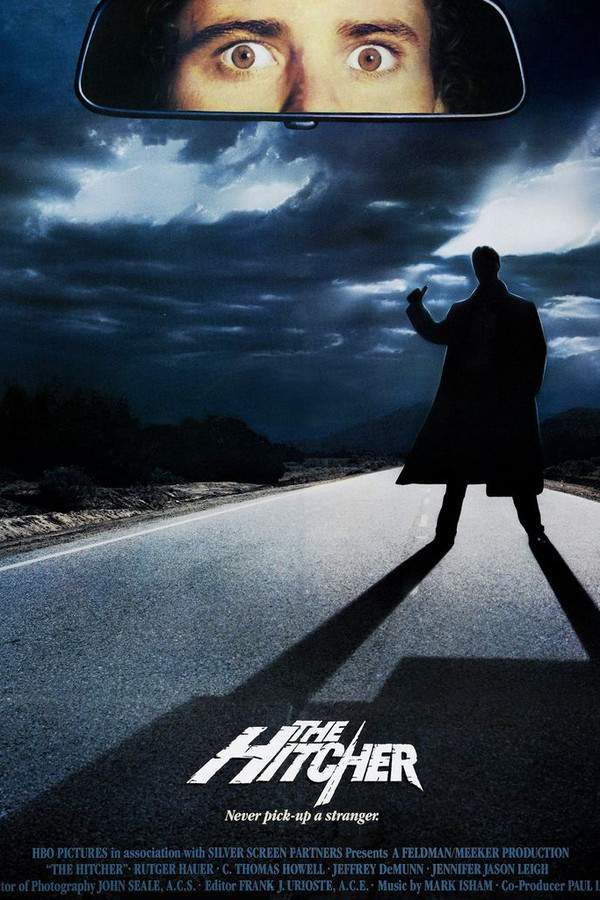
The Hitcher (2007) movie poster

Plot Summary

The Hitcher (2007) Plot Summary Explained

Release, runtime and language
2007 · 84 min · English
Directed by
Dave Meyers
Starring
Sean Bean, Sophia Bush, Zachary Knighton

A young couple's cross-country road trip takes a terrifying turn when they offer a ride to a mysterious hitchhiker. He quickly reveals himself to be a ruthless killer, turning their journey into a desperate fight for survival. As they attempt to escape his deadly game, the couple must confront their own fears and question their sanity in a harrowing test of endurance.

On this page (6)
  1. 1 Where to watch
  2. 2 What happens: full plot
  3. 3 Plot questions answered
  4. 4 Movie threads
  5. 5 Movies like The Hitcher
  6. 6 Every angle

Where to watch

Where to Watch The Hitcher (2007)

Where can you watch The Hitcher? Stream, rent or buy it in the US, including on Amazon Video, Apple TV Store and Fandango At Home: current JustWatch availability with up-to-date prices.

Streaming availability powered by JustWatch

Full plot summary · contains spoilers

What Happens in The Hitcher: Full Plot Summary

The whole story of The Hitcher (2007) explained, from the opening scene to the final frame: every key event, every twist and what it all adds up to. Read it as a quick recap before the sequel, to check a scene you missed, or to finally understand what really happened.

Jim, a young college student played by Zachary Knighton, is excitedly preparing for a Spring Break getaway with his girlfriend, Grace, portrayed by Sophia Bush. They hit the highway in Jim's sleek Oldsmobile 442, destined for Lake Havasu. However, their journey takes a dark turn as they navigate through a torrential rainstorm in New Mexico. While Jim steals affectionate glances at Grace, his momentary distraction leads to a near-accident with a man standing in the middle of the road. Feeling guilty for almost hitting the man, Jim decides to offer him a ride despite Grace's adamant protests.

As they stop at a nearby gas station to refuel and gather snacks, the stranger, who introduces himself as John Rider, played by Sean Bean, re-emerges unexpectedly. Initially, he seems amiable, but things quickly spiral out of control when he begins probing Jim about his intimate life with Grace. Tension escalates when John destroys Jim’s cell phone and threatens him with a knife, demanding that he admit to wanting to die. In a moment of horror and desperation, Jim swerves the car, causing John to tumble out onto the highway.

Still shaken, Jim and Grace hope to report the incident to the police, but their plans go awry as they encounter more tragic events. When they find a family in peril, Jim and Grace realize that John is following them and is a much greater threat than they initially believed. After a chaotic drive and a series of harrowing confrontations, including Jim and Grace becoming suspects themselves, they find themselves in a life-and-death situation.

As they fight to survive against John Rider, the stakes keep rising. Their desperate struggle to clear their names leads to a sequence of violent encounters, ultimately resulting in a tragic climax that leaves both Jim and Grace in peril. In the end, when Grace confronts John in an effort to save Jim, she faces tough choices that test her will to fight against the killer. The confrontation culminates in an explosive finale, with Grace finally taking a stand and finding the strength to confront the darkness, leading to a thrilling resolution that reveals the true nature of their ordeal and the lasting scars they've endured.

Last updated: November 03, 2024 at 14:13

Was this helpful?

Plot questions answered

The Hitcher Plot Explained: Your Questions Answered

The questions people ask most about The Hitcher (2007): what happens in the confusing scenes, why the characters do what they do, the twists, hidden details and what the ending means. Each answer contains spoilers.

Q1

Why does Jim decide to offer a ride to John Rider despite Grace's warnings?

Jim feels guilty about nearly hitting John with his car while distracted by looking at Grace. His conscience compels him to offer a ride, believing he's doing the right thing by helping someone stranded in a rainstorm. This decision stems from Jim's instinctive trustworthiness rather than any suspicion about John, making his choice understandable but tragically naive.

  • jim
  • grace
  • john rider
  • hitchhiker
  • decision
Q2

What does John mean when he demands Jim admit he wants to die?

John's demand that Jim confess to wanting to die is part of his psychological manipulation. He's testing Jim's psychological vulnerability and attempting to break him mentally before escalating to physical violence. This reveals John's sadistic nature, he wants his victims to surrender mentally before he kills them, making the act of killing more satisfying to him.

  • john rider
  • psychological manipulation
  • death wish
  • mind games
Q3

How does John Rider continue to find Jim and Grace after being thrown from the car?

John is shown to be extremely resourceful and obsessed with his victims. He survives the highway tumble and pursues them using alternate vehicles, demonstrating his determination to complete his deadly game. His ability to track them suggests he plans meticulously and enjoys the cat-and-mouse chase as much as the violence itself.

  • john rider
  • pursuit
  • tracking
  • survival
Q4

Why do Jim and Grace become suspects in the murders?

John deliberately frames Jim and Grace by committing murders and leaving evidence that points to them. Their car is identified at multiple crime scenes, and their explanations sound implausible to authorities. John thrives on this psychological warfare, making the couple victims of both his violence and the legal system simultaneously.

  • jim
  • grace
  • police
  • suspects
  • framed
  • murders
Q5

What is John Rider's motivation for targeting and killing people?

John Rider is a sadistic serial killer who views his interactions with travelers as a twisted game. He seeks psychological satisfaction from manipulating, terrifying, and ultimately murdering his victims. His pleasure comes not just from killing but from playing mind games and watching his victims' mental breakdown, a trait established when he probes about Jim's intimate life and demands psychological surrender.

  • john rider
  • killer
  • motivation
  • sadism
  • serial killer
Q6

How does Grace manage to survive and defeat John in the final confrontation?

Grace survives by finding inner strength she didn't know she possessed. When John captures Jim and puts Grace in an impossible situation, she refuses to give in to his psychological manipulation. In the explosive finale, she fights back with desperate violence, using the same resourcefulness John demonstrated throughout the film. Her determination to save Jim overrides her fear, allowing her to overcome John despite being physically outmatched.

  • grace
  • john rider
  • final confrontation
  • survival
  • violence
Q7

Why does John destroy Jim's cell phone at the gas station?

John destroys Jim's cell phone to cut off their communication with the outside world. By isolating them, he ensures they cannot call for help and cannot document or report his presence. This act removes their ability to escape his game through external intervention, forcing them to rely only on him, exactly where John wants them.

  • cell phone
  • isolation
  • john rider
  • communication
Q8

Why is the ending of The Hitcher considered bittersweet rather than a pure victory?

While Grace successfully defeats John and they survive, the victory comes at tremendous psychological cost. Both Jim and Grace are deeply traumatized by their experience, carrying visible emotional scars from John's sadistic torment. The film emphasizes that surviving John's game doesn't restore their previous lives, they emerge as fundamentally changed people, marked permanently by the violence they endured and inflicted.

  • ending
  • resolution
  • trauma
  • psychological damage
  • bittersweet
Q9

Why does John focus more on psychological torture than immediate killing?

John derives pleasure from breaking his victims mentally before killing them. His questioning about Jim and Grace's relationship, demanding Jim confess to wanting to die, and framing them for murders all serve his psychological satisfaction. Physical violence is just one tool in his arsenal, true enjoyment comes from watching hope drain from his victims' eyes as they realize they cannot escape his game.

  • john rider
  • psychological warfare
  • sadism
  • torture
  • manipulation
Q10

Why does Grace decide to confront John alone to save Jim?

Grace's decision to confront John alone stems from her desperate love for Jim and recognition that direct confrontation is their only remaining option. By this point, they have been stripped of all other resources, police suspect them, John controls every situation, and Jim is captured. Grace's choice represents her transformation from frightened victim to willing combatant, showing how John ironically strengthens her resolve by giving her nothing left to lose.

Foreshadowing: The film's early scenes establish Grace's fiery resistance, foreshadowing her eventual willingness to face John directly.

  • grace
  • jim
  • confrontation
  • sacrifice
  • courage

Movie threads

More Movies Like The Hitcher, by Mood & Story

Curated lists built around what makes The Hitcher tick: the same mood, the same kind of story or the same emotional payoff. Each list explains why these movies belong together.

Unrelenting Road Trip Nightmares like The Hitcher

Simple journeys that violently descend into desperate fights for survival. If you liked the high-tension survival horror of The Hitcher, this list features movies where a road trip goes horrifically wrong. Discover similar thrillers about characters trapped in a desperate cat-and-mouse game on the highway, fighting against sinister forces in isolated settings.

  • tense
  • desperate
  • claustrophobic
  • stressful
  • brutal
  • isolated
  • Tone: dark, tense, desperate
  • Pacing: fast, relentless
Why these movies?

The story pattern: The narrative follows a linear, escalating structure: an inciting violent encounter on a journey transforms the setting from a path to freedom into a deadly arena. The plot is driven by relentless pursuit, with the characters' goal shifting from reaching a destination to simply surviving the next few miles. The journey itself becomes the antagonist.

Why they belong together: These films are grouped by their shared core premise of a travel-based thriller, their oppressive mood of isolation and vulnerability, and their fast-paced, high-intensity execution. They all exploit the inherent anxiety of being stranded far from help with a malicious force in close pursuit.

Brutal Psychological Torment Thrillers like The Hitcher

Stories where a cunning antagonist inflicts psychological damage as much as physical harm. For viewers who enjoyed the sadistic mind games and heavy emotional weight of The Hitcher, this collection features similar movies about ruthless killers who torment their victims psychologically. Find other intense, dark thrillers with a focus on psychological survival and bittersweet, trauma-filled endings.

  • psychological
  • oppressive
  • brutal
  • sadistic
  • torment
  • anxious
  • Tone: dark, oppressive, bleak
  • Pacing: fast, stressful
Why these movies?

The story pattern: These narratives often feature an intelligent, cruel antagonist who toys with their victims, creating a personalized nightmare. The conflict is as much mental as it is physical, with the protagonist's will and sanity being systematically tested. The story arc frequently concludes with a victory that feels hollow, emphasizing the profound and permanent psychological scars left by the ordeal.

Why they belong together: They are united by a dominant tone of psychological brutality, a heavyweight emotional focus on trauma, and the presence of a villain who embodies sadistic intelligence. The similarity lies in the specific type of fear they evoke—one of mental disintegration under pressure from a merciless foe.

If you liked this

Movies Like The Hitcher

Similar movies to The Hitcher: the same genre, themes or kind of story. Each one comes with its own plot summary, timeline and ending explained.

Browse all movie summaries

Every angle

The Hitcher (2007) Explained: Plot, Timeline & Characters

Everything about The Hitcher in one place: what happens in the plot summary, the timeline in chronological order, the characters and meaning and a spoiler-free summary. What's After the Movie adds the cast, box office and post-credit scenes.

Coming soon on iOS and Android

The Plot Explained Movie Summary App

Plot summaries, endings explained and timelines on your phone. Catch up on any movie in minutes, save your favorites and never miss a twist again.

Be the first to know when we launch. Your email stays private, always.

Learn more about the app