Robophobia follows a man named Johnny Leonardo Nam, who scrapes by while caring for his sick, disabled father. One night, four racist men confront him in a bodega, accusing him of thinking he’s better than them. They attack him as he exits, smashing the small computer device he carries. He drags himself home, where his worried father presses for answers and voices fear about not being able to look after Johnny someday. Johnny swears he’s not going anywhere, even as the day-to-day weight of their situation presses down.
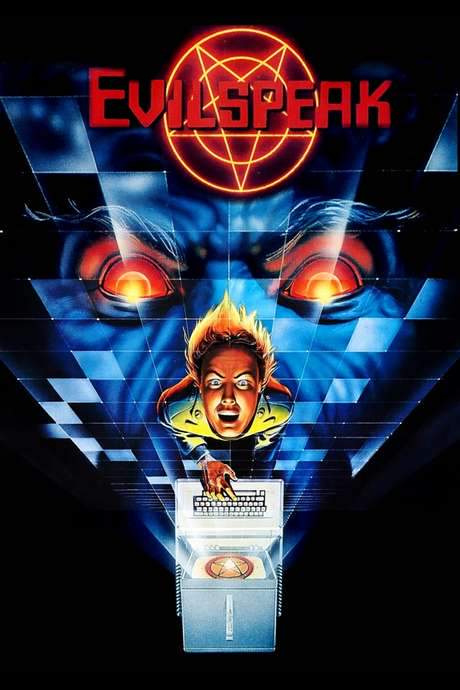
That same night, a message flickers on Johnny’s computer, claiming it can see him and noting the black shirt he wears. Soon after, an electronic voice calls and chats with him, asking what all the arguing in the distance was about. Johnny admits there were “bad things.” The voice then requests permission to enter the real world to stop those bad things. Johnny reluctantly agrees, and blood unexpectedly pours from his ear as the machine tightens its grip on his life.
In a strange turn of events, Johnny’s aggressive, loud neighbor suddenly bursts into flame, an eerie sign of the power now at work around him. The four assailants later confront him again, labeling him a rat. Johnny reveals information he uncovered from the main antagonist Dirk’s phone, and the electronic voice offers to help. Dirk bursts into flames in a dramatic, supernatural moment that hints at the machine’s dangerous reach.
Soon after, Johnny appears to find a unsettling harmony with his father, as if the device’s control is also shaping their relationship. The voice claims it wants to help Johnny’s father as well, saying it is spreading and will kill him if it isn’t stopped. Johnny refuses to let it proceed, insisting on protecting his father at all costs. The voice taunts him, suggesting that Johnny sounds like a bad man, and when Johnny refuses again, the machine presses on. In a desperate sprint, Johnny unplugs everything he can reach and bolts from the apartment, with a vague, humanoid electrical presence in pursuit. Johnny pleads for the threat to leave his father alone and begs the machine to choose another path.
The scene shifts to a stark, desolate landscape. A car moves through the mountains, and a masked man is strapped into the back of a van. It is revealed to be Johnny, who is being transported to a facility where Dr. Wright [Ross Partridge] awaits. Johnny sits across from the scientist, who eyes him with a mix of clinical curiosity and ambition. Wright speaks of opportunities to rise within the system, and Johnny’s defiant spit in the scientist’s face earns him a brutal punch. A guard in black — Jones — escorts him to Block 10, a stark ward filled with bunk beds and inmates dressed in hospital gowns.
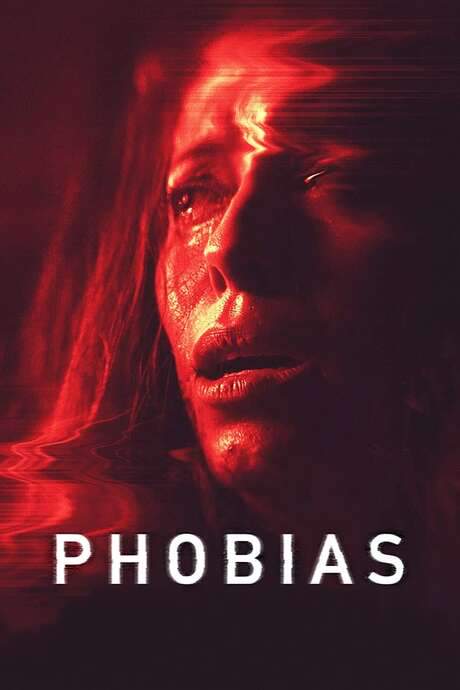
Within this clinical setting, Alma [Martina García], Emma (the scarred patient), Renee (wrapped in bandages), and Sami (preparing for her session) line the crowded room. Dr. Wright explains a brutal, unnerving experiment: to extract fear and weaponize it as a potent gas. Sami is strapped into a machine; electricity crackles around her as the machine streams into her memories, a process the team calls Vehophobia.
Sami’s memories center on a failed relationship with Harry. She claims the break-up wasn’t because of intent but a terrible accident, though she’s accused of using him. He refuses to help her, and she’s left to confront the lingering guilt and fear that haunt her. Back in the car outside, the world grows increasingly hostile—the radio crackles into static, the windows slide down on their own, and a shadowy presence seems to loom in the back seat. Sami’s attempts to reach out are mirrored by a car that behaves as if it has its own will.
Her memories unsparingly cut to a violent moment: she and Harry plan a robbery, wearing balaclavas and driving in a getaway car. When a man refuses to hand over money, Harry’s threat escalates, and Sami ends up running the man over and, later, discovering the body hidden in the trunk of the wrecked vehicle. The present moment returns as Sami experiences a convulsive fit as the machine shorts out. Dr. Wright notes that they have gained some of what they need, even as the room trembles with the aftershocks of fear.
Emma’s session follows, and she stirs with a sense of unease. Something in the closet seems to flicker, drawing the others’ attention. They explain that Emma has endured too many Shrinker sessions—the weaponized device used to trap fear—and Alma urges her to speak openly, arguing that vocalizing her fear weakens the machine’s grip.
Throughout these scenes, the facility’s grim atmosphere underscores the chilling concept at the heart of the story: fear can be extracted, weaponized, and used against people who would prefer to be free of it. The film layers memory, manipulation, and coercion into a tense meditation on trauma, control, and the costs of seeking safety in a world where fear can be engineered and weaponized.
If you’re drawn to stories that fuse psychological dread with science-fiction anxiety, this portrait of robophobia invites you to watch as fear becomes a tangible force, bending lives and loyalties in unexpected and often terrifying ways. The threads of Johnny’s defiance, Dr. Wright’s unsettling ambitions, and the fragile psyches of Alma, Emma, Sami, and Renee intersect in a chilling hymn to the power of fear—and the human struggle to reclaim agency in the face of it.