Plot Explained Spoilers guaranteed!
Plot Explained

Browse by genre

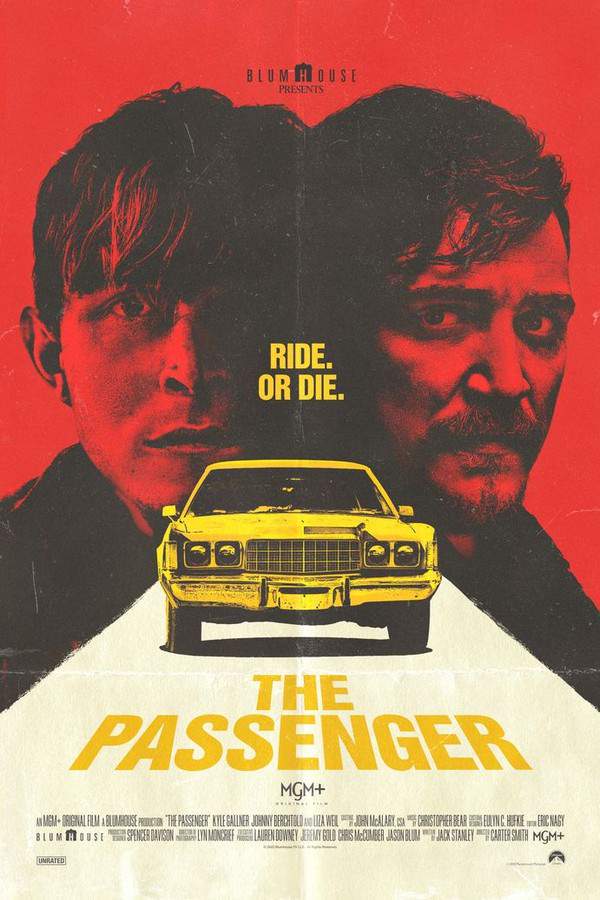
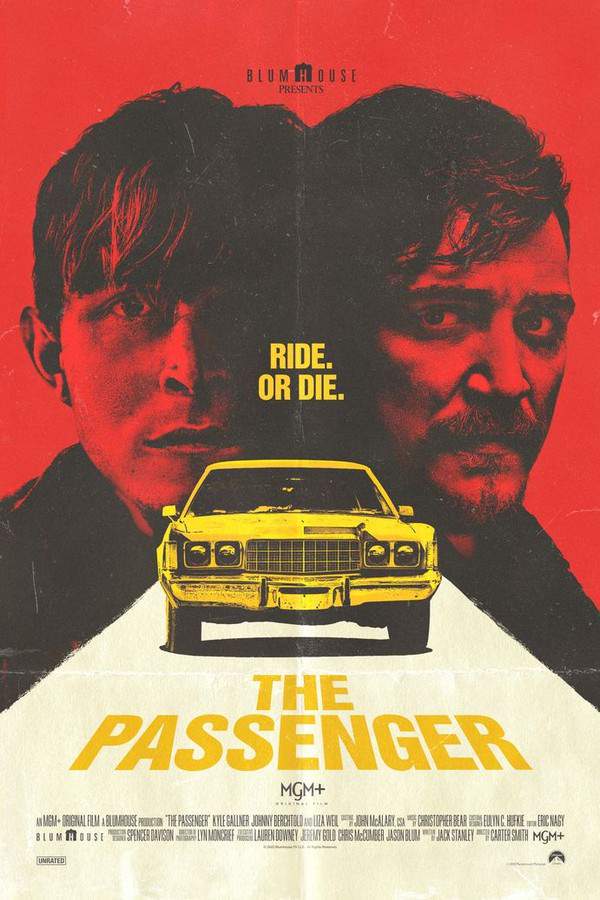
The Passenger (2023) movie poster

Ending Explained

The Passenger (2023) Ending Explained – Final Scene & Meaning

Release, runtime and language
2023 · 94 min · English
Echo score 71
Loading streaming availability…
Directed by
Carter Smith
Starring
Kyle Gallner, Billy Slaughter, Morgana Shaw, Johnny Berchtold, Liza Weil, Sue Rock

Randy prefers to remain unnoticed, but his quiet workplace descends into chaos when a coworker's violent outburst unleashes devastation. Forced to confront his own difficult past, he must fight to survive and discover the dark forces behind the sudden rampage.

On this page (7)
  1. 1 Where to watch
  2. 2 What happens at the end
  3. 3 Final events in order
  4. 4 Ending questions answered
  5. 5 Movie threads
  6. 6 Movies like The Passenger
  7. 7 Every angle
Loading streaming availability…

Ending explained · contains spoilers

What Happens at the End of The Passenger?

How The Passenger (2023) ends, what the final scene means, which earlier moments set it up and how to read the ending if the film leaves it open. The full ending explained, with every spoiler.

In the final moments of The Passenger, we see a transformation in Randy’s character. After enduring and surviving Benson’s violent rampage and the chaos of their joint escape, Randy begins to show signs of personal growth. The film reveals that both men carry deep childhood traumas—Benson’s rooted in a violent incident from his early years, and Randy’s in a tragic act of accidental violence involving his teacher during second grade. Benson’s uncontrollable rage and violence seem to stem from his past abuse, while Randy’s inability to react has been shaped by the guilt and remorse over his childhood accident.

Despite Benson’s confident brutality, it’s clear that he is not the in-control predator he appears to be; rather, he’s haunted by his childhood trauma, which ultimately overpowers him. When Randy confronts Benson during their final encounter and urges him to stop, Benson’s internal conflict erupts, leading him to shoot Randy in the shoulder. However, after finally realizing that Randy had called the police, Benson’s violence subsides, and he is shot dead by the police, showing that his own past and unresolved issues dominate his actions.

In contrast, Randy’s assault and captivity become catalysts for change. He begins to find a sense of confidence and purpose, reconnecting with the kindness of Miss Beard and developing a better relationship with his mother. The act of gifting the toy crocodile to Tessa symbolizes his emotional growth and newfound ability to connect with others. The ending suggests that Randy has begun to confront and accept his past, turning his trauma into a source of strength and moving towards a healthier future. The film concludes with a quiet note of hope, illustrating that even in the darkest circumstances, healing and transformation are possible.

Last updated: June 25, 2025 at 09:01

Was this helpful?

The last 4 events

How The Passenger Ends: The Final Events in Order

The last events of The Passenger (2023) in chronological order, the run-up to the ending explained above. The complete timeline has all 15 events, scene by scene.

Open the full timeline
  1. Benson's Violent Reaction

    As they attempt to escape the diner, the situation escalates when the waitress confronts Benson, leading him to shoot her in a fit of anger. This act initiates the arrival of police sirens, bringing their chaotic day to a critical moment.

    Where
    Diner
  2. Randy Confesses

    Wounded in the chaos, Randy confesses to pulling the fire alarm, revealing his role in alerting the police. This act signifies his newfound courage and the shifting dynamics between him and Benson.

    Where
    Diner
  3. Benson's Downfall

    Facing the inevitable conclusion to his violent spree, Benson reflects on his life and inner turmoil. He steps outside, committing suicide by cop, leaving Randy to grapple with the consequences of their actions.

    Where
    Diner
  4. Randy's New Beginning

    Later, Randy displays his growth as he plays with Mrs. Beard's daughter and stands up to his overbearing mother during a phone call. This moment encapsulates his transformation into a happier, more assertive individual ready to take control of his life.

    Where
    Mrs. Beard's Home

Ending questions answered

The Passenger Ending: Your Questions Answered

The questions people ask most about the ending of The Passenger (2023): what the final scene means, how the twist works, what happens to each character and how to read the ending. Each answer contains spoilers.

Q1

Why does Benson shoot Randy in the shoulder during their final confrontation?

Benson shoots Randy in the shoulder when Randy finally confronts him and urges him to stop the violence. This eruption represents Benson's internal conflict reaching its breaking point, he cannot reconcile his need for control with Randy's unexpected defiance. However, this act of violence against Randy is precisely what causes Benson to lose control entirely, leading to his ultimate downfall when police arrive.

Foreshadowing: Earlier scenes establish Benson's pattern of using violence to maintain dominance over those he considers weak.

  • benson
  • randy
  • shooting
  • shoulder
  • confrontation
  • final encounter
Q2

What happens to Benson at the end of The Passenger?

Benson is shot and killed by police at the conclusion of the film. After he shoots Randy and discovers that Randy had secretly called the police, Benson's violent rampage subsides, his internal trauma overwhelms him and he becomes paralyzed. The police, seeing the armed and dangerous Benson, shoot him dead, ending his reign of terror.

Foreshadowing: Benson's inability to control his emotions throughout the film foreshadows his ultimate inability to respond when confronted with the consequences of his actions.

  • benson
  • death
  • police
  • killed
  • ending
  • rampage
Q3

What is Randy's childhood trauma in The Passenger?

Randy's childhood trauma stems from an accidental act of violence he committed in second grade. He accidentally hurt his teacher, an incident that left him with profound guilt and remorse. This tragedy shaped his inability to react in crisis situations and his pattern of remaining passive, a psychological wound that Benson exploits throughout the film.

Foreshadowing: Randy's hesitance to act during the initial shooting spree connects directly to this childhood incident.

  • randy
  • childhood trauma
  • second grade
  • teacher
  • accident
  • guilt
Q4

What does the toy crocodile symbolize at the end of The Passenger?

The toy crocodile that Randy gifts to Tessa symbolizes his emotional growth and newfound ability to connect with others. Previously unable to express emotions or form meaningful connections, Randy's act of giving the toy represents his transformation from a passive, traumatized man into someone capable of showing kindness and forming relationships, a clear sign of his healing journey.

Foreshadowing: Randy's early interactions with Tessa are distant and awkward, making his later gesture more meaningful.

  • toy crocodile
  • tessa
  • symbol
  • gift
  • emotional growth
  • healing
Q5

Does Randy survive the events of The Passenger?

Yes, Randy survives the film. Although Benson shoots him in the shoulder during their final confrontation, Randy's injuries are not fatal. The ending shows him recovering and embarking on a path toward healing, having successfully confronted both his captor and his traumatic past.

Foreshadowing: The film's narrative arc builds toward Randy's survival and transformation rather than his death.

  • randy
  • survives
  • injury
  • shoulder
  • lives
  • ending
Q6

Why does Benson stop his attack when he realizes Randy called the police?

Benson's sudden cessation of violence when he learns Randy called the police reveals the depth of his psychological collapse. Throughout the film, Benson presents himself as a confident predator in control, but his violent outburst is actually driven by unresolved childhood trauma. When faced with the consequences of his actions, police arriving, his carefully constructed facade shatters, and his trauma overtakes him, leaving him paralyzed and vulnerable.

Foreshadowing: Benson's inconsistent emotional states throughout the film hint at underlying psychological instability.

  • benson
  • police
  • stops
  • attack
  • psychology
  • trauma
  • collapse
Q7

How does Randy change by the end of The Passenger?

Randy undergoes significant personal transformation throughout the film. Initially a passive man who avoids attention and struggles to act in crisis situations due to his childhood trauma, Randy is forced to confront his past and find inner strength during Benson's rampage. By the end, he demonstrates newfound confidence, reconnects with Miss Beard, improves his relationship with his mother, and is able to express emotion through gestures like giving the toy crocodile to Tessa.

Foreshadowing: Randy's initial passive behavior gradually shifts as he is forced to make decisions under extreme pressure.

  • randy
  • character growth
  • transformation
  • confidence
  • healing
  • development
Q8

What is Benson's childhood trauma in The Passenger?

Benson's uncontrollable rage and violence stem from childhood abuse he experienced in his early years. The film reveals that his violent behavior is not a calculated choice but rather a manifestation of unresolved trauma from his past. Unlike the controlled predator he appears to be, Benson is haunted by his childhood, and this trauma ultimately dominates his actions and leads to his downfall.

Foreshadowing: Benson's unpredictable emotional outbursts and references to his past hint at deep-seated psychological wounds.

  • benson
  • childhood trauma
  • abuse
  • violence
  • rage
  • psychology
Q9

Does Randy reconcile with his mother at the end?

Yes, Randy develops a better relationship with his mother by the end of the film. The trauma he experiences during Benson's rampage and his subsequent survival become catalysts for change in his personal life. His journey toward healing allows him to reconnect with his mother in a way that was previously impossible, representing one of the positive outcomes of his transformation.

Foreshadowing: Early scenes suggest tension or distance in Randy's relationship with his mother.

  • randy
  • mother
  • reconciliation
  • relationship
  • family
  • healing
Q10

What does the ending of The Passenger imply about healing and transformation?

The ending suggests that healing and transformation are possible even from the darkest circumstances. Randy's journey demonstrates that confronting past trauma, rather than suppressing it, can lead to personal growth and meaningful connections with others. The film concludes with a quiet note of hope, illustrating that trauma can become a source of strength when actively faced, though the path to healing comes at significant personal cost.

Foreshadowing: The contrast between Randy's initial passivity and his final actions foreshadows the transformative power of facing one's fears.

  • healing
  • transformation
  • trauma
  • hope
  • ending
  • meaning
  • growth
Q11

Is the ending of The Passenger hopeful or bleak?

The ending is bittersweet. Randy achieves significant personal growth, freedom, and the ability to form meaningful connections, he overcomes his trauma and finds confidence. However, this resolution comes at immense cost: multiple people have been killed, including several coworkers, and Benson dies in a violent confrontation. The film acknowledges this duality, offering hope for Randy's future while recognizing the tragedy that made his transformation possible.

Foreshadowing: The tonal shift from intense violence to quieter moments of connection prepares viewers for this nuanced conclusion.

  • ending
  • bittersweet
  • hopeful
  • bleak
  • resolution
  • tone

Movie threads

More Movies Like The Passenger, by Mood & Story

Curated lists built around what makes The Passenger tick: the same mood, the same kind of story or the same emotional payoff. Each list explains why these movies belong together.

Movies about survival through traumatic crucibles like The Passenger

Characters are forged in violent fires, confronting their painful pasts to survive. If you liked The Passenger for its intense exploration of trauma through violence, you'll find similar movies here. These films feature characters forced to confront their pasts in high-stakes survival scenarios, blending psychological horror with deep emotional journeys.

  • traumatic
  • violent
  • unsettling
  • pained
  • psychological
  • oppressive
  • Tone: dark, traumatic, unsettling
  • Pacing: variable, with bursts of violence
Why these movies?

The story pattern: A protagonist, often marked by a painful past, is unwillingly plunged into a life-or-death scenario. A volatile antagonist or mentor forces them to grapple with their deepest fears and memories. The narrative journey is one of painful empowerment, where survival is inextricably linked to psychological confrontation.

Why they belong together: These films are grouped by their shared focus on trauma as a catalyst for violent, coerced growth. They balance high-intensity horror with heavy emotional weight, creating a specific pattern where external chaos forces internal reckoning.

Claustrophobic psychological horror movies similar to The Passenger

Stories where oppressive settings and psychological pressure create an anxious, suffocating dread. Fans of The Passenger's anxious, oppressive vibe will appreciate these movies. They share a focus on claustrophobic settings, psychological unease, and unpredictable violence, creating a deeply unsettling and immersive horror experience that lingers long after the credits roll.

  • claustrophobic
  • anxious
  • oppressive
  • unsettling
  • psychological
  • tense
  • Tone: dark, oppressive, anxious
  • Pacing: variable, building tension
Why these movies?

The story pattern: The narrative often unfolds in a limited, inescapable space—a workplace, a building, a mind. The tension builds gradually through dialogue and psychological games, punctuated by sudden, brutal acts of violence. The focus is on the mental deterioration of the characters as they grapple with imminent threat.

Why they belong together: These films share a distinct mood cocktail: an anxious, oppressive, and claustrophobic atmosphere combined with psychological depth. The pacing might vary, but the core experience is one of sustained, suffocating dread and unsettling character dynamics.

If you liked this

Movies Like The Passenger

Similar movies to The Passenger: the same genre, themes or kind of story. Each one comes with its own plot summary, timeline and ending explained.

Browse all movie summaries

Every angle

The Passenger (2023) Explained: Plot, Ending, Timeline & Characters

Everything about The Passenger in one place: what happens in the plot summary, the timeline in chronological order, the characters and meaning, the ending explained and a spoiler-free summary. What's After the Movie adds the cast, box office and post-credit scenes.

Coming soon on iOS and Android

The Plot Explained Movie Summary App

Plot summaries, endings explained and timelines on your phone. Catch up on any movie in minutes, save your favorites and never miss a twist again.

Be the first to know when we launch. Your email stays private, always.

Learn more about the app