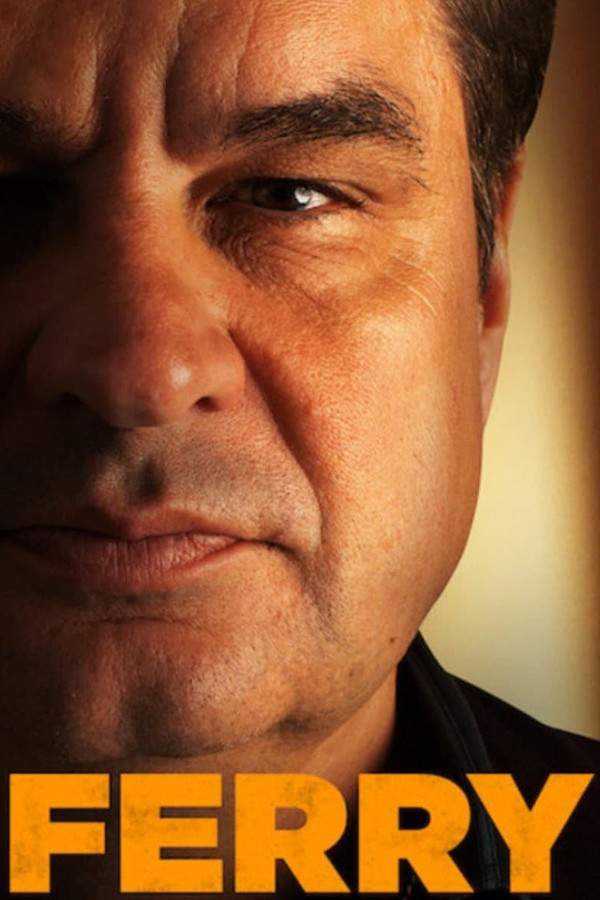
Poland, 1981, sits in the grip of a growing economic and political crisis as a Wilanów ferry sets sail from Świnoujście to Hamburg, carrying passengers who dream of a Westward escape. The voyage, framed by a routine route through the Baltic ports, becomes a tense microcosm of a nation on edge. On board, the mood shifts from routine chatter to a heavy, unspoken anxiety as the ship nears its first port, with many travelers secretly planning to disembark in the West and start anew.
The situation darkens when news arrives: martial law is declared and an order is issued to return to the country. Panic erupts among the passengers, and the atmosphere shifts from anticipation to defiance as some begin to lower lifeboats themselves, determined not to be forced back. The sense of unease deepens when German cutters close in and start broadcasting from megaphones about the crackdown and the real situation in Poland, turning the vessel into a floating stage for fear, anger, and contested loyalties.
As the chaos unfolds, the film foregrounds a specific, high-stakes thread: the ship becomes a moving ground for political intrigue. The central figure is a high school teacher, [Marek Ziarno], who must smuggle crucial NSZZ Solidarność documents to the West. His mission pits him against the Służba Bezpieczeństwa (SB) agents aboard the ferry, who do everything in their power to halt the transfer of information and to neutralize the threat to their control. The tension between Marek and the security forces unfurls against the backdrop of crowded decks, quiet corridors, and the claustrophobic pressure of the vessel where every gesture could reveal a plan or endanger a life.
The drama is not only political but deeply human. Passengers face moral choices under extreme pressure, balancing personal safety with a sense of duty to a broader cause. The crew, the bystanders, and Marek’s precarious task intersect in moments that feel both intimate and monumental, showing how ordinary people are drawn into a historic struggle they did not choose but must navigate. The film paints a portrait of courage, fear, and the delicate line between staying and fleeing when the state clamps down.
In one of the film’s defining images, the ferry reaches an almost abandoned port, and the frame tightens on those who could not escape: the remaining crew, a handful of steadfast passengers, and a dog, all left to confront the sea and the consequences of a nation’s sudden turn in its course. The narrative threads together personal bravery with political peril, weaving a story that remains faithful to the historical moment while focusing on the human cost of choosing between loyalty to a cause and the instinct to survive.
Overall, the film blends documentary-like precision with piercing character drama, delivering a gripping, morally dense portrait of a country between two futures. It invites viewers to consider not only the external forces pushing a society toward upheaval but also the intimate choices that define what people are willing to risk when the world they know is abruptly upended. The result is a somber, iterative meditation on freedom, authority, and the fragile line separating flight from fate aboard a ferry that becomes a moving microcosm of a nation in crisis.