
















Plot Explained Spoilers guaranteed!
Plot Explained

Browse by genre

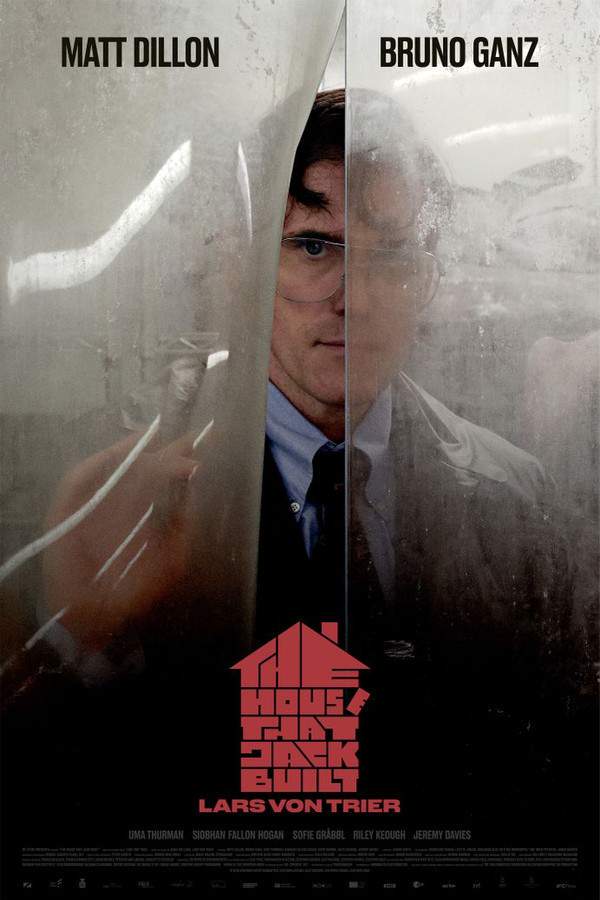
The House That Jack Built (2018) movie poster

Timeline

The House That Jack Built (2018) Timeline Explained – Every Event in Order

Release, runtime and language
2018 · 152 min · English
Echo score 57
JustWatch #4,784 6
Directed by
Lars von Trier
Starring
Riley Keough, Ji-tae Yu, Ed Speleers, Bruno Ganz, Matt Dillon, Uma Thurman
Budget
$8.7M

A darkly comedic and surreal film, it follows Jack, portrayed by Matt Dillon, as he recounts five intricately planned murders. Each crime is presented as a carefully constructed work of art, blurring the lines between creation and destruction. The film delves into themes of violence, the artistic process, and the complexities of the human condition through a provocative and unconventional narrative.

On this page (6)
  1. 1 Where to watch
  2. 2 Events in order (13)
  3. 3 Timeline questions answered
  4. 4 Movie threads
  5. 5 Movies like The House That Jack Built
  6. 6 Every angle

Where to watch

Where to Watch The House That Jack Built (2018)

Where can you watch The House That Jack Built? Stream, rent or buy it in the US, including on AMC+, Philo and Shudder: current JustWatch availability with up-to-date prices.

Streaming availability powered by JustWatch

13 events in order · contains spoilers

The House That Jack Built Timeline: Events in Chronological Order

Every key event of The House That Jack Built (2018) in order, scene by scene, with when and where it takes place. Use it to untangle flashbacks, time jumps and parallel storylines, to refresh your memory before the sequel or to find the exact scene you are thinking of.

  1. First Encounter with Lady 1

    Jack meets a stranded woman, known as Lady 1, while driving. They share light-hearted conversation, but Jack's sinister intentions come to light when he helps her under the pretense of a mechanic, ultimately leading to her brutal murder.

    Where
    Secluded roadside
  2. Murder of Lady 1

    Using a tire jack, Jack kills Lady 1 and stores her body in an industrial freezer. The secluded nature of the location keeps her disappearance under wraps, as law enforcement remains oblivious to his crime.

    Where
    Industrial freezer
  3. Deception of Lady 3

    Adopting a new disguise, Jack approaches another woman, Lady 3, claiming to be a police officer. As the situation escalates, he cunningly lures her into a trap, revealing his true nature through deception and violence.

    Where
    Lady 3's home
  4. Strangulation of Lady 3

    After an initial struggle, Jack resorts to choking Lady 3 before fatally stabbing her. As police grow suspicious, he hastily disposes of her body while the rain unwittingly cleans up his bloody tracks.

    Where
    Lady 3's home
  5. Murder of Jacqueline and Her Sons

    Jack invites his girlfriend Jacqueline and her two sons under the guise of teaching them to hunt. Instead, he savagely murders the boys from a distance and ultimately drives a dagger into Jacqueline, highlighting his ruthless nature.

    Where
    Wooded area
  6. Jack's Confession to Jacqueline

    After meeting Jacqueline, Jack boasts about his supposed murderous exploits, claiming to be the infamous 'Mr. Sophistication.' His obsession with depicting violence, marked by red circles around her, foreshadows her tragic fate.

    Where
    Jack's residence
  7. Brutal Display of Jacqueline's Body

    Jack's depravity reaches new heights when he severly mutilates Jacqueline's body post-murder. In a grotesque display, he attaches her breast to a police car, showcasing the unfathomable depths of his madness.

    Where
    Police car
  8. The Intended Massacre

    In a brooding moment, Jack manages to capture six victims, planning to execute them with a single bullet. As he attempts to secure ammunition, he realizes that his preparation is insufficient, setting the stage for chaos.

    Where
    Abandoned warehouse
  9. Acquisition of Bullets

    Desperately seeking bullets, Jack meets with S.P. and engages in a deadly conflict. Although he acquires the necessary ammunition, his violent tendencies attract unwanted police attention.

    Where
    S.P.'s location
  10. Final Capture and Body House

    As law enforcement closes in, Jack dons S.P.'s red bathrobe in a futile attempt to escape. Ultimately captured, he spirals into further madness while constructing a grotesque house out of his victims’ bodies.

    Where
    Makeshift hideout
  11. Journey Through Hell

    In the epilogue, Verge, representing Virgil, guides Jack through a hellish landscape. The allegorical journey showcases Jack's reflective descent as he confronts the consequences of his heinous actions.

    Where
    Infernal landscape
  12. The Broken Bridge

    During their trek, Jack discovers a precarious broken bridge that leads away from his despair. Despite Verge's warnings, he recklessly ventures forth, symbolizing his reckless disregard for life and consequence.

    Where
    Cliffs of Hell
  13. Plunge into Hell

    Defying warnings, Jack attempts to climb the treacherous cliffs but ultimately slips, descending into the fiery depths. This act seals his faith in the hell he has created through his monstrous decisions.

    Where
    Fiery abyss

Last updated: November 07, 2024 at 22:58

Was this helpful?

Timeline questions answered

The House That Jack Built Timeline Explained: Your Questions Answered

When does it happen, and why in that order? The questions people ask about the chronology of The House That Jack Built (2018): time jumps, flashbacks, cause and effect between scenes and the correct order of events, each answered with spoilers.

Q1

Why does Jack view his murders as art pieces?

Jack sees his murders as artistic creations because he believes in 'ruling the world' through meticulous planning and execution. Each killing is carefully orchestrated with specific methods, disguises, and disposal techniques. He names his persona 'Mr. Sophistication' and treats each murder as a distinct work that demonstrates his control and creativity. This twisted worldview allows him to justify his actions as something beyond mere crime.

Foreshadowing: Jack's obsession with precision is established in the first incident when he specifically prepares an industrial freezer for storing bodies.

  • serial killer
  • murder art
  • mr sophistication
  • psychology
Q2

Who is Verge and what is his role in the story?

Verge is revealed to be Virgil, the guide through Hell in Dante's Inferno. He serves as Jack's philosophical interlocutor throughout the film, engaging in debates about ethics, creativity, and human nature. In the epilogue, Verge literally guides Jack through the branches of Hell, representing the moral conscience Jack constantly rejects. His presence transforms the narrative from a crime story into an allegorical descent.

Foreshadowing: Verge's mysterious demeanor and philosophical bent hint at his otherworldly nature from his first appearance.

  • verge
  • virgil
  • dante inferno
  • hell
  • guide
Q3

Why does Jack tell Jacqueline about being a serial killer?

Jack confesses to Jacqueline because he views her as someone he can trust with his 'true self.' He boasts about killing sixty people as 'Mr. Sophistication,' believing she will accept him unconditionally. His confession is also part of his need for validation, he wants someone to acknowledge his 'artistic' achievements. However, Jacqueline dismisses it as empty bragging, which frustrates Jack and ultimately leads to her marked fate.

Foreshadowing: Jack's need for recognition and acceptance is visible in his philosophical discussions with Verge throughout the film.

  • jacqueline
  • confession
  • mr sophistication
  • trust
Q4

What do the red circles Jack draws on Jacqueline represent?

The red circles are Jack's way of 'marking' his victims before killing them, similar to how an artist prepares a canvas. He explains to Jacqueline that he has marked sixty people before, indicating this is his ritualistic approach to planning murders. The circles represent his victims-to-be, transforming Jacqueline from a partner into just another piece in his artistic collection.

Foreshadowing: Jack's methodical approach to murder is established in his careful preparations for each previous incident.

  • red circles
  • marking victims
  • ritual
  • killing method
Q5

Why does Jack murder Jacqueline's two sons during the hunting trip?

Jack uses the hunting lesson as a calculated ruse to get Jacqueline and her sons Grumpy and George into an isolated wooded area. Once there, he kills the boys first with a sniper rifle from a distance, then turns on Jacqueline. This incident demonstrates Jack's complete disregard for any personal connection, he treats his own girlfriend's children as collateral damage in his murderous 'art.'

Foreshadowing: Earlier, Jack mentions to Jacqueline that he could kill anyone, showing his inability to form genuine emotional bonds.

  • grumpy
  • george
  • hunting trip
  • murder children
Q6

What is the significance of Jack building a house out of bodies?

The body house represents Jack's ultimate artistic statement, a physical manifestation of his twisted philosophy that murder equals creation. After being captured, he constructs this grotesque structure, which mirrors the film's title 'The House That Jack Built.' Just as a house provides shelter, Jack believes his victims give him permanence and meaning. The house becomes his legacy and final 'masterpiece' before his descent into Hell.

Foreshadowing: Jack's obsession with creation and construction runs throughout the film, particularly in his discussions about building versus destroying.

  • body house
  • creation
  • legacy
  • masterpiece
  • house built
Q7

What does the broken bridge symbolize in Jack's descent into Hell?

The broken bridge represents the last opportunity for escape or redemption that Jack deliberately rejects. Verge warns him that the treacherous climb is dangerous, but Jack chooses to ignore this advice and attempt the perilous crossing anyway. His refusal to listen to counsel and his continued pursuit of his own path, regardless of consequence, symbolizes his fundamental flaw: the inability to accept guidance toward anything other than destruction.

Foreshadowing: Throughout the film, Jack consistently dismisses Verge's philosophical arguments and moral guidance.

  • broken bridge
  • redemption
  • choice
  • danger
  • virgil warning
Q8

Why does Jack kill Lady 1 after helping her with her car?

Jack kills Lady 1 because he sees an opportunity and cannot resist his compulsion. After helping her fix her tire, he deliberately makes it fail again so she will accept another ride. This demonstrates his predatory nature, he uses kindness as a disguise to lure victims. The murder is methodical: he uses the tire jack he just used to help her as the murder weapon, then hides her body in an industrial freezer he specifically prepared for such occasions.

Foreshadowing: The opening scene establishes Jack's dual nature: friendly helper and calculated killer.

  • lady 1
  • tire jack
  • predator
  • disguise
  • freezer
Q9

Why does Jack display Jacqueline's body parts on a police car?

Jack's mutilation of Jacqueline's body represents his ultimate expression of contempt and artistic provocation. By severing her breast and attaching it to a police car, while making a wallet from the other, he deliberately challenges and taunts authority. This act transforms his murder into a statement against law enforcement, turning his 'art' into a direct confrontation with the society that hunts him.

Foreshadowing: Jack's disdain for the police is evident throughout the film, especially in his discussions with Verge about justice and order.

  • breast
  • police car
  • mutilation
  • taunt
  • provocation
Q10

Why does the film focus on exactly five murders?

The film structures itself around five specific incidents because Jack views each as a distinct 'work' in his artistic progression. The number five likely references Dante's Divine Comedy, which is divided into five canticas. These five murders represent Jack's complete artistic journey, from opportunistic first kill to his most elaborate planned massacre, culminating in his metaphorical descent through the five circles of Hell.

Foreshadowing: The epilogue's Katabasis (descent into Hell) directly references Dante's structure.

  • five incidents
  • dante
  • canticas
  • artistic progression
  • murder count
Q11

Why does Jack use different disguises to approach his victims?

Jack uses disguises because he views each murder as a theatrical performance requiring different roles. For Lady 3, he poses as a police officer with information about her husband's pension, then transitions to an insurance agent. These personas allow him to gain victims' trust and access to their homes. The disguises represent his belief that every murder is a new 'creation' requiring careful staging and character work.

Foreshadowing: Jack's theatrical mindset is evident in how he describes each incident as a separate 'work' with unique elements.

  • disguise
  • police officer
  • insurance agent
  • performance
  • staging
Q12

Why does Jack fall into Hell at the end of the film?

Jack falls into Hell because he created it through his own actions, Hell is literally his own consequence. Despite Verge's guidance and warnings, Jack consistently chooses violence and destruction over redemption. His attempt to cross the broken bridge while ignoring advice represents his final act of hubris. The film concludes that Jack's soul is damned not by external judgment but by the inescapable weight of his own monstrous decisions.

Foreshadowing: Verge's presence as Virgil establishes the Dante-inspired framework where souls face consequences matching their sins.

  • hell
  • fall
  • consequence
  • damnation
  • hubris
  • descend

Movie threads

More Movies Like The House That Jack Built, by Mood & Story

Curated lists built around what makes The House That Jack Built tick: the same mood, the same kind of story or the same emotional payoff. Each list explains why these movies belong together.

Serial Killers as Unreliable Artists like in The House That Jack Built

Stories where murder is framed as a dark and obsessive form of artistic expression. If you were fascinated by the artistic framing of violence in The House That Jack Built, you'll find similar themes in these movies. This collection features films where serial killers perceive their murders as a dark art form, blending crime with a disturbing philosophical and aesthetic justification.

  • unsettling
  • philosophical
  • cold
  • detached
  • provocative
  • intellectual
  • Tone: dark, cold, philosophical
  • Pacing: steady, deliberate
Why these movies?

The story pattern: Films in this thread often feature a protagonist or narrator who meticulously plans and executes violent acts, rationalizing them as a form of creation or purification. The narrative structure may be episodic, showcasing different 'works,' and is frequently accompanied by intellectual or philosophical monologues that challenge conventional morality.

Why they belong together: These movies are grouped by their unique approach to the serial killer genre, emphasizing the killer's artistic delusion and intellectual detachment over simple gore or suspense. They share a cold, provocative tone and a complex, often surreal, narrative that delves into themes of creation, destruction, and the nature of evil.
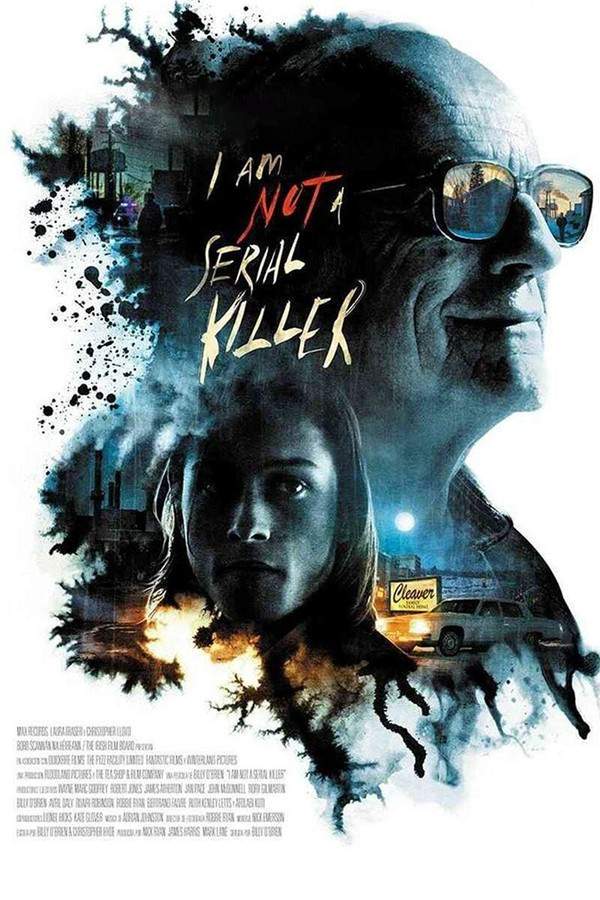
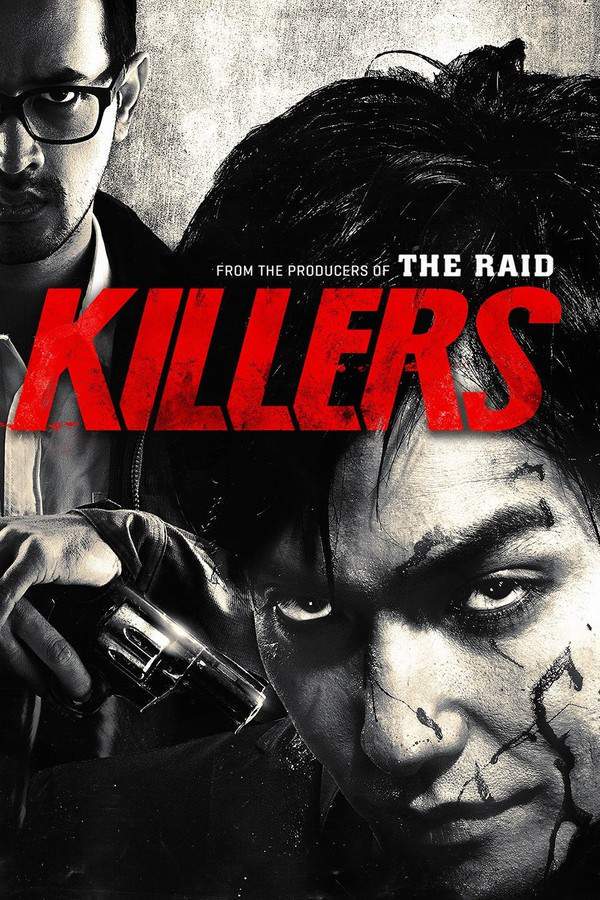
Surreal Descents into Damnation like in The House That Jack Built

A dark and philosophical journey through a surreal landscape towards a bleak fate. For viewers who appreciated the surreal, hell-bound narrative of The House That Jack Built, this thread gathers movies with similar journeys. These films feature bleak narratives where characters spiral downwards through a mix of reality and allegory, leading to an inescapably grim and philosophically heavy conclusion.

  • surreal
  • bleak
  • philosophical
  • unsettling
  • grim
  • apocalyptic
  • Tone: bleak, dark, surreal
  • Pacing: steady, building
Why these movies?

The story pattern: The narrative pattern involves a character's actions, often a series of transgressions, leading them through a progressively more surreal and symbolic world. The structure is less about linear plot and more about a thematic descent, culminating in a finale that represents their ultimate psychological or spiritual collapse, with no hope for redemption.

Why they belong together: These films are united by their bleak, philosophical outlook and their use of surrealism to externalize a character's internal damnation. They share a heavy emotional weight, a complex narrative structure that challenges reality, and an ending that offers no escape, leaving a lasting, unsettling impression.

If you liked this

Movies Like The House That Jack Built

Similar movies to The House That Jack Built: the same genre, themes or kind of story. Each one comes with its own plot summary, timeline and ending explained.

Browse all movie summaries

Every angle

The House That Jack Built (2018) Explained: Plot, Ending, Timeline & Characters

Everything about The House That Jack Built in one place: what happens in the plot summary, the timeline in chronological order, the characters and meaning, the ending explained and a spoiler-free summary. What's After the Movie adds the cast, box office and post-credit scenes.

Coming soon on iOS and Android

The Plot Explained Movie Summary App

Plot summaries, endings explained and timelines on your phone. Catch up on any movie in minutes, save your favorites and never miss a twist again.

Be the first to know when we launch. Your email stays private, always.

Learn more about the app