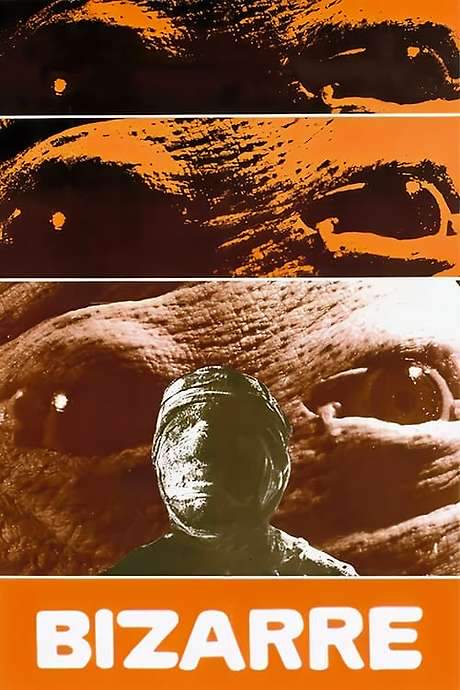
An opening sequence unfurls in dreamlike, almost ritualistic imagery: dancing women, monkey‑like figures flinching at a sudden flash of lightning, and native Brazilian drummers setting a primal tempo. Amid this eerie preludial mood, an old man begins chanting over a closed coffin. The coffin opens, and a man rises—Zé do Caixão—the enigmatic proprietor who will preside over the night with a chilling, almost ceremonial gravity. He is a figure both alluring and menacing, a doorway into darker impulses that the storm itself seems to conjure.
The setting shifts to an isolated inn named Hospedaria dos Prazeres (Hostel of Pleasures), where the proprietor advertises for staff to steward his guests as a fierce tempest rages outside. As night deepens and the storm intensifies, guests begin to arrive—though the proprietor has already informed some that there are no vacancies, a mystery that irks a wary wealthy patron who vows to summon the police. The guest list reads like a microcosm of vice and desperation: a bohemian gang of drunken motorcyclists; an adulterous couple; a man contemplating suicide; another couple in an embrace of passion; a crew of thieves recently finished with a robbery; and a cluster of gambling businessmen plotting a scheme to bankrupt a rival. In total, twelve souls occupy the inn that night, each carrying secrets, temptations, and the weight of the storm’s omen.
Throughout the hours that follow, the guests drift through their various pursuits—drinking, scheming, romances blooming or fizzling, and the hum of tension rising with the wind. By early morning, a chilling anomaly unsettles everyone: all their watches point to midnight, as if time itself has paused within the walls of the hostel. When they press the proprietor for answers, he reveals a macabre truth: the midnight they see marks the moment of their judgments, for the scenes of their deaths had already occurred before the clock struck twelve. The motorcyclists lie dead, victims of a drunken crash; the thieves lie slain by police after their heist; the corrupt businessmen burn in a blaze set by unseen hands. Time’s absence is presented as their eternal torment, a punishment tethered to their sins. The proprietor cautions them not to provoke him, for angering him would unleash his darker side—the Coffin Joe‑like figure that haunts the film’s first unsettling glimpse.
Dawn arrives with a different texture of dread. The wealthy patron returns with the police to the supposed site of the hostel, only to find a cemetery in place of the inn, a funeral underway beneath a pale light. The coffin that rose at the film’s opening lies here, the same one that once symbolized the host’s eerie authority. The scene unsettles into a grim, almost ceremonial procession across the graveyard. In the final measure, the proprietor strides through the burial ground, turning toward the camera as the image abruptly shifts to a skull wearing the same hat, blood coursing from empty eye sockets. The closing image seals the film’s dark meditation on fate, punishment, and an endless, watchful gaze that seems to outlive time itself.