



Plot Explained Spoilers guaranteed!
Plot Explained

Browse by genre

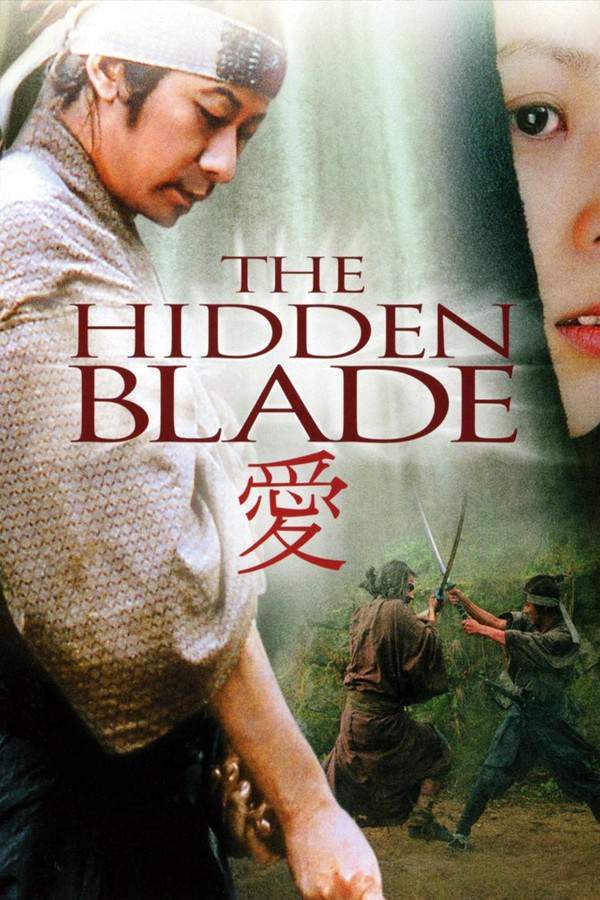
The Hidden Blade (2006) movie poster

Characters & Themes

The Hidden Blade (2006) Characters, Setting & Themes Explained

Release, runtime and language
2006 · 132 min · Japanese
Directed by
Yôji Yamada
Starring
Masatoshi Nagase, Takako Matsu

During feudal Japan, samurai Munezo Katagiri grapples with conflicting desires and rigid traditions. He finds himself drawn to his family's maid, Kie, initiating a forbidden romance he knows is unsustainable. Torn between personal longing and duty, Munezo must also confront his own mortality and learn the intricacies of artillery to challenge his former friend, Yaichiro, in a decisive battle.

On this page (8)
  1. 1 Where to watch
  2. 2 Characters explained (2)
  3. 3 Where & when it takes place
  4. 4 Themes & meaning (3)
  5. 5 Character & meaning questions
  6. 6 Movie threads
  7. 7 Movies like The Hidden Blade
  8. 8 Every angle

Where to watch

Where to Watch The Hidden Blade (2006)

Where can you watch The Hidden Blade? Stream, rent or buy it in the US, including on Hoopla, Kanopy and Rakuten Viki: current JustWatch availability with up-to-date prices.

Streaming availability powered by JustWatch

2 main characters · contains spoilers

The Hidden Blade Characters Explained: Who Is Who

The main characters of The Hidden Blade (2006), heroes and villains: what drives them, how they change over the course of the story and what each of them reveals about the film's bigger ideas.

  • Munezo Katagiri (Masatoshi Nagase)

    Munezo Katagiri embodies the struggle between duty and personal desire. A dedicated samurai, he is loyal to his clan, yet deeply affected by personal losses and his love for Kie. Katagiri's evolution throughout the story highlights his internal conflicts and the weight of his decisions as he ultimately renounces his samurai identity in search of redemption.

    • 🗡️ Samurai
    • ❤️ Love
    • 🤔 Conflict
  • Kie (Takako Matsu)

    Kie is a compassionate and resilient character who serves as the emotional anchor for Katagiri. Her journey from a housekeeper to a woman who endures the harsh realities of her new life showcases her strength and vulnerability. Kie's love for Katagiri is profound but complicated by societal expectations, making her a symbol of hope and change.

    • 🏡 Housekeeper
    • 💖 Resilience
    • 👩‍❤️‍👨 Love

Last updated: October 22, 2024 at 21:42

Was this helpful?

Setting

Where and When Does The Hidden Blade Take Place?

The setting of The Hidden Blade (2006): the year and time period, the places and locations, and how they shape the characters, the mood and the tension of the story.

Time period

1860s

The 1860s in Japan was a period of turmoil and transition, as the country faced internal strife and the impending end of the samurai era. This decade is marked by social upheaval, including uprisings against the ruling shogunate, reflecting the conflicts between tradition and modernization. The cultural consolidation of this time created tensions that deeply affected the lives of those like Katagiri and his fellow samurai.

Location

Japan, Edo, Ezo (Hokkaido)

The movie takes place in Japan during a time of significant cultural transformation. Edo, now known as Tokyo, serves as a pivotal backdrop for the story, representing both tradition and the encroaching influence of modernity. Ezo, the island that Katagiri eventually seeks refuge on, symbolizes a new beginning and serves as a contrasting landscape to the rigid samurai traditions he is leaving behind.

  • 🏯 Japan
  • 🏞️ Countryside

Last updated: October 22, 2024 at 21:42

Was this helpful?

3 major themes

The Hidden Blade Meaning: Themes & Message Explained

What is The Hidden Blade (2006) really about? The emotional, social and philosophical themes the film keeps returning to, its symbolism and the message beneath the surface.

  • Honor

    The theme of honor is central to the narrative, as Katagiri grapples with his samurai code in the face of betrayal and shame. His actions are driven by a deep desire to uphold the values of loyalty and justice, even when they conflict with his personal feelings. Ultimately, the tragic consequences of misplaced honor challenge the very foundation of samurai principles.

  • Love and Sacrifice

    The story poignantly explores love intertwined with sacrifice, particularly through Katagiri's relationship with Kie. Their bond transcends societal constraints, but the pressures of their class differences lead to difficult choices. In the end, their love motivates Katagiri to abandon his samurai status in pursuit of a more hopeful future.

  • Change

    Amidst the evolving backdrop of Japan, the theme of change pervades the film. Katagiri’s journey from a respected samurai to a tradesman symbolizes a rejection of outdated traditions. This theme is mirrored in the societal shifts of the 1860s, where characters must adapt or face dire consequences.

Last updated: October 22, 2024 at 21:42

Was this helpful?

Character & theme questions

The Hidden Blade Characters & Meaning: Your Questions Answered

The questions people ask about The Hidden Blade (2006): who the characters really are, their relationships, what the symbols mean, where it takes place and what the movie is really about. Each answer contains spoilers.

Q1

Where is The Hidden Blade set?

The film is set in Japan, primarily in Edo (modern-day Tokyo), which represents the heart of traditional samurai culture, and later in Ezo (present-day Hokkaido), which serves as a contrasting landscape symbolizing a new beginning away from the rigid samurai traditions.

  • japan
  • edo
  • ezo
  • setting
  • location
  • hokkaido
Q2

What time period does The Hidden Blade take place in?

The movie is set in the 1860s, a tumultuous decade in Japan marked by internal strife and the impending end of the samurai era, as the country grappled with conflicts between tradition and modernization.

  • 1860s
  • time period
  • historical era
  • meiji restoration
Q3

How does The Hidden Blade explore samurai honor?

The theme of honor is central to the narrative, as protagonist Munezo Katagiri grapples with his samurai code in the face of betrayal and shame. His actions are driven by a deep desire to uphold loyalty and justice, even when they conflict with his personal feelings, ultimately challenging the very foundation of samurai principles.

  • honor
  • samurai code
  • loyalty
  • katagiri
  • shame
Q4

What does The Hidden Blade say about love and social class?

The film poignantly explores love intertwined with sacrifice through Katagiri's relationship with Kie, his family's maid. Their bond transcends societal constraints, but the pressures of their class differences lead to difficult choices, motivating Katagiri to abandon his samurai status in pursuit of a more hopeful future together.

  • love
  • sacrifice
  • social class
  • kie
  • forbidden romance
  • maid
Q5

How does The Hidden Blade portray change and tradition?

Amidst Japan's evolving backdrop, the theme of change pervades the film. Katagiri's journey from a respected samurai to a tradesman symbolizes a rejection of outdated traditions. This theme mirrors the societal shifts of the 1860s, where characters must adapt or face dire consequences.

  • change
  • tradition
  • modernization
  • 1860s
  • society
Q6

Who is Munezo Katagiri?

Munezo Katagiri is the protagonist, a dedicated samurai who embodies the struggle between duty and personal desire. He is loyal to his clan but deeply affected by personal losses and his love for Kie. Throughout the story, he evolves as he ultimately renounces his samurai identity in search of redemption and a more meaningful life.

  • katagiri
  • protagonist
  • samurai
  • masatoshi nagase
Q7

Who is Kie in The Hidden Blade?

Kie is a compassionate and resilient housekeeper who serves as the emotional anchor for Katagiri. Her journey showcases both strength and vulnerability as she endures the harsh realities of her new life. Her love for Katagiri is profound but complicated by societal expectations, making her a symbol of hope and change.

  • kie
  • maid
  • takako matsu
  • love interest
  • supporting character
Q8

Why does Katagiri abandon his samurai status?

Katagiri renounces his samurai status primarily because of his love for Kie and his desire to escape the rigid, honor-bound traditions that have brought him only conflict and tragedy. His journey represents a personal transformation and rejection of outdated values in favor of personal freedom and love.

  • renounce
  • samurai status
  • freedom
  • love
  • kie
Q9

Why is the 1860s setting important to The Hidden Blade?

The 1860s setting is crucial because it was a period of turmoil and transition in Japan, marked by social upheaval and uprisings against the ruling shogunate. This era reflects the film's central conflicts between tradition and modernization, and the tensions created by cultural consolidation deeply affected the lives of samurai like Katagiri.

  • historical context
  • shogunate
  • social upheaval
  • meiji restoration
  • 1860s japan
Q10

What is the significance of Ezo compared to Edo in the film?

Edo represents tradition and the encroach ing influence of modernity, serving as the backdrop for the rigid samurai world Katagiri must navigate. Ezo, on the other hand, symbolizes a new beginning and freedom from the constraints of samurai society, representing the contrasting landscape Katagiri escapes to.

  • ezo
  • edo
  • contrast
  • settings
  • escape
  • hokkaido

Movie threads

More Movies Like The Hidden Blade, by Mood & Story

Curated lists built around what makes The Hidden Blade tick: the same mood, the same kind of story or the same emotional payoff. Each list explains why these movies belong together.

Movies about forbidden romance like The Hidden Blade

Heartfelt stories of love that defies strict social codes and traditions. If you enjoyed the forbidden love story in The Hidden Blade, explore other movies where romance blossoms against impossible odds. These films feature characters torn between their hearts and the rigid expectations of their society, leading to deeply emotional and bittersweet journeys.

  • forbidden romance
  • melancholic
  • heartfelt
  • duty vs desire
  • social constraints
  • emotional sacrifice
  • Tone: melancholic, bittersweet
  • Pacing: steady, deliberate
Why these movies?

The story pattern: Stories in this thread follow characters who fall in love with someone from a different social class, background, or circumstance, creating a conflict with their family, community, or personal code of honor. The narrative explores the sacrifices, secret meetings, and ultimate price of pursuing a love that society deems unacceptable.

Why they belong together: These movies are grouped together because they share a core narrative of forbidden romance, a melancholic tone driven by impossible choices, and a significant emotional weight. They focus on the internal struggle between desire and duty, creating a powerful and relatable emotional experience for the viewer.

Samurai dramas about honor and change like The Hidden Blade

Stories of principled fighters grappling with duty and obsolescence. For viewers who liked the samurai themes in The Hidden Blade, this list features similar stories of honorable warriors navigating personal codes of conduct. These movies explore the tension between tradition and progress, often set against a backdrop of a society in transition.

  • samurai
  • honorable
  • melancholic
  • changing times
  • personal code
  • reflective
  • Tone: reflective, somber, honorable
  • Pacing: steady, character-driven
Why these movies?

The story pattern: The narrative pattern involves a skilled warrior whose strict moral code is tested by new technologies, shifting political alliances, or a personal crisis that forces them to question their purpose. The journey often culminates in a decisive confrontation that is as much about internal validation as it is about external victory.

Why they belong together: These films share a specific mood of reflective melancholy and a world built on codes of honor. They feature a steady, deliberate pace that allows for deep character study and explore themes of personal honor, duty, and the painful transition from an old era to a new one.

If you liked this

Movies Like The Hidden Blade

Similar movies to The Hidden Blade: the same genre, themes or kind of story. Each one comes with its own plot summary, timeline and ending explained.

Browse all movie summaries

Every angle

The Hidden Blade (2006) Explained: Plot, Timeline & Characters

Everything about The Hidden Blade in one place: what happens in the plot summary, the timeline in chronological order, the characters and meaning and a spoiler-free summary. What's After the Movie adds the cast, box office and post-credit scenes.

Coming soon on iOS and Android

The Plot Explained Movie Summary App

Plot summaries, endings explained and timelines on your phone. Catch up on any movie in minutes, save your favorites and never miss a twist again.

Be the first to know when we launch. Your email stays private, always.

Learn more about the app