Year: 2004
Runtime: 129 min
Language: Japanese
Director: Yôji Yamada
Budget: $140M
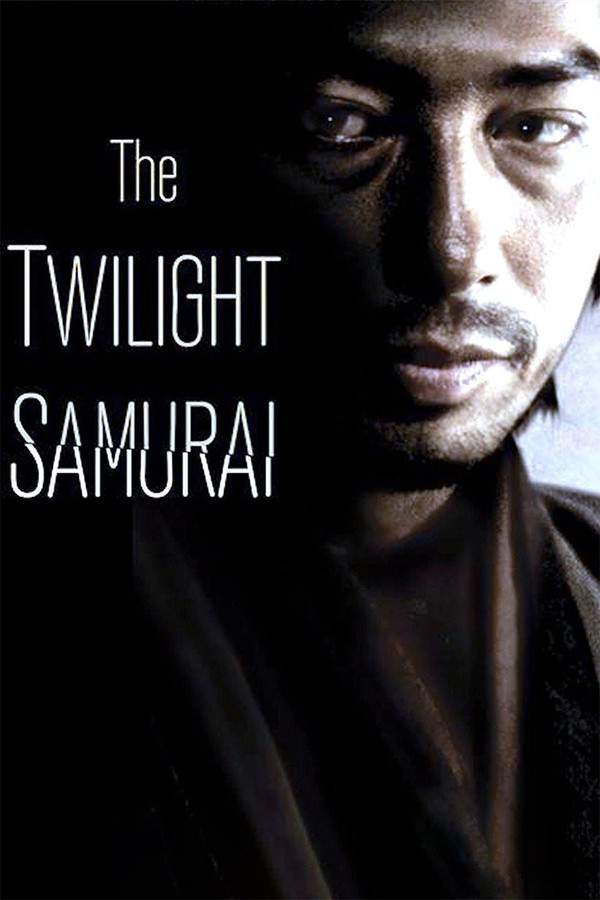
In 1860s Japan, Seibei is a former samurai living a quiet life as a bookkeeper in his rural village. Haunted by his past and yearning for the life of a warrior, he struggles to reconcile his current responsibilities with his former identity. The unexpected return of Tomoe, a childhood sweetheart, stirs up long-buried emotions and forces him to confront unresolved issues related to his family, career, and the rigid societal expectations of the time, threatening his peaceful existence.
Warning: spoilers below!
Haven’t seen The Twilight Samurai yet? This summary contains major spoilers. Bookmark the page, watch the movie, and come back for the full breakdown. If you're ready, scroll on and relive the story!
Read the complete plot breakdown of The Twilight Samurai (2004), including all key story events, major twists, and the ending explained in detail. Discover what really happened—and what it all means.
At the film’s outset, the protagonist, Iguchi Seibei, faces the profound sorrow of becoming a widower after his beloved wife succumbs to tuberculosis. Her funeral is lavish, surpassing what a lowly samurai like Seibei could ever afford. He dedicates his days to working at a grain warehouse, diligently managing the inventory for his samurai clan. His peers, however, mockingly refer to him as “Tasogare Seibei,” or “Twilight Seibei,” because he rushes home each evening to care for his increasingly senile mother and his two young daughters, Kayano and Ito, rather than indulging in the typical evening banter and luxuries with his fellow samurai.
Despite his noble lineage, Seibei neglects his own grooming and attire, prioritizing the welfare of his daughters and the medical needs of his mother over personal appearance or the cost of a monthly bath. This routine takes a turn when Tomoe, an old childhood friend and sister of his compassionate colleague Iinuma Michinojo, returns to town after escaping an abusive marriage with Koda, a samurai captain. Tomoe develops a close bond with Seibei’s daughters, bringing a momentary respite to their troubled lives. However, the peace is shattered when Koda intrudes on Michinojo’s home one drunken night, demanding to see Tomoe. Seibei, determined to protect her, challenges Koda to a duel, despite the dire consequences of such an act within their clan.
Against all odds and facing the possibility of death, Seibei bravely faces Koda with only a wooden stick while the captain wields a steel katana. In an unexpected turn, Seibei triumphs, managing to spare both their lives. Following this encounter, when Iinuma offers Seibei a chance to marry his sister, it presents a deep conflict for Seibei. He feels improperly positioned to accept, believing his lower status would burden Tomoe with poverty as he struggles to care for his daughters and mother. This leads to a silent sorrow as Tomoe gradually distances herself from Kayano and Ito.
As the narrative unfolds, Seibei is summoned by the head of his clan, who, having heard of his exceptional skills with a sword, commands him to eliminate a Yogo Zen’emon, a disowned samurai reluctant to commit seppuku. With the clan’s leadership in turmoil following the death of the young lord from measles, Seibei feels an overwhelming reluctance to accept this deadly mission, requesting two days to gather his thoughts. However, the new clan leader grows impatient and expels him from the clan, prompting Seibei to reconsider.
Ultimately, he resolves to take on the mission. As he prepares for what could very well be his last fight, he seeks Tomoe’s aid in completing the necessary rituals for a samurai about to face battle. Before leaving, he confesses he regretted not proposing to her earlier and wishes to ask for her hand in marriage now that a promotion is at stake. Heartbreakingly, Tomoe reveals she has already accepted another proposal, causing Seibei to feel foolish for even suggesting it. They part ways, emotionally charged yet understanding the twist of fate that separates them.
In a tense encounter at Yogo’s residence, Seibei finds his target in a grim setting. Yogo, recognizing Seibei, offers him a drink and pleads for an escape, recounting his own losses to tuberculosis and the debt of gratitude he owes to his former master for a proper burial. Seibei, relating to Yogo’s plight, opens up about selling his katana for his wife’s funeral, showcasing his own sorrow. Tension escalates, leading to a fierce duel where Seibei’s unique fighting style is pitted against Yogo’s superior swordsmanship. Ultimately, despite his injuries, Seibei emerges victorious but limps back home to a joyous reunion with Kayano and Ito, alongside Tomoe, who has remained steadfastly by his side.
The epilogue reveals a bittersweet fate: Seibei’s life comes to an end in the Boshin War three years later, leaving behind a legacy intertwined with hardship. His daughter Ito points out that while others may regard her father as a tragic figure full of misfortune, she sees him differently. Her father, devoid of ambitions for greatness, found solace in his love for his daughters and the affection of the beautiful Tomoe.
Last Updated: November 15, 2024 at 19:50
Discover curated groups of movies connected by mood, themes, and story style. Browse collections built around emotion, atmosphere, and narrative focus to easily find films that match what you feel like watching right now.
Stories of warriors grappling with the mundane realities of peace and duty.Explore films that, like The Twilight Samurai, portray the daily life of warriors beyond the battlefield. These movies focus on character-driven stories about samurai, soldiers, and fighters navigating poverty, family, and societal expectations in times of peace or personal transition.
This thread follows warriors—samurai, soldiers, or other skilled combatants—who are defined by their internal struggle between their martial identity and the demands of a peaceful, often impoverished, civilian life. The plot is typically driven by character choices related to honor, duty, and personal sacrifice, rather than large-scale conflict.
Movies are grouped here for their shared focus on a specific character archetype: the warrior in repose. They share a melancholic, reflective tone and a slow, deliberate pacing that allows for deep exploration of the protagonist's internal conflict between their violent skills and their desire for a simple, dignified life.
Slow-burn historical stories where personal sacrifice meets a bittersweet end.If you liked the melancholic tone and bittersweet ending of The Twilight Samurai, discover other historical dramas with a heavy emotional weight. These films feature slow pacing, deep character studies, and narratives about grief, sacrifice, and love within the confines of a specific period setting.
Narratives in this thread follow characters navigating the strictures of a historical period, often ending with a sense of personal tragedy softened by a legacy of dignity or love. The journey is linear and straightforward, focusing on emotional authenticity over complex plotting, and building towards an ending that acknowledges loss while finding a glimmer of peace or meaning.
These films are grouped by their potent combination of a historical setting, a slow and somber pace, a deeply melancholic mood, and a conclusively bittersweet emotional payoff. They prioritize emotional resonance and character depth over action or adventure, creating a consistently heavy yet tender viewing experience.
Don't stop at just watching — explore The Twilight Samurai in full detail. From the complete plot summary and scene-by-scene timeline to character breakdowns, thematic analysis, and a deep dive into the ending — every page helps you truly understand what The Twilight Samurai is all about. Plus, discover what's next after the movie.
Track the full timeline of The Twilight Samurai with every major event arranged chronologically. Perfect for decoding non-linear storytelling, flashbacks, or parallel narratives with a clear scene-by-scene breakdown.
Discover the characters, locations, and core themes that shape The Twilight Samurai. Get insights into symbolic elements, setting significance, and deeper narrative meaning — ideal for thematic analysis and movie breakdowns.
Get a quick, spoiler-free overview of The Twilight Samurai that covers the main plot points and key details without revealing any major twists or spoilers. Perfect for those who want to know what to expect before diving in.
Visit What's After the Movie to explore more about The Twilight Samurai: box office results, cast and crew info, production details, post-credit scenes, and external links — all in one place for movie fans and researchers.
Discover movies like The Twilight Samurai that share similar genres, themes, and storytelling elements. Whether you’re drawn to the atmosphere, character arcs, or plot structure, these curated recommendations will help you explore more films you’ll love.
The Twilight Samurai (2004) Scene-by-Scene Movie Timeline
The Twilight Samurai (2004) Movie Characters, Themes & Settings
The Twilight Samurai (2004) Spoiler-Free Summary & Key Flow
Movies Like The Twilight Samurai – Similar Titles You’ll Enjoy
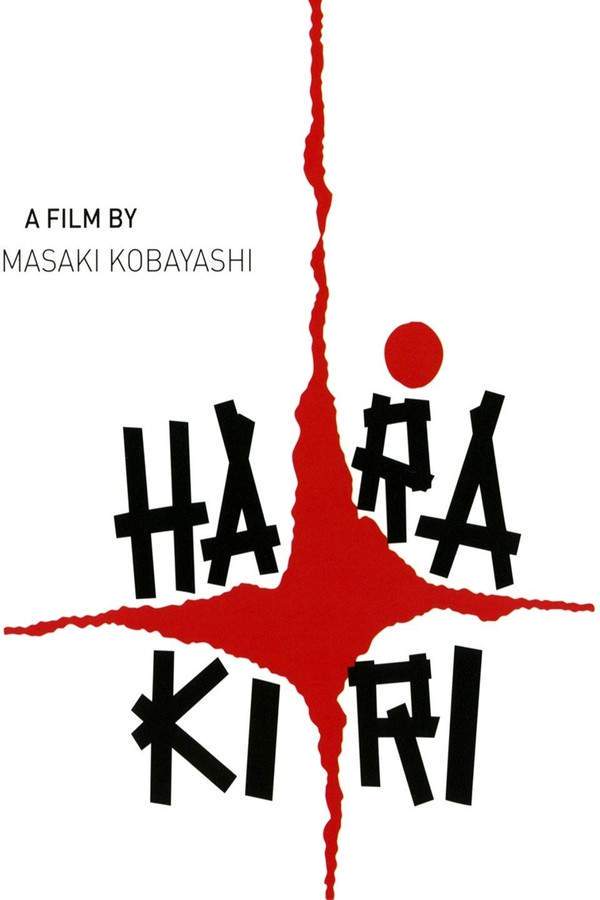
Harakiri (1964) Detailed Story Recap
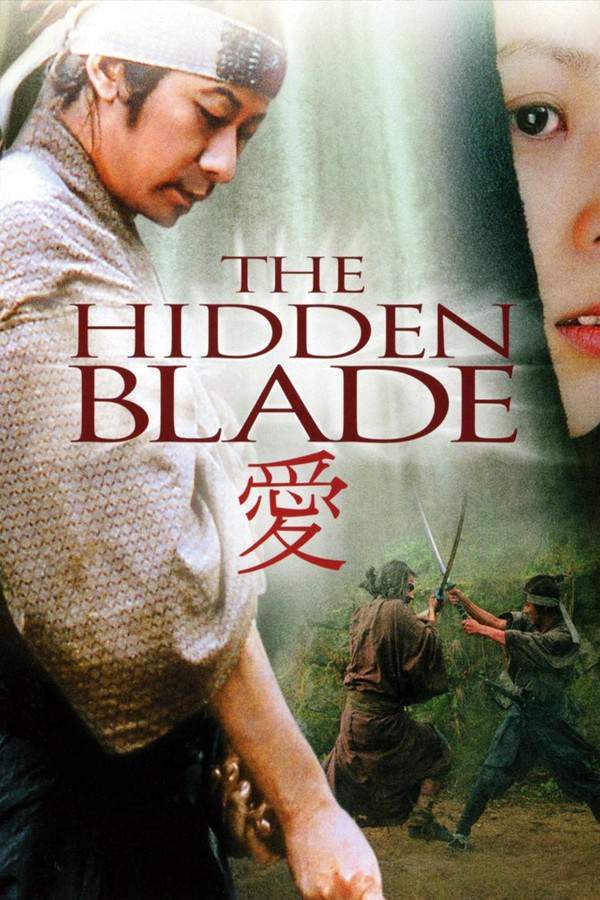
The Hidden Blade (2006) Plot Summary & Ending Explained
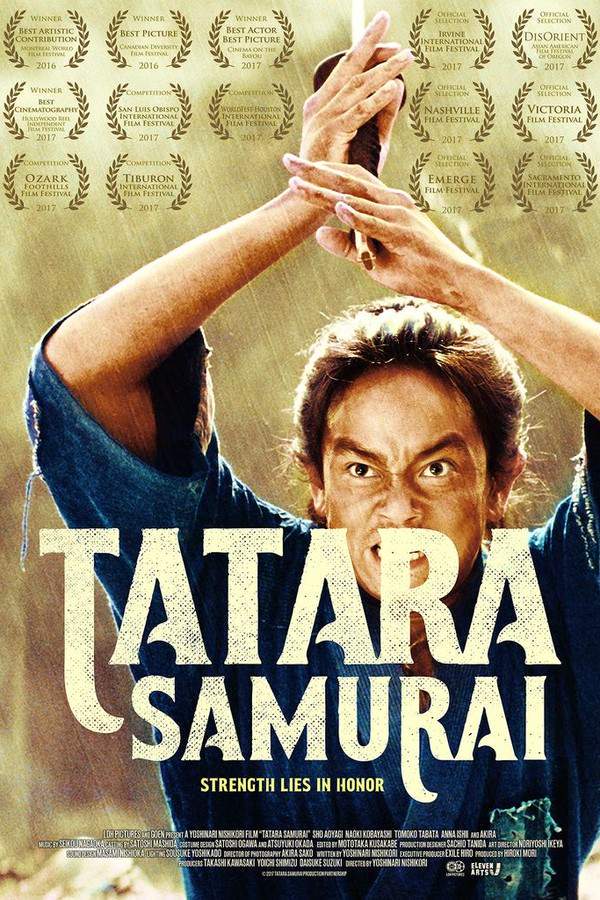
Tatara Samurai (2017) Story Summary & Characters
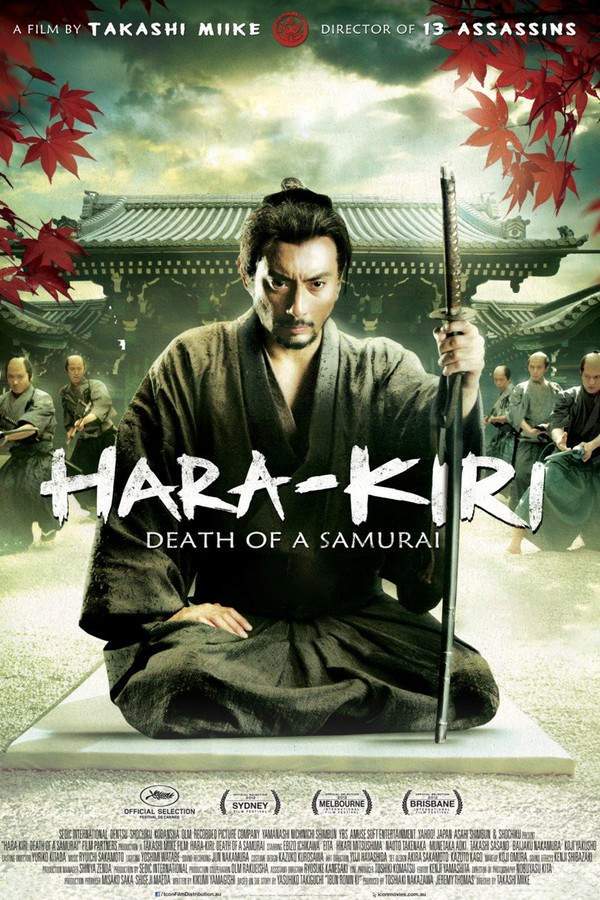
Hara-Kiri: Death of a Samurai (2012) Complete Plot Breakdown
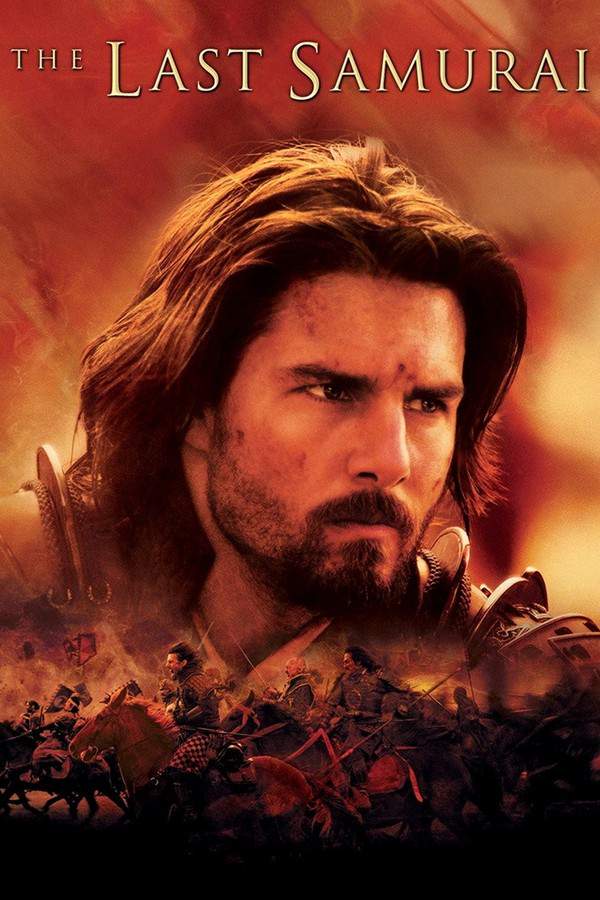
The Last Samurai (2003) Full Movie Breakdown
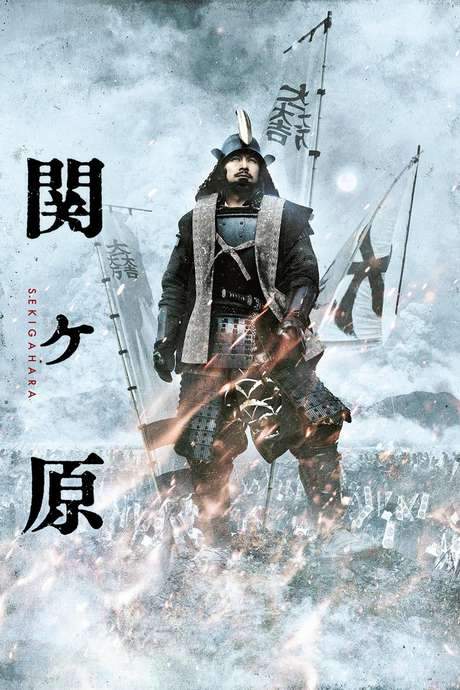
Sekigahara (2017) Full Summary & Key Details
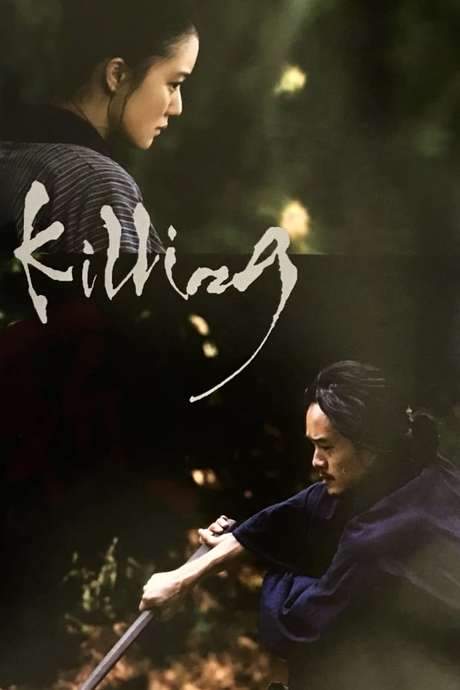
Killing (2018) Story Summary & Characters
Samurai Resurrection (2003) Detailed Story Recap
The Samurai I Loved (2005) Ending Explained & Film Insights
Bushido: The Cruel Code of the Samurai (1963) Film Overview & Timeline
Samurai III: Duel at Ganryu Island (1956) Plot Summary & Ending Explained
Samurai II: Duel at Ichijoji Temple (1955) Film Overview & Timeline
Samurai Assassin (1965) Ending Explained & Film Insights
The Last Samurai (1974) Full Movie Breakdown
Samurai Wolf (1966) Film Overview & Timeline