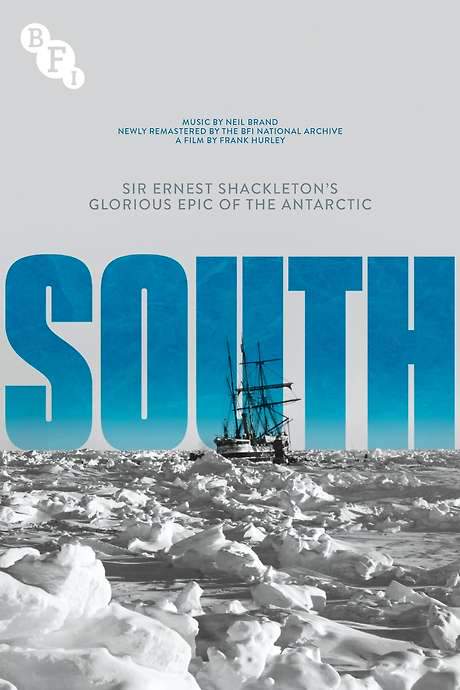
On August 1, 1914, the intrepid explorer Ernest Shackleton set sail on the ship Endurance down the Thames, with a daring mission to traverse the treacherous Antarctic region from the Weddell Sea to the Ross Sea. This incredible journey was particularly ambitious, since the legendary explorer Roald Amundsen had already successfully reached the South Pole in December of 1911. As the expedition progressed, the Endurance hit an ominous barrier in December 1914 when it became trapped in ice packs just 400 miles north of Antarctica, at the latitude of 60º South. Shackleton had intended to make landfall at Vahsel Bay, a feat yet to be accomplished.
As January 1915 rolled in, the relentless grip of the ice took control of their vessel, pushing them further north and away from their destination. After wrestling with harsh conditions for several weeks, Shackleton came to a painful realization—the landing at Vahsel Bay was not going to happen. His new priority quickly shifted to ensuring the safety of his men. For the next ten months, they drifted on the ice floe, and by October, the constant pressure began to take its toll, ultimately leading to the tragic sinking of the Endurance. With their ship lost, Shackleton and his crew set up a makeshift camp on the ice.
In April 1916, the desperate Shackleton ordered the men into three lifeboats, and after an arduous seven-day journey, they reached the inhospitable Elephant Island. Realizing that rescue was not a feasible prospect, Shackleton resolved to seek help. Leaving 22 of his men behind, he embarked on a treacherous 700-mile voyage to South Georgia with a crew of just five in a 22-foot boat. This journey has been hailed as “the greatest open boat journey in history,” as it required them to brave the most turbulent ocean known to man.
By relying solely on a sextant, Shackleton and his crew miraculously reached South Georgia. However, their challenges were far from over. Nearly spent, they needed to navigate a mountain range to reach the Norwegian whaling station at Stromness. This daunting trek lasted 36 hours without a single moment of rest. Once at the station, the whalers generously provided Shackleton with a ship and crew. After three unsuccessful attempts, he finally succeeded in rescuing all the men left behind on Elephant Island. Remarkably, not a single life was lost in this relentless saga of endurance and survival. Eventually, they arrived in Punta Arenas on September 3, 1916, with the crew making their return to England in May 1917.