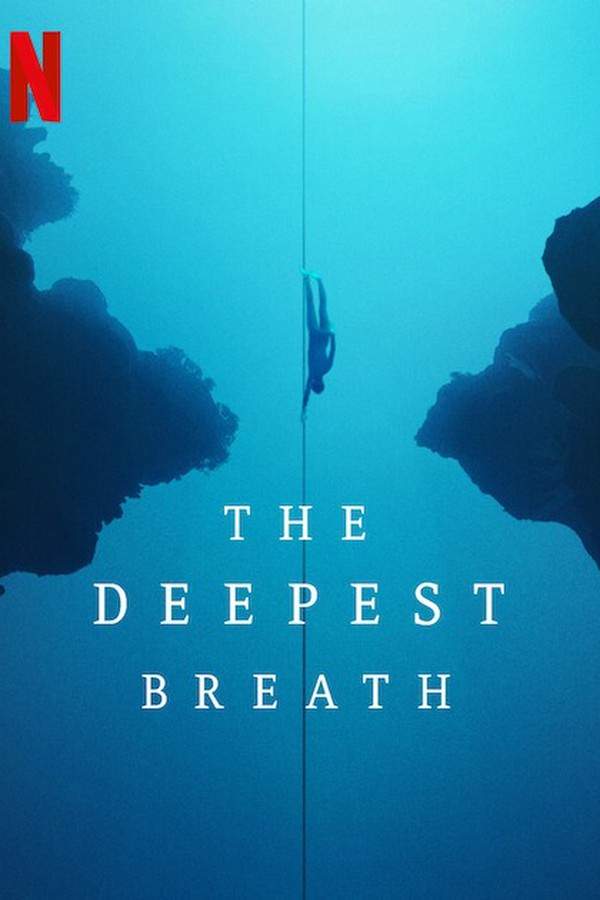
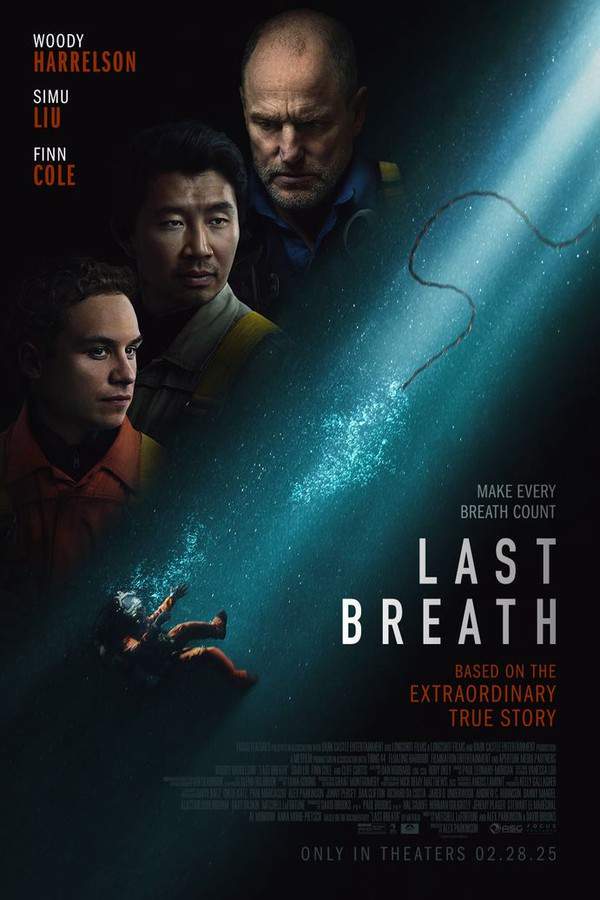
This documentary presents a real offshore diving accident with a careful, factual lens. It blends authentic on-site footage and audio captured from divers’ voice communications equipment and helmet cameras, with interviews of several people involved and carefully reconstructed scenes to tell the story with clarity and restraint. The film’s approach is to let the events speak for themselves, weaving technical detail with human perspective to build a complete picture without sensationalism.
The film features insights from the ship’s crew, including Michal Cichorski, Kjetil Ove Alvestad, Duncan Allcock, Glenn Brunskill, Stuart Anderson, Filippo De Filippi, and Craig Frederick. Their firsthand accounts anchor the narrative, and their perspectives help explain how the sequence unfolded beneath the waves.
At the center is Chris Lemons, who, along with his colleagues Duncan Allcock and David Yuasa, was carrying out repairs about 100 meters below the surface of the North Sea, aboard the support vessel Bibby Topaz. The vessel’s dynamic positioning system, supplied by Kongsberg Maritime, failed, and the ship began to drift in rough seas. This drift dragged the divers away from their worksite and ultimately caused the umbilical tether—providing heliox breathing gas, heated suit water, power for the light, and a critical communications link to the bell and surface—to snap. Lemons was left with only five minutes' worth of breathable gas in the emergency cylinders strapped to his back, a precarious situation that intensified the danger of the unfolding incident.
The reasons behind the peril are described as unclear to Lemons and his colleagues, though factors such as the cold water and having breathed a gas mix with a high partial pressure of oxygen are cited as contributing conditions. The documentary carefully presents these elements without assigning blame, focusing instead on how the situation pressed the divers and the surface team to act with the information and tools available at the moment.
Despite the dire setup, Lemons’ story takes a remarkable turn. He survived for roughly thirty minutes, first located by a remotely operated underwater vehicle and then retrieved with the help of Yuasa, who pulled him back aboard the diving bell. The rescue is depicted with a mix of archival footage, re-creations where appropriate, and candid recollections, offering a clear sense of the physical and emotional stakes involved in the recovery.
Throughout, the film emphasizes the interplay between human decision-making and technical systems under extreme conditions. It presents a measured, informative portrait of undersea work—highlighting the fragility of complex operations, the rapid consequences of equipment failure, and the vital importance of teamwork and communication. The result is a comprehensive, easy-to-read account that remains faithful to the real events while offering a deeper understanding of what went wrong, what happened next, and how such incidents are reviewed to improve safety in the future.