Werner Herzog found a kindred spirit in Dieter Dengler, the German-American Navy pilot and Vietnam War veteran, as both men carry memories of a Germany scarred by World War II and the hunger and hardship that followed. Dengler recalls an early memory of Allied fighter-bombers smashing his village and explains that witnessing a fighter jet streak past his house convinced him that he wanted to fly.
At eighteen, Dengler emigrated to the United States, where he joined the Air Force. Frustrated by a lack of opportunities to become a pilot there, he left the service, pursued higher education, and eventually found his path in the Navy. After completing flight training, he earned his place as a Douglas A-1 Skyraider pilot in Attack Squadron 65 aboard the aircraft carrier USS Constellation, flying missions that tested his resolve and steely determination.
In 1966, his duties took him to sea aboard the USS Ranger with Attack Squadron 145. The mission near the Laotian border faced poor visibility, and during the attack, Dengler and his flight crew lost sight of one another. He was the last to enter the target area and was struck by anti-aircraft fire, forcing him to crash-land his Skyraider in Laos. The accident marked the beginning of a harrowing sequence that would test his endurance in unimaginable ways.
Dengler was captured by the Pathet Lao and handed over to the Army of North Vietnam. He endured torture and starvation while chained to six other prisoners in a bamboo camp, a brutal ordeal that left him battered yet determined. He eventually escaped, and his rescue came when United States Air Force pilot Eugene Deatrick spotted him, bringing a hopeful turn to a story defined by resilience and survival.
The core of the film unfolds as Herzog returns with Dengler to Laos and Thailand to retrace the prisoner’s steps three decades later. The journey is re-enacted with locals cast as the captors, and Dengler recounts the details of his captivity and escape as if reliving the moments with a careful, measured recollection. These segments blend archival material, contemporary interviews, and firsthand recollections to create a portrait that is both intimate and documentary in its approach. A postscript adds footage from Dengler’s funeral in 2001, grounding the narrative in the personal consequences of his extraordinary experience.
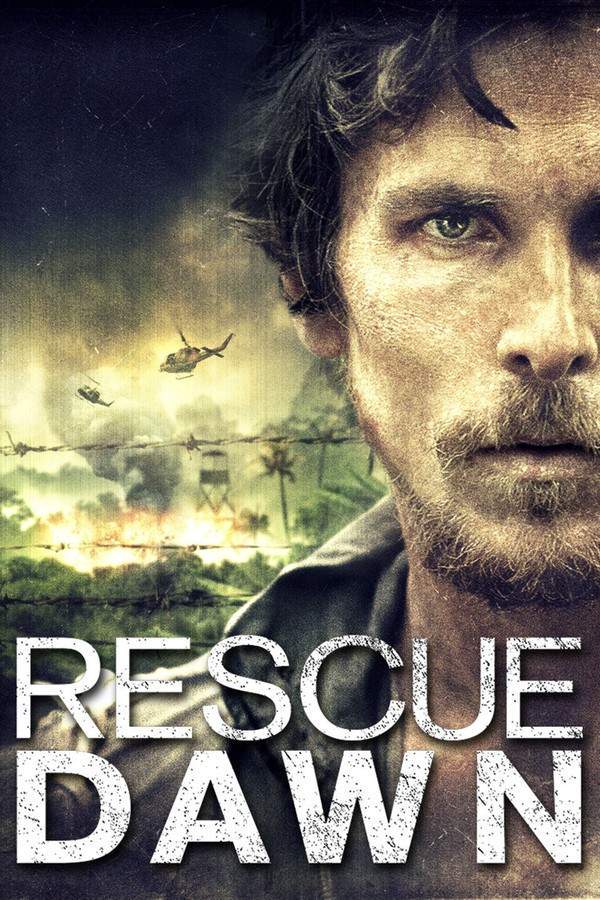
This documentary laid the groundwork for Herzog’s later feature, Rescue Dawn, which dramatizes Dengler’s capture, imprisonment, escape, and rescue. The feature, with its own cinematic interpretation of the events, extends the original story into a broader cinematic experience, underscoring Herzog’s fascination with the limits of human endurance and the ways in which memory can be revisited and reinterpreted through film.