Plot Explained Spoilers guaranteed!
Plot Explained

Browse by genre

The Devil’s Chair (2007) movie poster

Characters & Themes

The Devil’s Chair (2007) Characters, Setting & Themes Explained

Release, runtime and language
2007 · 91 mins · English
Directed by
Adam Mason
Starring
Andrew Howard, Matt Berry, Pollyanna Rose, Louise Griffiths, David Gant, Nadja Brand

Nick West, armed with a stash of drugs, lures his girlfriend Sammy to a night of reckless fun. Their adventure leads them into an abandoned asylum where they uncover a twisted contraption—a hybrid of an electric chair and a sadistic fetish device. The discovery turns their drug‑fueled euphoria into terror and misery.

On this page (7)
  1. 1 Characters explained (7)
  2. 2 Where & when it takes place
  3. 3 Themes & meaning (3)
  4. 4 Character & meaning questions
  5. 5 Movie threads
  6. 6 Movies like The Devil’s Chair
  7. 7 Every angle

7 main characters · contains spoilers

The Devil’s Chair Characters Explained: Who Is Who

The main characters of The Devil’s Chair (2007), heroes and villains: what drives them, how they change over the course of the story and what each of them reveals about the film's bigger ideas.

  • Nick West (Andrew Howard)

    A self-proclaimed victim and unreliable narrator who guides the audience through the events. He lures Sammy to the asylum for sex and involvement with the chair, but his recollection is fractured, blurring truth and fabrication. His charisma masks a capacity for violence that erupts as the story unfolds, culminating in murders and manipulation.

    • 🌀 Unreliable narration
    • 👁️ Perspective bias
    • 🧠 Unstable psyche
  • Brett Wilson (Matt Berry)

    A student on Willard's team, eager to document the experiment. He becomes a participant in the chair's odd process, venturing into the other realm as the study escalates. His involvement reveals the corrosive dynamics within the group and ends in his death during the sequence.

    • 🎭 Student
    • 🧪 Experimental subject
    • 🧠 Involvement
  • Sammy (Polly Brown) (Pollyanna Rose)

    Nick's partner who is drawn into the scheme and the chair's lure. She becomes an early victim of the experiment, her fate triggering the investigation and exposing the chair's deadly power.

    • 💔 Victim
    • 🪑 Chair catalyst
    • 🗝️ Trigger for the plot
  • Dr. Willard (David Gant)

    A Cambridge professor who proposes the release of Nick under an experimental plan and aims to write a book about the events. He leads the study, manipulating participants for the narrative and betraying the group as the situation spirals out of control.

    • 🧠 Academic
    • 🕰️ Experimental research
    • 🔒 Manipulation
  • Dr. Clairebourne (Nadja Brand)

    Nick's psychiatrist assigned to oversee the program. She initially questions the method but agrees to the plan, hoping to reveal Nick's truth. She becomes a casualty of the escalating chaos when Nick's actions overwhelmed the room.

    • 🧠 Psychiatrist
    • 🎭 Ethical conflict
    • 🔒 Experimentation
  • Rachel Fowles (Elize du Toit)

    A student who attempts to debunk the supernatural claim by sitting on the chair. She is transported to a dark place and pursued by a demonic presence. Her courage under pressure highlights the clash between skepticism and the lure of the unknown.

    • 🎓 Student
    • 🕵️‍♀️ Skeptic
    • 🧭 Courage
  • Demon (Graham Riddell)

    The demonic creature associated with the chair's power, representing the horror within the experiment. It appears as a menacing force that the characters chase and confront, later reframed as a projection of Nick's mind.

    • 👹 Demon
    • 🌀 Horror
    • 🗝️ Projection

Last updated: October 03, 2025 at 19:31

Was this helpful?

Setting

Where and When Does The Devil’s Chair Take Place?

The setting of The Devil’s Chair (2007): the year and time period, the places and locations, and how they shape the characters, the mood and the tension of the story.

Time period

Location

Blackwater Asylum, Hildon Mental Institute, Cambridge

Most of the action centers on the derelict Blackwater Asylum, a site steeped in grim memories and controversial treatments. The investigation later shifts to the Hildon Mental Institute, where Nick's case is revisited as part of an experimental project. Cambridge provides the academic backdrop for Dr. Willard's study and the theoretical framing of the investigation.

  • 🏚️ Abandoned asylum
  • 🧠 Psychological horror
  • 🧪 Experimental environments

Last updated: October 03, 2025 at 19:31

Was this helpful?

3 major themes

The Devil’s Chair Meaning: Themes & Message Explained

What is The Devil’s Chair (2007) really about? The emotional, social and philosophical themes the film keeps returning to, its symbolism and the message beneath the surface.

  • Reality vs Illusion

    The film toys with what is real by presenting Nick's account as a potentially unreliable narrative. As the group revisits the crime scene, the line between hallucination and witnessed events blurs, culminating in a revelation that may reframe the whole story. The chair's supposed supernatural power collapses into Nick's shifting state of mind.

  • Manipulation

    Power and control underpin the events: Willard and his team exploit Nick to pursue a sensational book and an experimental truth. The group manipulates Nick and each other, turning the pursuit into a moral trap that leads to betrayals and violence. The narrative uses the chair as a tool to reveal moral corrosion more than it reveals supernatural phenomena.

  • Violence & Trauma

    Trauma, violence, and sexual aggression are depicted as escalating forces within the asylum. Nick's escalating violence culminates in the massacre; the ending reveals the limits of perception and the consequences of unchecked desire. The film presents horror as a psychological fracture, not just a monster.

Last updated: October 03, 2025 at 19:31

Was this helpful?

Character & theme questions

The Devil’s Chair Characters & Meaning: Your Questions Answered

The questions people ask about The Devil’s Chair (2007): who the characters really are, their relationships, what the symbols mean, where it takes place and what the movie is really about. Each answer contains spoilers.

Q1

Where is The Devil's Chair set?

The film primarily takes place in two psychiatric facilities: the abandoned Blackwater Asylum, where Nick lures Sammy for a night of reckless fun, and the Hildon Mental Institute, where Nick's case is revisited as part of Dr. Willard's experimental project. Cambridge serves as the academic backdrop for Dr. Willard's research and provides the theoretical framework for the investigation.

  • blackwater asylum
  • hildon mental institute
  • cambridge
  • setting
  • locations
Q2

What does the chair symbolize in The Devil's Chair?

The chair functions as both a literal fetish device and a symbolic mechanism revealing moral corruption. Rather than possessing genuine supernatural power, the chair acts as a tool to expose the participants' psychological states and the manipulative dynamics between Dr. Willard and his research subjects. Its perceived power ultimately collapses into Nick's shifting mental state.

  • chair
  • symbolism
  • device
  • meaning
Q3

Is the demon in The Devil's Chair real or imagined?

The demon appears to be a projection of Nick West's fractured mind rather than an actual supernatural entity. The film toys with reality and illusion by presenting Nick's account as an unreliable narrative, and the chair's supposed supernatural power ultimately collapses into his unstable psychological state.

  • demon
  • supernatural
  • reality
  • illusion
  • hallucination
Q4

Who is Nick West in The Devil's Chair?

Nick West is the protagonist and self-proclaimed victim who serves as an unreliable narrator throughout the film. He lures his girlfriend Sammy to the abandoned asylum seeking reckless fun, but his recollection of events is fractured, blurring the line between truth and fabrication. His charisma masks a capacity for violence that escalates as the story unfolds.

  • nick west
  • protagonist
  • unreliable narrator
  • character
Q5

What is the unreliable narrator theme in The Devil's Chair?

The film presents Nick's account as a potentially false narrative, with the line between hallucination and witnessed events constantly blurring. As the group revisits the crime scene, the story's foundation shifts, culminating in a revelation that reframes the entire account. The chair's supernatural power is ultimately revealed as a construct of Nick's shifting mental state.

  • unreliable narrator
  • reality vs illusion
  • psychology
  • perception
Q6

What is Dr. Willard's role in The Devil's Chair?

Dr. Willard is a Cambridge professor who proposes releasing Nick under an experimental program so he can write a sensational book about the events. He leads the study, manipulating participants for his narrative purposes and ultimately betraying the group as the situation spirals out of control, exploiting Nick for academic glory.

  • dr willard
  • professor
  • cambridge
  • manipulation
  • character
Q7

How does The Devil's Chair explore power and manipulation?

Power and control are central themes, with Dr. Willard and his team exploiting Nick to pursue a sensational book and conduct an experimental truth-seeking study. The group manipulates Nick and each other, creating a moral trap that leads to betrayals and violence. The narrative uses the chair as a tool to reveal moral corruption rather than supernatural phenomena.

  • power
  • manipulation
  • control
  • morality
  • betrayal
Q8

What are the main themes of The Devil's Chair?

The film explores three interconnected themes: Reality vs Illusion, as Nick's unreliable narration blurs what is real; Manipulation, examining how Dr. Willard exploits participants for personal gain; and Violence & Trauma, depicting how psychological horror manifests through escalating aggression. The horror stems from psychological fracture rather than supernatural monsters.

  • themes
  • meaning
  • ideas
  • interpretation
Q9

Who is Sammy in The Devil's Chair?

Sammy is Nick West's girlfriend who is drawn into his scheme and lured to the abandoned Blackwater Asylum. She becomes an early victim of the chair experiment, and her fate triggers the subsequent investigation, exposing the device's deadly power. Her role highlights how others are pulled into Nick's destructive plans.

  • sammy
  • character
  • victim
  • role
Q10

What is Blackwater Asylum in The Devil's Chair?

Blackwater Asylum is the derelict psychiatric facility where most of the film's action unfolds. It is a site steeped in grim memories and controversial treatments from its operational past. The abandoned setting creates an atmosphere of decay and psychological horror, serving as both a literal location and symbolic space of trauma.

  • blackwater asylum
  • setting
  • location
  • horror setting
Q11

Why is Cambridge significant in The Devil's Chair?

Cambridge provides the academic backdrop for Dr. Willard's research and the theoretical framing of the investigation. As a prestigious university setting, it contrasts sharply with the derelict asylum, highlighting the ethical tensions between academic ambition and the exploitation of vulnerable subjects. It represents the intellectual framework that justifies the manipulative experiment.

  • cambridge
  • university
  • academic
  • research
Q12

Is The Devil's Chair primarily psychological horror?

Yes, the film presents horror as a psychological fracture rather than a supernatural monster. The intense subject matter, graphic violence, and constant psychological tension stem from Nick's unreliable perspective. The story methodically moves from initial events to the return to the asylum, creating dread through perception and mental instability rather than traditional monster elements.

  • psychological horror
  • horror genre
  • mental illness
  • thriller

Movie threads

More Movies Like The Devil’s Chair, by Mood & Story

Curated lists built around what makes The Devil’s Chair tick: the same mood, the same kind of story or the same emotional payoff. Each list explains why these movies belong together.

Movies with unreliable narrators like The Devil’s Chair

Psychological thrillers where the protagonist's sanity is fundamentally in question. If you enjoyed the psychological unraveling and deceptive perspective in The Devil’s Chair, explore more movies like it. This list features psychological horror and thriller films where an unreliable narrator blurs the line between reality and delusion, leading to shocking reveals about the true nature of events.

  • unreliable narrator
  • psychological
  • mind-bending
  • unsettling
  • paranoid
  • twist ending
  • Tone: dark, psychologically intense
  • Pacing: steady, methodical
Why these movies?

The story pattern: Stories in this thread often follow a protagonist whose perception of events is deeply suspect. The narrative structure is deliberately constructed to mislead the audience, building towards a climactic twist that reveals the truth about the character's mental state, often involving trauma, guilt, or psychosis.

Why they belong together: These films are grouped together because they share a core narrative device: the unreliable point of view. They create a specific, unsettling viewing experience where the audience is an active participant in deciphering truth from fiction, resulting in a potent mix of psychological tension and intellectual engagement.
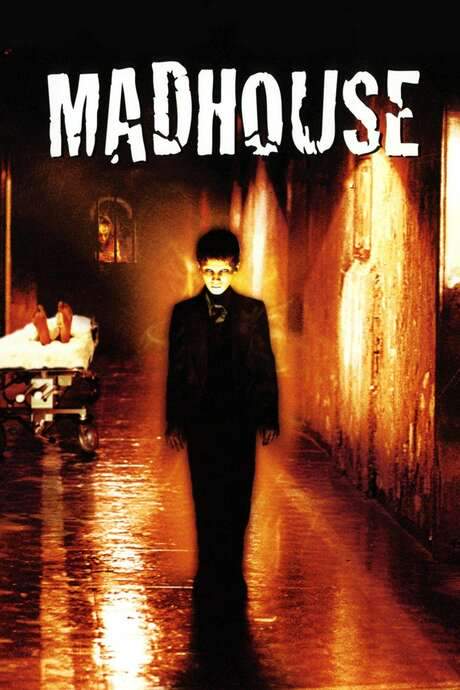
Brutal horror movies set in asylums like The Devil’s Chair

Tales of terror and madness set within oppressive, abandoned buildings. For viewers who liked the oppressive asylum setting of The Devil’s Chair, this list features similar horror movies where abandoned institutions become houses of horror. Discover films that use creepy, confined locations to explore themes of madness, trauma, and supernatural violence, matching the intense and bleak vibe.

  • claustrophobic
  • eerie
  • disturbing
  • brutal
  • decaying setting
  • asylum
  • Tone: dark, bleak, oppressive
  • Pacing: steady, building dread
Why these movies?

The story pattern: The narrative pattern involves characters, often investigating a dark past or seeking thrills, who enter a neglected institutional space. The location's history of suffering directly influences the plot, unleashing supernatural forces or triggering psychological breaks. The setting acts as a crucible, testing sanity and ensuring a grim outcome.

Why they belong together: These movies are united by their use of a specific, potent type of setting that dictates the film's mood and themes. The combination of a decayed institutional location with intense psychological or supernatural horror creates a uniquely oppressive and claustrophobic experience for the viewer.

If you liked this

Movies Like The Devil’s Chair

Similar movies to The Devil’s Chair: the same genre, themes or kind of story. Each one comes with its own plot summary, timeline and ending explained.

Browse all movie summaries

Every angle

The Devil’s Chair (2007) Explained: Plot, Timeline & Characters

Everything about The Devil’s Chair in one place: what happens in the plot summary, the timeline in chronological order, the characters and meaning and a spoiler-free summary. What's After the Movie adds the cast, box office and post-credit scenes.

Coming soon on iOS and Android

The Plot Explained Movie Summary App

Plot summaries, endings explained and timelines on your phone. Catch up on any movie in minutes, save your favorites and never miss a twist again.

Be the first to know when we launch. Your email stays private, always.

Learn more about the app