Plot Explained Spoilers guaranteed!
Plot Explained

Browse by genre

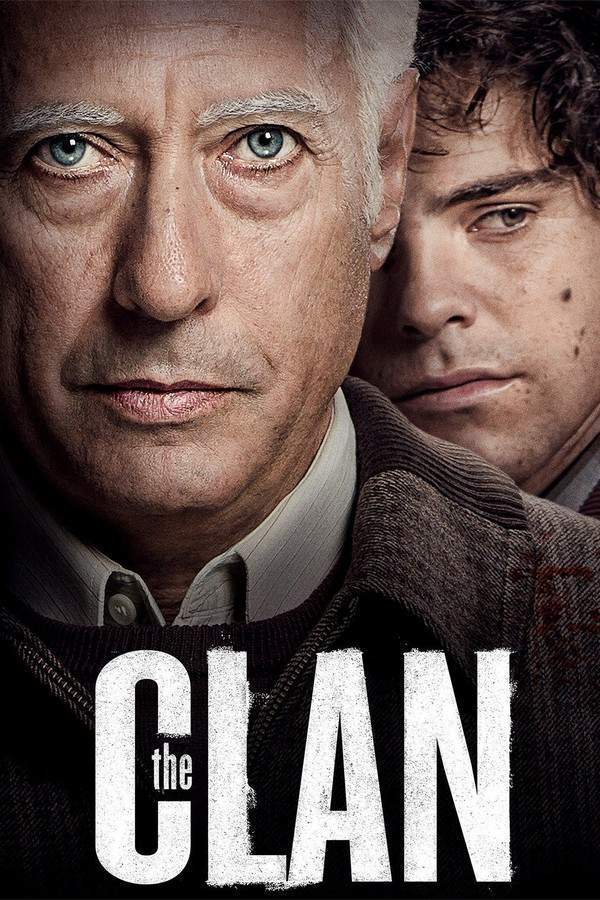
The Clan (2016) movie poster

Plot Summary

The Clan (2016) Plot Summary Explained

Release, runtime and language
2016 · 110 min · Spanish
Loading streaming availability…
Directed by
Pablo Trapero

A seemingly ordinary family’s life unravels when the patriarch, Arquímedes Puccio, initiates a series of kidnappings. As his eldest son, Alejandro, becomes more involved in his father's criminal schemes, he discovers the disturbing reality of the man he idolized—a ruthless and calculating killer. Alejandro is forced to confront this truth, leading to a painful reckoning that jeopardizes the family’s future and exposes the dark secrets lurking beneath their ordinary existence.

On this page (6)
  1. 1 Where to watch
  2. 2 What happens: full plot
  3. 3 Plot questions answered
  4. 4 Movie threads
  5. 5 Movies like The Clan
  6. 6 Every angle
Loading streaming availability…

Full plot summary · contains spoilers

What Happens in The Clan: Full Plot Summary

The whole story of The Clan (2016) explained, from the opening scene to the final frame: every key event, every twist and what it all adds up to. Read it as a quick recap before the sequel, to check a scene you missed, or to finally understand what really happened.

In a tense, meticulously observed portrait set in Buenos Aires during the 1980s, the Puccio family drama unfolds around a seemingly ordinary middle‑class household that spirals into crime. At the center of the story is Arquímedes Puccio, the family patriarch, whose past work with state intelligence casts a long shadow over every choice he makes. His wife, Epifanía Puccio, stands beside him as their children grow and witness a household that balances respectability with an increasingly dangerous hunger for stability and status. The couple’s eldest son, Alejandro, is celebrated as a star rugby player, admired by friends and peers, while Daniel "Maguila" Puccio, the middle child, has drifted away from home for years. The daughters, Silvia, a schoolteacher, and Adriana, still in middle school, complete a family that outwardly seems conventional. The youngest son, Guillermo, is still in high school, hovering between innocence and the call of something darker.

When the Falklands War ends in 1982, the household’s routine abruptly shifts. Arquímedes, who had previously worked on covert operations for the state, pivots from earning a legal living to manipulating people for money. He purchases a small deli as a front, and with a growing sense of financial pressure and ambition, he drags the family into a chilling scheme: kidnapping wealthy individuals for ransom. Alejandro becomes his conspirator and partner in crime, leveraging his popularity to help identify potential hostages without drawing suspicion. The plan quickly spirals out of control.

The first victim is Ricardo Manoukian, a friend and teammate of Alejandro. The kidnapping succeeds, but Arquímedes, fearing exposure, shoots Ricardo to silence him. The cold outcome unsettles Alejandro, who experiences a moment of conscience, only to be reassured by his father, who argues that leaving Ricardo alive would only have guaranteed the family’s arrest. This justification cements a troubling pattern: money flows in, the family grows bolder, and the line between crime and family protection becomes hopelessly blurred.

As the loot from early kidnappings piles up, the Puccios move from the deli to a storefront selling sporting equipment, signaling a shift from secrecy to ostentation. Alejandro’s personal life begins to intertwine with this new reality; he meets Mónica, a girl he dates after joining the family business, and their relationship blossoms within the shadow of the crimes. But the thrill of the catch attracts new opportunities and new targets. A longtime associate of Arquímedes, Gustavo Contenpomi, feels betrayed in a separate business deal with entrepreneur Florencio Aulet and suggests a plan that would involve kidnapping Aulet’s own family. Yet the family’s appetite for wealth leads them to a softer target: Aulet’s son, Eduardo. Eduardo is eventually lured into the trap, and although ransom is paid, the teenager’s body is found buried on an empty construction site, marking a brutal escalation that cannot be ignored by anyone involved.

The political climate shifts again in December 1983, when Argentina returns to democracy. Arquímedes seeks legitimacy and guidance from a former military officer, Aníbal Gordon, who had participated with the Puccios in a 1970s kidnapping. Gordon warns Arquímedes to lie low, fearing that the new political environment will expose them and remove the protection they once enjoyed. Arquímedes, however, refuses to change course, confident that his calculated risk will continue paying off.

As the years pass, cracks widen within the family’s dynamic. Alejandro accompanies his youngest brother, Guillermo, to the airport when Guillermo heads abroad for a sports trip. At the gate, Guillermo reveals that he knows what his father and brother have done and swears he will not return if the family’s crimes are found out. He begs Alejandro to abandon the life they’ve chosen. The plea resonates with Alejandro, who resolves not to participate in the next planned kidnapping of another businessman linked to the family, Emilio Naum. The failure to abduct Naum infuriates Arquímedes, who returns home and lashes out at Alejandro, blaming him for the botched operation and accusing him of ingratitude for the lifestyle he has secured for the family.

Seeking reconciliation, Alejandro travels abroad to persuade his other brother, Maguila, to come back to Argentina and rejoin the clan’s operations. The family’s activities continue into 1985, when they abduct a businesswoman, Nélida Bollini de Prado, and imprison her in the basement of their own home. The plan, however, begins to unravel as ransom negotiations falter. The screams from the basement reach Adriana, who realizes the horrifying truth of what their family has become. Around the same time, Arquímedes receives a warning call from former military superiors that his actions have drawn too much public attention, leaving him without their political protection.

In August 1985, the plan to extract money is attempted at a service station, but thePuccio household is raided by police. The kidnapped victim is freed, and the family is arrested, with Adriana remaining untouched by the authorities. The case becomes a national sensation, and the press christens them the “Puccio Clan,” a moniker that cements their infamy.

During the ensuing trial, the prosecutor offers a stark choice: Arquímedes could confess as the mastermind in exchange for his family avoiding indictment as accomplices. Arquímedes refuses, insisting that his military superiors forced him to commit the crimes and that he cannot sacrifice himself for his kin. Within the jail, the strain proves unbearable for Alejandro, who longs for a different life. After a bitter, public confrontation with his father—an argument in which Arquímedes goads him into striking him so he can later claim guards abused him—Alejandro teeters on the edge of despair and attempts to end his life by leaping from the fifth floor of the building as he is transported to testify.

The movie closes by laying out a stark epilogue: a sequence of texts reveals the fates of the Puccio family, leaving viewers with a lingering reflection on how ambition, loyalty, fear, and political upheaval can intertwine to pull a family into an abyss from which there is no easy return.
Last updated: October 09, 2025 at 16:23

Was this helpful?

Plot questions answered

The Clan Plot Explained: Your Questions Answered

The questions people ask most about The Clan (2016): what happens in the confusing scenes, why the characters do what they do, the twists, hidden details and what the ending means. Each answer contains spoilers.

Q1

Why did Arquímedes Puccio start kidnapping people?

After the Falklands War ended in 1982, Arquímedes lost his income from state intelligence work. With no legal way to maintain his family's middle-class lifestyle, he turned to kidnapping wealthy individuals for ransom. His background in covert operations gave him the skills to plan and execute the crimes, and he involved his family to help identify and lure targets.

Foreshadowing: The film establishes early that Arquímedes had worked for state intelligence, hinting at his ability to operate in shadows.

  • arquimedes puccio
  • falklands war
  • kidnapping
  • motive
  • argentina 1982
Q2

Why was Ricardo Manoukian killed?

Ricardo Manoukian was a friend and rugby teammate of Alejandro Puccio. Arquímedes kidnapped him for ransom but feared that keeping him alive would lead to identification and the family's arrest. He shot Ricardo to silence him permanently, justifying the murder by claiming it was necessary to protect the family from exposure.

Foreshadowing: Alejandro's initial conscience about the killing sets up his later moral crisis.

  • ricardo manoukian
  • murder
  • first kidnapping
  • alejandro puccio
Q3

Why did Alejandro join his father's criminal operations?

Alejandro became his father's partner because he was the eldest son and had the perfect cover, his popularity as a rugby star allowed him to identify and befriend wealthy targets without suspicion. He initially helped lure potential victims and participated in the planning. His involvement deepened as he became invested in the family's financial success and perhaps sought his father's approval.

Foreshadowing: The film shows Alejandro as the idolized son who admires his father before discovering his true nature.

  • alejandro puccio
  • father-son
  • criminal operations
  • motivation
Q4

What happened to Eduardo Aulet?

Eduardo Aulet, the teenage son of entrepreneur Florencio Aulet, was kidnapped by the Puccios. Although a ransom was paid, Eduardo had already been murdered during the abduction and was buried in a shallow grave on an empty construction site. This marked a brutal escalation in the family's crimes, as victims were now being killed even after payment.

Foreshadowing: The shift from the deli to a sporting goods store signals the family's growing boldness and cruelty.

  • eduardo aulet
  • ransom paid
  • murder
  • construction site
Q5

Why did Guillermo Puccio leave and what did he tell Alejandro?

Guillermo, the youngest son, left Argentina for a sports trip abroad. At the airport, he revealed to Alejandro that he knew about the family's crimes and begged him to quit. Guillermo swore he would not return if the family was exposed, representing the family's moral conscience that ultimately rejected the criminal path.

Foreshadowing: Guillermo's departure foreshadows the family's collapse as his warning goes unheeded.

  • guillermo puccio
  • airport
  • leaving
  • moral conscience
Q6

Why did Alejandro refuse to participate in the Naum kidnapping?

After Guillermo's emotional plea at the airport, Alejandro decided he could not participate in the next planned kidnapping of businessman Emilio Naum. His refusal caused the operation to fail, Naum was murdered during the botched abduction when he resisted. This act of defiance angered Arquímedes, who accused Alejandro of ingratitude for the lifestyle his crimes provided.

Foreshadowing: Alejandro's moral reversal marks the beginning of his internal fracture.

  • alejandro
  • emilio naum
  • refused
  • kidnapping
  • guilt
Q7

Why did Arquímedes refuse the prosecutor's plea deal?

During the trial, the prosecutor offered Arquímedes a deal: if he confessed as the mastermind, his family would not be indicted as accomplices. Arquímedes refused, insisting that his military superiors had forced him into the crimes and that he could not sacrifice himself to protect them. His refusal revealed his unwillingness to accept personal responsibility for his actions.

Foreshadowing: This moment confirms Arquímedes's self-serving nature that has defined his leadership throughout the film.

  • plea deal
  • confession
  • mastermind
  • trial
  • military superiors
Q8

What caused Alejandro's suicide attempt?

After a bitter confrontation in jail where Arquímedes manipulated Alejandro into punching him, Alejandro was consumed by despair. The combination of guilt over his crimes, his father's manipulation, the collapse of his family, and his own moral reckoning led him to jump from the fifth floor of the tribunal building while being escorted to testify. The attempt symbolized his complete psychological break.

Foreshadowing: The confrontation scene directly precedes and triggers the suicide attempt, showing the father's final corruption.

  • alejandro
  • suicide attempt
  • jail
  • father confrontation
  • despair
Q9

How did the police finally catch the Puccio family?

In August 1985, the police raided the Puccio home during a ransom exchange at a service station, freeing the kidnapped victim Nélida Bollini de Prado and arresting most of the family. Adriana was the only member who remained untouched by authorities. The raid ended their criminal operation and triggered massive media coverage that branded them the "Puccio Clan."

Foreshadowing: Earlier warnings from Arquímedes's military contacts about increasing public attention foreshadowed this downfall.

  • police raid
  • arrest
  • 1985
  • puccio clan
  • media
Q10

How did Adriana discover the family's secrets?

Adriana, the youngest daughter still in middle school, discovered the horrifying truth when she overheard the screams of Nélida Bollini de Prado, who was being held captive in the family's basement. This moment shattered her image of the family and represented the moment when the family's dark secrets could no longer be hidden from the innocent members.

Foreshadowing: Adriana's discovery represents the inevitable corruption of even the youngest family members.

  • adriana
  • discovered
  • basement
  • nelida bollini
  • screams
Q11

Why did Arquímedes ignore Aníbal Gordon's warning?

In December 1983, after Argentina returned to democracy, Arquímedes consulted former military officer Aníbal Gordon, who had worked with him in the 1970s. Gordon warned him to lie low because the new political climate would remove the military protection they once enjoyed. Arquímedes dismissed this advice, confident that his calculations and skills would continue to protect him from exposure.

Foreshadowing: This overconfidence in his own abilities ultimately led to the family's destruction.

  • anibal gordon
  • warning
  • democracy
  • military protection
  • ignored

Movie threads

More Movies Like The Clan, by Mood & Story

Curated lists built around what makes The Clan tick: the same mood, the same kind of story or the same emotional payoff. Each list explains why these movies belong together.

Moral collapse in families like in The Clan

Stories where seemingly normal families conceal a dark and destructive core. If you were captivated by the moral unraveling of the Puccio family in The Clan, explore these movies about seemingly ordinary families hiding dark secrets. These similar crime dramas and psychological thrillers focus on betrayal, corrupted legacies, and the heavy emotional toll of discovering the truth.

  • unsettling
  • grim
  • claustrophobic
  • tense
  • tragic
  • oppressive
  • Tone: dark, unsettling, tragic
  • Pacing: steady, methodical
Why these movies?

The story pattern: The narrative typically follows a linear, character-driven path where a central protagonist, embedded within the family unit, uncovers a fundamental lie or crime at its heart. The story is built on the gradual erosion of trust, forcing the character into an agonizing moral conflict between blood loyalty and the truth, often culminating in their participation or rebellion against the family's corruption.

Why they belong together: These films are grouped together because they share a dark, oppressive tone and a focus on the psychological destruction of familial bonds. They create a claustrophobic atmosphere where the home becomes a prison, and the central conflict is an internal war between love and morality, usually ending in tragedy.

Bleak true crime stories like The Clan

Gritty, unflinching dramatizations of real-life crimes that offer no easy answers. For viewers who appreciated the grim, fact-based approach of The Clan, this section features movies based on true stories of crime. These similar biographical dramas and thrillers are known for their steady pacing, high emotional weight, and bleak, unromanticized portrayal of real events and their tragic outcomes.

  • grim
  • tense
  • suspenseful
  • tragic
  • based on true story
  • unflinching
  • Tone: grim, bleak, tense
  • Pacing: steady, procedural
Why these movies?

The story pattern: Stories in this thread often follow a chronological, steady-paced structure that mirrors the investigative or procedural nature of the real events. The narrative doesn't seek to provide catharsis or heroism but instead documents a grim chain of events, emphasizing the senselessness of the crime and the profound, often unresolved, trauma it leaves behind.

Why they belong together: These films share a commitment to authenticity and a sobering tone. The connection comes from their shared basis in true events, their methodical pacing that builds dread, their high emotional intensity, and their consistently bleak outlook, refusing to sugar-coat the harsh realities of crime.

If you liked this

Movies Like The Clan

Similar movies to The Clan: the same genre, themes or kind of story. Each one comes with its own plot summary, timeline and ending explained.

Browse all movie summaries

Every angle

The Clan (2016) Explained: Plot, Timeline & Characters

Everything about The Clan in one place: what happens in the plot summary, the timeline in chronological order, the characters and meaning and a spoiler-free summary. What's After the Movie adds the cast, box office and post-credit scenes.

Coming soon on iOS and Android

The Plot Explained Movie Summary App

Plot summaries, endings explained and timelines on your phone. Catch up on any movie in minutes, save your favorites and never miss a twist again.

Be the first to know when we launch. Your email stays private, always.

Learn more about the app