








Plot Explained Spoilers guaranteed!
Plot Explained

Browse by genre

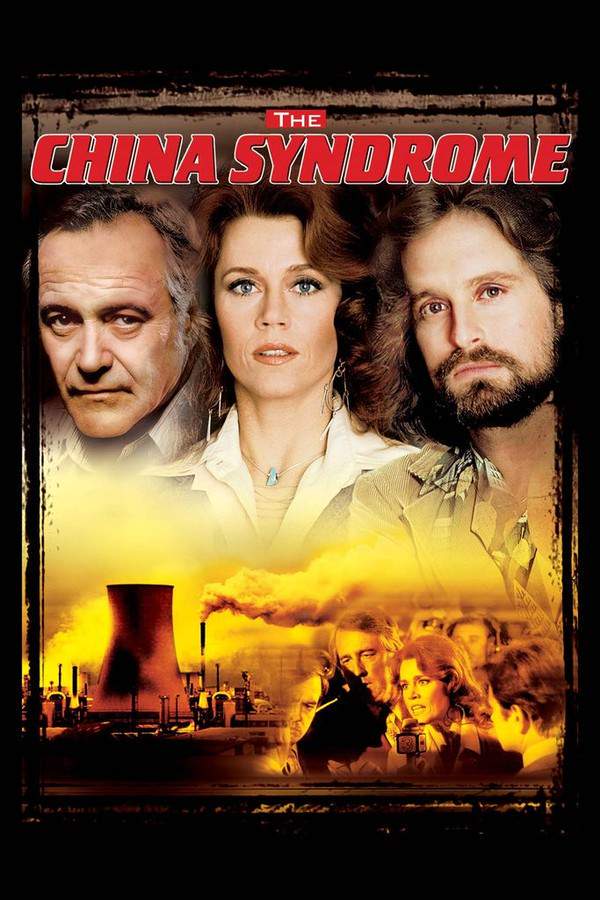
The China Syndrome (1979) movie poster

Timeline

The China Syndrome (1979) Timeline Explained – Every Event in Order

Release, runtime and language
1979 · 122 min · English
JustWatch #1,416 26
Directed by
James Bridges
Starring
Jane Fonda, Wilford Brimley, Michael Douglas, Peter Donat, Jack Lemmon, James Hampton

A television reporter and her cameraman witness an emergency shutdown at a nuclear power plant, unknowingly averting a potential disaster. As they investigate, a plant supervisor uncovers alarming safety violations and a disturbing cover-up. Risking her career and personal safety, she fights to expose the facility's negligence and prevent a catastrophic meltdown with widespread repercussions.

On this page (6)
  1. 1 Where to watch
  2. 2 Events in order (14)
  3. 3 Timeline questions answered
  4. 4 Movie threads
  5. 5 Movies like The China Syndrome
  6. 6 Every angle

Where to watch

Where to Watch The China Syndrome (1979)

Where can you watch The China Syndrome? Stream, rent or buy it in the US, including on Amazon Prime Video, Amazon Video and Apple TV Store: current JustWatch availability with up-to-date prices.

Streaming availability powered by JustWatch

14 events in order · contains spoilers

The China Syndrome Timeline: Events in Chronological Order

Every key event of The China Syndrome (1979) in order, scene by scene, with when and where it takes place. Use it to untangle flashbacks, time jumps and parallel storylines, to refresh your memory before the sequel or to find the exact scene you are thinking of.

  1. Kimberly's Aspirations

    TV news reporter Kimberly Wells embarks on a journey to become a hard-hitting journalist. Frustrated with being underestimated by her superiors, she is relegated to covering less significant stories, which lack real substance.

  2. Investigating Ventana

    Kimberly and her cameraman Richard Adams arrive at the Ventana Nuclear Power Plant near Los Angeles. They are there to investigate energy production but encounter barriers imposed by the plant’s management.

    Where
    Ventana Nuclear Power Plant
  3. The Reactor SCRAM

    An unexpected reactor 'SCRAM' occurs at the plant, initially perceived by shift supervisor Jack Godell as a routine procedure. This event triggers alarms and warnings as unusual vibrations and rising water levels in the reactor core become evident.

    Where
    Ventana Nuclear Power Plant
  4. Chaos in the Control Room

    As plant personnel, including foreman Ted Spindler, scramble to manage the crisis, the situation escalates. The crew opens relief valves in a desperate attempt to stabilize reactor conditions, highlighting the imminent danger of a meltdown.

    Where
    Control Room, Ventana Nuclear Power Plant
  5. Illegally Obtained Footage

    Richard discreetly captures the chaos on camera, documenting the plant's precarious situation. However, upon returning to the station, they learn from news director Don Jacovich that federal law prohibits airing such footage due to corporate concerns.

    Where
    Television Station
  6. Stealing the Footage

    Frustrated by the censorship, Richard decides to steal the footage from the station vault. This act is driven by their belief that essential truths are being hidden from the public regarding the plant's safety.

    Where
    Television Station
  7. NRC Investigation Begins

    An investigation by the Nuclear Regulatory Commission (NRC) is launched to scrutinize the events surrounding the SCRAM. While employees are exonerated, Kimberly senses that deeper issues related to the plant's safety are being concealed.

  8. Jack’s Investigation

    Jack Godell conducts his own inquiry into the events at Ventana, ultimately uncovering evidence of a leak of nuclear material and insufficient inspections of critical systems. Despite his findings, he faces immense pressure from management to maintain silence.

    Where
    Ventana Nuclear Power Plant
  9. The China Syndrome

    With fears escalating about a possible nuclear meltdown known as the 'China Syndrome,' Jack grapples with the corporate prioritization of profits over safety. He becomes increasingly concerned that another SCRAM could lead to catastrophic outcomes.

    Where
    Ventana Nuclear Power Plant
  10. Confrontation with Richard

    Kimberly finds Richard showcasing their footage at a nuclear science convention where experts acknowledge the near-catastrophe that could have impacted Southern California. They realize they must press Jack to reveal the truth about ongoing safety failures.

    Where
    Nuclear Science Convention
  11. Standoff in the Control Room

    Amid rising tensions, Jack takes control of the plant's control room, armed and desperate for a live interview with Kimberly. The situation escalates as the plant engineers prepare for another SCRAM to regain control of operations.

    Where
    Control Room, Ventana Nuclear Power Plant
  12. Live Interview Chaos

    During the live interview, chaos ensues as a SWAT team intervenes, leading to a tragic confrontation. Jack, caught in the midst of the crisis, becomes injured and ultimately dies as the plant spirals into further disarray.

    Where
    Ventana Nuclear Power Plant
  13. Unveiling the Truth

    In the aftermath, Kimberly delivers a heartfelt tribute to Jack during a broadcast, challenging the narrative pushed by the plant's spokesperson. She resolves to uncover the truth behind the incident as a significant investigation looms ahead.

  14. Beginning of an Investigation

    With Jack's heroism and tragic demise fresh in her mind, Kimberly prepares for a larger investigation into the safety issues impacting the Ventana Nuclear Power Plant. She understands that revealing the full extent of the risks is crucial for public safety.

Last updated: November 03, 2024 at 11:09

Was this helpful?

Timeline questions answered

The China Syndrome Timeline Explained: Your Questions Answered

When does it happen, and why in that order? The questions people ask about the chronology of The China Syndrome (1979): time jumps, flashbacks, cause and effect between scenes and the correct order of events, each answered with spoilers.

Q1

Why was the reactor SCRAM at Ventana so dangerous?

The SCRAM triggered a dangerous situation when the water level in the reactor core began dropping dangerously close to exposing the nuclear fuel. Shift supervisor Jack Godell detected unusual vibrations and realized the relief valves weren't properly releasing pressure, putting the plant on the brink of a meltdown. The crew's frantic attempts to stabilize the reactor nearly failed, which would have allowed molten nuclear material to breach containment.

Foreshadowing: The plant's safety issues were hinted at earlier when management prioritized profit over proper maintenance.

  • reactor scram
  • nuclear meltdown
  • Ventana
  • Jack Godell
  • reactor core
Q2

Why couldn't Kimberly and Richard air their footage of the incident?

Federal law prohibited broadcasting the footage because it was obtained illegally and the Nuclear Regulatory Commission had not yet completed its investigation. News director Don Jacovich explained that airing it could expose the station to criminal charges and legal liability. The law was designed to prevent panic and protect ongoing regulatory proceedings.

Foreshadowing: This legal barrier was established early in the film when Richard secretly recorded the incident.

  • footage
  • broadcast ban
  • federal law
  • NRC
  • news station
Q3

Why did Richard steal the footage from the TV station?

Richard stole the footage because he and Kimberly believed significant truths were being concealed about the plant's safety failures. After the plant described the near-miss as an "unanticipated transient," Richard became convinced that management was covering up the seriousness of the incident. His frustration with the censorship and his commitment to exposing the truth drove him to take the film from the station vault.

Foreshadowing: Richard's concern about cover-ups was established when he witnessed the plant employees downplaying the incident.

  • Richard Adams
  • footage theft
  • censorship
  • investigation
  • evidence
Q4

What safety violations did Jack Godell discover at Ventana?

Jack discovered two critical safety violations: a leak of nuclear material and improper inspections of the plant's water pumps. These findings revealed that the facility had been cutting corners on maintenance and safety protocols. Despite his evidence, his supervisor Herman pressured him to remain silent as the owners prioritized profits over safety.

Foreshadowing: Jack's investigation built on the earlier near-meltdown, showing that the problems went beyond a one-time incident.

  • Jack Godell
  • safety violations
  • nuclear leak
  • water pumps
  • cover-up
Q5

What is the "China Syndrome" that Jack fears?

The China Syndrome is a hypothetical scenario in which molten nuclear material breaches the reactor containment and burrows through the earth toward the opposite side of the planet. Jack feared that another SCRAM at Ventana could trigger exactly this kind of catastrophic meltdown, releasing massive amounts of radiation across Southern California. The term represents the ultimate nuclear disaster.

Foreshadowing: The term was introduced during Jack's investigation, highlighting the real dangers he was trying to prevent.

  • China Syndrome
  • nuclear meltdown
  • radiation
  • Jack Godell
  • catastrophe
Q6

Why did Jack Godell take control of the control room with a weapon?

Jack took control of the control room because he was desperate to expose the plant's safety failures before another SCRAM could trigger a meltdown. Faced with corporate pressure to stay silent and feeling that his concerns were being ignored, he brandished a gun to force the plant to grant him a live interview with Kimberly. He wanted to publicly reveal the truth about the safety violations he had uncovered.

Foreshadowing: Jack's escalation was foreshadowed by his growing fear that management would allow another dangerous incident to occur.

  • Jack Godell
  • control room standoff
  • interview
  • plant safety
  • whistleblowing
Q7

What happened to Jack Godell at the end of the movie?

Jack Godell was killed during the chaotic confrontation in the control room. As the SWAT team intervened during his live interview with Kimberly, the situation escalated into violence. Jack was injured in the chaos and ultimately died as the plant experienced further catastrophic events. His death transformed him into a martyr for the truth he was trying to expose.

Foreshadowing: The tragic outcome was foreshadowed by Jack's desperate, last-ditch attempt to force accountability.

  • Jack Godell death
  • SWAT team
  • control room
  • killed
  • martyrdom
Q8

Why was Kimberly Wells frustrated with her job at the news station?

Kimberly was frustrated because her superiors underestimated her due to her gender and perceived inexperience, assigning her to cover trivial local stories instead of serious investigative journalism. She aspired to become a hard-hitting journalist but was blocked from meaningful assignments. This frustration drove her determination to pursue the Ventana story despite obstacles.

Foreshadowing: Her career ambitions were established early, setting up her resolve to fight for the truth about the plant.

  • Kimberly Wells
  • journalism career
  • frustrated
  • news station
  • gender discrimination
Q9

What did the NRC investigation find about the Ventana incident?

The NRC investigation exonerated the Ventana employees who were present during the SCRAM, concluding that no safety violations had occurred on their part. However, this official finding only covered the immediate incident and did not uncover the deeper systemic problems that Jack later discovered. Kimberly suspected the investigation was incomplete and that deeper issues remained hidden.

Foreshadowing: The limited scope of the investigation was hinted at when Kimberly questioned whether it was truly thorough.

  • NRC
  • investigation
  • exonerated
  • safety
  • Ventana plant
Q10

Why did the plant management try to cover up the incident?

Plant management covered up the incident to protect themselves from legal liability and to avoid the financial consequences of admitting safety failures. The owners prioritized profit over safety and didn't want to expose the extent of the violations that could have led to massive lawsuits and regulatory penalties. This corporate decision to prioritize profits over public safety drove the entire cover-up.

Foreshadowing: The corporate priority of profit over safety was established early when management restricted the journalists' access.

  • management cover-up
  • profit
  • safety violations
  • corporate
  • liability
Q11

Why did the plant engineers trigger another SCRAM during the standoff?

The plant engineers triggered another SCRAM as a tactical maneuver to regain control of the facility during Jack's standoff. By deliberately shutting down the reactor, they intended to distract Jack and the news crew, giving authorities an opportunity to intervene. This risky move demonstrated how far management was willing to go to end the crisis and prevent Jack from exposing the truth.

Foreshadowing: The engineers' willingness to create another crisis to solve the first one reflected the plant's reckless approach to safety.

  • another SCRAM
  • engineers
  • control room
  • standoff
  • plant takeover

Movie threads

More Movies Like The China Syndrome, by Mood & Story

Curated lists built around what makes The China Syndrome tick: the same mood, the same kind of story or the same emotional payoff. Each list explains why these movies belong together.

Whistleblower Thrillers like The China Syndrome

Ordinary individuals risk everything to expose dangerous institutional corruption. If you liked the tense, high-stakes fight for truth in The China Syndrome, you'll appreciate these movies about individuals exposing dangerous cover-ups. These films share a heavy emotional weight and a steady, suspenseful pace, focusing on the moral courage and personal sacrifice of whistleblowers.

  • urgent
  • suspenseful
  • paranoid
  • frustrated
  • tense
  • thought-provoking
  • Tone: tense, paranoid, urgent
  • Pacing: steady, escalating
Why these movies?

The story pattern: These narratives often follow a clear structure: an initial discovery of wrongdoing, a gradual realization of the cover-up's scale, and a tense, dangerous investigation where the protagonist's life and career are threatened. The climax typically involves a public confrontation or leak, but the victory is often shadowed by personal loss.

Why they belong together: These films are grouped by their central theme of one person against a corrupt system, a tense and paranoid tone, and a focus on institutional malfeasance. They share a serious, heavy mood and create a similar feeling of urgent, high-stakes drama where public safety hangs in the balance.

Movies about impending disaster like The China Syndrome

Stories where a looming catastrophe creates unbearable, methodical tension. For viewers who appreciated the anxious, methodical buildup of tension in The China Syndrome, this thread collects films centered on a looming catastrophe. These movies share a steady pace, a consistently tense tone, and a high-stakes narrative that keeps you on the edge of your seat.

  • anxious
  • tense
  • suspenseful
  • dread
  • urgent
  • frustrated
  • Tone: tense, anxious, bleak
  • Pacing: steady, methodical
Why these movies?

The story pattern: The narrative pattern involves establishing a clear and credible threat early on, then methodically revealing the failures and hubris that made it possible. The plot focuses on the desperate attempts to contain or expose the danger, often against bureaucratic inertia or active suppression, leading to a climactic confrontation with the disaster itself.

Why they belong together: They are united by a specific emotional mix: a constant, high-intensity feeling of dread, a steady pacing that makes the threat feel real and imminent, and a serious exploration of human error and systemic failure. The viewing experience is defined by a sustained, anxious suspense.

If you liked this

Movies Like The China Syndrome

Similar movies to The China Syndrome: the same genre, themes or kind of story. Each one comes with its own plot summary, timeline and ending explained.

Browse all movie summaries

Every angle

The China Syndrome (1979) Explained: Plot, Timeline & Characters

Everything about The China Syndrome in one place: what happens in the plot summary, the timeline in chronological order, the characters and meaning and a spoiler-free summary. What's After the Movie adds the cast, box office and post-credit scenes.

Coming soon on iOS and Android

The Plot Explained Movie Summary App

Plot summaries, endings explained and timelines on your phone. Catch up on any movie in minutes, save your favorites and never miss a twist again.

Be the first to know when we launch. Your email stays private, always.

Learn more about the app