Plot Explained Spoilers guaranteed!
Plot Explained

Browse by genre

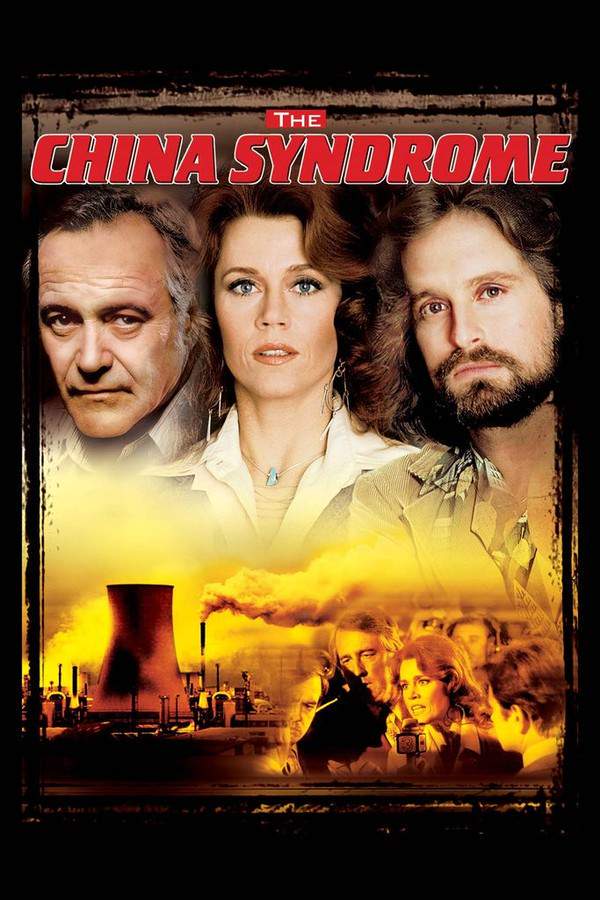
The China Syndrome (1979) movie poster

Characters & Themes

The China Syndrome (1979) Characters, Setting & Themes Explained

Release, runtime and language
1979 · 122 min · English
Directed by
James Bridges
Starring
Jane Fonda, Wilford Brimley, Michael Douglas, Peter Donat, Jack Lemmon, James Hampton

A television reporter and her cameraman witness an emergency shutdown at a nuclear power plant, unknowingly averting a potential disaster. As they investigate, a plant supervisor uncovers alarming safety violations and a disturbing cover-up. Risking her career and personal safety, she fights to expose the facility's negligence and prevent a catastrophic meltdown with widespread repercussions.

On this page (7)
  1. 1 Characters explained (4)
  2. 2 Where & when it takes place
  3. 3 Themes & meaning (3)
  4. 4 Character & meaning questions
  5. 5 Movie threads
  6. 6 Movies like The China Syndrome
  7. 7 Every angle

4 main characters · contains spoilers

The China Syndrome Characters Explained: Who Is Who

The main characters of The China Syndrome (1979), heroes and villains: what drives them, how they change over the course of the story and what each of them reveals about the film's bigger ideas.

  • Kimberly Wells (Jane Fonda)

    Kimberly is an ambitious TV news reporter determined to prove her worth in a male-dominated industry. Frustrated by the constraints placed on her, she embarks on a relentless pursuit of the truth regarding the safety of the nuclear power plant. Her character evolves from someone constrained by societal expectations to a courageous advocate for transparency.

    • 👩‍💼 Journalist
    • 🔍 Investigative
  • Richard Adams (Michael Douglas)

    Richard is Kimberly's freelance cameraman and dedicated partner, driven by a shared goal of uncovering the truth about the power plant's safety issues. His character demonstrates a blend of pragmatism and resolve, notably when he takes risks to protect the integrity of their work. His insights prompt important actions within the narrative.

    • 📹 Cameraman
    • 🎥 Filmmaker
  • Jack Godell (Jack Lemmon)

    Jack is the shift supervisor at Ventana, facing an ethical crisis as he grapples with the safety of the plant and its dire implications. His character embodies conflict as he prioritizes his moral responsibility over corporate interests. Jack's tragic journey manifests the internal battles of those who work in high-stakes environments.

    • 🏭 Supervisor
    • ⚖️ Ethical Dilemma
  • Bill Gibson (Wilford Brimley)

    Bill is the public relations officer at the Ventana Nuclear Power Plant, tasked with managing the narrative surrounding the facility. His character represents the corporate perspective, often caught between his duties and the brewing crisis. Bill struggles with the pressures of compliance against the backdrop of a potential disaster.

    • 📢 PR Officer
    • 🔄 Corporate

Last updated: October 22, 2024 at 20:15

Was this helpful?

Setting

Where and When Does The China Syndrome Take Place?

The setting of The China Syndrome (1979): the year and time period, the places and locations, and how they shape the characters, the mood and the tension of the story.

Time period

The events in the movie unfold in a contemporary setting, reflecting the ongoing debates about nuclear safety and energy production prevalent during the late 20th century. This time period saw increasing scrutiny of nuclear power and its potential hazards, highlighted by real-world incidents that prompted public fear and regulatory changes.

Location

Ventana Nuclear Power Plant, Los Angeles

The Ventana Nuclear Power Plant is a critical facility located near Los Angeles, primarily responsible for energy production. Known for its significant role in the energy sector, it also becomes the center of a dramatic incident that raises urgent safety concerns about nuclear energy. The plant operates under strict protocols but is ultimately exposed to serious deficiencies during a reactor shutdown.

  • 🏭 Nuclear Power
  • 🌆 Urban

Last updated: October 22, 2024 at 20:15

Was this helpful?

3 major themes

The China Syndrome Meaning: Themes & Message Explained

What is The China Syndrome (1979) really about? The emotional, social and philosophical themes the film keeps returning to, its symbolism and the message beneath the surface.

  • Nuclear Safety

    The movie delves deeply into the theme of nuclear safety, showcasing the potential disasters that can arise from negligence and corporate greed. It illustrates the conflict between safeguarding public welfare and prioritizing operational profit. The urgency for accountability and transparency in such critical systems fosters a compelling narrative.

  • Journalism

    A central theme of the film is the role of journalism in exposing the truth. Through the protagonist's investigative efforts, the movie emphasizes the challenges journalists face, especially when confronting powerful institutions that prefer to suppress damaging information. It highlights the moral dilemmas and responsibilities that come with the pursuit of truth.

  • Crisis

    The crisis theme is prevalent throughout the film, particularly as events escalate within the power plant. The imminent danger of a nuclear meltdown raises personal stakes for the characters, showcasing heroism in the face of crisis. The characters' responses to this high-pressure situation illuminate broader societal fears regarding technological failures.

Last updated: October 22, 2024 at 20:15

Was this helpful?

Character & theme questions

The China Syndrome Characters & Meaning: Your Questions Answered

The questions people ask about The China Syndrome (1979): who the characters really are, their relationships, what the symbols mean, where it takes place and what the movie is really about. Each answer contains spoilers.

Q1

Where is The China Syndrome set?

The movie takes place at the Ventana Nuclear Power Plant, a fictional nuclear facility located near Los Angeles, California. The plant is depicted as a critical energy production site that becomes the center of the film's dramatic events.

  • ventana nuclear power plant
  • los angeles
  • setting
  • nuclear facility
Q2

When does The China Syndrome take place?

The film is set in the contemporary era of the late 1970s, reflecting the period when nuclear safety debates were particularly prominent in American society. This was a time of increasing public scrutiny of nuclear power following real-world incidents that raised concerns about reactor safety.

  • 1970s
  • time period
  • contemporary setting
  • nuclear safety debate
Q3

What does the movie say about nuclear safety?

The China Syndrome presents a stark warning about the dangers of prioritizing profit over safety in nuclear power operations. The film shows how corporate negligence and cover-ups can create catastrophic risks, illustrating the conflict between operational efficiency and protecting public welfare.

  • nuclear safety
  • corporate negligence
  • cover-up
  • public welfare
Q4

What role does journalism play in the film?

Journalism is portrayed as a vital force for accountability in democracy. The protagonist, a TV reporter, faces significant obstacles while investigating the power plant, demonstrating the moral dilemmas journalists encounter when confronting powerful institutions that prefer to suppress damaging information.

  • journalism
  • truth
  • investigation
  • media
  • accountability
Q5

How does the movie handle the crisis narrative?

The film builds intense suspense around the threat of a nuclear meltdown, using the escalating danger to showcase heroism under pressure. The characters' responses to this high-stakes crisis illuminate broader societal fears about technological failures and the human cost of corporate irresponsibility.

  • nuclear meltdown
  • crisis
  • heroism
  • technological failure
Q6

Who is Kimberly Wells in the movie?

Kimberly Wells is an ambitious television news reporter played by Jane Fonda, determined to prove herself in a male-dominated industry. She becomes the driving force behind investigating the nuclear plant's safety violations, evolving from someone constrained by gender expectations into a courageous advocate for truth and transparency.

  • kimberly wells
  • jane fonda
  • reporter
  • investigation
  • protagonist
Q7

Who is Jack Godell and why is he important?

Jack Godell is the shift supervisor at the Ventana plant, played by Jack Lemmon. He becomes the moral center of the film when he discovers the safety violations and must choose between corporate loyalty and his ethical responsibility to the public. His character represents the internal struggles of workers in high-stakes industrial environments.

  • jack godell
  • jack lemmon
  • shift supervisor
  • ethics
  • whistleblower
Q8

Who is Richard Adams in the film?

Richard Adams is Kimberly's freelance cameraman and investigative partner, played by Michael Douglas. He provides practical support and takes risks to protect the integrity of their investigation into the plant's safety issues, acting as a dedicated ally in pursuing the truth.

  • richard adams
  • michael douglas
  • cameraman
  • investigation
  • supporting character
Q9

Who is Bill Gibson and what is his role?

Bill Gibson is the public relations officer at the Ventana Nuclear Power Plant, played by Wilford Brimley. He represents the corporate perspective, tasked with managing the facility's public image while struggling with the tension between his job responsibilities and the brewing crisis.

  • bill gibson
  • wilford brimley
  • public relations
  • corporate perspective
Q10

What does the title "The China Syndrome" mean?

The China Syndrome refers to a hypothetical worst-case scenario in which a nuclear reactor meltdown would melt through the Earth's crust all the way to China (on the opposite side of the planet). While physically impossible, the term became emblematic of fears about uncontrollable nuclear disasters and the grave consequences of reactor failures.

  • china syndrome
  • title meaning
  • meltdown
  • nuclear disaster
Q11

What is the tone of The China Syndrome?

The film maintains a dominantly tense atmosphere throughout, building constant suspense around the imminent threat of nuclear catastrophe. With steady pacing and little relief, the movie creates a nerve-wracking tension that reflects the serious themes of corporate malfeasance and the moral responsibilities of those in positions of power.

  • tone
  • atmosphere
  • suspense
  • tension
  • thriller

Movie threads

More Movies Like The China Syndrome, by Mood & Story

Curated lists built around what makes The China Syndrome tick: the same mood, the same kind of story or the same emotional payoff. Each list explains why these movies belong together.

Whistleblower Thrillers like The China Syndrome

Ordinary individuals risk everything to expose dangerous institutional corruption. If you liked the tense, high-stakes fight for truth in The China Syndrome, you'll appreciate these movies about individuals exposing dangerous cover-ups. These films share a heavy emotional weight and a steady, suspenseful pace, focusing on the moral courage and personal sacrifice of whistleblowers.

  • urgent
  • suspenseful
  • paranoid
  • frustrated
  • tense
  • thought-provoking
  • Tone: tense, paranoid, urgent
  • Pacing: steady, escalating
Why these movies?

The story pattern: These narratives often follow a clear structure: an initial discovery of wrongdoing, a gradual realization of the cover-up's scale, and a tense, dangerous investigation where the protagonist's life and career are threatened. The climax typically involves a public confrontation or leak, but the victory is often shadowed by personal loss.

Why they belong together: These films are grouped by their central theme of one person against a corrupt system, a tense and paranoid tone, and a focus on institutional malfeasance. They share a serious, heavy mood and create a similar feeling of urgent, high-stakes drama where public safety hangs in the balance.


Movies about impending disaster like The China Syndrome

Stories where a looming catastrophe creates unbearable, methodical tension. For viewers who appreciated the anxious, methodical buildup of tension in The China Syndrome, this thread collects films centered on a looming catastrophe. These movies share a steady pace, a consistently tense tone, and a high-stakes narrative that keeps you on the edge of your seat.

  • anxious
  • tense
  • suspenseful
  • dread
  • urgent
  • frustrated
  • Tone: tense, anxious, bleak
  • Pacing: steady, methodical
Why these movies?

The story pattern: The narrative pattern involves establishing a clear and credible threat early on, then methodically revealing the failures and hubris that made it possible. The plot focuses on the desperate attempts to contain or expose the danger, often against bureaucratic inertia or active suppression, leading to a climactic confrontation with the disaster itself.

Why they belong together: They are united by a specific emotional mix: a constant, high-intensity feeling of dread, a steady pacing that makes the threat feel real and imminent, and a serious exploration of human error and systemic failure. The viewing experience is defined by a sustained, anxious suspense.

If you liked this

Movies Like The China Syndrome

Similar movies to The China Syndrome: the same genre, themes or kind of story. Each one comes with its own plot summary, timeline and ending explained.

Browse all movie summaries

Every angle

The China Syndrome (1979) Explained: Plot, Timeline & Characters

Everything about The China Syndrome in one place: what happens in the plot summary, the timeline in chronological order, the characters and meaning and a spoiler-free summary. What's After the Movie adds the cast, box office and post-credit scenes.

Coming soon on iOS and Android

The Plot Explained Movie Summary App

Plot summaries, endings explained and timelines on your phone. Catch up on any movie in minutes, save your favorites and never miss a twist again.

Be the first to know when we launch. Your email stays private, always.

Learn more about the app