








Plot Explained Spoilers guaranteed!
Plot Explained

Browse by genre

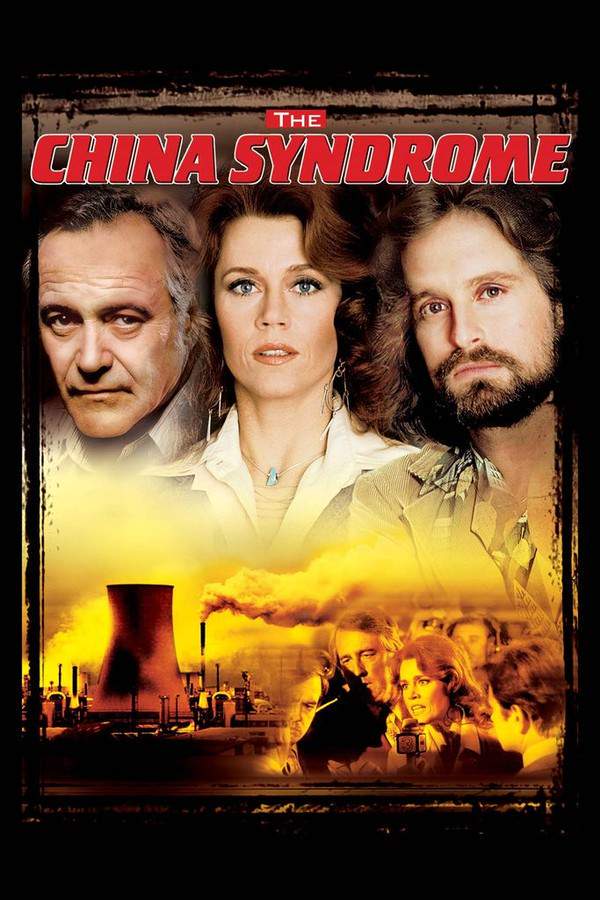
The China Syndrome (1979) movie poster

Spoiler-Free Summary

The China Syndrome (1979) Spoiler-Free Summary – What It's About

Release, runtime and language
1979 · 122 min · English
JustWatch #1,416 26
Directed by
James Bridges
Starring
Jane Fonda, Wilford Brimley, Michael Douglas, Peter Donat, Jack Lemmon, James Hampton

A television reporter and her cameraman witness an emergency shutdown at a nuclear power plant, unknowingly averting a potential disaster. As they investigate, a plant supervisor uncovers alarming safety violations and a disturbing cover-up. Risking her career and personal safety, she fights to expose the facility's negligence and prevent a catastrophic meltdown with widespread repercussions.

On this page (7)
  1. 1 Where to watch
  2. 2 What it is about
  3. 3 Is it worth watching?
  4. 4 After you watch
  5. 5 Movie threads
  6. 6 Movies like The China Syndrome
  7. 7 Every angle

Where to watch

Where to Watch The China Syndrome (1979)

Where can you watch The China Syndrome? Stream, rent or buy it in the US, including on Amazon Prime Video, Amazon Video and Apple TV Store: current JustWatch availability with up-to-date prices.

Streaming availability powered by JustWatch

Spoiler-free summary · safe to read

What Is The China Syndrome About? (No Spoilers)

The plot of The China Syndrome (1979) without spoilers: what it is about, who it follows and where it takes place, told without the twists or the ending. Enough to decide whether it is your next watch, not enough to ruin it.

In the sun‑splashed foothills outside Los Angeles, the sprawling Ventana Nuclear Power Plant looms as a symbol of modern progress and hidden vulnerability. The film opens with ambitious television reporter Kimberly Wells thrust into the world of energy journalism, eager to prove herself beyond the “soft‑news” assignments that have been handed down to her. Her partnership with freelance cameraman Richard Adams adds a gritty, on‑the‑fly perspective, as they navigate a newsroom that doubts their instincts and a corporate environment that prefers glossy press releases to hard facts.

Against this backdrop, plant shift supervisor Jack Godell wrestles with the day‑to‑day pressures of keeping a massive, high‑stakes operation running smoothly. Subtle anomalies begin to surface, hinting that the plant’s safety culture may be more fragile than its public image suggests. The tone shifts from the polished veneer of corporate communication to a simmering tension, as the characters sense that something essential is being concealed. The film’s atmosphere blends the clatter of control‑room consoles with the sterile hum of news studios, underscoring a clash between bureaucratic indifference and the relentless pursuit of truth.

As Kimberly and Richard dig deeper, they find themselves pulled between professional ambition and personal conscience. The stakes rise beyond a single news story: exposing potential negligence could jeopardize careers, threaten personal safety, and force a confrontation with powerful interests that prioritize profit over precaution. The narrative thrives on a sense of looming urgency, inviting viewers to question how far journalists will go when the public’s wellbeing hangs in the balance, and whether the truth can break through the barriers of corporate secrecy.

Last updated: August 10, 2025 at 14:13

Was this helpful?

What to expect

Is The China Syndrome Worth Watching? What It Feels Like

Is it dark, sad, slow, intense or confusing? The mood of The China Syndrome (1979) in a few tags, without a word about how it ends. Each tag opens a list of movies that feel the same.

After you watch

Seen The China Syndrome? Now Read the Spoilers

Once you have watched The China Syndrome (1979), come back for the full story: the plot summary with spoilers, the timeline in chronological order, the characters and meaning.

Movie threads

More Movies Like The China Syndrome, by Mood & Story

Curated lists built around what makes The China Syndrome tick: the same mood, the same kind of story or the same emotional payoff. Each list explains why these movies belong together.

Whistleblower Thrillers like The China Syndrome

Ordinary individuals risk everything to expose dangerous institutional corruption. If you liked the tense, high-stakes fight for truth in The China Syndrome, you'll appreciate these movies about individuals exposing dangerous cover-ups. These films share a heavy emotional weight and a steady, suspenseful pace, focusing on the moral courage and personal sacrifice of whistleblowers.

  • urgent
  • suspenseful
  • paranoid
  • frustrated
  • tense
  • thought-provoking
  • Tone: tense, paranoid, urgent
  • Pacing: steady, escalating
Why these movies?

The story pattern: These narratives often follow a clear structure: an initial discovery of wrongdoing, a gradual realization of the cover-up's scale, and a tense, dangerous investigation where the protagonist's life and career are threatened. The climax typically involves a public confrontation or leak, but the victory is often shadowed by personal loss.

Why they belong together: These films are grouped by their central theme of one person against a corrupt system, a tense and paranoid tone, and a focus on institutional malfeasance. They share a serious, heavy mood and create a similar feeling of urgent, high-stakes drama where public safety hangs in the balance.

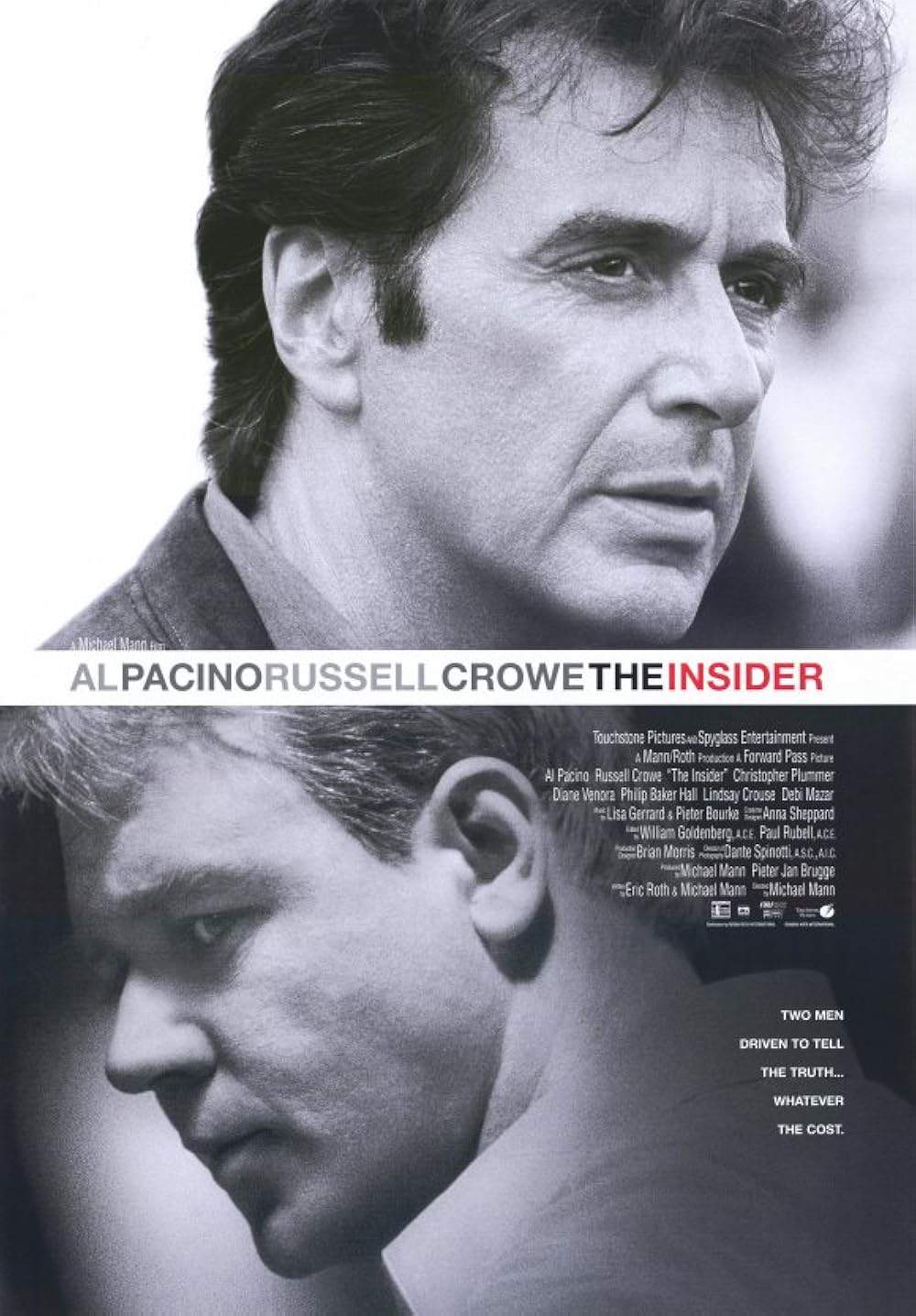
Movies about impending disaster like The China Syndrome

Stories where a looming catastrophe creates unbearable, methodical tension. For viewers who appreciated the anxious, methodical buildup of tension in The China Syndrome, this thread collects films centered on a looming catastrophe. These movies share a steady pace, a consistently tense tone, and a high-stakes narrative that keeps you on the edge of your seat.

  • anxious
  • tense
  • suspenseful
  • dread
  • urgent
  • frustrated
  • Tone: tense, anxious, bleak
  • Pacing: steady, methodical
Why these movies?

The story pattern: The narrative pattern involves establishing a clear and credible threat early on, then methodically revealing the failures and hubris that made it possible. The plot focuses on the desperate attempts to contain or expose the danger, often against bureaucratic inertia or active suppression, leading to a climactic confrontation with the disaster itself.

Why they belong together: They are united by a specific emotional mix: a constant, high-intensity feeling of dread, a steady pacing that makes the threat feel real and imminent, and a serious exploration of human error and systemic failure. The viewing experience is defined by a sustained, anxious suspense.

If you liked this

Movies Like The China Syndrome

Similar movies to The China Syndrome: the same genre, themes or kind of story. Each one comes with its own plot summary, timeline and ending explained.

Browse all movie summaries

Every angle

The China Syndrome (1979) Explained: Plot, Timeline & Characters

Everything about The China Syndrome in one place: what happens in the plot summary, the timeline in chronological order, the characters and meaning and a spoiler-free summary. What's After the Movie adds the cast, box office and post-credit scenes.

Coming soon on iOS and Android

The Plot Explained Movie Summary App

Plot summaries, endings explained and timelines on your phone. Catch up on any movie in minutes, save your favorites and never miss a twist again.

Be the first to know when we launch. Your email stays private, always.

Learn more about the app