Year: 2006
Runtime: 76 min
Language: English
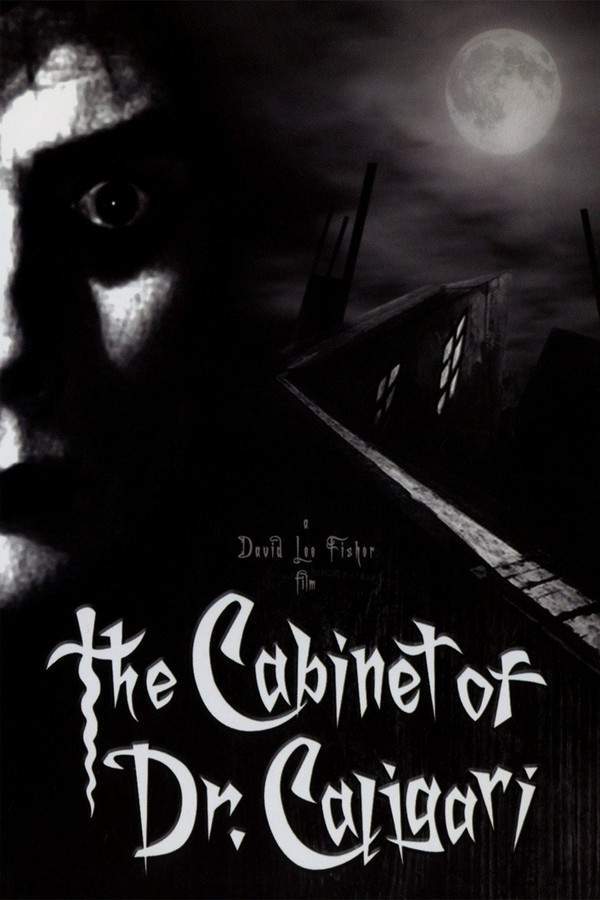
Director: David Lee Fisher
A charismatic showman arrives in a town, presenting a mysterious sleepwalker with extraordinary abilities. As audiences become enthralled by his captivating performances, a series of disturbing events unfold, suggesting a sinister plot and blurring the line between illusion and reality. The narrative explores themes of madness, manipulation, and the power of suggestion, questioning the perception of truth and sanity.
Warning: spoilers below!
Haven’t seen The Cabinet of Dr. Caligari yet? This summary contains major spoilers. Bookmark the page, watch the movie, and come back for the full breakdown. If you're ready, scroll on and relive the story!
Explore the full timeline and setting of The Cabinet of Dr. Caligari (2006). Follow every major event in chronological order and see how the environment shapes the story, characters, and dramatic tension.
Last updated: October 22, 2024 at 22:56
Meet the key characters of The Cabinet of Dr. Caligari (2006), with detailed profiles, motivations, and roles in the plot. Understand their emotional journeys and what they reveal about the film’s deeper themes.
Last updated: October 22, 2024 at 22:56
Explore the central themes of The Cabinet of Dr. Caligari (2006), from psychological, social, and emotional dimensions to philosophical messages. Understand what the film is really saying beneath the surface.
Last updated: October 22, 2024 at 22:56
Browse frequently asked questions about The Cabinet of Dr. Caligari (2006) focused on characters, relationships, themes, symbols, setting, and story context. This movie info FAQ gives spoiler-aware explanations for character arcs, world details, and thematic interpretation so readers can better understand what the film is really about.
Holstenwall is a quaint German village that serves as the primary setting for the film. It is characterized by its imposing carnival and shadowy streets that create an atmosphere of mystery and foreboding. The village's eerie settings contribute significantly to the film's tense and unsettling tone, blending reality with fantasy.
The film does not specify an exact time period but evokes an early 20th-century atmosphere consistent with German Expressionist cinema. This era was known for its fascination with psychological depth, the supernatural, and exploring the intricacies of the human mind, all of which are central to the film's themes.
The film challenges the perception of reality as Francis experiences a descent into madness, blurring the lines between what is real and what exists only in his mind. This theme creates a compelling and unsettling atmosphere where both characters and viewers are encouraged to question the nature of their own perceptions throughout the narrative.
Fate is a pivotal theme, particularly through Cesare, who foresees his own death. This explores whether one's destiny is predetermined or if free will holds any power. The narrative provokes contemplation about how individuals navigate circumstances that seem beyond their control.
The film explores the fragility of the human psyche through Dr. Caligari and the events at the asylum, revealing the macabre intersection of death and mental illness. This theme exposes the darker aspects of human nature and leaves audiences reflecting on how quickly sanity can unravel.
Dr. Caligari is the film's enigmatic antagonist, a carnival showman whose obsession with death and control drives the dark events of the narrative. Underneath his charismatic barker persona lies a malevolent figure who manipulates those around him, particularly Cesare and Francis, embodying themes of power and madness.
Cesare is a sleepwalking servant and eerie seer who embodies the torment of predestination. Notably, he has the ability to foresee his own death, which evokes both sympathy and fear. His haunting presence throughout the film highlights the thin veil between reality and nightmares.
Francis serves as the film's storyteller, whose narrative thrusts the audience into a world of murder and chaos. He is a complex protagonist whose journey through mental and emotional turmoil drives the plot as he interacts with Jane and Cesare, grappling with unsettling revelations about reality.
Jane is an enchanting character who becomes a pivotal target in the unfolding mystery. Her father and brother frantically search for her during the escalating chaos. Though primarily a victim, Jane's character highlights the impact of fear and desperation on loved ones in a story overshadowed by malevolence.
The film features an unreliable narrator whose account cannot be fully trusted. This narrative technique is central to the film's complexity, as the final twist recontextualizes the entire story, revealing the protagonist's journey as a delusion within an asylum rather than events occurring in the external world.
The film draws heavily from German Expressionist aesthetics, characterized by distorted sets, dramatic lighting, and angular visuals that reflect psychological states. This cinematic style enhances the themes of madness and distorted reality, creating a visual language that externalizes the characters' internal turmoil.
Discover curated groups of movies connected by mood, themes, and story style. Browse collections built around emotion, atmosphere, and narrative focus to easily find films that match what you feel like watching right now.
Psychological tales where a protagonist's grip on reality is slowly called into question.If you enjoyed the reality-shattering twist in The Cabinet of Dr. Caligari, explore these movies where the protagonist's account of events is unreliable. These psychological thrillers and mysteries masterfully use narrative ambiguity to create suspense and leave you questioning the very nature of sanity.
Stories in this thread typically follow a protagonist who presents a seemingly straightforward account of events, only for cracks to appear in their narrative. The plot structure is often designed to mislead, building towards a climax that reveals the true nature of the protagonist's perception, whether due to mental illness, trauma, or manipulation, casting the entire story in a new, ambiguous light.
These films are grouped together by their central narrative device: the unreliable perspective. They share a common goal of disorienting the viewer and exploring themes of madness, memory, and the subjectivity of truth, creating a cohesive experience of psychological suspense.

Stories of sinister control set within oppressive, mentally suffocating environments.Fans of the manipulative dread in The Cabinet of Dr. Caligari will find similar chills in these claustrophobic thrillers. These movies explore themes of control, hypnosis, and psychological decay, often set in isolated or institutional settings that amplify the feeling of inescapable madness.
The narrative pattern involves a vulnerable character falling under the influence of a charismatic but sinister authority figure. The conflict is primarily psychological, as the protagonist's will and perception of reality are systematically dismantled. The setting itself often acts as a prison, intensifying the themes of entrapment and the struggle for mental freedom.
These movies are united by their oppressive atmosphere and core theme of psychological manipulation. They create a similar vibe through a steady pacing that builds unease, a dark tone, and a focus on the horrifying dynamics of control and submission within a confined world.
Don't stop at just watching - explore The Cabinet of Dr. Caligari in full detail. From the complete plot summary and scene-by-scene timeline to character breakdowns, thematic analysis, and a deep dive into the ending - every page helps you truly understand what The Cabinet of Dr. Caligari is all about. Plus, discover what's next after the movie.
Read a complete plot summary of The Cabinet of Dr. Caligari, including all key story points, character arcs, and turning points. This in-depth recap is ideal for understanding the narrative structure or reviewing what happened in the movie.
Track the full timeline of The Cabinet of Dr. Caligari with every major event arranged chronologically. Perfect for decoding non-linear storytelling, flashbacks, or parallel narratives with a clear scene-by-scene breakdown.
Discover movies like The Cabinet of Dr. Caligari that share similar genres, themes, and storytelling elements. Whether you’re drawn to the atmosphere, character arcs, or plot structure, these curated recommendations will help you explore more films you’ll love.
The Cabinet of Dr. Caligari (2006) Plot Summary & Movie Recap
The Cabinet of Dr. Caligari (2006) Scene-by-Scene Movie Timeline
The Cabinet of Dr. Caligari (2006) Spoiler-Free Summary & Key Flow
Movies Like The Cabinet of Dr. Caligari – Similar Titles You’ll Enjoy
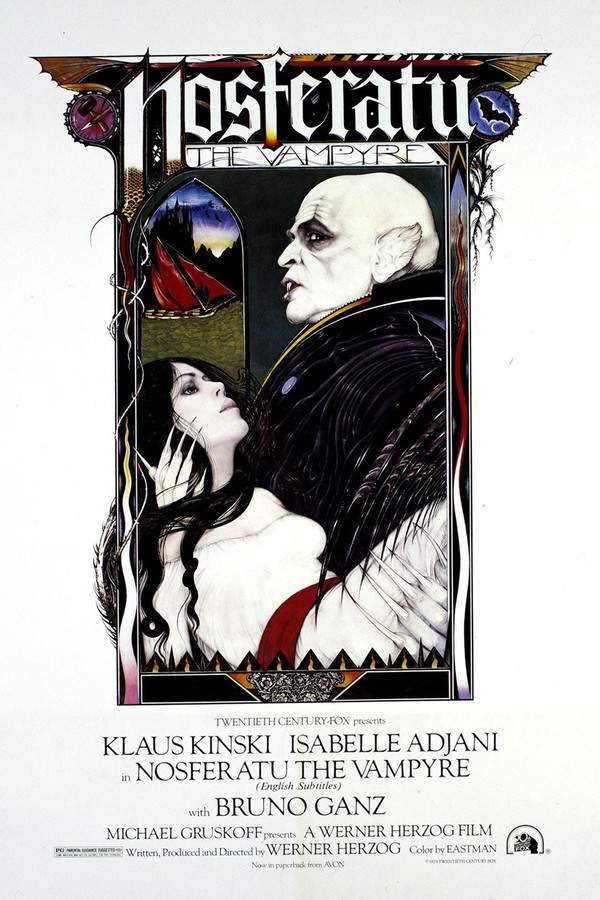
Nosferatu the Vampyre (1979) Ending Explained & Film Insights
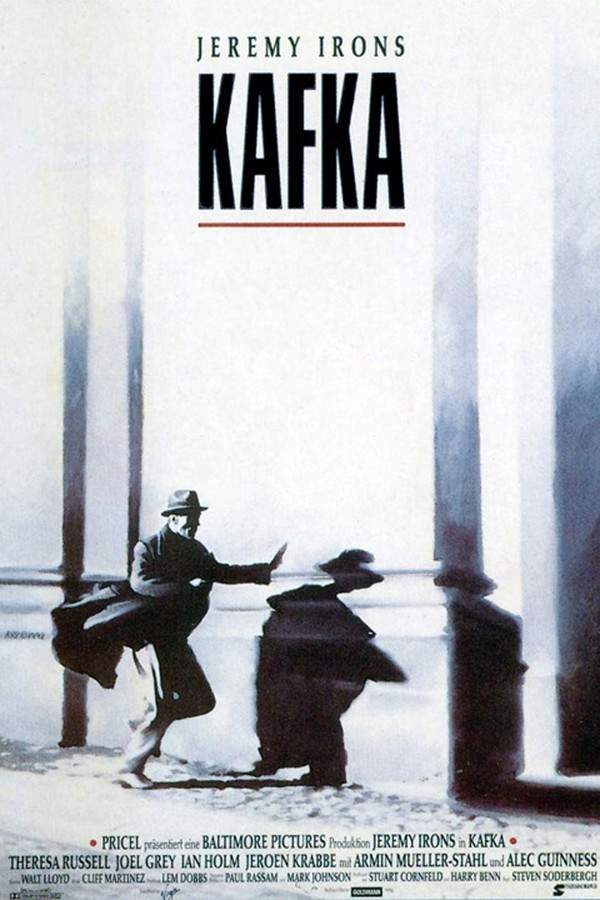
Kafka (1991) Complete Plot Breakdown
Nightmare Cinema (2019) Ending Explained & Film Insights
The Hypnotist (2001) Film Overview & Timeline
The Masque of the Red Death (1989) Full Movie Breakdown
The Cabinet of Dr. Ramirez (1991) Full Movie Breakdown
The Terror of Doctor Mabuse (1962) Spoiler-Packed Plot Recap
Dr. Jekyll and Mr. Hyde (1941) Movie Recap & Themes
Dr. Mabuse vs. Scotland Yard (1963) Movie Recap & Themes
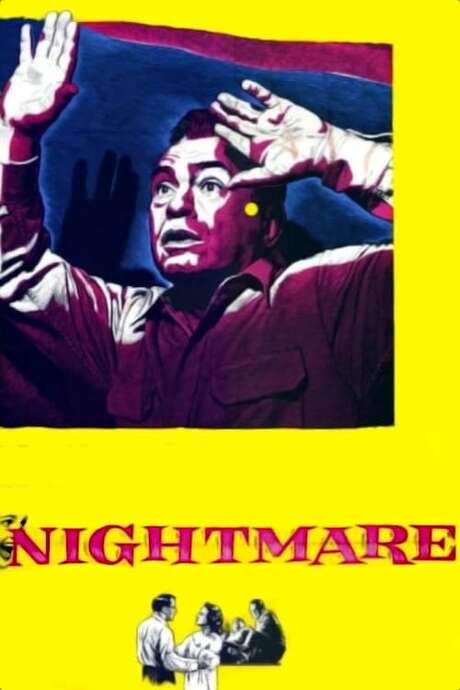
Nightmare (1956) Movie Recap & Themes
Phantom of the Rue Morgue (1954) Ending Explained & Film Insights
The Testament of Dr. Mabuse (1933) Story Summary & Characters
Dr. Jekyll and Mr. Hyde (1920) Ending Explained & Film Insights
The Cabinet of Dr. Caligari (1920) Full Summary & Key Details
The Strange Case of Dr. Jekyll and Mr. Hyde (1968) Complete Plot Breakdown